What is Sheet Metal Fabrication and How Does It Work

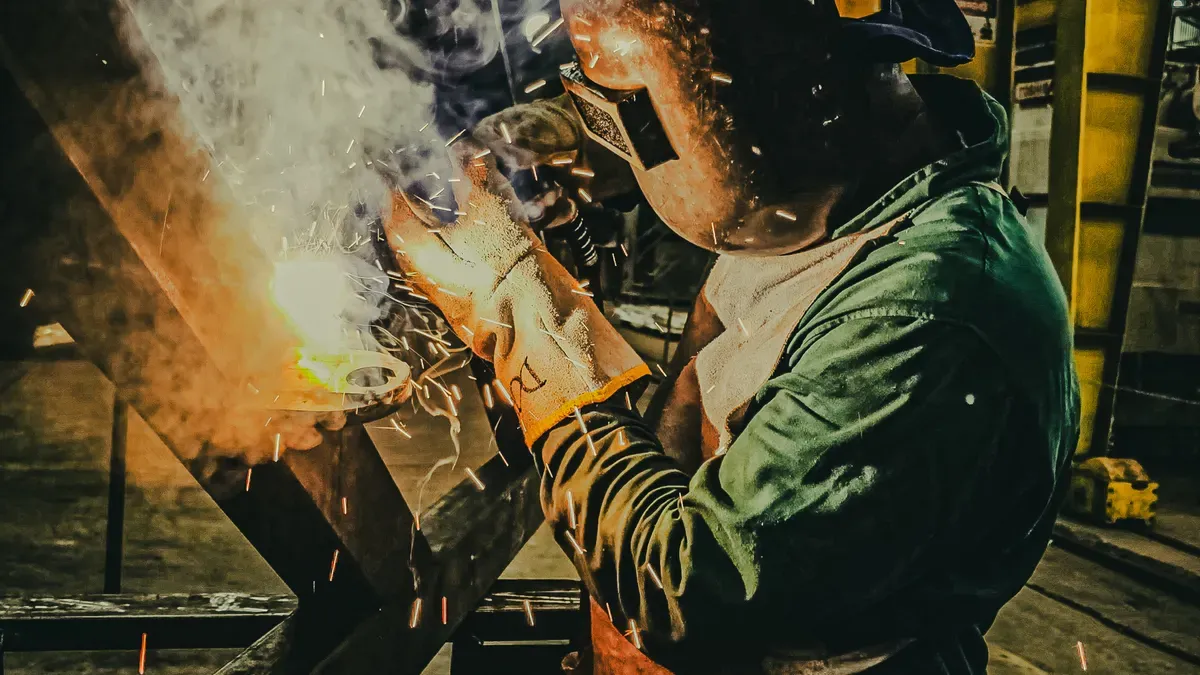
You use sheet metal fabrication to change flat metal sheets into parts you need. This process has steps like cutting, bending, forming, welding, punching, and assembly. You see it in industries like cars, planes, energy, and robots. It helps make strong parts and does not waste much metal. The table below lists each main step and the tools you might use:
Step | Description | Common Tools |
|---|---|---|
Cutting | Cutting the sheet into special shapes. | Laser cutters, Plasma cutters, Waterjet cutters, Shears |
Bending | Bending the sheet metal to get the right angles. | Press brakes, V-dies, U-dies |
Forming | Shaping the sheet metal into its final shape. | Press brakes, Rollers, Stamping tools |
Welding | Joining pieces of metal to make one piece. | MIG welding, TIG welding, Spot welding |
Punching | Making holes or shapes in the sheet. | CNC punching machines |
Assembly | Putting parts together in different ways. | Fasteners, Welding, Adhesives |
Sheet Metal Fabrication Basics
What is Sheet Metal Fabrication
You use sheet metal fabrication to turn flat sheets of metal into useful products. This process lets you create parts for cars, buildings, machines, and even airplanes. You start with a thin piece of metal. You then cut, bend, and shape it into the form you need. Sheet metal fabrication gives you the power to make strong and light parts. You can use this process to make things like cabinets, car doors, or even airplane wings. You see sheet metal fabrication in many industries because it saves material and gives you precise results.
Sheet metal fabrication uses many steps. You might cut the metal with a laser or a waterjet. You can bend it with a press brake. You can join pieces together with welding or fasteners. Each step in sheet metal fabrication helps you get closer to the final product. You can make simple shapes or complex designs. You control the process to match your needs.
Key Concepts and Principles
When you work with sheet metal fabrication, you follow some important ideas. These ideas help you get the best results every time. Here are the main principles that guide you:
Design Phase: You plan your project and pick the right material. You make sure your design meets all the needs of the product.
Cutting and Cleaning: You use tools like laser cutters or waterjet cutters to make clean, precise cuts. After cutting, you clean the metal to remove any dirt or oil.
Forming and Finishing: You bend or stamp the metal to get the shape you want. You check your work to make sure it meets the right size and quality.
Tip: Always check your measurements before you start each step in sheet metal fabrication. This helps you avoid mistakes and waste.
Sheet metal fabrication gives you control over the shape, size, and strength of your parts. You can use it for small jobs or big projects. You can trust this process to give you reliable and repeatable results. When you learn the basics of sheet metal fabrication, you open the door to many creative and practical solutions.
Sheet Metal Fabrication Process
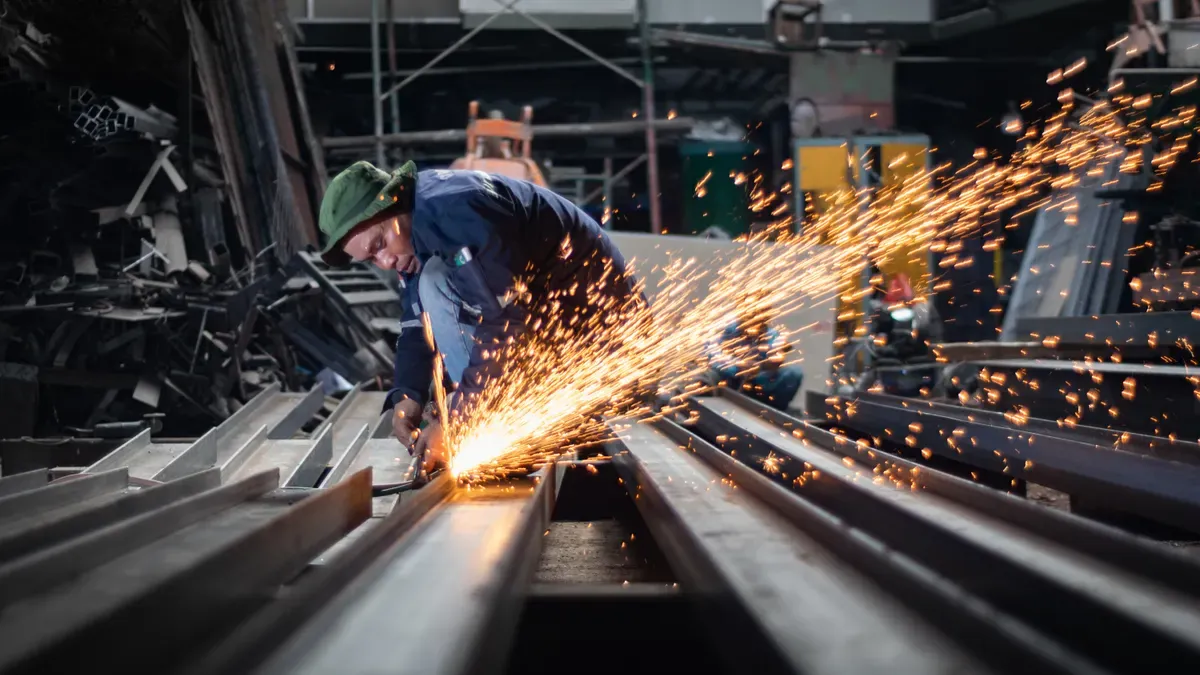
Sheet metal fabrication changes flat sheets into things you use every day. You follow steps to shape, join, and finish the metal. Each step changes the metal in a special way. Let’s see how a plain sheet becomes a strong part.
Cutting and Punching
You begin with cutting and punching. These steps help you get the right size and shape. You use machines and tools to cut the metal. Some tools are good for straight lines. Others help you make curves or holes.
Here is a table that shows common ways to cut and punch metal. It also lists what is good and bad about each method:
Method | Description | Advantages | Disadvantages |
|---|---|---|---|
Alligator Shear | Used for cutting long metal stock, powered by a hydraulic cylinder. | Affordable, tough, durable | Accuracy and finish are poor |
Metal Guillotine | Versatile tool for cutting sheet metal and trimming parts. | Widely used in various settings | N/A |
Bench Shear | Ideal for medium-sized sheet metal, provides mechanical advantage. | Claims to make exact cuts | N/A |
Power Shear | Can be controlled manually or electrically, cuts large sheets effectively. | Flexible, quick, accurate | N/A |
Throatless Shear | Allows free movement of metal around the cutting blade. | Ideal for various forms of cuts | N/A |
Snips | Hand tools for cutting sheet metal, available in different types. | Suitable for any cutting task | Labor-intensive |
Nibbles | Operates in a punch-and-die formation for generating cuts. | N/A | N/A |
You also use machines like shearing machines and power presses. These machines help you cut and punch metal fast and safely. Some machines have safety features like anti-drop parts and vacuum sensors. These features help keep you safe from accidents.
Tip: Always wear safety gear and check your machines before you start cutting and cleaning. This keeps you safe and helps you do a better job.
Bending and Forming
After you cut the metal, you bend and form it into the shape you need. You use different ways to bend the metal and get the right angles and curves. Press brakes, bending rollers, and other machines help you do this.
Here is a table that shows the main ways to bend and form metal. It also tells how each way changes the metal:
Technique | Description | Effects on Mechanical Properties |
|---|---|---|
Air Bending | Metal is partially pressed into the die, allowing flexibility in angles. | Requires less force, reducing risk of cracking in susceptible metals. |
Bottoming | Metal is pressed firmly against the die for accuracy. | Provides precise bends with minimal spring-back. |
Wipe Bending | Metal is pressed around a die edge for large radius bends. | Effective for thinner metals, reducing deformation risk. |
Coining | High pressure compresses material for accurate bends. | Produces minimal spring-back but requires high tonnage. |
V-Bending | Metal is pressed into a V-shaped die for versatile angle creation. | Highly adjustable for various bends. |
Deep Draw Stamping | Material is drawn into a die cavity for deep parts. | Common in manufacturing, affecting material properties during forming. |
Hydroforming | High-pressure fluid presses metal into a die for intricate shapes. | Ideal for complex designs and excellent surface finish. |
You can use these ways to make simple bends or hard shapes. Each way changes how strong and flexible the metal is. For example, air bending uses less force and helps stop cracks. Coining gives you sharp bends but needs more pressure.
Sometimes, you have problems like uneven bends or cracks. You can fix these by checking your tools, using the right die, or warming the metal. Clean tools and careful setup help you avoid damage and other problems.
Assembly and Welding
When you finish shaping the parts, you put them together. You use assembly and welding to join the pieces and make a strong product. There are different ways to weld sheet metal. Each way has its own good points.
Here is a table that explains the main welding ways and how they change your finished part:
Welding Method | Description | Strength & Durability Impact |
|---|---|---|
MIG | Uses a continuous wire feed and inert gas. High speed and productivity, suitable for thicker metals. | Moderate equipment and skill required, good for production. |
TIG | Employs a non-consumable tungsten electrode with inert gas. High precision and quality, ideal for thin materials. | Slower process, requires skilled operators for best results. |
MMA | Uses a flux-coated electrode, portable and adaptable. | Slower deposition rate, requires cleanup but good for outdoor conditions. |
You can use fasteners, adhesives, or spot welding for assembly. The way you pick depends on how strong you need the part and the type of metal. MIG welding works well for thick parts and fast jobs. TIG welding gives you clean, strong joints for thin sheets.
You also need to check your work for quality. You can use machines to measure the parts, look for surface problems, or test the welds. Non-destructive testing helps you find hidden problems without hurting the part.
Note: Careful assembly and welding make your sheet metal project last longer and work better.
By following each step in the sheet metal fabrication process, you turn flat sheets into useful things. You control the shape, size, and strength at every stage. This process lets you make everything from car parts to kitchen appliances.
Sheet Metal Fabrication Materials
Common Metals Used
You will find that the choice of metal changes how your sheet metal fabrication project turns out. Each metal has special properties that make it good for certain jobs. Here is a table that shows the most common metals, their key properties, and where you might use them:
Material | Key Properties | Applications |
|---|---|---|
Stainless Steel | Corrosion resistance, strength | Medical, food service, construction |
Aluminum | Lightweight, strong, ductile | Automotive, aerospace |
Copper | High electrical conductivity, malleable | Electrical industry |
You often use stainless steel when you need parts that last in tough places. Aluminum works well when you want light but strong parts. Copper is best for electrical parts because it carries electricity well.
Choosing the Right Material
You need to think about several things before you pick a metal for your sheet metal fabrication project. Here are the main points you should consider:
Load requirements: How much weight or force will your part handle?
Environmental conditions: Will your part face rain, heat, or chemicals?
Aesthetic preferences: Do you want a shiny look or a painted finish?
You should also look at these factors:
Factor | Description |
|---|---|
Functionality | What will your part do? |
Corrosion Resistance | Will your part face water or humidity? |
Weight | Do you need a light or heavy part? |
Formability | Can you bend or shape the metal without cracks? |
Finish Requirements | Do you need a smooth or coated surface? |
For example, you might pick stainless steel for a kitchen sink because it resists rust. You might choose aluminum for a car part to keep the car light. Galvanized steel is good for roofs because it does not rust easily.
Tip: Always match the metal to your project’s needs. This helps your sheet metal fabrication last longer and work better.
Essential Tools and Equipment
You need the right tools to use sheet metal fabrication techniques. Here are some of the most important tools and what they do:
Welding machines (MIG, TIG, Stick): Join metal parts together.
Welding electrodes and filler materials: Make strong joints.
Welding table: Gives you a flat, safe place to work.
Shear stud welding machine: Secures steel in big structures.
Welding helmets and safety gear: Keep you safe from sparks and heat.
Fume extractors: Clean the air while you work.
Angle grinders and cutting tools: Cut and shape the metal.
Welding clamps and fixtures: Hold your parts in place.
Wire feeders: Supply wire for MIG welding.
Welding positioners and manipulators: Move heavy parts for easy welding.
Stud welding equipment: Attach metal studs quickly.
Welding automation systems: Make your work faster and more accurate.
You can buy small CNC presses for $10,000 to $30,000. If you do not want to buy machines, you can send your work to a shop that does sheet metal fabrication for you.
Note: Good tools help you get better results and keep you safe during sheet metal fabrication.
Sheet Metal Fabrication Applications
Automotive Industry
Sheet metal fabrication is used a lot in making cars. It helps build vehicles that are strong and light. You use it to make car bodies, doors, hoods, and small parts. Many car parts are made from sheet metal. You can cut, shape, and join metal sheets to fit each car.
Sheet metal fabrication is used for car bodies.
You make many parts and accessories with this process.
Custom sheet metal fabrication helps design special car parts.
If you want a car that looks good and lasts, you need custom sheet metal fabrication. This method lets you make both regular and special parts for cars and trucks.
Construction and Building
Sheet metal fabrication is important in building things. You use it to make roofs, wall panels, ducts, and supports. Custom sheet metal fabrication lets you make parts that fit each building.
You get many good things when you use this process in construction:
Precision: You can cut metal very accurately for tight spaces.
Speed: Machines work fast, so projects finish quicker.
Versatility: You can use different types and thicknesses of metal.
Minimal Waste: You save material because cuts are exact.
Superior Edge Quality: You get clean edges and need less finishing.
Automation: Machines can run by themselves and save money.
Energy Efficiency: You use less energy than older ways.
Environmentally Friendly: You make less waste and fewer emissions.
Custom sheet metal fabrication helps you build safe, strong, and modern buildings.
Aerospace and More
Sheet metal fabrication is used a lot in making airplanes. You use it to make wings, panels, and other important parts. These parts must be light and strong. Sheet metal fabrication helps you meet these tough needs.
You make parts that can handle flight and bad weather.
You use materials that are light and strong with custom sheet metal fabrication.
You also see this process in other fields. Here is a table that shows some new uses for custom sheet metal fabrication:
Application | Description |
|---|---|
Custom Metal Furniture | Designers bend metal to make unique and stylish furniture. |
Architectural Elements | Builders use curved metal for facades and decorations. |
Pharmaceutical & Biotechnology | You make clean parts for labs and cleanrooms. |
Marine & Offshore Applications | You make parts for ships and pipelines that resist rust and stay light. |
Sheet metal fabrication helps solve problems in many industries. You can shape metal to fit almost any need, from cars to airplanes to furniture.
Sheet Metal Fabrication: Pros & Cons
Advantages
Sheet metal fabrication gives you many good things. It helps you save money and time. Machines do much of the work, so costs go down. Customers are happier because jobs finish faster. You can plan your work better and finish on time. You can also make more or less parts if you need to. Here is a table that shows the main advantages:
Advantage | Description |
|---|---|
Cost Reduction | Automation of workflows leads to reduced operating costs and increased customer satisfaction. |
Enhanced Efficiency | Integration of business functions minimizes manual intervention, improving productivity. |
Improved Production Planning | Optimized scheduling reduces downtime, ensuring timely project delivery. |
Scalability | Ability to adjust production sizes based on demand allows for flexibility in operations. |
Sheet metal fabrication uses less material and makes less waste. You can make strong parts with less work. This process is better for the environment. It makes fewer pollutants than old steel manufacturing.
Limitations
Sheet metal fabrication has some problems. Hard designs take longer to make than 3D printing. Some shapes are tough to make because bending and forming have limits. You need special tools and machines for some jobs. Sometimes, you see defects like wrinkling, tearing, or springback. Wrinkling happens when metal gets squeezed. Tearing is when metal splits apart. Springback means metal tries to go back to its old shape after bending. These problems can hurt the quality of your parts.
Aspect | Limitations |
|---|---|
Manufacturing Scale | Complex designs can require more time to produce compared to additive manufacturing. |
Material Adaptability | Certain complex forms might be restricted by the inherent constraints of bending and shaping processes. |
Economic Benefits | Requires significant upfront investment in tools and machinery, particularly for unique or custom projects. |
Application Breadth | The complex physical characteristics of the metal sheet can restrict the complexity of shapes achievable. |
Note: Check your tools and process often. This helps you stop defects and make better parts.
Sheet Metal vs. Steel Fabrication
You might wonder how sheet metal fabrication is different from steel fabrication. Steel manufacturing makes more pollution, like sulfur dioxide and nitrogen oxide. It creates waste such as slag and sludge. These can hurt soil and water. Steel production also releases gases that warm the planet. Sheet metal fabrication uses less energy and makes less waste. You help the earth when you pick this process.
Steel manufacturing creates a lot of waste.
Steel manufacturing releases greenhouse gases.
Tip: Pick sheet metal fabrication if you want less waste and a cleaner environment.
You now know that sheet metal fabrication changes flat metal sheets into helpful parts. You learned about the main steps, tools, and materials used. This process is important for many things, like cars and buildings.
It is important to know the steps, materials, and uses so you can make good choices.
Remember to look at both the good and bad sides before choosing a fabrication method.
FAQ
What is the difference between sheet metal and plate metal?
You use sheet metal for thin, flexible parts. Plate metal is thicker and stronger. You choose sheet metal for light projects. You pick plate metal for heavy-duty jobs.
How do you prevent rust on sheet metal parts?
You can use coatings like paint or powder. You can also use metals that resist rust, such as stainless steel or galvanized steel. Always keep parts dry and clean.
Can you weld all types of sheet metal?
You can weld most types, but some metals need special care. Aluminum and stainless steel require different welding methods. Always check the metal type before you start.
Why is sheet metal fabrication important in manufacturing?
You use sheet metal fabrication to make strong, light, and custom parts. This process helps you build cars, buildings, and machines. You save material and get precise results.
See Also
Understanding The Processes Of Aluminum Extrusion And Die Casting
An Overview Of Jigs And Fixtures In Manufacturing
Essential Information On Friction Stir Welding Machines And Applications
Exploring The Functionality Of An Automated Die Casting Island
Understanding The Role Of Functional Testing In CNC And Die Casting
About Hunan Puka

Established in 2016 and based in Hunan, China, with a liaison point in Berlin, we are a Tier 2 supplier for the automobile industry. We specialize in the production of customized aluminum die-casting parts designed for machines with a closing force ranging from 280 to 1250 tons, with subsequent manufacturing process CNC machining and surface treatment. Our commitment to quality is reflected in our accredited quality management system, certified by ISO9001:2015 and IATF16949:2016 standards.