What Is Industrial Liquid Cooling and How Does It Work

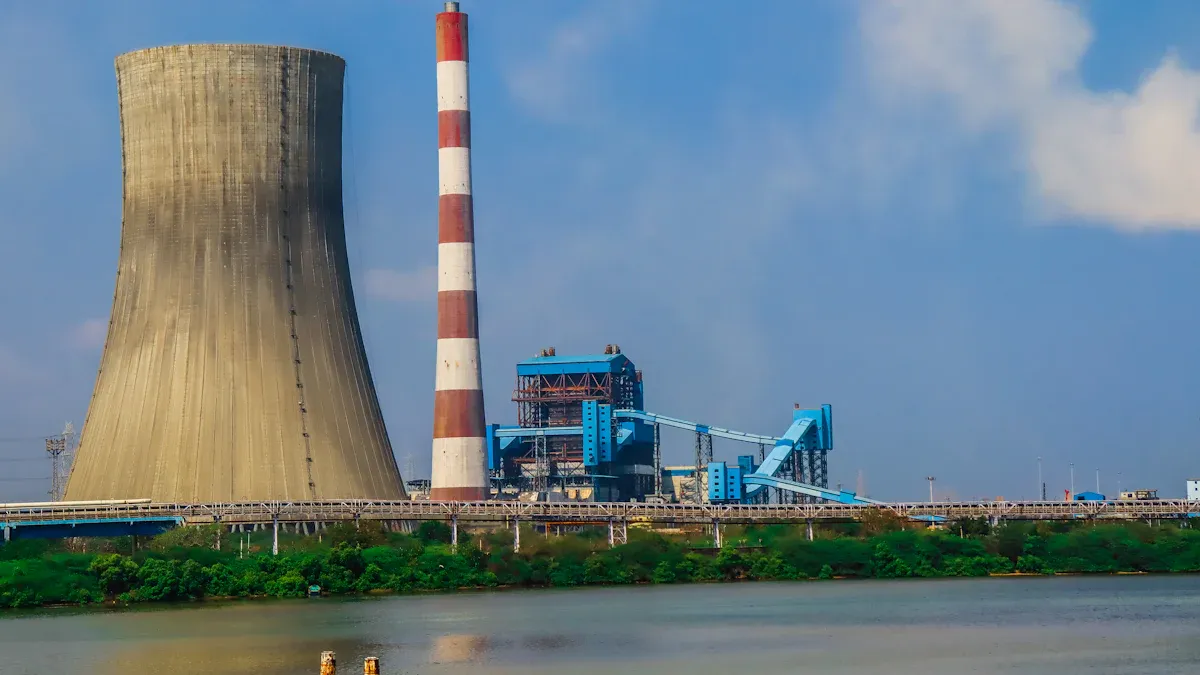
You use industrial liquid cooling to keep things cool in factories and data centers. This method uses water or special fluids that take in heat quickly. The liquid cooling process sends coolant through pipes and coils to take heat away from machines. Cooling works best when the system keeps temperatures low and steady. Industrial liquid cooling is good at moving heat. If you want better efficiency, you pick liquid cooling instead of air cooling in many industrial places.
Types of Industrial Liquid Cooling Systems
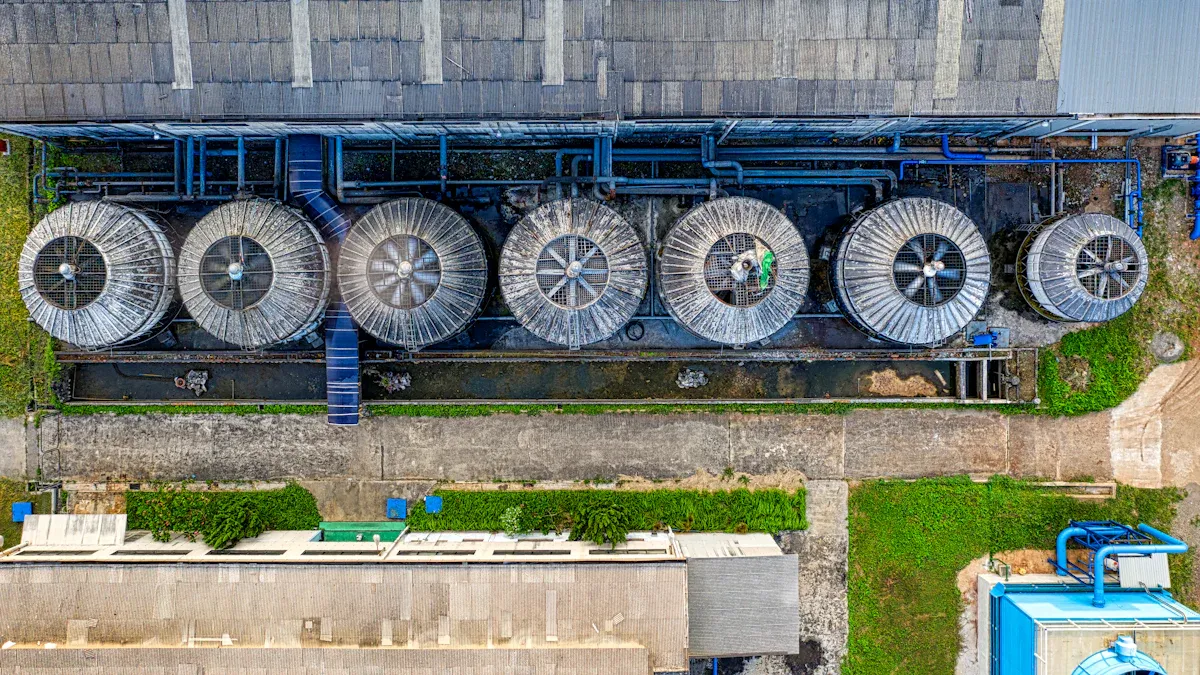
You have different liquid cooling systems to pick from for factories. The main types are direct-to-chip cooling, immersion cooling, and rear-door heat exchangers. Each system uses liquid cooling in its own way to keep things cool. What coolant you use—water, antifreeze, or special fluids—can change how well the system works.
Tip: Pick the liquid cooling system that fits your equipment, space, and cooling needs.
Here is a simple comparison of these liquid cooling technologies:
Technology | Description | Key Advantages | Applications |
|---|---|---|---|
Rear Door Heat Exchanger | This system goes on the back of a server rack and cools hot air. | Puts less work on CRAC systems | Data centers with lots of racks |
Direct-to-Chip Cooling | Coolant goes right to CPUs and GPUs using cold plates. | Best thermal efficiency, supports over 80-200 kW per rack | AI systems, HPC, supercomputers |
Immersion Cooling | Servers are put all the way into a non-conductive fluid. | Very high performance, high density, fewer moving parts | High-end HPC, extreme AI workloads |
Direct-to-Chip Cooling
You use direct-to-chip cooling when you want to remove heat from processors fast. Cold plates sit right on top of each chip. Coolant moves through these plates and takes heat away quickly. This method is called direct liquid cooling because the liquid touches the chip area. You can use water, antifreeze, or special fluids as the coolant. Water works for most chips, but you need non-conductive fluids for sensitive electronics. Direct-to-chip cooling is very efficient and works for heavy jobs like AI and supercomputers.
Immersion Cooling
You use immersion cooling when you need to cool many chips at the same time. In this system, you put servers or electronics into a tank with a special non-conductive liquid. The liquid covers every chip and takes in heat from all sides. This kind of liquid cooling has fewer moving parts and can handle a lot of heat. You see immersion cooling in high-performance computing or tough AI jobs. The coolant you pick is important. You must use a fluid that does not carry electricity, like dielectric oil, to keep chips safe.
Rear-Door Heat Exchangers
You use rear-door heat exchangers to cool the air coming out of server racks. This system puts a cooling unit on the back of the rack. When hot air leaves the servers, the liquid cooling loop in the door takes in the heat. You can use water or a water-glycol mix as the coolant. Rear-door heat exchangers make the room’s air conditioning work less and are good for data centers with many racks. This system does not touch the chips, but it still uses liquid cooling to take heat from the air.
Rules also affect how liquid cooling systems are made. Many systems now use refrigerants with low global warming potential to follow environmental laws. You may see options like R454B or natural refrigerants in new liquid cooling technology. These choices help you follow the rules and get your cooling ready for the future.
How Industrial Liquid Cooling Works
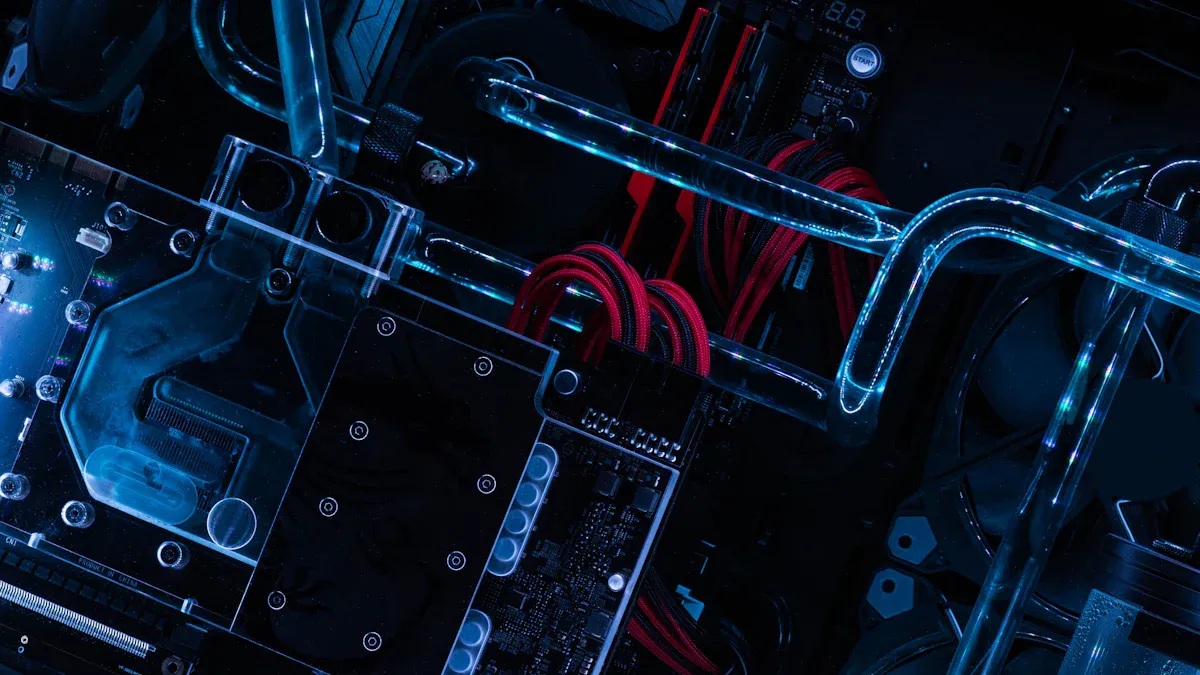
Heat Transfer Principles
To know why liquid cooling works well, you need to learn how heat moves. Liquid cooling uses a liquid coolant to take heat away from machines or electronics. Water and other liquids can hold more heat than air. This makes heat move faster and cools things better. Your equipment stays cool and does not get too hot.
Here are the main ideas that help industrial liquid cooling work:
Principle | Description |
|---|---|
Thermodynamic Cycle | A cycle where a refrigerant takes in and lets out heat to keep temperatures steady. |
Change of State | The refrigerant switches between gas and liquid. This helps pull heat away. |
Liquid cooling uses a liquid to take in and move heat.
It works better than air cooling because liquids move heat faster.
This way, you get steady temperatures and good cooling.
System Components
Every industrial liquid cooling system has important parts. Each part has a job to help the system work right:
Evaporator: This part takes heat from machines. The refrigerant inside turns from liquid to gas.
Expansion valve: This valve controls how much refrigerant goes through the system. It helps the system handle the heat.
Compressor: The compressor moves the refrigerant around. It makes the gas hotter and raises the pressure.
Condenser: The condenser cools the refrigerant back into a liquid. It sends heat outside to air or water.
Electric fans: These fans push air through the condenser to cool it better.
Storage tanks: Tanks keep extra coolant. They help keep the temperature steady and help when things get busy.
Expansion vessel: This vessel handles changes in the liquid’s size. It stops the system from getting too much pressure.
Note: All these parts work together to give you good heat transfer and steady cooling.
Operation Process
You can follow easy steps to see how industrial liquid cooling works. The process goes in a loop to keep your equipment cool.
Step | Description |
|---|---|
Compression | The compressor squeezes the refrigerant gas. This makes it hot and raises the pressure. |
Condensation | The hot gas goes to the condenser. Here, it cools down and turns into a liquid. It gives off heat to the outside. |
Expansion | The liquid refrigerant goes through the expansion valve. Its pressure and temperature drop. |
Evaporation | The cold refrigerant goes into the evaporator. It takes heat from your machines and turns back into a gas. The cycle starts again. |
You get good cooling because the liquid coolant keeps moving heat away from your equipment. This process removes heat fast and helps your machines last longer.
Tip: For the best results, make sure each part of your liquid cooling system works well. Taking care of your system means better cooling and less time when things are broken.
Liquid Cooling vs Air Cooling
Efficiency Comparison
You want your machines to stay cool and work well. Liquid cooling systems are more efficient than air cooling. Air cooling depends on how hot the room is. If the room gets warm, air cooling may not work well. Liquid cooling works better because water and special fluids move heat away faster. You get steady cooling even if the room is warm.
Here is a simple table showing the efficiency differences:
System Type | Efficiency Description |
|---|---|
Air Cooled | Moderate efficiency, affected by ambient temperature |
Water Cooled | Higher efficiency in controlled environments, less sensitive to outside temperatures |
Tip: Pick liquid cooling if you want stable temperatures and high efficiency for your equipment.
Energy Use and Cost
Liquid cooling systems use less energy and save money. They need less electricity than air cooling systems. Adiabatic cooling systems can cut energy use by up to 80%. Traditional air conditioning uses much more power.
Cooling System Type | Energy Consumption Reduction | Notes |
|---|---|---|
Adiabatic Cooling Systems | Up to 80% | Uses much less energy than traditional air conditioning systems. |
Traditional Air Conditioning | N/A | Conventional systems use more energy. |
You spend less money to install and run these systems. Evaporative cooling systems cost about 25% less to install than air conditioning. They use only one-tenth of the electricity. You get better air quality and no carbon emissions.
Evaporative coolers cost less to install and run than traditional air conditioners.
They save a lot of energy, which makes them cheaper.
You pay less for maintenance and repairs.
Practical Differences
Liquid cooling and air cooling systems need different care. Liquid cooling systems need less maintenance because they have fewer moving parts. They protect your machines and help them last longer. These systems are quiet and take up less space.
Here is a table comparing maintenance and other practical points:
Cooling System | Maintenance Requirements | Efficiency and Longevity | Noise and Space Considerations |
|---|---|---|---|
Liquid Cooling | Less wear on parts means less maintenance. Quick and easy setup. | More efficient cooling, protects nearby parts, so machines last longer. | Usually quieter, with external heat exchangers making the area less noisy. |
Air Cooling | More wear on parts from heat means more maintenance. | Less efficient cooling, so parts may not last as long. | Needs big ducts and fans, which make more noise. |
Note: Liquid cooling is quieter and helps your equipment last longer. Air cooling systems can be noisy and need more repairs.
Liquid Cooling Benefits and Drawbacks
Benefits
Liquid cooling has many good points for your machines. These systems cool things better and help machines last longer. Here are the main benefits in a table:
Benefit | Description |
|---|---|
Enhanced Thermal Efficiency | You get faster and steadier cooling for your machines. |
Lower Energy Consumption | You use less power because the system needs fewer pumps and compressors. |
Extended Equipment Lifespan | Your machines do not get as hot, so they last longer. |
Liquid cooling can save a lot of energy. For example:
The Cool Box adiabatic cooler can use up to 90% less energy than normal air conditioners.
Warm water-based cooling systems can save up to 80% in electricity compared to air cooling.
Liquid cooling is also better for the environment. You can make less greenhouse gas by 15% to 21% when you use these systems instead of air cooling. Over time, you use 31% to 52% less water. Some liquid cooling systems, like Nvidia’s liquid-cooled compute card, use 30% less power than air-cooled ones.
Your equipment works better too. Good thermal control stops your machines from getting too hot. Smart monitoring lets you check your system from far away and fix problems early. These features make liquid cooling a smart choice for your business.
Drawbacks
There are some problems with liquid cooling systems. These systems can be harder to use than air cooling. Here are the main drawbacks:
You need to control heat well to keep your devices cool.
The system uses different ways to move heat, which can make it harder to set up and take care of.
If you do not install the system right, your machines can still get too hot.
You must be careful with coolants to stop leaks or spills.
Maintenance can take more time because you need to check for leaks and keep things clean.
You may need special training to use and fix liquid cooling systems. The extra parts and steps can make the system cost more at first. You should think about these things before you pick a cooling system for your building.
Applications
Data Centers
Industrial liquid cooling is used a lot in data centers. These places have many servers that get very hot. Strong cooling is needed to keep things working well. Liquid cooling is better than air cooling for a few reasons:
It handles heat from AI and high-performance computing.
It lets you put more servers in less space.
It helps lower carbon emissions and saves water.
Liquids move heat much better than air, sometimes up to 1,000 times more.
Many data centers now use water cooling systems. These systems are growing by about 25% each year. You get steady temperatures and your equipment does not overheat.
Manufacturing
Liquid cooling is also used in factories. Machines and servers in factories run all day and get hot. You need to cool them fast to keep them safe. Liquid cooling does this job well. It works best for GPUs and servers that do a lot of computing.
With liquid cooling, you can fit more machines in a small area. You save energy and your equipment lasts longer. This is important for modern factories where high performance computing and hpc systems are used.
Other Uses
Industrial liquid cooling is used in many other places. Here are some trends you should know:
Standardization and scalability help small companies use liquid cooling.
Companies want to be more sustainable, so energy-efficient cooling is popular.
New cooling methods, like immersion cooling and hybrid systems, are being made.
You see liquid cooling in labs, research centers, and some medical equipment. As computers get better, these systems will be used even more.
Industrial liquid cooling keeps machines cool and working well. This system moves heat away quickly. It saves energy and helps your equipment last longer. You find liquid cooling in data centers, factories, and places with strong computers.
You cut down on CO2 emissions and use less water.
You help make the supply chain more earth-friendly.
You meet the big power needs of AI and new technology.
Liquid cooling is important because it helps you reach your earth-friendly goals. It also keeps your business ready for what comes next.
FAQ
What is the main reason to use industrial liquid cooling?
Industrial liquid cooling stops machines from getting too hot. This system moves heat away much faster than air cooling. Your equipment stays safe and works well.
Is liquid cooling safe for electronics?
Liquid cooling is safe if you use the right coolant. Non-conductive fluids keep electronics from getting damaged. Make sure you install the system correctly and check for leaks.
How often do you need to maintain a liquid cooling system?
Check your system every few months. Look for leaks, clean the filters, and check coolant levels. Regular checks help your system last longer.
Can you use water as a coolant?
Water works in some systems. For sensitive electronics, use special fluids that do not carry electricity. Always follow what the manufacturer says.
Does liquid cooling save energy?
Liquid cooling uses less energy than air cooling. You spend less money on electricity. It also helps the environment by lowering carbon emissions.
See Also
Understanding Automated Die Casting Islands and Their Functionality
Exploring the Role of Dispensers in Manufacturing Processes
A Guide to Factory-Direct Sourcing and Its Mechanism
The Processes Behind Aluminum Extrusion and Die Casting Explained
An Overview of Jigs and Fixtures in Manufacturing
About Hunan Puka

Established in 2016 and based in Hunan, China, with a liaison point in Berlin, we are a Tier 2 supplier for the automobile industry. We specialize in the production of customized aluminum die-casting parts designed for machines with a closing force ranging from 280 to 1250 tons, with subsequent manufacturing process CNC machining and surface treatment. Our commitment to quality is reflected in our accredited quality management system, certified by ISO9001:2015 and IATF16949:2016 standards.