Vacuum Die Casting Explained - How It Eliminates Porosity and Improves Quality

Porosity in die-cast parts causes leaks, weak spots, and failed pressure tests. An automotive transmission housing often fails under hydraulic pressure because of trapped gas. Vacuum die casting solves this problem effectively. The vacuum-assisted die casting process pulls air out of the die cavity before injection. This empty space stops gas from getting trapped. Manufacturers ask: How does this method improve quality? The vacuum die casting process needs careful timing and sealing. This technique makes denser parts with better mechanical properties. This quality boost lowers scrap rates. The result is stronger and more reliable components. This technology also improves weldability and surface finish. The method ensures steady quality and fewer defects. This leads to cost savings and better performance. The method removes gas porosity, a common defect. This boosts part reliability and cuts warranty claims.
Vacuum Die Casting Basics: How It Works
Vacuum die casting works on a simple idea: remove the air before the metal gets there. A vacuum system connects to the sealed die cavity and pulls out the gases in the air. This makes a space with almost no air inside. Molten metal then fills this empty space without pushing against trapped air pockets. With no air present, the main cause of gas porosity in finished parts is gone.
The evacuation sequence follows a set order. First, the die closes and locks fully. Second, the vacuum system turns on and pulls air from the cavity. Third, molten metal starts its injection path. Fourth, the vacuum stays on during the whole fill phase. This timing stops air from coming back in as metal moves through the cavity. Any gap in this sequence ruins the entire casting process.
The Role of Vacuum Valves and Vacuum Levels
A vacuum system depends on three key parts working together. The vacuum valve controls the link between the vacuum tank and the die cavity. The vacuum unit holds both the tank and the pump. The tank quickly empties the cavity during injection, while the pump keeps the tank at high vacuum. The control system manages valve timing and supports extra jobs like blowing, measuring, testing, and data recording.
Vacuum levels decide how well porosity is reduced. The manufacturer states that cleanroom presses run in vacuum chambers with a negative pressure of up to -990 mbar to get near-airless conditions in the die cavity. This vacuum level stops air from getting trapped during vulcanization, ensuring a safe and controlled process. For aluminum casting, the required level is even stricter.
The recommended vacuum level for cutting porosity in aluminum die casting is to aim for below 50 mbar absolute pressure in the cavity before injection. This level is listed as a key process parameter to watch when using vacuum with intensification pressure techniques.
Vacuum channels sit at the last-to-fill spots of the cavity. This placement ensures all air is removed before metal reaches those areas. The vacuum stays active until molten metal arrives at the vacuum valve. At that point, a locking mechanism triggers on its own. The kinetic energy of the metal flow closes the valve, sealing the cavity and stopping gas from getting trapped.
Conventional Casting vs. Vacuum-Assisted Die Casting
Standard high pressure die casting uses venting methods like overflow wells and vent slots. These features let some air escape as metal moves forward. But they only remove part of the air from the cavity. Turbulent metal flow often traps gas before it reaches the vents. This trapped gas creates porosity defects in the final part.
The difference becomes clear when comparing pressure conditions. Conventional die casting sees gas pressure rise to 1,500–3,000 mbar during the slow shot phase. This pressure can double or triple during mold filling. Vacuum-assisted high-pressure die casting keeps vacuum levels below 200 mbar throughout the process. This huge difference in pressure directly affects part quality.
The vacuum die-casting process changes how metal fills the cavity. Without backpressure from trapped air, molten metal flows more smoothly and completely. Thin walls fill properly. Complex shapes reproduce accurately. The result is a denser part with fewer internal defects. This improvement in the casting process leads directly to better mechanical properties and lower scrap rates.
The vacuum system adds complexity to the casting operation. Seals must stay airtight. Timing must remain precise. The control system must coordinate every step. These needs demand skilled operators and careful maintenance. However, the quality gains make the extra effort worth it for manufacturers making critical components.
Vacuum Die-Casting Process Steps
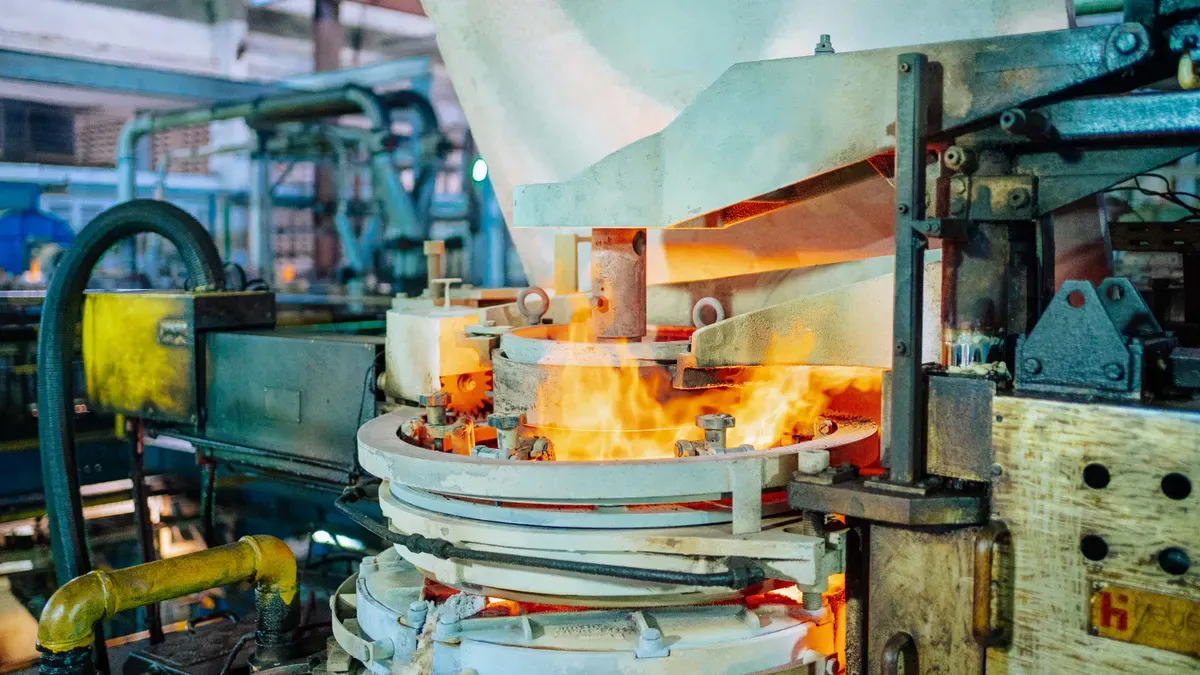
The vacuum die-casting process follows a careful order. First, the die closes. Seals on the mold keep air out. This tight seal is very important. If there is a leak, air gets in. That air turns into trapped gas during injection. Next, the vacuum system turns on. It pulls air out of the cavity through special channels. These channels connect to the vacuum valve. The valve opens to let air out. The pressure inside drops quickly. For aluminum parts, the pressure must go below 50 mbar. This near-empty space is ready for metal. Vacuum die casting needs this strict seal to work.
From Die Sealing to Metal Injection
After the system reaches the target level, the shot sleeve starts moving. Molten metal goes into the cavity through the gate. The vacuum keeps working during this fill phase. This stops air from coming back in. The metal flows smoothly because there is no backpressure from trapped gas. Thin walls fill completely. Complex shapes copy accurately. Once the cavity is full, the vacuum valve closes on its own. The moving metal's energy trips the locking mechanism. This seals the cavity and keeps pressure inside. The system then holds pressure while the metal hardens. This pressure holding step makes the part even denser. The vacuum die-casting process gives a denser, stronger part.
Critical Timing and Pressure Control
Timing is key to success in vacuum die casting. The vacuum must start before the metal is injected. It must keep going during the whole fill. Any break lets air get back into the cavity. The table below shows how vacuum die casting does this with pressure control.
Pressure Control Action (Filling Phase) | Direct Quality Outcome in Die-Cast Parts |
|---|---|
Pulling air out of the mold and shot sleeve before and during injection | Less porosity: parts are denser, stronger, and resist stress and fatigue |
Making a low-pressure space for metal to flow | Better mechanical performance: higher yield strength and stretch |
Getting rid of air resistance and turbulence during cavity fill | Cleaner surfaces: fewer marks, holes, or bubbles; fewer rejected parts |
Keeping vacuum on during the whole injection cycle | Longer tool life: lower internal pressure reduces mold wear |
The system must keep the low-pressure environment without any break. It coordinates die closing, starting vacuum, injection, and pressure holding. Operators must check seals and pressure levels all the time. Any leak ruins the whole process. The vacuum die-casting process needs precision.
Quality Gains with Vacuum-Assisted Die Casting
Vacuum die casting gives quality improvements that regular casting cannot match. The process targets the main cause of gas porosity. It removes air from the die cavity before molten metal enters. This simple step removes the main source of trapped gas in finished parts. Manufacturers see fewer rejected parts and lower scrap rates. The casting process becomes more predictable and reliable. These gains lead to real cost savings across production runs.
Eliminating Entrapped Gas Porosity
The vacuum environment stops gas from getting trapped inside the metal. Two mechanisms work together to get this result. First, the vacuum physically stops air from entering the mold cavity during pouring. This action removes the source of gas inclusions before they can form. Second, the degassed environment pulls dissolved gases from the melt. This ensures no gas porosity can develop during solidification. The vacuum also stops oxidation of the molten metal. This prevents oxide inclusions that could act as starting points for pores. The combined effect produces dense, uniform parts where material spreads evenly and fills fine structures without large pore formation.
Vacuum die casting actively pulls air and gas from the die cavity before and during injection, thereby reducing gas entrapment and the resulting gas porosity. However, shrinkage porosity comes from the volumetric contraction of the metal as it solidifies—a phenomenon that vacuum alone cannot fix. Removing shrinkage porosity requires extra measures such as pressure intensification and directional solidification techniques.
This difference matters for engineers designing critical parts. Gas porosity creates weak points that fail under pressure. Shrinkage porosity needs different solutions entirely. Designers must handle shrinkage through cooling channel placement and riser design. The benefits of vacuum die-casting focus specifically on gas-related defects. Knowing this boundary helps manufacturers set realistic expectations for the process.
Improved Mechanical Properties and Surface Finish
The lack of trapped gas produces stronger parts with better structural integrity. Test data from aluminum alloys shows this improvement clearly. The table below compares properties under atmospheric pressure versus vacuum conditions.
Property | Atmospheric pressure | Vacuum (70 mbar) | Reported increase |
|---|---|---|---|
Tensile strength | 271.6 MPa | 299.8 MPa | +10% |
Elongation | 1.66% | 2.49% | +50% |
These numbers show why manufacturers choose vacuum die casting for demanding uses. Higher tensile strength means parts handle greater loads without failure. Improved elongation shows better ductility and resistance to cracking. The benefits of vacuum die-casting go beyond raw strength. The process allows heat treatment of aluminum castings at temperatures above 400°C without blistering. This ability opens new options for post-processing. Cast parts become weldable and solderable, expanding their range of uses.
Surface quality also improves a lot. Without trapped gas pushing against the mold surface, the metal copies the cavity texture accurately. Parts come out with cleaner surfaces and fewer marks, holes, or bubbles. This better part quality reduces the need for secondary machining operations. Manufacturers save time and money on finishing steps. The look of finished parts improves as well. Customers get high-quality parts that look better and work better.
The vacuum process also lowers internal stress within the casting. Lower internal pressure during fill means less stress concentration in the final part. This reduced defects profile extends tool life as well. Molds wear less when the casting process runs smoothly. The mix of better mechanical properties, improved surface finish, and fewer defects makes vacuum die casting an attractive choice. Manufacturers making high-quality parts for critical uses find the investment worthwhile. The process gives consistent results that meet strict industry standards.
Applications and Limitations of Vacuum Die Casting
Vacuum die casting works best for parts where quality matters more than cost. It shines with components that must hold pressure or have thin walls. These parts fail when gas pockets create leaks or weak spots. The vacuum-assisted high-pressure die casting method removes those risks early.
Ideal Parts: Airtight Components and Thin-Walled Designs
Manufacturers pick vacuum die casting for parts that must stay airtight under stress. Automotive transmission housings, electric motor casings, and aerospace brackets all fit this group. These parts face constant pressure and shaking during use. Any trapped gas makes a weak spot that can break.
The process works great for thin-walled designs. Molten metal flows into narrow areas without air pushing back. This flow lets walls fill fully and evenly. The finished parts show strong strength and flexibility. They also handle welding and rivet punching without cracking.
Pressure-tight parts need careful design work. Engineers plan the gating system with care to ensure full filling. They may mix vacuum or squeeze process options with impregnation methods. A leak-test plan with an agreed test pressure forms part of the quality check. Thin-wall metal parts represent a typical use for high pressure die casting, with a minimum yearly volume of 5,000 parts.
The process features several key traits:
Both the mold and casting chamber empty during filling, using multiple independently controlled vacuum circuits for fast emptying and strong negative pressure.
A specially designed casting plunger stops leaks between the plunger and the casting.
Parts made with this process show excellent strength, flexibility, and suitability for welding and rivet punching.
The process allows heat treatment (T6, T7) and weldability, which are vital for pressure-tight and thin-walled parts.
These traits make vacuum die casting the top pick for tough industrial uses of vacuum die-casting.
Challenges in Implementation and Cost Considerations
The benefits come with real costs and technical hurdles. Tooling costs run higher than regular casting because of the sealing systems and vacuum channels. The specialized vacuum equipment adds another cost layer. These costs make the process less appealing for simple parts or low production numbers.
The process also needs careful upkeep. Seals wear out and must be replaced often. Any leak in the die or vacuum system ruins the whole casting. Operators need training to grasp the timing needs and pressure control. The process sensitivity to leaks means quality depends heavily on operator skill.
Manufacturers must also know the limits of vacuum die casting. The method fixes trapped gas porosity but not shrinkage porosity. Shrinkage porosity comes from metal shrinking during hardening. This flaw needs design fixes such as risers and cooling channels. Engineers must plan for both types of porosity when designing parts.
The cost-benefit analysis depends on the use. High-volume production of critical parts justifies the investment. Low-volume runs or non-critical parts may not benefit enough. Each manufacturer must weigh their specific needs against the added costs. The industrial uses of vacuum die-casting keep growing as quality standards tighten across industries.
Vacuum die casting fixes trapped gas by removing air from the die cavity before injection. This casting process makes denser, stronger, and more reliable parts. The vacuum process gives fewer defects, better mechanical properties, and better surface finish. Manufacturers can heat treat or weld these parts without bubbling. This quality boost makes vacuum die casting useful for airtight and thin-walled parts. Engineers should look at their casting needs carefully. For hard jobs, vacuum-assisted die casting gives a high-quality choice over regular methods. The process keeps becoming more important as industries ask for higher standards. Manufacturers who want high-quality parts with almost no trapped gas should think about this technology.
FAQ
How much does vacuum die casting add to production costs?
Vacuum die casting raises tooling costs because of seals and vacuum channels. The special equipment adds another layer of cost. But lower scrap rates and less extra work often make up for these costs. High-volume production of critical parts makes the extra cost worth it.
Which parts benefit most from vacuum die casting?
Airtight parts and thin-walled designs gain the most from this process. Transmission housings, motor casings, and aerospace brackets work well with vacuum assistance. These parts need to be pressure-tight and have strong structure. The process gives denser metal that handles stress better than regular casting.
Can vacuum die casting eliminate all types of porosity?
No. The process removes entrapped gas porosity effectively. Shrinkage porosity, which comes from metal shrinking during hardening, is a different problem. Engineers must handle shrinkage by placing cooling channels and risers. Vacuum technology alone cannot fix this second type of porosity.
What vacuum level does the process require?
Aluminum die casting needs vacuum below 50 mbar absolute pressure in the cavity before injection. This near-airless space prevents gas from becoming trapped during the fill phase. The vacuum system keeps this level throughout the entire injection cycle for consistent results.
Does vacuum die casting allow heat treatment of finished parts?
Yes. With no trapped gas inside, parts can be heat treated above 400°C without blistering. This gives new post-processing options for manufacturers. Cast parts become weldable and solderable. These options greatly expand the range of applications for vacuum-cast parts.
See Also
Understanding Shrinkage Porosity Causes in Metal Casting
Exploring Aluminum Extrusion and Die Casting Methods
Achieving Net Shape Through Die Casting Techniques
A Comprehensive Guide to Die Casting CAD Design
Implementing Efficient Waste Sorting in Die Casting Plants
About Hunan Puka

Established in 2016 and based in Hunan, China, with a liaison point in Berlin, we are a Tier 2 supplier for the automobile industry. We specialize in the production of customized aluminum die-casting parts designed for machines with a closing force ranging from 280 to 1250 tons, with subsequent manufacturing process CNC machining and surface treatment. Our commitment to quality is reflected in our accredited quality management system, certified by ISO9001:2015 and IATF16949:2016 standards.