Understanding the High Pressure Die Casting Process

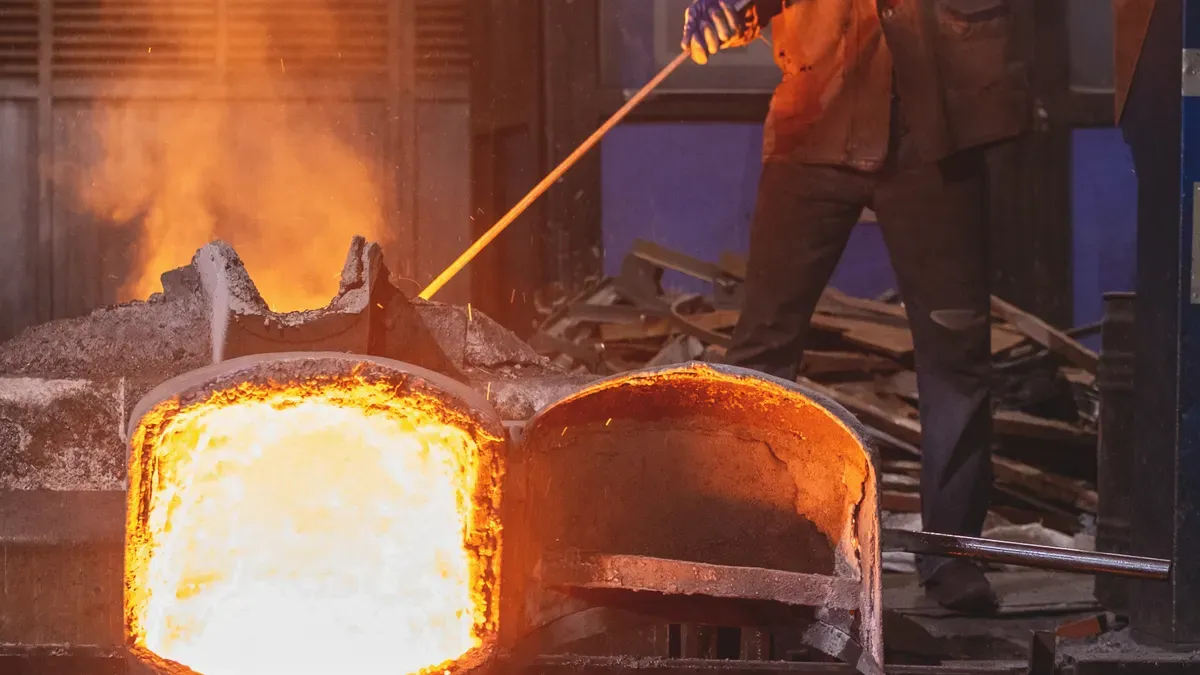
High pressure die casting (HPDC) is a way to make parts by pushing melted metal at high speed and high pressure (over 7 MPa) into a steel mold that can be used many times. Think of it as a powerful, precise injection molding machine for metals.
You can make many complex, thin-walled parts with very good accuracy and a smooth surface using this method. HPDC is a key process for industries like cars and consumer electronics. This casting method gives the same high quality for thousands of parts each day. HPDC lets you create complicated shapes that other methods cannot make at a low cost.
The High Pressure Die Casting Process: A Step-by-Step Guide
From Molten Metal to Solid Part
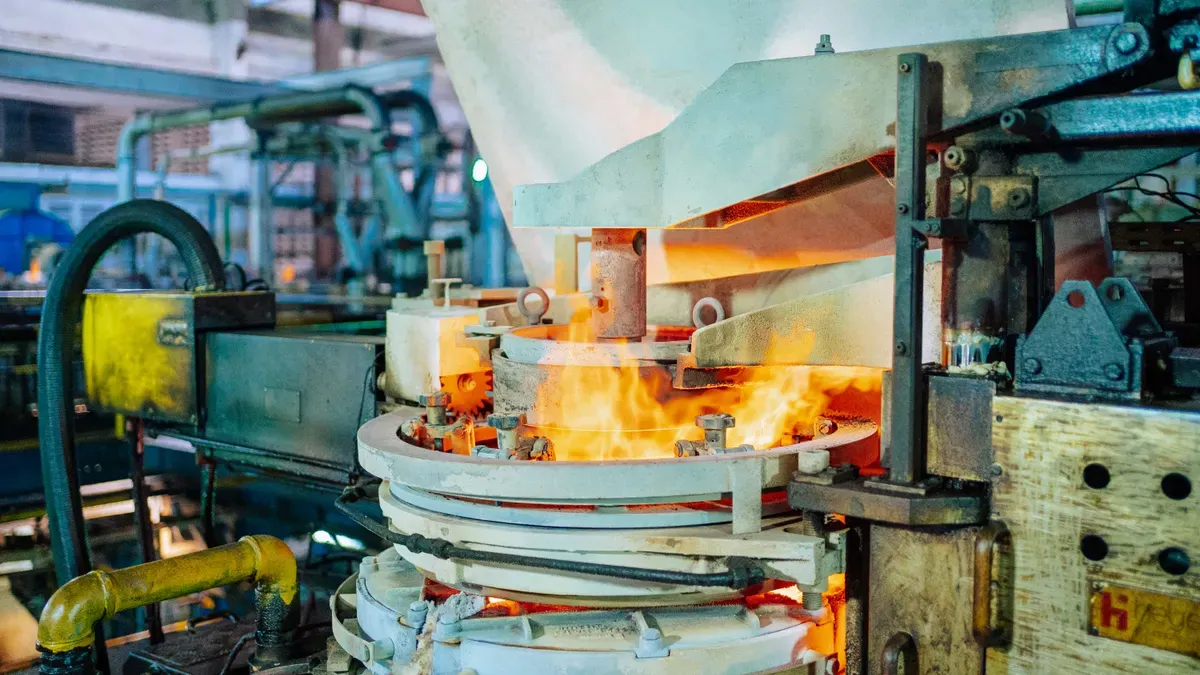
You start by melting your chosen alloy in a furnace. The liquid metal hits a set temperature before you move it to a shot sleeve, a horizontal cylinder attached to the die. A hydraulic plunger then pushes the metal forward very fast. This injection forces the liquid into the closed die cavity under extreme pressure. The die is a hardened steel tool with two halves that clamp together with huge force.
The steps happen quickly. First, you close the die and lock it tight. Second, you pour the molten alloy into the shot sleeve. Third, the plunger moves forward, pushing the metal through the runner system and into the cavity. Fourth, you keep the pressure steady while the metal hardens. Fifth, you open the die and push out the finished part. Finally, you spray lubricant on the die surfaces and blow away any debris before the next cycle starts.
This whole process runs with high automation. Robots handle the pouring, the part removal, and the die spraying. Human workers mainly watch the controls and do quality checks. The automation keeps every part you make consistent. You can run thousands of cycles with very little change in quality.
The Role of Pressure and Cycle Time
Pressure defines this whole process. The injection pressure you apply must beat the resistance of the flowing metal and fill every thin section of the cavity. Different sources report different pressure ranges for aluminum alloys. The table below shows typical values you might see.
Source | Pressure Range |
|---|---|
Sunrise Metal | |
Foseco | Up to 100 MPa (14,500 psi) |
You will notice that even the lower end of these ranges beats what sand or gravity casting can do. That pressure does more than fill the mold. It also packs the solidifying metal and cuts down internal voids.
The solidification rate plays a key role in your final part quality. When the molten metal cools fast against the steel die walls, you get a finer microstructure. This finer grain structure boosts ductility and lowers crack risk. The cooling rate directly affects the grain size, the structure, and the spread of phases within your part.
High solidification rates lead to a finer microstructure, which boosts ductility and lowers crack risk.
The cooling rate affects the microstructure of die-cast metal, such as grain size, structure, and spread.
During solidification, you apply an intensification phase. This extra pressure, ranging from 35 to 1000 bar, packs residual gases and pushes more molten metal into shrinking zones. This action makes up for volumetric contraction as the metal cools. The result is less shrinkage porosity. You can also combine vacuum removal of gas bubbles with intensification pressure. This combo further compresses residual gas and supports continuous feeding, which cuts pore volume.
Cycle time is where the hpdc process truly shines. A full cycle usually takes less than one minute. Compare that to sand casting, where you might wait hours for the mold to cool. The fast cycle time means you can make hundreds of parts per hour from a single die. This speed, plus the high pressure die casting automation, makes the process perfect for mass production. You get steady quality, fast output, and low labor costs per part. The high-pressure die casting method delivers all these benefits while keeping tight dimensional control.
Materials Suitable for the HPDC Process
In high pressure die casting, you can pick from three main alloy families: aluminum, zinc, and magnesium. Each one brings different strengths to your part design. Your choice affects the final weight, durability, and cost of the part you make.
Aluminum, Zinc, and Magnesium Alloys
Aluminum alloys lead the hpdc field. They give you a strong strength-to-weight ratio and natural corrosion resistance. You will find them in engine blocks, transmission housings, and structural frames. The trimal-05 alloy (AlSi10MnMg) shows how flexible aluminum can be. Its tensile strength changes with heat treatment, giving you design options.
Temper | Tensile Strength (MPa) |
|---|---|
F | 240-290 |
T5 | 280-320 |
T4 | 190-250 |
T6 | 290-350 |
T7 | 200-250 |
Zinc alloys, like Zamak 3, work best when you need thin walls and fine details. Zinc flows easily into tight spaces, so you can cast features that aluminum cannot reach. It also offers high ductility, meaning your part can bend a little before breaking. The elongation data for Zamak 3 shows this behavior clearly.
Elongation Type | Value |
|---|---|
Fracture Elongation | 6.3% |
Elongation at Maximum Load (Fmax) | 3% |
Magnesium stands out as the lightest structural metal available. You use it when cutting weight matters more than anything else. The density comparison below shows why magnesium wins in lightweight applications.
Material | Density (g/cc) |
|---|---|
Magnesium (AZ31B) | 1.77 |
Aluminum | 2.70 |
Magnesium is about 35% lighter than aluminum, making it a top pick for cutting vehicle weight.
Key Material Properties and Their Impact
Your material choice directly affects how the final part performs. Aluminum gives you balanced strength and thermal conductivity, which suits heat-dissipating parts like LED housings. Zinc provides excellent impact resistance and can be plated or painted easily. Magnesium offers the lowest weight but needs careful handling during casting because it reacts easily.
The casting process also changes how these materials behave. High pressure die casting creates a fine grain structure because the metal cools quickly against the steel die. This fine structure improves mechanical properties across all three alloy families. You get better ductility and higher strength compared to slower casting methods.
Think about your application's needs before picking a material. If you need maximum strength after heat treatment, aluminum with a T6 temper delivers 290-350 MPa. If you need thin walls and complex shapes, zinc's flow characteristics win. If weight is your main concern, magnesium saves you about 35% over aluminum. Each alloy serves a purpose, and the hpdc process lets you use their unique properties at scale.
High-Pressure Die Casting vs. Other Methods
Contrasting with Sand and Gravity Casting
When you compare high pressure die casting to sand casting, the first big difference is the mold. Sand casting uses molds that get broken apart after each pour. You have to make a new mold every time, which makes the cycle longer. The pressure stays low because gravity pulls the metal into the cavity. The surface comes out rough, so you often need extra machining.
Gravity casting uses permanent molds, just like HPDC. But the metal fills the mold only by gravity. There is no plunger pushing it in. This changes everything about the process. The table below shows the key differences side by side.
Parameter | HPDC | GDC |
|---|---|---|
Filling mechanism | Pressure injection (150-1200 bar) | Gravity only |
Fill time | Seconds (injection 10-100 ms) | Minutes |
Cycle time | 30-180 seconds | 2-15 minutes |
Porosity | 2-8% | 0.5-3% |
The high-pressure method uses a fast ram to inject alloy sideways in just 10-100 ms. This speed gives you very high productivity. In contrast, gravity casting relies only on gravity to fill the mold. That makes it much slower and less useful for long production runs. With HPDC, you can make hundreds of parts per hour. With gravity casting, you might only make a few.
Comparing Defect Profiles and Porosity
The pressure you use in HPDC directly affects the quality of the final part. High pressure pushes metal into every tiny detail of the die cavity. You get sharper features and thinner walls than any other method can offer. But this speed has a downside. The fast injection traps air inside the metal, which creates gas porosity. The table shows that HPDC parts usually have 2-8% porosity, while gravity casting has only 0.5-3%.
Sand casting creates different kinds of defects. The sand mold can shift during filling, which causes dimensional errors. The rough surface often needs machining to meet tight tolerances. Gravity casting gives you a cleaner internal structure because the metal fills slowly and lets gas escape. But the slower fill time limits how thin you can make the walls.
The low-pressure casting comparison article looks at these differences in more detail. The method you choose depends on what you need most. If you want high volume and fine detail, the high-pressure method is the winner. If internal soundness matters more than speed, gravity or low-pressure methods might be a better fit.
Key Advantages and Disadvantages of HPDC
The Benefits of High Volume and Precision
The high pressure die casting process is very fast. You can finish a full cycle in less than one minute. This speed means you can make hundreds of parts each hour from one die. No other casting method can match this rate. Sand casting takes hours for each mold. Gravity casting takes minutes for each part. HPDC is much faster than both.
Precision is the second big advantage of this process. The steel die keeps exact dimensions each time you use it. You get the same size every time, which other methods cannot do. Thin walls are possible because the high pressure pushes metal into every part of the cavity. You can cast walls as thin as the metal allows, so you use less material and the part weighs less. The surface is smooth and detailed. Most parts need little or no extra work before they are ready to use.
The cost gets much better when you make a lot of parts. The table below compares tooling costs for sand casting and die casting.
Tooling Type | Cost Range | Key Characteristic |
|---|---|---|
Sand Casting | $500 - $5,000 | Low entry cost, shorter lifespan |
Die Casting | $15,000 - $50,000 | High upfront investment, 100,000+ part lifespan |
The die casting tool costs more at the start. But that tool can make 100,000 parts or more. Sand casting tools wear out after about 5,000 parts. When you spread the tool cost over many parts, the cost per part goes down a lot. For high volumes, HPDC is the cheapest choice.
The Challenges of Porosity and Heat Treatment
The same speed that makes HPDC so fast also causes its biggest problem. The melted metal fills the die cavity in milliseconds. This fast injection traps air inside the metal. Those trapped air bubbles create porosity inside the part. You cannot see this porosity from the outside. It exists inside the metal structure.
Porosity limits what you can do with your parts. Heat treatment becomes risky because the trapped gas expands when heated. This expansion causes blisters on the part surface. You lose the ability to strengthen your parts through T6 or other heat treatments. Welding presents a similar problem. The porosity creates weak points that fail under stress. You cannot reliably weld HPDC parts without special precautions.
The casting process also struggles with internal cores. You cannot easily create complex internal passages or undercuts. The die must open cleanly to release the part. This limitation restricts your design options compared to other manufacturing methods.
You can reduce some porosity issues through careful process control. Vacuum-assisted die casting removes air from the cavity before injection. This technique reduces trapped gas significantly. Intensification pressure during solidification also helps compress residual gas pockets. These methods improve part quality but add complexity and cost to the process.
The trade-off comes down to your priorities. If you need maximum strength through heat treatment, you might choose a different casting method. If you need high volume, tight tolerances, and low per-part cost, HPDC delivers those benefits despite its limitations. Understanding these trade-offs helps you make the right choice for your specific application.
Ideal Applications for HPDC Parts
Dominance in the Automotive Industry
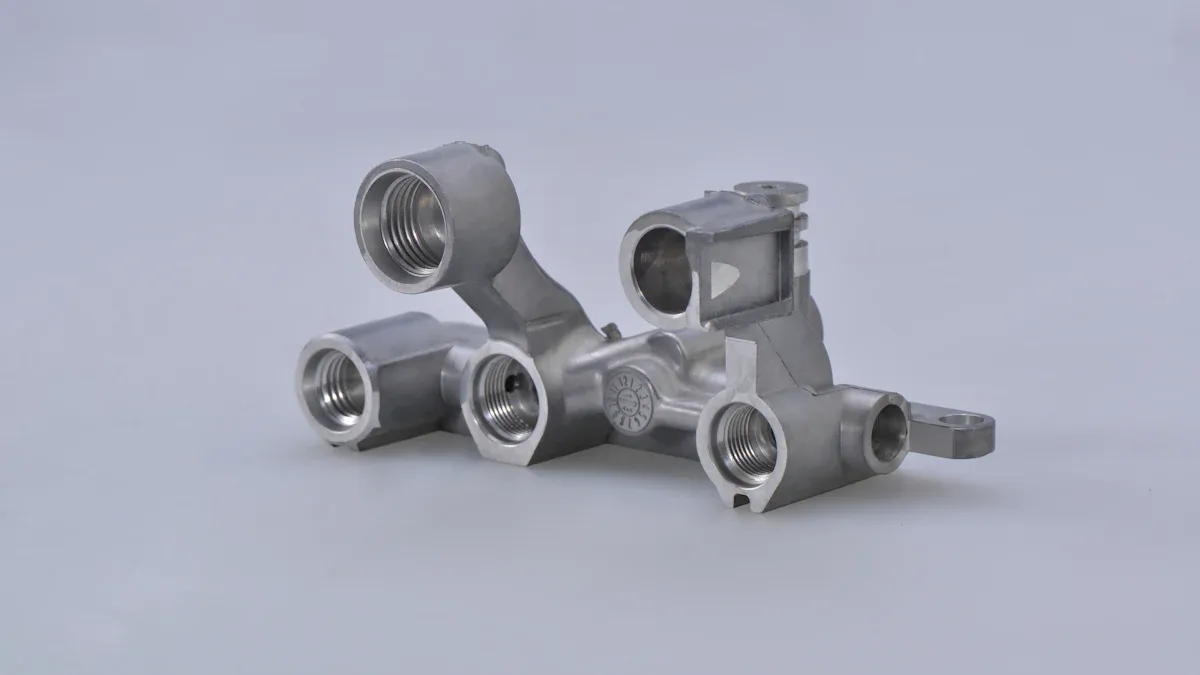
The automotive industry is the biggest user of the high pressure die casting process. You find hpdc parts in key components like engine blocks and transmission housings. These parts need tight tolerances and high strength. The process delivers both with every cycle. Structural parts such as shock towers also depend on hpdc. You get the same high quality from the first part to the last.
Electric vehicles have pushed hpdc into new areas. Battery housings are large and complex. They must protect the cells while keeping the total weight low. High pressure die casting makes these housings with thin walls and great dimensional accuracy. You can see real-world examples of these uses in our case studies. The 1250T equipment page shows how you can make large automotive parts at scale. These machines apply the high pressure needed to fill large cavities completely.
Other Mass-Produced Components
Beyond automotive, you find hpdc parts in many everyday products. Consumer electronics use this method for laptop frames and smartphone chassis. The wall thickness you can get depends on the part size. For a small housing with a surface area under 25 square centimeters, you can cast walls as thin as 0.8 millimeters. Larger parts, like a laptop frame over 400 square centimeters, usually need walls between 1.5 and 4.5 millimeters. Under great conditions, you can even reach 6 millimeters for very large parts. This ability lets you create lightweight, durable enclosures.
Power tools also gain from this casting method. The process makes housings that handle drops and vibration. Industrial equipment makers use hpdc for pump housings, valve bodies, and gearbox casings. The speed of this method keeps costs low for these high-volume production runs. You can look at more examples in our case studies to see how different industries use this technology.
High pressure die casting gives you unmatched speed and precision for making lots of parts. You can create complex, thin-walled parts with tight tolerances in less than a minute per cycle. The downside is internal porosity, which limits heat treatment and welding options.
You can pick aluminum, zinc, or magnesium alloys based on your weight and strength needs. Compared to sand and gravity casting, the hpdc process wins on cycle time and surface finish but loses on internal soundness. Tooling costs run higher upfront, yet per-part costs drop dramatically at volume.
This casting method suits parts requiring high volume, complex geometry, and tight tolerances. Ongoing alloy refinement and process control improvements continue reducing porosity, expanding heat-treatability, and securing hpdc's role in modern manufacturing.
FAQ
How long does one HPDC cycle take?
A complete cycle usually finishes in under one minute. You can produce hundreds of parts per hour from a single die. This speed makes the hpdc process ideal for mass production. No other casting method matches this rate.
Which alloys work best for high pressure die casting?
You have three main choices: aluminum, zinc, and magnesium. Aluminum offers strength and corrosion resistance. Zinc flows easily into thin walls. Magnesium provides the lightest weight. Your part's requirements determine the best fit.
Why does HPDC cost more upfront than sand casting?
The steel die costs between $15,000 and $50,000. Sand casting tools cost only $500 to $5,000. However, the die lasts for 100,000 parts or more. Sand tools wear out after about 5,000 parts. Your per-part cost drops dramatically at volume.
Can you heat treat HPDC parts?
Heat treatment poses risks because trapped gas expands when heated. This expansion creates blisters on the surface. Vacuum-assisted casting reduces trapped gas significantly. Intensification pressure also helps compress gas pockets. These methods improve heat-treatability but add complexity to the process.
See Also
Exploring The Operational Mechanisms Of Aluminum Extrusion And Die Casting
Thermal Stress Effects On Die Casting Dies And Components
A Stepwise Guide To Creating Die Casting CAD Designs
Selecting The Optimal Die Casting Closing Force For Your Product
Exploring The Benefits Of CAE Analysis In Die Casting Design
About Hunan Puka

Established in 2016 and based in Hunan, China, with a liaison point in Berlin, we are a Tier 2 supplier for the automobile industry. We specialize in the production of customized aluminum die-casting parts designed for machines with a closing force ranging from 280 to 1250 tons, with subsequent manufacturing process CNC machining and surface treatment. Our commitment to quality is reflected in our accredited quality management system, certified by ISO9001:2015 and IATF16949:2016 standards.