Understanding DFDC in Automotive and Its Importance


When you drive a modern car, you experience new technology at work. The Drive Force Distribution Controller, known as DFDC in automotive applications, manages how power is distributed to each wheel. This advanced system enhances your car's ability to maintain traction on the road, ensuring your safety during sharp turns or on slippery surfaces.
DFDC in automotive design significantly improves your car's grip on the road and stability. It contributes to a safer and smoother driving experience for you.
What Is DFDC in Automotive?
DFDC Definition and Purpose
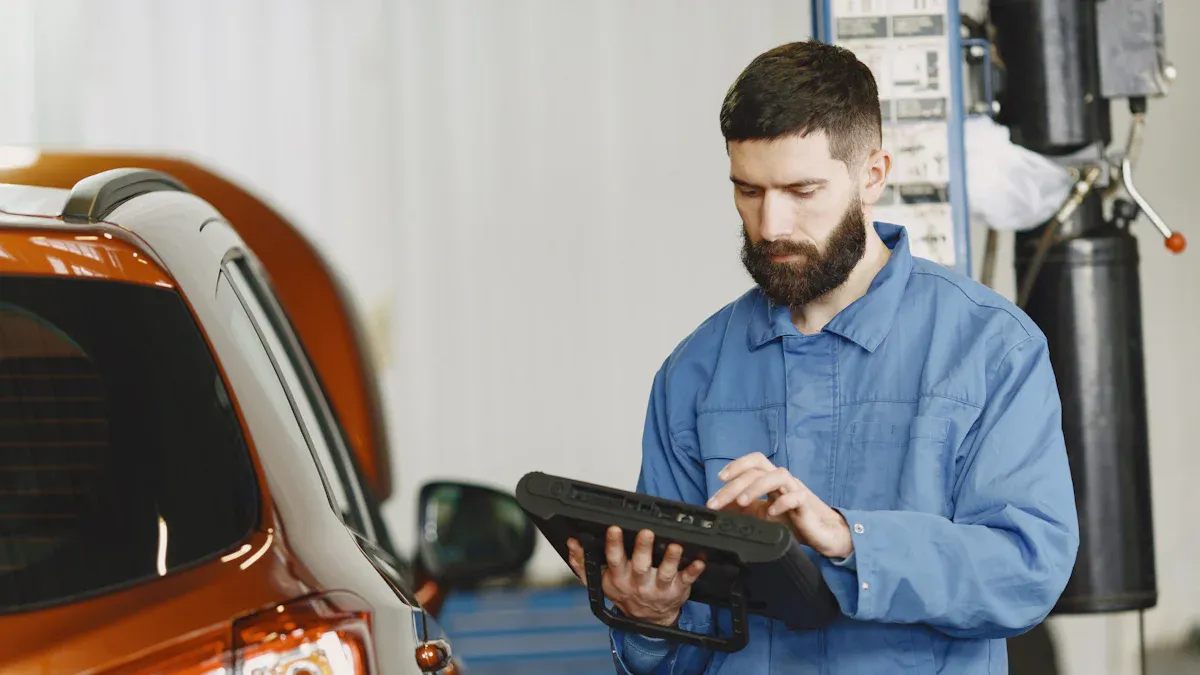
You may wonder what DFDC in automotive means. DFDC stands for Drive Force Distribution Controller. This system does not diagnose problems. Instead, it controls how your car sends power to each wheel. When you drive, the road can change quickly. Wet pavement, gravel, or sharp turns can make your car lose grip. DFDC in automotive helps your car adjust to these changes. It makes sure each wheel gets the right amount of force. This keeps your car steady and safe.
Tip: When you drive on a slippery road, DFDC can help you avoid skidding by sending more power to the wheels with better grip.
The main purpose of drive force distribution controllers is to balance the power between the wheels. If one wheel starts to slip, the system reacts fast. It reduces power to that wheel and sends more to the others. This action helps you keep control of your car. You do not need to do anything special. The system works in the background every time you drive.
Role in Modern Vehicles
Modern cars use many smart systems to keep you safe. DFDC in automotive plays a key role in this safety network. You find this technology in many all-wheel-drive and four-wheel-drive vehicles. It works with other systems like anti-lock brakes and traction control. Together, these systems help you stay in control, even in tough driving conditions.
Here is how DFDC helps you every day:
You get better traction when roads are wet or icy.
Your car stays stable during sharp turns.
You feel more confident driving in rain or snow.
Your tires wear out more evenly because the system spreads the force.
Note: Many car makers now include DFDC as a standard feature in their new models. This shows how important it is for safety and performance.
DFDC in automotive continues to grow in importance as cars become smarter. You benefit from smoother rides and safer journeys. As technology advances, you can expect even more improvements in how your car handles the road.
How DFDC Works
Key Components
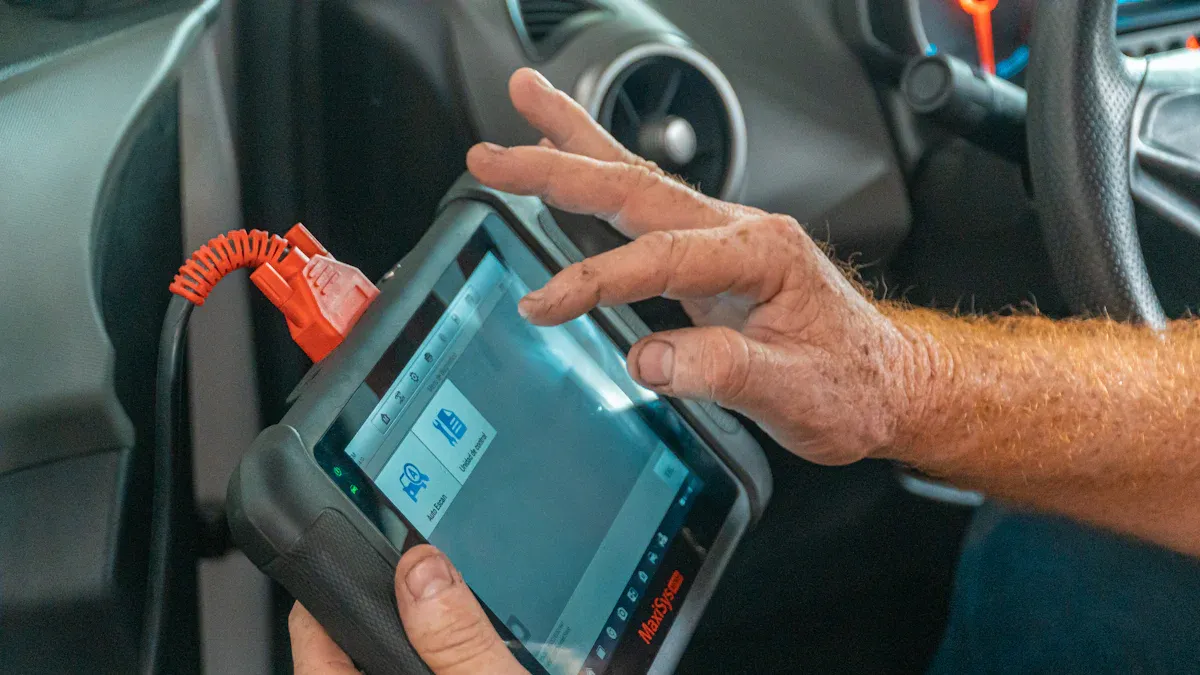
You may wonder how the Drive Force Distribution Controller does its job. DFDC uses both hardware and software to control drive force. Each part has its own job to do. The table below lists the main parts and what they do:
Component Type | Description |
|---|---|
Power supply and energy | Gives electric power to different units in the car. |
Control units and sensors | Gather and use data from many parts of your car. |
Communication interfaces | Link control units so they can share data quickly. |
Electric energy distribution | Makes sure all electronic parts get power, even in hard times. |
Signal processing and communication | Sends real-time data between sensors, control units, and actuators. |
Control systems | Use smart software to control how your car works. |
Software integration | Helps plan and improve how all electronics work together. |
Tip: These parts work as a team. They help your car react fast to changes on the road.
Drive Force Distribution Process
DFDC checks your wheels and the road all the time. Sensors send data to the control unit. If a wheel slips, the system acts right away. It gives less power to that wheel. It sends more power to the wheels with better grip. You do not have to do anything. The system keeps you safe by making these changes quickly. This helps your car stay steady, even on wet or icy roads.
You get a smoother ride because the force is spread out. Your tires last longer. You feel more in control. The drive force distribution process works quietly in the background. It makes a big difference every time you drive.
Integration with ADAS
DFDC does not work by itself. It connects with other smart systems in your car, like Advanced Driver Assistance Systems (ADAS). This teamwork lets your car use information from many places. For example, if ADAS finds a slippery road, it can tell DFDC to change the drive force before you notice.
You get help from this teamwork. Your car can react faster and keep you safer. As cars get smarter, DFDC and ADAS will work even better together. This gives you more support when you drive.
Benefits of DFDC in Automotive
Enhanced Traction and Stability
When you drive on different surfaces, you want your car to stay steady. DFDC in automotive helps your car grip the road. The system watches each wheel and sends the right amount of power. You feel safer when you turn corners or drive on wet pavement. Your car does not slide as easily. You get better control, even when the road changes quickly.
Tip: If you drive on ice or gravel, DFDC can help your car stay on track by adjusting the force sent to each wheel.
Improved Safety in Adverse Conditions
You face many challenges when the weather turns bad. Rain, snow, or mud can make roads slippery. DFDC in automotive works to keep you safe. The system reacts fast when a wheel starts to slip. It moves power away from the slipping wheel and gives it to the wheels with more grip. You avoid skidding and keep your car moving forward. This technology helps you feel confident, even during storms or on icy roads.
Here are some real-world scenarios where DFDC helps:
Heavy rain makes roads slick. DFDC keeps your car from sliding.
Snow covers the street. DFDC finds the wheels with the most grip.
Mud or gravel causes slipping. DFDC adjusts power to keep you moving.
Better Handling and Performance
You want your car to respond quickly when you steer or speed up. DFDC improves how your car handles. The system spreads power evenly, so you get smooth turns and faster reactions. Your tires wear out less because the force does not go to just one wheel. You enjoy a better driving experience every day.
Benefit | How DFDC Helps You |
|---|---|
Smoother turns | Power goes to the right wheels |
Faster response | System reacts in real time |
Longer tire life | Force spreads out evenly |
Note: Many drivers notice that their cars feel more stable and easier to control with DFDC.
Future Trends for DFDC
Technological Advancements
New technology is changing how Drive Force Distribution Controller systems work. Engineers want to make DFDC smarter and quicker. Many cars now use new tools to boost safety and how well they drive. Here are some big changes you might see:
Artificial intelligence helps DFDC make better choices fast.
IoT lets your car share data with other cars and roads.
Big data helps DFDC learn from lots of driving events.
These upgrades help your car react fast to road changes. You get a safer and smoother ride because the system knows more about your drive.
Industry Adoption
Car makers want you to have the best drive. Many companies test new DFDC systems with special projects. For example, the AI For Mobility project uses a car with a drive-by-wire kit. This setup lets engineers see how AI control works in real cars. The project also uses semi-active suspension to control how the car moves up and down. Perception sensors and machine learning help the car know what is around it. You get safer and smarter cars because of these tests.
DFDC in Next-Gen Vehicles
DFDC systems will change as electric and self-driving cars become common. The table below shows some main trends and what they mean for you:
Key Trends | Implications |
|---|---|
Makes DFDC systems more exact and reliable | |
Sustainability trends | Helps create energy-saving solutions |
Regulatory changes | Makes sure cars follow safety and emissions rules |
You will see more smart systems working together in future cars. This will help your car handle roads better and use less energy. New rules will also make sure your car is safe and good for the planet.
🚗 Tip: Look for new features in future cars. These changes will make driving safer, smarter, and save more energy.
You now understand that DFDC stands for Drive Force Distribution Controller. This system helps your car stay safe and perform well by controlling power to each wheel. DFDC makes driving smoother and safer, especially as vehicles become smarter. If you want to keep up with new DFDC technology, you can:
Learn about new trends and rules.
Use data to check what vendors say.
Compare performance and read case studies.
Look at industry reports for updates.
Stay curious about DFDC. You will see more changes in future cars.
FAQ
What does DFDC stand for in cars?
DFDC means Drive Force Distribution Controller. You find this system in many modern vehicles. It helps your car send the right amount of power to each wheel for better traction and safety.
How does DFDC help you drive in bad weather?
DFDC watches your wheels and road conditions. When you drive on rain or snow, it sends more power to wheels with better grip. You stay safer and avoid skidding.
Tip: DFDC works automatically. You do not need to adjust anything.
Can you feel DFDC working while you drive?
You may notice smoother turns and better control, especially on slippery roads. DFDC works quietly in the background. You get a safer and more stable ride.
Is DFDC only for all-wheel-drive vehicles?
You find DFDC mostly in all-wheel-drive and four-wheel-drive cars. Some advanced two-wheel-drive models also use it for better handling and safety.
Does DFDC help your tires last longer?
Yes! DFDC spreads force evenly across all wheels. Your tires wear out less quickly. You save money and enjoy a smoother drive.
See Also
Exploring QFD, FMEA, And DOE's Impact On Manufacturing Quality
The Advantages of CAE Analysis for Die Casting Design
The Importance of Fool-Proofing in Today's Manufacturing Sector
Defining Functional Testing In CNC And Die Casting Operations
Reasons Behind Automobile Suppliers Expanding Capacity For Robotics Manufacturing
About Hunan Puka

Established in 2016 and based in Hunan, China, with a liaison point in Berlin, we are a Tier 2 supplier for the automobile industry. We specialize in the production of customized aluminum die-casting parts designed for machines with a closing force ranging from 280 to 1250 tons, with subsequent manufacturing process CNC machining and surface treatment. Our commitment to quality is reflected in our accredited quality management system, certified by ISO9001:2015 and IATF16949:2016 standards.