Understanding Coolant Distribution Units and How They Work in 2026

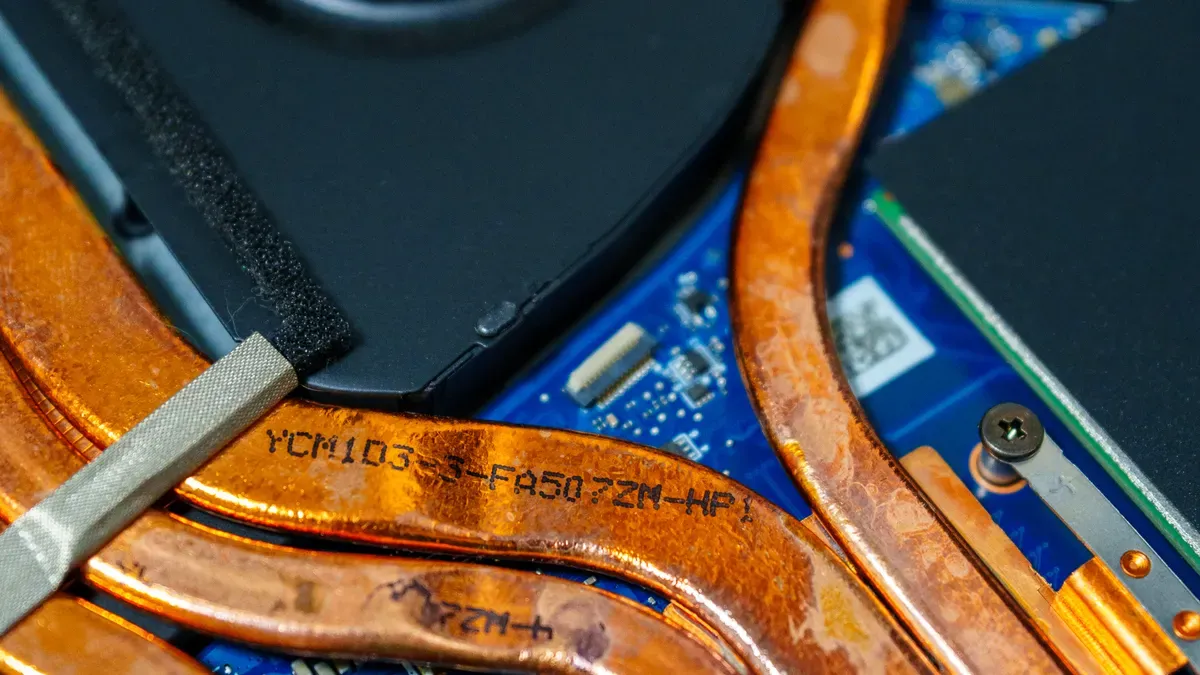
A cooling distribution unit cools busy computer systems. It connects building chillers to server racks safely. Data centers need these units for liquid cooling. Without cooling distribution units, fast computers quickly overheat. Strong Cooling distribution units help keep servers cool.
Market Research Firm | 2026 Valuation | Projected CAGR (2026–2034) |
|---|---|---|
Fortune Business Insights | USD 2.54 billion | 14.3% |
What Is a Coolant Distribution Unit (CDU)?
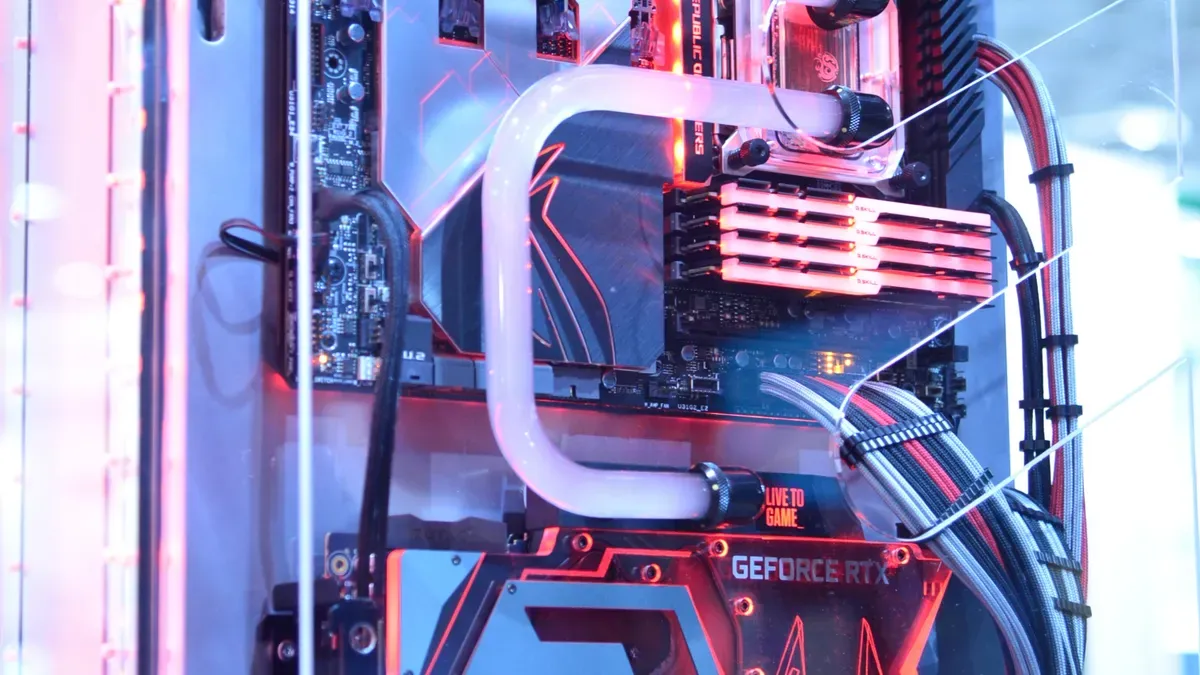
Think of this unit as a computer heart. Fast server computers make tons of heat fast. Big fans cannot cool them quick enough. You need liquid to cool these hot chips. Liquid keeps them safe from bad crashes.
A central cdu controls fluid heat everywhere. It works hard to keep gear very cold.
💡 Key Takeaway: A cdu guards costly server components. It manages liquid heat, pressure, and clean fluid.
Hydraulic Interface Between Facility and Rack
A coolant distribution unit acts like a wall. It sits between building water and server racks.
Data center teams split liquid into two zones:
System Decoupling: The unit creates a clear safe wall. It keeps dirty water away from clean circuits.
Flow and Pressure Management: Inside parts move liquid to lower high heat. This protects gear from big pipe pressure.
Heat Exchange Isolation: The fluid loops trade heat. They never mix their actual fluids.
Secondary Loop Creation: You get a safe closed circuit. It works away from main building chillers.
Parameter Control: Smart sensors adjust liquid flow speeds and pressure. They set ideal heat for IT gear.
You stop water dirt inside pricey servers. The liquids never mix together at all.
How a CDU Manages Thermal Loops
Top fast servers use two main cooling loops. The cdu sits right in the middle. It moves heat away very smoothly.
Feature / Loop | Primary Cooling Loop (FWS) | Secondary Cooling Loop (TCS) |
|---|---|---|
Function | Brings building chilled water from big towers | Moves clean coolant straight to server parts |
Scope | Outside data center building space | Inside server rack cooling path |
Interaction Mechanism | Takes heat across a central heat exchanger | Soaks up server heat for the unit |
You send chilled facility water through one loop. It goes right into the heat exchanger. Clean fluid flows through the second loop. It touches server cold plates directly. Warm fluid gives heat to cold fluid. This happens inside the main unit.
New coolant distribution units give you full control. You can change pump speeds very easily. This matches your real server workload needs.
How Heat Exchange Mechanics Work in Liquid Cooling Systems
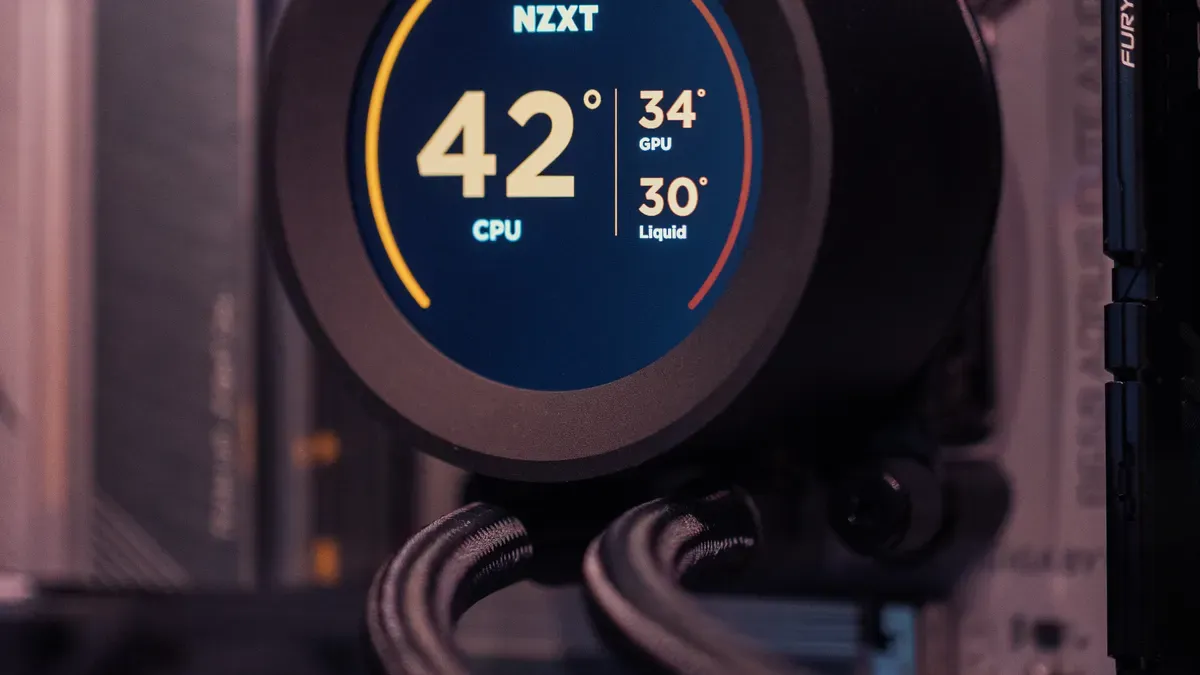
Modern data centers use smart liquid cooling systems. They remove big heat from fast chips. You must know how heat moves away safely.
Secondary Loop Fluid Circulation
Pumps inside the cdu push pure fluid. This liquid flows into secondary loop pipes. It goes right to metal cold plates. It also flows into sealed tanks. You can use direct-to-chip setups. You can also use full immersion tanks. By 2026, tech will submerge server blades. They sit in special dielectric liquid. This supports up to 150 kW racks.
⚡ Quick Fact: Clean coolant stays in the loop. It protects pricey hardware from rust and dirt.
Heat Exchanger Thermal Transfer
The main exchanger links both water loops. Metal plates keep both liquids apart. Heat moves fast through the metal walls. The liquids never mix together at all. Great plate heat exchangers work very well. They keep a tiny temperature gap. This gap is 3°C or less. It stops bad heat spikes fast.
Cooling Loop | Liquid Type | Primary Role |
|---|---|---|
Facility Loop | Treated water | Moves heat out to big chillers |
Secondary Loop | Pure water or fluid | Takes heat from server components |
Pressure and Flow Rate Regulation
You must control fluid flow inside your cdu. This keeps sensitive server chips safe. Smart pumps change speeds for real heat. Direct-to-chip setups need steady fluid flow. They use 1.0 to 2.0 liters. This rate cools every single kilowatt.
Smart Sensors: Sensors track pressure shifts inside server racks.
Automated Valves: Valves change liquid flow right away.
Active Monitoring: Good temperature control stops bad hot spots.
This smooth process keeps data centers cold.
Key Types of Cooling Distribution Units
You pick different units for your hardware layout. Each setup handles heat in a unique way.
Liquid-to-Liquid CDUs
This cdu moves heat into building water pipes. It supports modern liquid cooling setups. The unit uses a special heat exchanger. It keeps clean loop fluid separate from water. Building supply water starts around 26°C. Smart systems handle water up to 45°C.
💡 Tip: These units handle big heat loads easily. Choose this style for large computer clusters.
Liquid-to-Air CDUs
You can use these units without water lines. The system pulls heat into internal fluid. Internal radiator fans blow heat away into air.
Feature | Liquid-to-Liquid CDU | Liquid-to-Air CDU |
|---|---|---|
Heat Rejection Media | Facility water system | Room air |
Cooling Capacity | High (40–100 kW+ per rack) | Moderate (Edge racks and retrofits) |
Facility Water Needed? | Yes | No |
In-Rack vs Floor-Mounted Form Factors
You pick different physical shapes for your setup. An in-rack cdu fits in a rack. This design saves valuable floor space. Floor-standing cabinets support whole rows of gear. Rear-door options attach to enclosure backs. These choices help your data center grow well. A busy data center needs good planning. You adapt these setups as you expand.
Strategic Role of Coolant Distribution Units in High-Density Computing
Deploying Coolant Distribution Units in AI Clusters
New AI tools create big heat. Your computer centers get super hot. AI tasks need smart liquid cooling. You need strong coolant distribution units. They cool your busy server components. Match your unit to your power.
CDU Placement Type | Cooling Capacity | Target AI Workload Application |
|---|---|---|
Liquid-to-Liquid In-Rack CDU | Exceeding 135 kW | Seamless upgrade for advanced GPU/CPU AI compute racks |
Multi-Rack Liquid-to-Liquid CDU | Up to 1.5 MW | Centralized cooling for multiple high-density racks exceeding 100kW per rack |
Good cdu placement keeps racks cold. It saves space in big rooms.
Direct-to-Chip and Immersion Cooling Integration
Hook up direct-to-chip lines easily. Immersion tanks work great too. A strong cdu handles this hardware. It uses key smart features:
Dynamic Flow Management: Smart pumps change liquid speed fast. This saves power on idle servers.
Integrated Thermal Exchange: Heat exchangers cool 18 compute trays. They cool 9 switch trays too.
Operational Reliability: Backup parts and clear filters help. Sensors keep liquid moving safely.
These cool tricks run big tasks. They keep all systems running fine.
Condensation Control and Leak Mitigation
Safety stays very critical here. Keep water away from server rooms. New cooling tools protect pricey hardware. They stop all moisture harm fast. Smart systems track the room air. They keep fluids warm enough. This stops water drops on chips. Quick sensors check every small pipe. They shut valves if leaks start. Your data center stays totally safe. It works without any real breaks.
New cdu machines separate fluids safely. They adjust loop pressure easily. They clear huge rack heat fast. You pick water or air styles. This fits your facility setup best.
Using smart liquid cooling brings big wins:
Targeted PUE scores drop below 1.2.
Total power use falls up to 40%.
Next AI gear pushes chip power higher. Choosing ideal cdu setups guards hardware today. Good cdu tools prepare centers cleanly. They handle growing heat needs well.
FAQ
What is the main purpose of coolant distribution units?
You use coolant distribution units. They keep building water away. They protect sensitive IT gear. These systems control fluid heat. They also control fluid pressure. They stop bad water dirt. They keep dense hardware cool.
Why do you need a cdu in modern facilities?
💡 Key Insight: A cdu controls fluid flow speeds. It cools very hot server racks. It guards valuable processors. It stops sudden heat spikes. The system keeps loops apart. This prevents bad leaks. It protects your computer groups.
How does liquid cooling improve power efficiency?
Liquid cooling removes heat fast. It works faster than air fans. You cut total power use. This helps lower site costs. It also meets green goals.
Can you install cooling distribution units in existing facilities?
Yes, you can add them. They fit old setups easily. Liquid-to-air models work without water lines. They bring liquid cooling inside racks.
How does a unit protect a data center from fluid damage?
Smart sensors spot tiny leaks fast. You get quick warnings early. Fluid never touches delicate circuits. Automatic valves shut right away. This stops liquid flow fast. It keeps data centers safe.
See Also
Boosting Electric Vehicle Battery Lifespan Through Advanced Thermal Management
Exploring Automated Die Casting Islands And Their Inner Working Mechanics
A Complete Walkthrough For Masterful Die Casting CAD Design
Analyzing The Effects Of Thermal Stress On Die Casting Tooling
Why DFDC Is Essential For Modern Automotive Manufacturing Processes
About Hunan Puka

Established in 2016 and based in Hunan, China, with a liaison point in Berlin, we are a Tier 2 supplier for the automobile industry. We specialize in the production of customized aluminum die-casting parts designed for machines with a closing force ranging from 280 to 1250 tons, with subsequent manufacturing process CNC machining and surface treatment. Our commitment to quality is reflected in our accredited quality management system, certified by ISO9001:2015 and IATF16949:2016 standards.