Tooling Maintenance Strategy for Long-life Die Casting Molds

If you want your die casting molds to last longer, you need a good Tooling Maintenance Strategy. You should check your molds often and do regular maintenance. This helps keep your molds working well. Problems like die soldering, corrosion, and thermal cracking can happen. These problems often come when release agents have too much water or when molds get hot and cold a lot. You can stop these problems by using better mold design and picking the right materials. You should also control the temperature and use surface treatments. Proper lubrication helps too. It is important to track how your molds work by using data.
Tooling Maintenance Strategy Overview
A strong Tooling Maintenance Strategy helps your die casting molds work well. You can make molds last longer if you follow a good plan. This plan should include regular care, smart design, and checking how the molds work. You need to look at each step to find ways to stop problems before they start.
Preventive Maintenance Essentials
It is better to do preventive maintenance than wait for things to break. Preventive maintenance means you check and clean molds before big problems show up. This helps you see small cracks or buildup early. You can fix these issues before they get worse and cost more.
Here are the main parts of a good Tooling Maintenance Strategy:
Strategic Tool Design: Design molds to keep heat even and let metal move well. This helps stop stress and wear.
Premium Material Selection: Use strong tool steels. These last longer and do not get damaged easily.
Advanced Thermal Management: Add cooling systems to molds. These stop overheating and help prevent cracks.
Specialized Surface Coatings and Treatments: Put coatings like PVD on the mold. This protects the surface from wearing out.
Proactive Preventive Maintenance: Clean and check molds often. This helps you find problems early.
Data-Driven Monitoring and Predictive Analytics: Use sensors and data tools to watch mold health. These tools can warn you before something breaks.
Tip: Preventive maintenance can lower repair costs by half. It also helps your production run without stops.
Scheduling and Inspection Intervals
You need a clear schedule to check and clean your molds. If you wait until something breaks, you will spend more money and lose time. A good schedule tells you when to check, clean, and fix each mold.
Maintenance Approach | Cost Implications |
|---|---|
Reactive Maintenance | Higher costs because things break often and need fixing. |
Preventive Maintenance | Fewer repairs needed, so costs go down and work gets done faster. |
Set inspection times based on how much you use each mold. For example, check molds you use a lot every week. Check molds you use less every month. You can also use sensor data to change your schedule. If a sensor shows high heat or more cycles, check that mold sooner.
A good Tooling Maintenance Strategy gives you control over your work. You can stop sudden breakdowns and keep molds working longer. This saves money and helps you make good parts on time.
Mold Design and DFM Principles
Optimizing Geometry for Durability
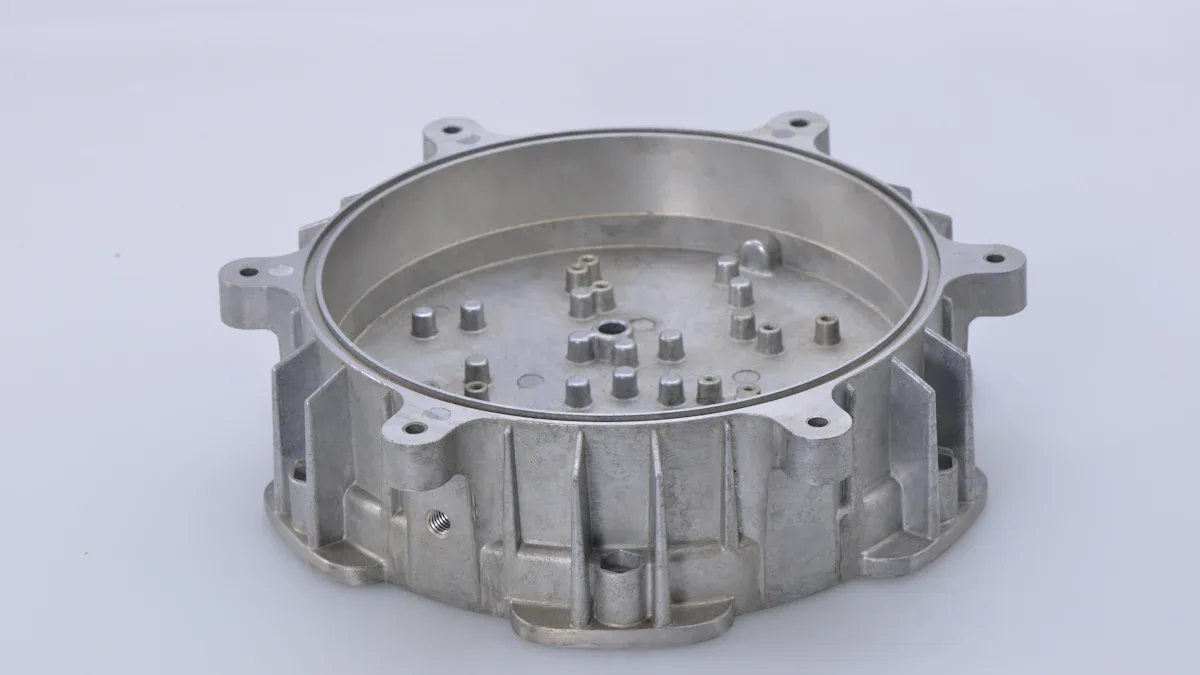
You can help your die casting molds last longer by using the right shapes. Good mold shapes help stop problems like cracks and porosity. Hyundai WIA made their molds better by changing the shape. This made their gearboxes stronger and had fewer defects. You can also add more material in some places. This makes the product tougher and lowers the number of bad parts.
Good shapes lower the chance of defects like porosity.
Better casting quality means parts can take more stress.
Adding material in important spots cuts down on scrap and makes things last longer.
Tip: Try out different shapes with simulation tools before making the mold. This helps you pick the best design for a long-lasting mold.
Incorporating Wear-resistant Features
You should add things that protect your mold from wearing out. Design for manufacturability (DFM) principles help you do this. These rules help you make molds that last longer and work better. The table below lists some top DFM ideas and what they do:
Evidence Description | Key Benefit |
|---|---|
Advanced cooling structures designed to temper critical zones of the mold. | Lowers heat and helps the mold last much longer. |
New material and machine technology enables free-form cooling structures. | Lowers hot spots and gives more mold options and longer life. |
Scalable PBF-LB/M machine allows for economical production of conformal cooling molds. | Makes molds last much longer than regular molds. |
You can use special cooling channels to keep the mold at the right temperature. This stops hot spots and helps keep cracks away. New machines let you make cooling paths that fit the mold shape. These paths cool the mold evenly and help it last longer.
When you use these design steps, you help your Tooling Maintenance Strategy. You get fewer breakdowns and better parts from your die casting process.
Material Selection
High-performance Alloys
You have to pick the right alloys for your die casting molds. High-performance alloys help molds last longer and work better. Each alloy has special features for different uses. The table below lists some common alloys and what they are good for:
Alloy | Key Properties | Applications | Lifespan Considerations |
|---|---|---|---|
A356 | Excellent castability, moderate-to-high strength, exceptional corrosion resistance | Automotive wheels, aerospace components | Not specified in the source |
A380 | Good mechanical strength, versatile castability, dimensional stability | Automotive housings, electronic enclosures | Not specified in the source |
6061 | High strength, excellent toughness, outstanding machinability | High-stress components, precision equipment | Not specified in the source |
5083 | Marine-grade corrosion resistance, high ductility | Marine applications, extreme environments | Not specified in the source |
Each alloy is best for certain parts. For example, A356 does not rust easily, so it is good for car wheels. 6061 is very strong, so it works for tough jobs. Picking the right alloy helps molds handle heat and stress. This choice helps your Tooling Maintenance Strategy by making molds last longer and need fewer fixes.
Tip: Always choose the alloy that fits your job. This helps you avoid trouble and keeps molds working well.
Compatibility with Casting Metals
You need to think about how your mold materials work with the metals you use. Good compatibility helps molds last longer and makes better products. Here are some important things to remember:
The right materials help molds last longer and resist heat.
Mold materials affect how good and exact your parts are. Bad materials can cause defects.
Good materials help you work faster and stop delays.
The best materials help you save money by making molds last longer and cutting waste.
Materials that match well stop problems during molding and help you get good results.
Picking materials that last longer helps the environment because you do not need to replace them often.
If you pick materials that match your casting metals, you stop wear and lower the chance of cracks. You also make your work smoother and save money. This step helps you get better results and keeps molds in good shape for more cycles.
Thermal Management
Temperature Control Techniques
You need to control the temperature of your die casting molds to keep them working well. Good temperature control helps you avoid cracks and other problems. You can use several proven techniques to manage heat and improve mold life:
Active cooling systems lower the cooling time. This means you can make more parts in less time and boost your productivity.
Cooling sand molds with water can cut cooling time by 30%. This helps you finish jobs faster and keeps molds from getting too hot.
Active cooling gives you better control over how the metal solidifies. You get higher-quality castings and reduce leftover stress in the mold.
Tip: When you use active cooling, you help your molds last longer and make better parts. You also save time and money.
You should check your cooling systems often. Clean the channels and look for blockages. If you keep the cooling system in good shape, you stop heat from building up and causing damage.
Preventing Thermal Fatigue
Thermal fatigue happens when your molds heat up and cool down many times. This can cause cracks and shorten mold life. You can stop this problem by using special coatings and good temperature control.
Recent research shows that CVD diamond coatings work very well for die casting molds. These coatings protect the mold surface from reacting with hot aluminum. They also make the mold stronger in high temperatures. When you use CVD diamond coatings, you prevent thermal fatigue and help your molds last much longer.
You should also avoid sudden changes in temperature. Warm up your molds slowly before starting production. Let them cool down in a controlled way after use. This simple step helps you avoid cracks and keeps your molds in top shape.
Note: Using the right coatings and careful temperature control gives you better results and longer mold life.
Surface Treatments and Coatings
Protective Coatings
You can make your die casting molds last much longer by using the right protective coatings. These coatings form a shield on the mold surface. They help stop wear, reduce sticking, and protect against high temperatures. When you pick the best coating, you give your molds a better chance to survive tough production cycles.
Some coatings have shown great results in real factories:
The AlCrN/Si₃N₄ nanocomposite coating gives your molds a strong mix of hardness and toughness. It sticks well to the mold and resists both heat and oxidation. This coating also helps prevent soldering, which means less metal sticks to your mold. Many companies have seen their molds last much longer with this coating.
The TiN coating stands out for its long-lasting power. Molds with this coating can handle up to 15,000 shots before you see any drop in surface quality. This means you can run your molds longer without stopping for repairs.
Tip: You should always match the coating to your casting process. The right choice can save you time and money.
Soldering and Erosion Prevention
Soldering and erosion can damage your molds quickly. Soldering happens when molten metal sticks to the mold. Erosion wears away the mold surface over time. Both problems can lead to defects in your cast parts.
You can fight these issues with smart surface treatments:
Use coatings that resist high temperatures and chemical attack. These coatings stop metal from sticking and slow down wear.
Keep your molds clean and free from buildup. Regular cleaning removes any stuck metal before it causes more damage.
Apply release agents correctly. These agents help metal flow smoothly and keep the mold surface safe.
Problem | Solution | Benefit |
|---|---|---|
Soldering | Use anti-soldering coatings | Fewer stuck parts |
Erosion | Apply erosion-resistant layers | Longer mold lifespan |
When you use these methods, you protect your molds from early failure. You get better parts and spend less on repairs.
Lubrication and Release Agents
Reducing Wear and Tear
You can make your die casting molds last longer by using the right lubricants. Lubricants form a protective layer on the mold surface. This layer stops soldering and helps you release castings more easily. Less friction means you finish each production cycle faster. You also spend less time fixing problems, which boosts your productivity and keeps your molds in good shape.
Plunger lubricants play a special role in protecting the plunger tip and sleeve. These lubricants reduce wear and help these parts work longer. You do not need to replace them as often. Plunger lubricants also create a seal that keeps molten metal from leaking. This seal prevents mechanical failures and stops extra wear from happening.
Tip: Use the right lubricant for each part of your mold. This simple step helps you avoid costly repairs and keeps your production line running smoothly.
Best Practices for Application
You need to follow smart steps when you apply release agents. Good habits help you get the most out of your molds and keep your parts looking great.
Use proper application techniques for release agents. This helps you get the best results.
Do not use too much release agent. Too much can make your parts oily or slippery.
Clean the mold cavity often. This stops release agent build-up, which can hurt heat transfer and part quality.
Watch for build-up. Release agent build-up can change how heat moves through the mold and affect the size and look of your parts.
Keep up with regular maintenance. Cleaning and checking your molds helps you keep quality high and avoid downtime.
Regular cleaning and careful application of release agents help you make better parts and keep your molds working longer. You save money and avoid problems with your production.
Data-driven Monitoring
Real-time Tracking
You can use real-time tracking to watch your die casting molds all the time. This helps you find problems before they get worse. Many factories use smart tools to keep molds working well. These tools check things like temperature and wear. You get alerts if something changes. This lets you fix problems fast and avoid long stops.
Here is a table that lists some top technologies for real-time tracking:
Technology Name | Description |
|---|---|
LevMon | LevMon helps you watch molds closely. You can lower defects and make steel better. |
Mold Expert | Mold Expert gives updates about mold health. You spot problems early and keep casting smooth. |
Mold Expert Fiber | Mold Expert Fiber checks temperature with great detail. You stop breakouts and control the process better. |
Mold Checker | Mold Checker uses 3D laser scans. You can guess mold wear and plan fixes to keep everyone safe. |
These tools make your job easier. You get better results and keep molds in good shape.
Predictive Maintenance
Predictive maintenance helps you plan repairs before things break. You use sensor data to see how your molds are doing. This lets you fix small problems early. You save time and money because you do not wait for big breakdowns.
CytroConnect checks hydraulic systems. It looks at pressure, temperature, and flow. You see signs of trouble early and fix them before work stops.
Sinto’s Industry 4.0 ePVS system tracks every move and event. You can spot failures before they happen. You get info that helps you keep production running and avoid downtime.
You can add these systems to your Tooling Maintenance Strategy. You get more control over your molds and keep your factory working well. You make better parts and spend less on repairs.
Tip: Using data-driven monitoring helps your molds last longer and keeps your production line moving.
Cleaning and Inspection Procedures
Shift-based Cleaning
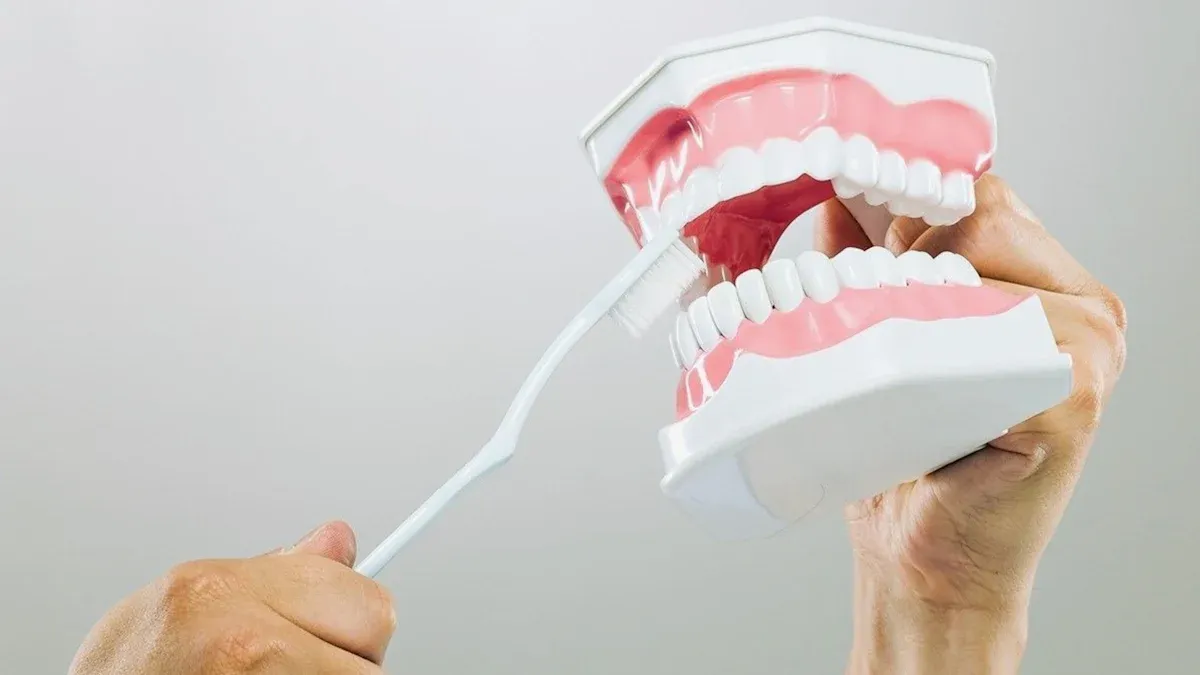
You should clean your die casting molds after every production shift. This habit keeps your molds in top shape and helps you spot early signs of wear. Cleaning at the right time removes buildup and prevents defects in your cast parts.
Follow these steps for effective shift-based cleaning:
Apply Die-Casting Mould Cleaner to the mold. Use a hard brush or a cotton cloth for best results.
Make sure the mold has a slight residual heat, around 90°C (194°F). This temperature helps the cleaner work better.
After cleaning, blow out the mold with compressed air. This step removes any leftover cleaner and debris.
Tip: Regular cleaning after each shift helps you avoid bigger problems later. You also keep your molds ready for the next run.
Cycle-based Teardown and Inspection
You need to plan deeper inspections based on how many cycles your mold completes. This approach helps you catch hidden issues before they cause failures.
After every 10,000 cycles, remove the mold from the machine. Inspect all surfaces for cracks, wear, or buildup. Address any problems right away.
Every 50,000 cycles, perform a full teardown. Disassemble the mold completely. Polish all surfaces and check for damage. Replace worn parts if needed.
Inspection Interval | Action Required | Purpose |
|---|---|---|
10,000 cycles | Remove and inspect | Find early signs of wear |
50,000 cycles | Full teardown and polish | Restore mold and extend life |
By following these cleaning and inspection steps, you keep your molds running longer. You also improve part quality and reduce downtime.
Workforce Training
Operator Education
You are important for keeping die casting molds in good shape. Training helps you find problems early and use the right steps. Many companies now use online classes to teach workers. One well-known class is the Mold Checker Online Training. This class uses videos and lessons you can click through. It shows you how to measure and check molds. You learn about safety rules and how to get ready for measuring. The class teaches you how to use the Mold Checker tool. You also learn how to look at the results and fix simple problems.
Feature | Details |
|---|---|
Course Name | Mold Checker Online Training for Continuous Casting Measurement |
Description | This is a video class that shows how to use Mold Checker for mold maintenance. |
Target Group | Maintenance engineers, process operators, foremen, and people who work with molds. |
Course Outline | Safety rules, getting ready to measure, starting Mold Checker, measuring, looking at molds, checking results, fixing and caring for molds. |
Location | Online |
Availability | Three months |
Price per person | 349 EUR |
You can also take classes from groups like DORST Academy. They give lessons that help you learn the best ways to care for molds. These classes teach you real skills you need at work.
DORST Academy gives training for better ways to make things.
You learn how to keep molds working longer and make fewer mistakes.
Classes teach both easy and hard topics for all skill levels.
Good training helps you stay safe and keeps your molds working longer.
Continuous Improvement Culture
You can make your maintenance plan better by always trying to improve. This means you always look for ways to do things better. When you and your team share ideas, you find new ways to fix problems and save time.
You find problems faster when everyone works together.
Being open helps you see what is happening in your work.
Using data helps you make smart choices for mold care.
When you focus on getting better, you help your company stay ahead. You keep molds in good shape and make better parts every day.
Remember: A team that learns together keeps everything running well.
You can make your die casting molds last longer if you follow a good maintenance plan. Begin by checking your molds often and fixing small problems early. Pick strong materials and use special coatings to protect them. Watch how your molds are doing by using data tools. Teach your team what to do and keep making your process better.
If you make your maintenance plan better, you will have fewer stops and spend less money. Good molds help you make better parts and keep your work going smoothly.
FAQ
How often should you inspect your die casting molds?
You should inspect your molds after every shift and do a deeper check every 10,000 cycles. This routine helps you catch problems early and keeps your molds in good shape.
What is the best way to prevent mold cracking?
Warm up your molds slowly before use. Keep the temperature steady during casting. Use coatings that protect against heat. These steps help you stop cracks from forming.
Which lubricant works best for die casting molds?
You should use lubricants made for high temperatures. Plunger lubricants protect moving parts. Release agents help parts come out easily. Always follow the manufacturer’s guide for the best results.
Why does data-driven monitoring matter for mold maintenance?
Benefit | Result |
|---|---|
Early problem alerts | Less downtime |
Real-time tracking | Better mold lifespan |
You can spot issues fast and plan repairs before big failures happen.
See Also
How to Effectively Evaluate Die Casting Molds Pre-Production
Key Elements That Affect Die Cast Mold Pricing
Understanding Functional Testing in CNC and Die Casting
Exploring Advantages of CAE Analysis for Die Casting
Why the 1250T Die Casting Machine Suits Big Projects
About Hunan Puka

Established in 2016 and based in Hunan, China, with a liaison point in Berlin, we are a Tier 2 supplier for the automobile industry. We specialize in the production of customized aluminum die-casting parts designed for machines with a closing force ranging from 280 to 1250 tons, with subsequent manufacturing process CNC machining and surface treatment. Our commitment to quality is reflected in our accredited quality management system, certified by ISO9001:2015 and IATF16949:2016 standards.