How Tier-2 Suppliers Can Meet Tier-1 Quality Standards

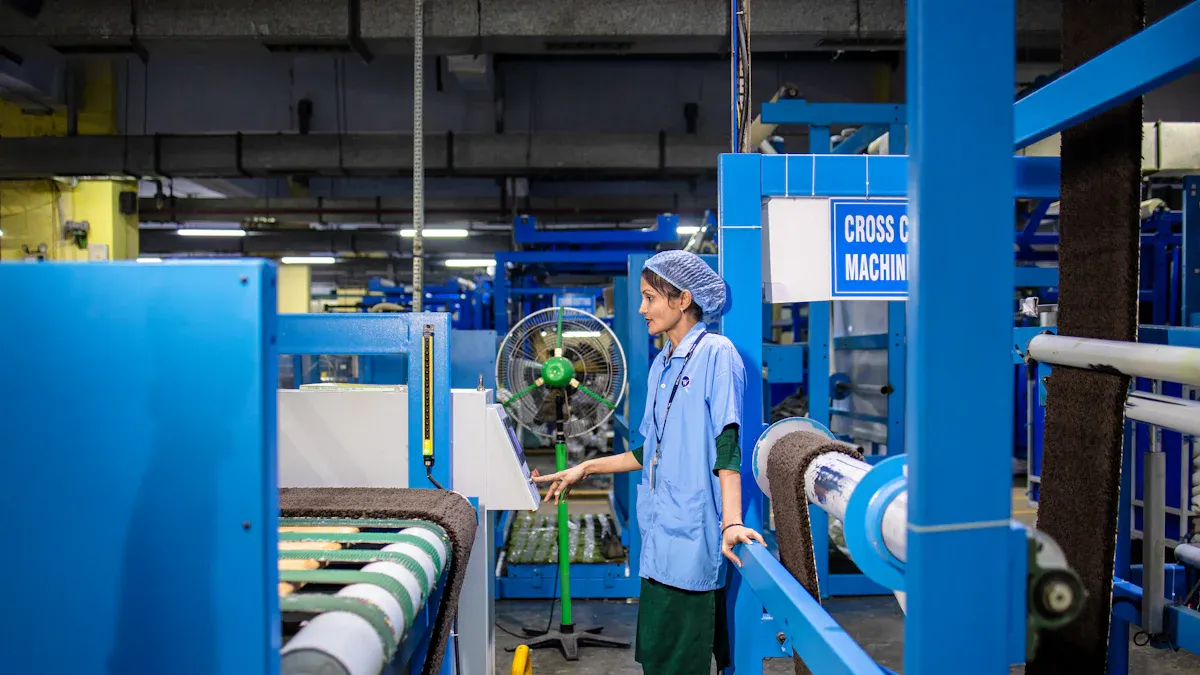
You can reach Tier-1 quality standards by having good quality control. It is important to talk clearly with your team. Many Tier-2 Suppliers have problems like following rules, too much paperwork, and late deliveries. They also have trouble talking with others in the supply chain. Training your workers helps a lot. Using new technology is also helpful. Always try to get better at what you do. Begin with simple steps and stay positive to meet higher quality goals.
Tier-2 Suppliers and Quality Expectations
Tier-1 Standards Overview
You need to understand what Tier-1 quality standards mean. These standards set the bar high for everyone in the supply chain. Many Tier-1 companies follow international rules to make sure their products are safe and reliable. Two important standards are ISO 9001 and IATF 16949:2016.
ISO 9001 is a global standard for quality management. It helps you improve your work and meet what customers want.
This standard shows you how to build, use, and keep a strong quality management system.
IATF 16949:2016 builds on ISO 9001:2015. It adds extra rules for car makers and their suppliers.
This standard focuses on meeting special needs in the car industry.
If you want to work with Tier-1 companies, you must know these standards. They help you make better products and avoid mistakes.
Impact on Final Product
When you follow Tier-1 standards, you help make the final product better. Every part you make matters. If you miss a step or use the wrong material, the whole product can fail. You play a big role in the supply chain. Your work affects safety, cost, and how happy customers feel.
Tip: Always check your work and keep good records. This helps you find problems early and fix them fast.
Tier-2 Suppliers who meet these standards build trust with Tier-1 companies. You show that you care about quality. This can lead to more business and stronger partnerships. When you aim for high standards, you help everyone succeed.
Building a Quality-First Culture

Leadership Commitment
Leaders show how important quality is. When leaders care about quality, others do too. People should feel safe to talk about problems. If someone sees an issue, they should say something fast. Fixing problems early stops them from getting worse. Leaders must make sure everyone can speak up. This helps find and fix mistakes quickly.
If people are not scared, they report problems fast.
Talking openly helps solve issues quickly.
Big mistakes usually happen because of bad systems, not workers. You should fix your processes instead of blaming people.
Tip: Have meetings often so everyone can share ideas. Listen to your team and use their feedback.
When leaders act the right way, the team learns from them. Everyone knows that quality is important for all. Trust grows, and people care more about their work. This helps Tier-2 Suppliers do better and make good products.
Tier-2 Suppliers: Training and Development
You need to teach your team about Tier-1 quality standards. Training helps workers know what they should do. You can use different programs to teach new skills. Many Tier-2 Suppliers do better when they train workers and use new technology.
A German Tier-2 supplier changed by using automatic inspections.
The company made a clear system for checking products.
Workers learned to use new tools and follow new steps.
The company got fewer complaints and made better products.
Note: Start with easy training sessions. Teach your team how to find problems and use quality tools. Later, add harder programs as you need them.
Training and development make your team strong. Workers feel important and learn new things. Your company makes fewer mistakes and gets better every day. This helps Tier-2 Suppliers become trusted partners for Tier-1 companies.
Quality Management Systems
Quality management systems help you reach Tier-1 standards. You need a strong system to control your work and make better products. Many Tier-2 suppliers use these systems to show they care about quality and safety.
Adopting Industry Frameworks
You can pick from different frameworks to help with quality. The most common one is ISO 9001. This standard works for any company that makes things or gives services. It helps you check your suppliers and improve your supply chain. Many Tier-2 suppliers also use IATF 16949 if they work with car makers.
ISO 9001 is the most used international standard for quality management.
It works for all companies, including Tier-2 suppliers.
Checking suppliers is a big part of ISO 9001, which helps you make your supply chain better.
Certified systems for environment and safety help you get good scores during checks.
Doing well in quality, logistics, and sustainability helps you become a top supplier.
Tip: Certified frameworks like ISO 9001 and IATF 16949 give you a strong base for checks and making things better.
Here is a quick look at how these frameworks help you:
Framework | Benefit for Tier-2 Suppliers |
|---|---|
IATF 16949 | Makes sure you meet car industry quality rules and stay in the supply chain. |
ISO 9001 | Helps you get better at quality and fit into other systems easily. |
Rules from the government also shape your quality work. You must set up ways to follow these rules. This keeps your products safe and working well.
Implementation Steps
You need a clear plan to put your quality system in place. Follow these steps to get started:
Get ready and set a date for your audit. Decide your goals.
Pick your audit rules. Choose the standards that fit your business.
Make an audit plan and checklist. List what you need to check.
Have a meeting to explain your goals and process to your team.
Do the audit. Use your checklist to look at your work.
Write a report. Record what you find in a simple way.
Talk about the results. Discuss what went well and what needs fixing.
Make changes and check if they work.
Note: Process audits help you see where you can do better. They also help you match international standards.
When you follow these steps, you build a strong quality system. You show Tier-1 companies that you meet their standards and care about safety and performance.
Process Control and Documentation

Standardization Practices
You need strong standardization to keep quality high. When you update your quality systems, you show you care. You cannot let someone else handle your quality. You must test your products and keep good records.
Update your quality systems to match new standards.
Take charge of testing and keeping records.
Use a set way to check suppliers and find risks early.
Be open and build strong partnerships.
Make full reports to look at how you are doing.
Use these reports to start making things better.
Find supply chain risks early to keep quality safe.
Make smart buying choices to save money.
If you do these things, your work becomes more reliable. Your team will know what to do and how to do it every time.
Tip: Check your processes often to find problems before they get big.
Traceability and Records
You need good traceability to track products and fix problems fast. Many companies cannot see past their Tier-1 suppliers. This makes it hard to manage risks in big supply chains. Traceability lets you see where products come from and how they move. You can manage supplies better and act fast if something goes wrong.
Evidence | Explanation |
|---|---|
Standardized procedures | You make sure every job is done the same way, so quality stays steady. |
Compliance with standards | Written steps help you follow rules and avoid mistakes. |
Continuous improvement | Good records help you watch and improve your work over time. |
You should track batch numbers, times, supplier names, and certifications. This helps you follow laws and keep your supply chain strong. With clear records, you can stop orders or change your process fast if you find a problem.
Note: Traceability helps your partners trust you and helps you meet customer and legal needs.
Supplier Collaboration and Improvement
Communication Channels
You need good communication to work well with Tier-1 suppliers. Clear messages help you stop mistakes and fix problems fast. Many companies do better by using real-time chat tools. These tools let you share news and ask questions right away. Talking early about quality standards helps everyone know what to do before work starts.
Tip: Try video calls, instant messages, and shared dashboards to keep everyone updated.
Some things can make teamwork slow. Many suppliers do not want to share their data. Some work alone and do not link their systems. Almost 40% of companies say not working together is a big problem. You can fix this by being open and building trust with your partners.
Audits and Feedback
Regular audits help you find ways to get better. You should ask Tier-1 suppliers to check your work. Feedback from these checks helps you make changes and reach higher standards. When you listen to feedback, you show you want to improve.
Here is how feedback helps you get better:
Aspect | Description |
|---|---|
Environmental Guidelines | Tier-1 suppliers set rules for the environment. You must follow these to stay in the supply chain. |
Compliance | Following laws and rules helps you get better and avoid trouble. |
Water Consumption Targets | You get clear goals to use less water and work smarter. |
Communication | Direct messages from Tier-1 suppliers help you know what to fix and how to improve. |
You can also share your wins with others. This makes a good place to work and helps everyone learn new things.
Technology for Quality Monitoring
You can use new technology to watch quality as it happens. IoT sensors send machine data to your computer. AI tools look at this data and spot problems before they grow. Digital twins let you see your process and find ways to fix slowdowns.
Technology | Description |
|---|---|
IoT Technologies | Sensors on machines send live data so you can spot issues fast. |
AI Algorithms | These tools study your data and warn you about possible problems. |
Digital Twin | You get a digital copy of your process to check for drops in performance and fix them quickly. |
Many Tier-2 Suppliers have seen big gains with these tools. You can find errors four months sooner. You can start sharing data in five weeks instead of months. You may save millions and use fewer resources to check strange cases.
Improvement Metric | Result |
|---|---|
Earlier detection of errors | 4 months (on average) |
Time from kick-off to data exchange | 5 weeks (instead of several months) |
Potential cost savings | Low single-digit million range possible |
Resource savings on suspicious cases | Narrowed down considerably |
Note: When you use audits, feedback, and technology together, you build a strong system for always getting better.
You can meet Tier-1 quality standards by having strong quality systems. Good communication and teamwork are also important. Use supplier scorecards to watch progress and find risks early. Work with Tier-1 partners to share ideas and fix problems quickly. Companies that work together grow more and spend less money. Some suppliers, like Ford and Koller Kunststofftechnik, got better quality and saved money by using new tools and working as a team.
Case Study | Key Outcomes | Metrics |
|---|---|---|
Ford, Flex, Micron | Lower costs, reduced emissions | 46% PCF Value Reduction |
Koller Kunststofftechnik | Faster production, less energy | 51% Faster OEE, 15% less energy |
Build strong partnerships and focus on quality now to help your company succeed for a long time.
FAQ
What is the first step to improve quality as a Tier-2 supplier?
You should start by learning Tier-1 standards. Teach your team about these rules. Set clear goals for quality. Begin with small changes and check your progress often.
How can you track quality issues quickly?
You can use digital tools to watch your process. IoT sensors and simple checklists help you find problems fast. Keep records for every batch. This lets you fix mistakes before they grow.
Why does communication with Tier-1 suppliers matter?
Good communication helps you avoid errors. You share updates and solve problems faster. Use video calls or shared dashboards. This builds trust and helps you meet quality goals.
What training helps your team meet Tier-1 standards?
You can use short training sessions on quality tools. Teach your team how to spot mistakes. Show them how to use new machines. Regular practice helps everyone improve.
See Also
Essential Methods for Inspecting Surface Treatment Quality Control
Grasping the Concept of Acceptable Quality Limits in QC
A Comprehensive Guide to Establishing Quality Control Circles
Decoding PPM Requirements for IATF 16949 Certification
Tips for Choosing the Right Measuring Tools in QC
About Hunan Puka

Established in 2016 and based in Hunan, China, with a liaison point in Berlin, we are a Tier 2 supplier for the automobile industry. We specialize in the production of customized aluminum die-casting parts designed for machines with a closing force ranging from 280 to 1250 tons, with subsequent manufacturing process CNC machining and surface treatment. Our commitment to quality is reflected in our accredited quality management system, certified by ISO9001:2015 and IATF16949:2016 standards.