What Are the Three Electronic Systems in New Energy Vehicles

Every new energy vehicle relies on three electronic system in new energy. These three electronic system in new energy are the power battery, drive motor, and electronic control system. The power battery supplies energy to the car, while the drive motor uses this energy to move the vehicle. The electronic control system ensures that all these components work together efficiently. Collectively, these are known as the three electronic system in new energy. When examining electric vehicles, it’s clear how the three electronic system in new energy contribute to both performance and safety.
The world is rapidly adopting new energy vehicles. Here’s a look at new energy vehicle sales by country:
Country | Units Sold |
|---|---|
China | 396,300 |
USA | 101,200 |
Germany | 64,200 |
UK | 30,600 |
France | 30,200 |
Norway | 19,200 |
Italy | 13,200 |
Canada | 13,000 |
UAE | 2,310 |

Understanding the three electronic system in new energy is essential, as these systems play a key role in shaping the future of electric vehicles.
Power Battery System in New Energy Vehicles
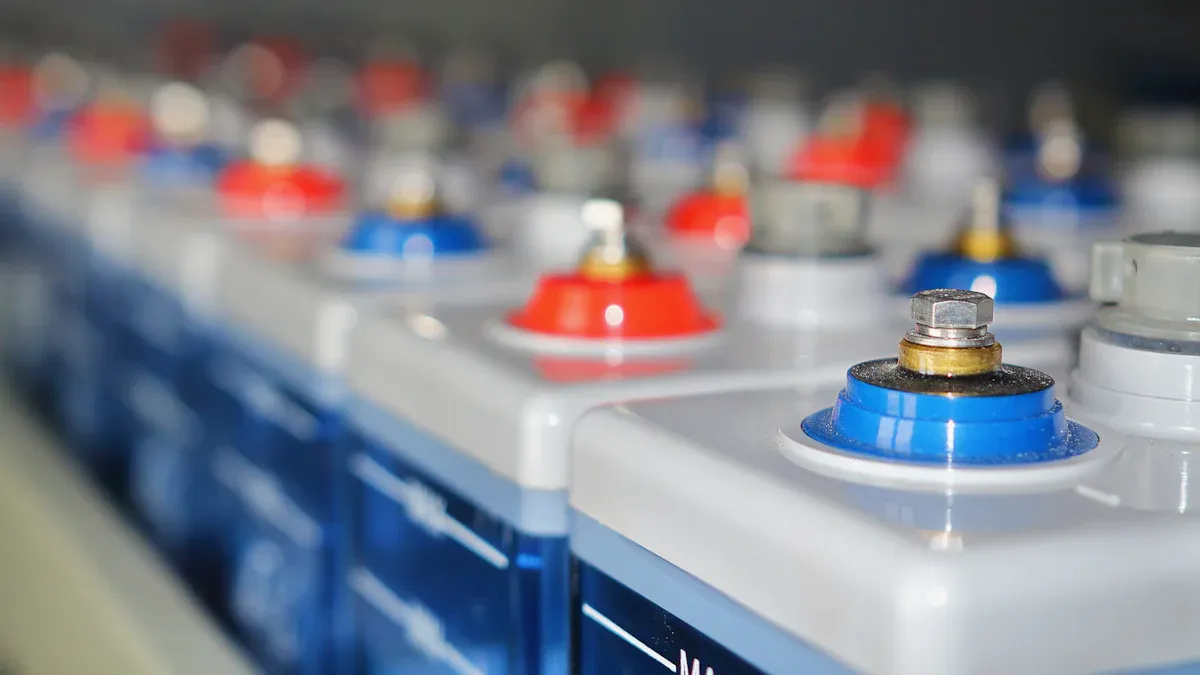
Power Battery Overview
The power battery is like the heart of a new energy car. It holds the energy that makes the car move. Most electric cars use lithium-ion batteries. These batteries last a long time and store lots of energy. Some cars use nickel-metal hydride or lithium iron phosphate batteries instead. Here are the main types:
Battery Type | Characteristics |
|---|---|
Nickel-Metal Hydride (NiMH) | Decent energy and safe, but not as strong as Li-ion. Not used as much now. |
Lithium-ion (Li-ion) | Stores lots of energy and lasts long. Comes in different types like NMC and LFP. |
Lithium Iron Phosphate (LiFePO4) | Very safe and stable. Lasts long and does not overheat easily. |
Solid-State Batteries | May store more energy and be safer. Still being tested for use in cars. |
Sodium-ion Batteries | Still being worked on. Might be cheaper and use easy-to-find materials. |
Graphene Batteries | New kind of battery. Can store more energy and charge faster than Li-ion. |
Some high-end cars, like certain Teslas, use nickel-manganese-cobalt batteries. Cheaper cars often use lithium iron phosphate batteries.
Battery Management System Components
The battery management system keeps the battery safe and working right. It has a few key jobs:
It checks how much energy is left in the battery.
It makes sure all the cells work together and stops damage.
It warns you if there is a problem.
This system also controls the battery’s temperature. It stops the battery from getting too hot. It keeps the voltage even in every cell. This helps the battery last longer.
Battery System Function
The battery system does more than just hold energy. It has:
A pack made of many small battery cells
The battery management system for safety and control
A charging system to add energy back in
Wires and connectors to link everything together
The battery system is like a gas tank in a regular car. How far you can drive depends on the battery’s size and how much energy it holds. Bigger batteries let you go farther. Good cooling and management systems help the car work better.
Battery System Role in Electric Vehicles
The battery system helps the car go far and stay safe. It gives the power needed to drive and lets you travel more miles on one charge. The energy management system checks the battery’s heat, voltage, and current. This stops the battery from getting too hot or shorting out. The battery management system keeps the battery cool and balanced. This protects your car and makes it work well.
Tip: A strong battery system helps you drive farther and keeps you safer.
Drive Motor System in Electric Vehicles
Drive Motor Overview
The drive motor is like the car’s muscles. It takes energy from the battery and makes the car move. New energy vehicles use different kinds of motors. Some cars have asynchronous motors. These motors make power using electromagnetic induction. Other cars use permanent magnet synchronous motors. These motors use magnets to make a magnetic field. Both types give smooth and direct power. You do not need to shift gears with them. Brushless DC motors are also used a lot. These motors are quiet and do not need much care.
Motor Type | Features |
|---|---|
AC Induction Motor | Good for strong power |
Permanent Magnet | High efficiency, small |
Brushless DC | Quiet, needs little care |
Main Motor Components
The drive motor system has many important parts. The electric motor uses energy to move the car. The inverter changes DC power from the battery into AC power. The gearbox helps control how fast and strong the car moves. Cooling systems stop the motor from getting too hot. All these parts work together. They help the car run smoothly and safely.
Motor Function and Operation
The battery gives energy to start the system. The inverter takes this energy and sends it to the motor. The motor spins and turns the wheels. This makes the car move forward. Power electronics, like inverters and converters, change the energy for the motor. The Motor Control Unit gives the motor the right amount of power. This helps the car go the speed you want. The system gives instant torque. This means the car can speed up fast and drive smoothly.
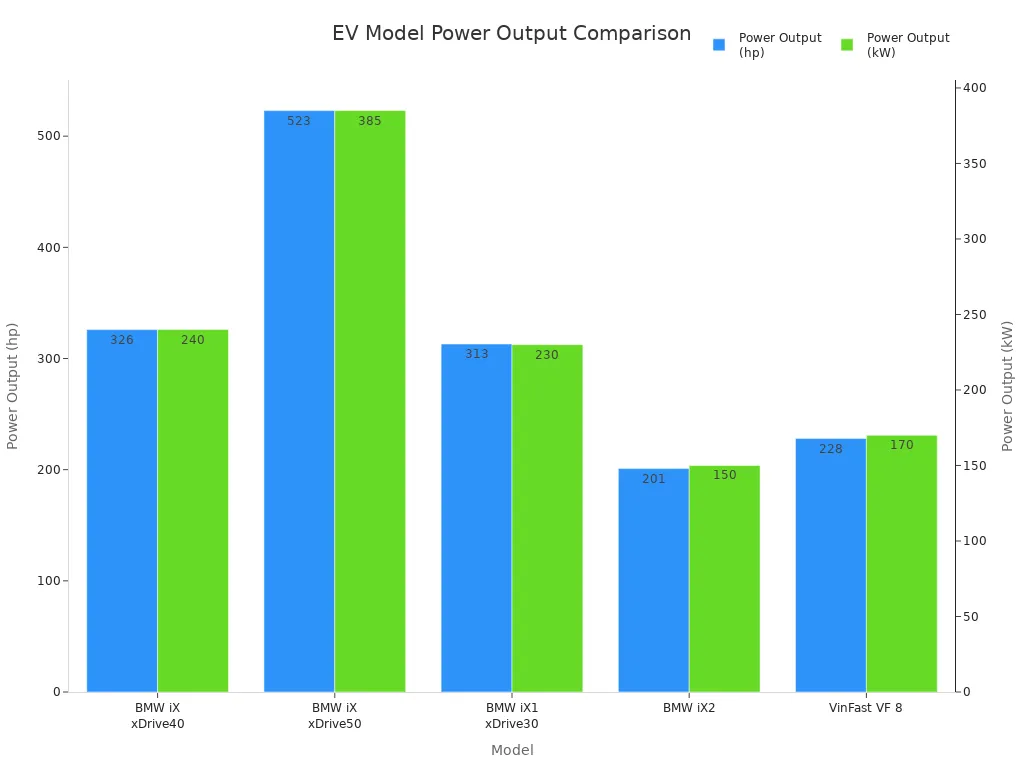
Motor Role in New Energy Vehicles
The drive motor system is important for how the car feels. It helps the car speed up quickly. The car can go fast without changing gears. The motor’s design changes how much power and speed you get. Permanent magnet motors are very efficient and strong. Induction motors are tough and cost less. New technology, like magnet-less motors, makes motors smoother and better. Smart control systems help save energy and improve performance. This means you get a better drive and use less energy each time.
Tip: The drive motor system helps your car go faster, use less energy, and stay reliable for many years.
Electronic Control System in New Energy Vehicles
Electronic Control Overview
The electronic control system is like your car’s brain. It manages how the car uses energy. It also listens to what you do. When you press the gas or brake, it gets your message. Then it tells other parts what to do. This helps your car run smooth and safe every time.
Key Control Components
The electronic control system has many important parts. These parts work together to help the car:
Battery pack: Holds the energy your car needs.
Electric motor: Changes energy into movement.
Inverter: Makes battery power work for the motor.
Charging port: Lets you plug in and charge.
Thermal management system: Keeps things cool or warm.
Onboard charger: Controls how the car charges up.
Vehicle control unit (VCU): Manages energy, speed, and stopping.
The controller, like the motor controller unit, is very important. It makes sure each part works at the right time.
Control System Function
The electronic control system does many jobs for your car. Here are some main things it does:
It controls speed and torque when you press the pedal.
It shares energy between the battery and motor.
It keeps the battery from getting too hot or too full.
It uses power electronics to switch energy fast and safe.
It talks to other systems in your car.
Function | Description |
|---|---|
Controls speed and torque | Changes power when you press the pedal. |
Shares energy with battery and motor. | |
Protects battery | Watches heat and charge to stop problems. |
Uses power electronics | Switches energy quickly and safely. |
Communicates with systems | Works with other parts for smooth driving. |
Control System Importance for Safety
Your safety depends on the electronic control system. The motor controller unit checks speed and torque. It also finds problems and protects the system. The battery management system checks the battery’s health. It sends warnings if something is wrong. If there is a problem, it tells the vehicle control unit. The vehicle control unit can lower power or turn on protection mode. This fast action helps stop damage and keeps you safe.
Tip: The electronic control system always checks your car, so you can drive safely.
Three Electronic System Integration
System Interaction
You can see how new energy vehicles work when their electronic systems connect. The power battery, drive motor, and electronic control system all help your car run better. The Electric Vehicle Energy Management System controls how energy moves between these parts. This system helps your car go farther, use energy well, and stay safe. The battery management system checks the battery and keeps it safe. Power electronics change energy for the motor and help with braking that saves energy. The electronic control unit turns DC into AC and controls speed and power.
The battery management system checks battery health and heat.
It stops the battery from charging too much or too little.
It helps the battery last longer.
Power electronics change DC energy from the battery to AC for the motor.
The system controls voltage for other car parts.
It helps save energy when speeding up and braking.
You get help from smart energy management. The EV Energy Management System controls energy between the battery, motor, and other parts. This system cuts down on wasted energy and makes your car work better. You can drive more miles on one charge and stay safer.
Impact on Performance and Safety
When the electric systems work together, your car works better and is safer. The main technology in new energy vehicles makes transportation cleaner. Smarter traffic systems and less traffic jams happen. Lower emissions help the planet. Better battery checks and heat control keep your car safe.
Autonomous fleets follow strict rules and have good maintenance systems. These rules set standards for the industry. You see better care in EV service. Safety and performance are checked and improved often.
Tip: When electric systems work together, you get steady power, better car performance, and safer driving every day.
The main technology in new energy vehicles is the base for electric systems. You rely on these systems for strong power and smooth driving. Their teamwork helps your car perform well and keeps you safe on the road.
You need three main electronic systems in every new energy vehicle. The power battery keeps energy for the car. The drive motor uses this energy to move the car. The electronic control system makes sure everything works right. These systems change how your car drives and how safe you are.
The battery is like the heart. It stores energy for driving.
The motor is like muscles. It helps the car move smoothly.
The electronic control system is like the brain. It makes all parts work together.
New battery technology will make cars better. Charging stations are getting faster and smarter. Communication systems help your car talk to other things. All these changes will make driving easier and more fun. If you want to know about electric cars in the future, learn how these three systems work together.
FAQ
What is the power battery system in new energy vehicles?
The power battery system stores energy for your car. It helps you drive farther on one charge. It also keeps your car safe by watching heat and voltage.
How does the drive motor system work?
The drive motor system changes stored energy into movement. It gives your car quick torque and smooth starts. You do not need gears to speed up.
Why is the electronic control system important?
The electronic control system manages how energy moves in your car. It checks the battery’s health and controls speed. It also stops the car from getting too hot.
What does the motor control system do?
The motor control system changes how much power the motor gets. It helps your car react fast when you press the pedal. It also makes driving smoother.
Can these systems improve vehicle safety?
These systems work together to keep you safe. They check the battery, control the motor, and manage energy. This teamwork helps stop accidents and protects you.
See Also
Improving Electric Vehicle Battery Longevity Through Thermal Management
The Significance of DFDC in the Automotive Industry
Innovative Developments in Lightweight Vehicle Bracket Design
Boosting Engineering Efficiency with Quick Response Techniques
Die Casting's Role in Advancing the Robotics Industry
About Hunan Puka

Established in 2016 and based in Hunan, China, with a liaison point in Berlin, we are a Tier 2 supplier for the automobile industry. We specialize in the production of customized aluminum die-casting parts designed for machines with a closing force ranging from 280 to 1250 tons, with subsequent manufacturing process CNC machining and surface treatment. Our commitment to quality is reflected in our accredited quality management system, certified by ISO9001:2015 and IATF16949:2016 standards.