8 Thin Wall Die Casting Challenges and How to Overcome Them


You face unique obstacles when working with thin wall die casting. Every step can bring problems that affect quality and efficiency. You need to spot these issues early and know how to fix them. When you understand both the challenges and their solutions, you make better parts and waste less time. Look for practical advice that you can use right away.
Key Takeaways
Keep wall thickness the same to stop weak spots. Make designs even and check die temperature often for good results.
Stop incomplete filling by changing metal and mold temperatures. Use faster injection speed and more pressure for better flow.
Lower porosity by making sure vents work well and use vacuum systems. Clean vents often so trapped air can get out.
Make dies last longer by using strong materials and coatings. Do regular maintenance to find wear early and make quality better.
Make cooling channels better to keep temperature even. Design channels carefully to stop defects and make parts better.
Wall Thickness Control in Thin Wall Die Casting

Causes of Thickness Variation
You need to keep wall thickness uniform in thin wall die casting. If you do not control thickness, you risk weak spots and defects. Thin sections can cool faster than thick ones. This difference causes uneven shrinkage and warping. Sometimes, metal does not flow well into narrow spaces. You may see gaps or incomplete filling. Tool wear also changes the shape of the die over time. Even small changes can lead to big problems in thin wall parts.
Tip: Watch for changes in die temperature. Hot spots can make some areas thinner than others.
You can achieve wall thicknesses of less than 1 mm in aluminum thin wall die casting. Some parts reach a target thickness of 0.8 mm. These thin sections need careful control during every step.
Design and Process Solutions
You can solve thickness problems with smart design and process choices. First, design your part with even wall thickness. Avoid sharp changes in thickness. Smooth transitions help metal flow better. Use simulation tools to check how metal fills the die. These tools show you where problems might happen.
Place cooling channels close to thin sections. This keeps temperature steady.
Use high injection speeds to push metal into tight spaces.
Choose die materials that resist wear. This keeps the shape accurate for longer.
You should check your die often for wear. Replace or repair worn parts before defects appear. Adjust process settings like temperature and pressure to match your part’s needs. When you control these factors, you make stronger and more reliable thin wall die casting parts.
Incomplete Filling of Thin Sections
Filling Challenges
You often see incomplete filling in thin wall die casting when you try to make very thin parts. The metal may not reach every corner of the mold. This problem can happen for several reasons:
The alloy may not melt well. If the metal is not hot enough, it starts to harden before it fills the mold.
The mold temperature may be too low. Cold molds make the metal cool and solidify too soon.
If you do not use enough force to push the metal, it cannot flow into all the thin spaces.
Sometimes, the die walls are too cold. This stops the spray agent from working well, so the metal sticks and does not fill the mold.
Tip: Always check both the metal and mold temperatures before you start a new run. Keeping them balanced helps you avoid incomplete filling.
Optimizing Injection Parameters
You can fix incomplete filling by changing how you inject the metal. Start by raising the temperature of both the alloy and the mold. Hotter metal flows better and fills thin sections more easily. Make sure the mold is warm enough so the metal does not cool too fast.
Increase the injection speed and pressure. When you push the metal faster and harder, it can reach every part of the mold. Adjust the spray agent, but remember that more spray does not always help if the die is too cold.
Here is a simple checklist to help you:
Set the alloy temperature high enough for good flow.
Preheat the mold to the right temperature.
Use enough injection force to fill thin areas.
Check the spray agent and make sure it covers the die walls.
You can solve many filling problems by watching these settings. When you control the process, you make better thin wall die casting parts with fewer defects.
Porosity and Air Entrapment
Causes of Porosity
You may notice small holes or bubbles inside your cast parts. These defects are called porosity. Porosity weakens your parts and can cause leaks or cracks. In thin wall die casting, porosity often happens when air gets trapped in the molten metal. Fast metal flow can pull air into the mold. If the metal cools too quickly, the air cannot escape. Sometimes, moisture or oil on the die surface turns into gas. This gas forms bubbles inside the metal.
Note: Porosity can hide inside the part. You may not see it until you cut or test the part.
You can spot porosity by looking for rough spots or weak areas. X-ray inspection also helps you find hidden air pockets. If you see a lot of porosity, you need to check your process right away.
Venting and Vacuum Solutions
You can reduce porosity by letting trapped air escape. Good venting is key. Place vents at the far ends of the mold. These vents give air a path out of the cavity. Keep vents clean and free of blockages. Even a small clog can trap air.
Vacuum systems help you remove air before the metal enters the mold. When you use a vacuum, you pull air out and lower the pressure inside the die. This makes it easier for metal to fill every space without trapping bubbles.
Here is a quick checklist to fight porosity:
Check and clean all vents before each run.
Use a vacuum system if possible.
Dry the die and remove oil or moisture.
Watch injection speed to avoid pulling in air.
You can make stronger, leak-free parts by controlling air and gas in your process. Thin wall die casting needs careful venting and vacuum use to keep porosity low.
Die Wear and Tool Life
Rapid Wear Factors
You face fast die wear when you work with thin wall die casting. High pressure and speed push molten metal against the die surface. This action causes friction and heat. Over time, the die surface breaks down. You may see cracks, erosion, or even small pieces chipping away. Sharp corners and thin sections increase stress on the die. If you use abrasive alloys, the wear gets worse. Poor cooling also leads to thermal fatigue. The die expands and contracts with each cycle. This movement weakens the die and shortens its life.
Tip: Watch for early signs of wear. Small cracks or rough spots can grow quickly if you ignore them.
You should track the number of cycles each die runs. Dies that make thin wall parts often wear out faster than those used for thicker sections.
Material and Coating Solutions
You can slow die wear by choosing the right materials and coatings. Use tool steels with high hardness and toughness. These steels resist cracking and erosion. Some die makers use H13 or similar grades for better performance. You can also add surface treatments to protect the die. Nitriding and PVD coatings form a hard layer on the die surface. This layer reduces friction and blocks heat.
Here is a table to help you compare common die materials and coatings:
Die Material | Wear Resistance | Common Coating | Benefit |
|---|---|---|---|
H13 Tool Steel | High | Nitriding | Hard surface, less wear |
Maraging Steel | Very High | PVD (TiN, CrN) | Blocks heat, resists cracks |
Standard Steel | Medium | None | Lower cost, less durable |
You should also keep the die clean and cool. Regular maintenance helps you spot problems early. Replace worn parts before they fail. When you use strong materials and protective coatings, you extend tool life and improve the quality of thin wall die casting.
Thermal Management and Cooling
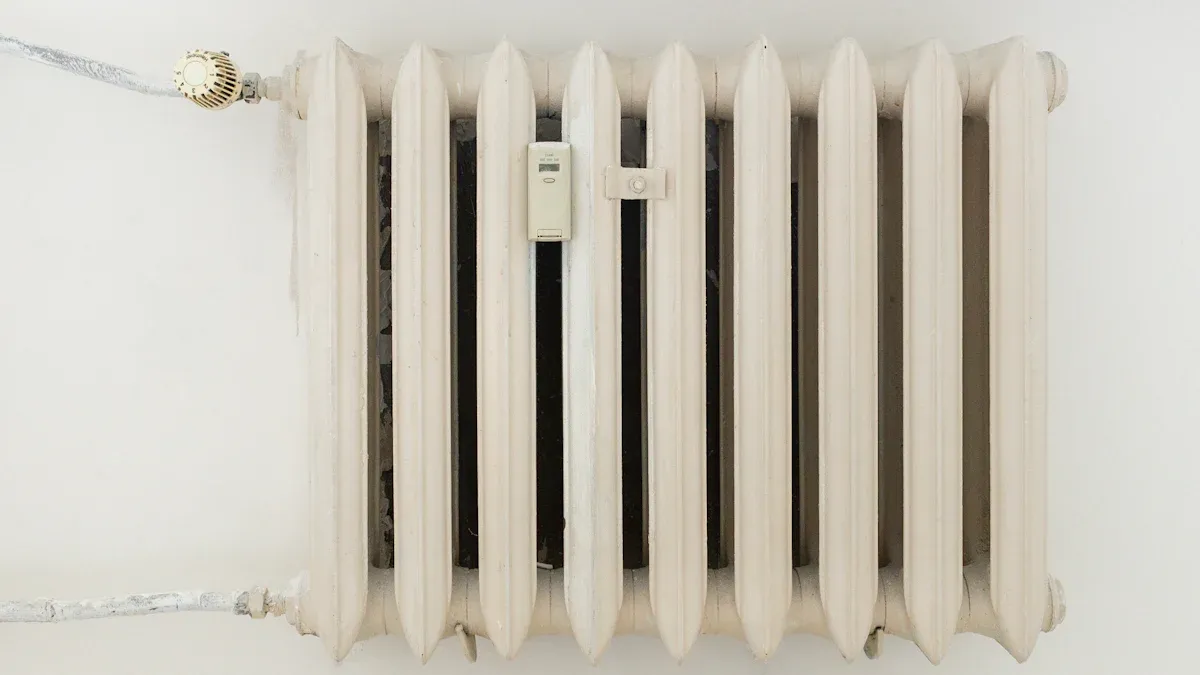
Uneven Cooling Effects
You need to control how your die cools during thin wall die casting. Uneven cooling can cause many problems. If one part of the die cools faster than another, the metal may shrink at different rates. This can lead to warping, cracks, or weak spots in your parts. Sometimes, you see surface defects or even holes. You may also notice that thin sections solidify too quickly, while thicker areas stay hot. This difference can trap air or create stress inside the part.
Tip: Use thermal cameras to check for hot and cold spots on your die. This helps you spot problems before they affect your parts.
When you keep the cooling even, you make stronger and more accurate parts. You also reduce scrap and save money.
Cooling Channel Design
You can improve cooling by designing smart cooling channels in your die. Place channels close to thin sections, but not so close that they weaken the die. Use channels with the right size and shape for your part. Straight channels work for simple shapes. For complex parts, use curved or spiral channels to reach every area.
Here are some best practices for cooling channel design:
Space channels evenly across the die.
Use baffles or bubblers to direct water flow to hard-to-reach spots.
Choose materials for channels that resist corrosion and scale buildup.
Channel Type | Best For | Benefit |
|---|---|---|
Straight | Simple parts | Easy to clean |
Spiral | Complex shapes | Even cooling |
Baffled | Thick sections | Directs flow precisely |
You should check and clean your channels often. Blocked channels can cause uneven cooling and defects. Good cooling channel design helps you control temperature and improve the quality of your thin wall die casting process.
Metal Flow and Solidification
Flow Turbulence Issues
You must watch how molten metal moves in the die. If it moves too fast, it can splash. Splashing causes turbulence and makes defects. These defects include cold shuts and weak spots. In thin wall die casting, fast metal and quick cooling make it worse. The metal might not join well. This leaves lines or gaps in your parts.
You can lower turbulence by making smart process choices:
Make mold venting better and use vacuum systems to let air out.
Control how fast you inject and keep the metal at the right heat.
Try vacuum die casting or change the gating design to slow the flow.
Tip: Always look for splashing or uneven flow when making parts. If you act early, you can stop expensive defects.
Gating and Runner Optimization
How you design gates and runners changes how metal fills the mold. A good design lets metal flow smooth and cool evenly. Bad design can cause turbulence, blockages, or early cooling in thin spots.
Here is a table that shows how gate types affect your process:
Gate Type | Advantages | Disadvantages |
|---|---|---|
Top Gate | None specified | High turbulence, poor surface quality |
Bottom Gate | Less chaos, reduced sand erosion | Risk of clogging due to early solidification |
Parting Line Side Gate | Mitigates issues of both top and bottom gates | None specified |
You can use simulation tools to test your gate and runner designs before you start. These tools show how metal will flow and where it might cool too fast.
Simulation Tool | Function | Importance in Optimization |
|---|---|---|
Mold Filling Simulation | Shows how melt moves in the die casting mold. | Checks filling and temperature fields. |
Solidification Simulation | Checks part shape after mold filling simulation. | Helps cool parts and control wall thickness. |
When you use these tools, you can find problems early and fix them before wasting material. Careful gate and runner design, plus the right simulations, help you get the best thin wall die casting results.
Ejection and Part Distortion
Ejection Difficulties
It can be hard to remove parts from the die. Thin walls sometimes stick or bend when you eject them. This can hurt the part or even damage the die. Some common problems during ejection are:
Porosity
Warping
Surface imperfections
Porosity gets worse if you do not use the die releasing agent right. Warping happens when you do not keep the temperature steady. Surface imperfections show up if the mold design does not help with easy ejection.
Here is a table that lists ejection challenges and what causes them:
Challenge | Description |
|---|---|
Porosity | Mistakes with the die releasing agent can make porosity worse and lower casting quality. |
Warping | Bad temperature control can cause warping and make ejection harder. |
Mold Design Issues | Poor mold design can lead to many ejection problems. |
Tip: Always check the die’s temperature and condition before each cycle. Doing this helps you stop many ejection issues.
Ejector Design and Surface Treatments
You can stop part distortion by making ejector design better and using good surface treatments. If you see pin marks or bent spots, check where you put the ejection pins and when you use them. Putting pins in smart places and using them at the right time helps push the part out evenly. Lowering the holding pressure before ejection also helps stop bending or cracking.
Surface treatments help a lot. Using the right mold release lubricant lets the part slide out easily. This cuts down friction and keeps both the part and die safe.
Here is a table that matches problems with ways to fix them:
Problem | Solution |
|---|---|
Visible pin marks or deformations | Change ejection pin layout and timing |
Lower holding pressure before ejection | |
Use the right mold release lubricant |
You should look at your ejector system often. Clean and take care of all moving parts. When you use smart ejector design and good surface treatments, you make ejection safer and more reliable for thin wall die casting.
Surface Finish and Sharp Features
Surface Defects in Thin Walls
You may notice that thin wall parts often show surface defects. These defects can include roughness, flow lines, or even small cracks. Thin sections cool very quickly. Fast cooling can trap air or cause the metal to freeze before it fills every detail. Sharp corners and fine features make this problem worse. You might see incomplete edges or tiny burrs. Sometimes, the metal sticks to the die and leaves marks on the part.
Tip: Always inspect your parts for surface flaws right after casting. Early checks help you catch problems before they reach your customer.
Common surface defects in thin wall die casting include:
Flow lines
Cold shuts
Burrs or flash
Surface roughness
You can use a simple checklist to spot these issues:
Look for visible lines or marks.
Check sharp corners for missing material.
Feel the surface for rough spots or bumps.
Die Polishing and Lubrication
You can improve surface finish by polishing the die. A smooth die surface helps metal flow better and reduces sticking. Use fine polishing tools to remove scratches or tool marks. Focus on areas with sharp features or thin sections. Polished dies also make it easier to release the part.
Lubrication plays a big role in surface quality. Apply the right amount of release agent to the die. Too much can cause surface defects. Too little can make parts stick. Choose a lubricant that matches your alloy and process.
Here is a table to help you select the right approach:
Problem | Solution |
|---|---|
Rough surface | Polish die, adjust lube |
Burrs or flash | Improve die fit, polish |
Sticking parts | Use correct lubricant |
You should check and maintain your die regularly. Clean and polish it as needed. Adjust lubrication based on your results. These steps help you get smooth, sharp features in every part.
You make thin wall die casting better by solving problems. If you change your die and gating system, you save energy. You also waste less material. This means you get fewer mistakes and better parts. When you update your die design and filling steps, quality goes up.
Using less energy and material helps you work faster.
New die designs help you make more good parts and meet tough standards.
Keep learning new things and fixing your process. Every change helps you build stronger and safer parts.
FAQ
What is the thinnest wall you can achieve in die casting?
You can reach wall thicknesses as low as 0.8 mm with aluminum alloys. The exact limit depends on your alloy, die design, and process control.
How do you prevent warping in thin wall die cast parts?
Keep the die temperature steady. Use even cooling and avoid sharp changes in wall thickness. Check your cooling channels often to stop uneven shrinkage.
Why does porosity happen more in thin wall die casting?
Thin walls cool fast. Air and gas get trapped before they can escape. You need good venting and sometimes a vacuum system to reduce porosity.
What is the best way to improve surface finish on thin wall parts?
Polish the die surface.
Use the right mold release agent.
Inspect parts after each run for rough spots or marks.
See Also
Finding Optimal Closing Force for Your Die Casting Needs
Effects of Thermal Stress on Die Casting Components
Guidelines for Inspecting and Testing Die Casting Molds
Die Casting's Role in Advancing the Robotics Industry
Understanding Functional Testing in CNC and Die Casting
About Hunan Puka

Established in 2016 and based in Hunan, China, with a liaison point in Berlin, we are a Tier 2 supplier for the automobile industry. We specialize in the production of customized aluminum die-casting parts designed for machines with a closing force ranging from 280 to 1250 tons, with subsequent manufacturing process CNC machining and surface treatment. Our commitment to quality is reflected in our accredited quality management system, certified by ISO9001:2015 and IATF16949:2016 standards.