Why Surface Treatment Preprocessing Is Essential for Metal Manufacturing Success

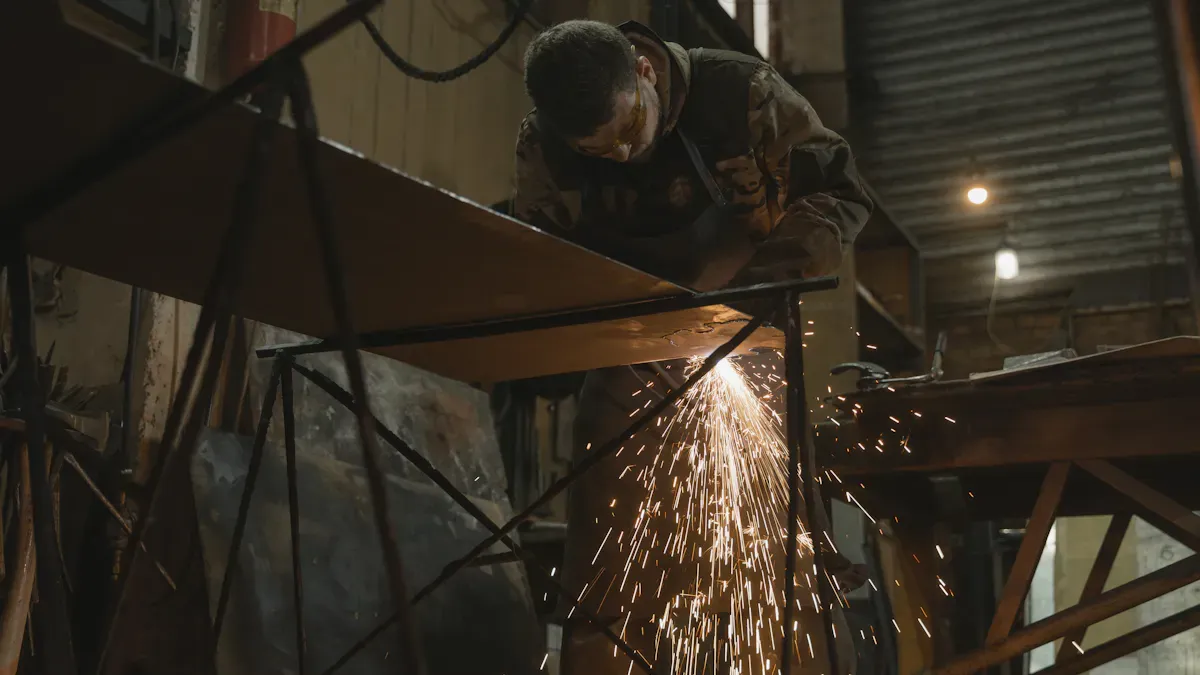
Surface treatment preprocess is very important in metal manufacturing. It helps protect the surface from rust, heat, and weather. This stops the metal from breaking down too soon. Surface treatment preprocess makes metal work better and last longer. It also helps the metal look nicer. It makes things stick better and keeps away rust. This helps the metal stay strong in hard situations. Using the right surface treatment makes metal parts stronger and work better. Stopping rust and using good surface treatment helps parts last longer. If you skip surface treatment preprocess, parts can break, not last long, and cost more to fix.
The quality of surface treatment preprocess affects how well and how long metal works. If you hire others for surface treatment, it can bring risks that make parts not last as long.
Aspect | Impact on Lifespan |
|---|---|
Quality of Surface | Decides how well and how long metal parts last. |
Treatment Process | Changes and improves the surface for special needs. |
Outsourcing Risks | Brings problems that can hurt steady quality. |
Complexity of Treatments | Many choices, each with its own good points. |
Surface Treatment Preprocess Overview
Definition and Purpose
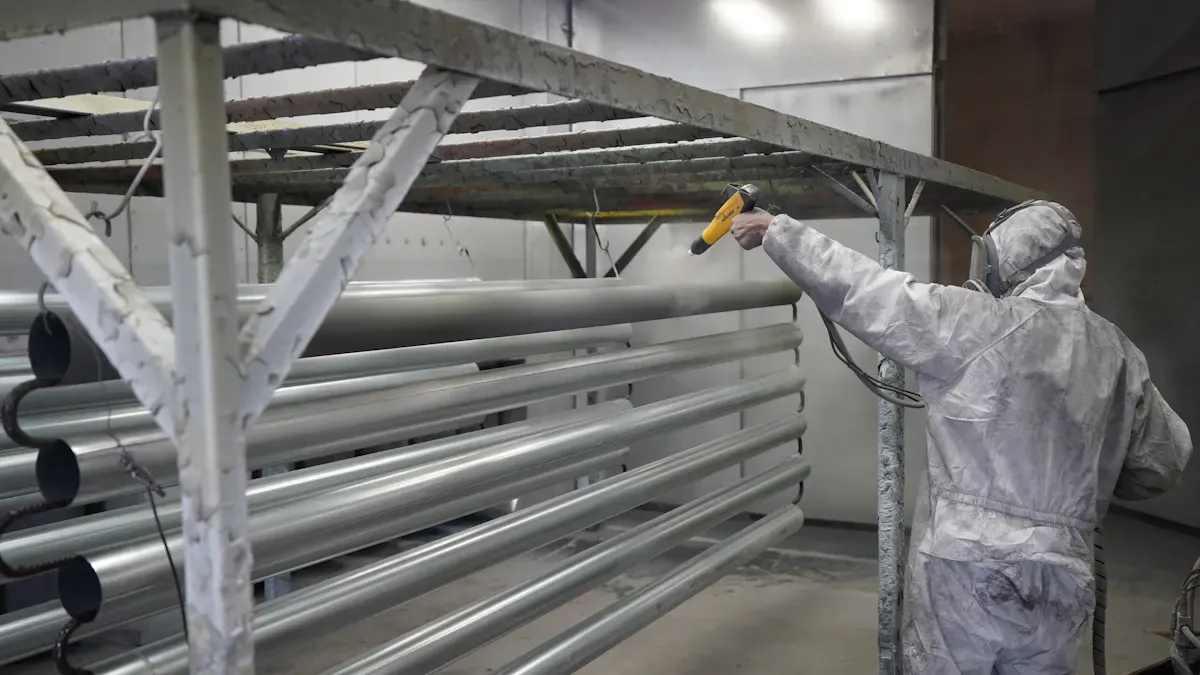
Surface treatment preprocess gets metal ready for use. It changes the metal’s surface to make it stronger and better. People use surface treatment to clean, smooth, and protect metal. This process removes dirt, oil, and other things you don’t want. Surface treatment also gets the metal ready for paint or a coating. It can help the metal look and feel nicer.
Surface treatment makes metal parts last longer and keeps them from wearing out fast.
It protects metal from things like rust, heat, and bad weather, so it lasts more years.
The process helps metal work better and can make it look good, like getting ready for paint.
Surface treatment preprocess lets you control how the surface feels. You can make it smoother or rougher if you need to. Surface treatment helps stop rust and corrosion. It also keeps the surface clean and strong.
Role in Metal Manufacturing
Surface treatment preprocess is very important in making metal parts. People use it to help metal parts work well and last longer. Surface treatment keeps the surface safe from weather, heat, and chemicals. It helps paint and coatings stick better to the metal. Surface treatment preprocess stops problems and saves money on repairs.
Surface treatment preprocess is a big step in making metal parts. You need it to keep the surface safe and working right.
Surface treatment preprocess helps you follow strict rules in making metal parts. It can make the surface look better and work better too. Surface treatment preprocess helps you make metal parts that can handle tough jobs. You see how important surface treatment is in every part of making metal. Surface treatment preprocess helps you build things that last a long time.
Surface Treatment Step | Purpose | Result |
|---|---|---|
Cleaning | Takes away dirt and oil | Clean surface |
Smoothing | Makes rough spots flat | Smooth surface |
Protecting | Puts on coatings or layers | Stronger surface |
Preparing | Gets ready for painting | Better appearance |
Surface treatment preprocess helps you do well in metal manufacturing. You use it to make sure every surface is just right.
Benefits of Surface Treatment
Corrosion and Wear Resistance
You want metal parts to last many years. Surface treatment helps stop rust and wear. It puts a strong shield on the metal. This shield keeps water, air, and chemicals away. The metal stays safe and strong. For example, bridges need steel that does not break down. Surface treatment helps bridges stand up to rain and snow.
Many experts have looked at how surface treatment works. Winkler et al. used new tools and computers to study this. They found ways to stop corrosion on aerospace aluminum alloys. The Álvarez‐Zapatero team used computers to guess which coatings work best. These studies show that surface treatment really protects metal.
Study | Findings |
|---|---|
Winkler et al. | Used high-throughput screening and machine learning to link molecular structure to corrosion inhibition for aerospace Al alloys. |
Álvarez‐Zapatero team | Created neural network models to predict nanoparticle structures for better corrosion-resistant coatings. |
You can see these benefits in real life. Cars with good surface treatment do not rust fast. Machines in factories last longer because their surfaces stay smooth. You do not have as many breakdowns. You save money on repairs. This means you get better quality and longer use.
Enhanced Adhesion and Appearance
Paint and coatings need to stick well to metal. Surface treatment helps with this. Cleaning and getting the surface ready is important. You take off oil, dust, and old paint. This gives you a clean start. Paint sticks better and does not peel off. You get a smooth look.
Think about a bike frame. If you skip surface treatment, paint can bubble or flake. With good treatment, the color stays bright and new. The finish looks nice for a long time. The final product is better. Customers like when things look shiny and clean.
Tip: Always check the surface before painting. A clean surface gives you the best results.
Surface treatment can also hide small marks. You can fill in scratches and make the surface smooth. This makes your products look better. Customers are happier and return less stuff.
Improved Conductivity and Cleanliness
Clean surfaces are important for electricity to flow. Surface treatment takes away dirt and grease. This helps wires and connectors work well. It is important for electronics and power tools.
If you build a computer, you want all parts to connect well. Surface treatment helps metal parts touch without gaps. This gives you better conductivity and fewer problems.
Cleanliness is also important for food and medical tools. You do not want germs or dirt on them. Treatment helps keep things safe and easy to clean. You get better and safer products.
You can see that surface treatment helps every part of metal manufacturing. It protects your investment. It makes your products better and last longer.
Methods of Surface Treatment Preprocess
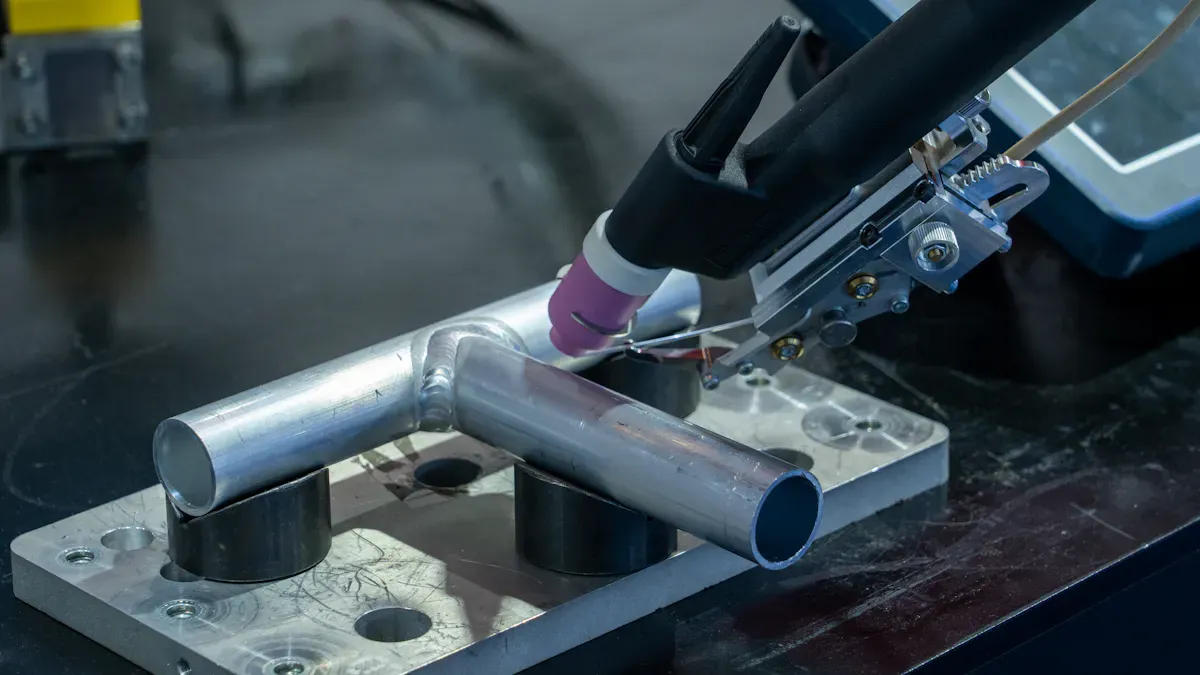
There are different ways to get metal ready for making things. Each way changes the surface in its own way. You have to choose the best process for your job. Here are some main ways you might use.
Mechanical Cleaning
Mechanical cleaning means using tools or machines to clean metal. You can use brushes, sandpaper, or blasting machines. These tools take off rust, old paint, and dirt. The surface gets smooth and ready for the next step. People use this in car shops and factories.
Wire brushing takes off loose rust.
Sandblasting uses small grains to clean fast.
Grinding makes rough spots smooth.
Tip: Always wear safety gear when doing mechanical cleaning. Small bits can fly off and hurt you.
Chemical Cleaning
Chemical cleaning uses liquids or gases to clean metal. You can use acids, alkalis, or special cleaners. These chemicals break down oil, grease, and stains. The surface gets very clean and ready for coatings.
Acid pickling takes away rust and scale.
Solvent cleaning removes oil and grease.
Alkaline cleaning helps with heavy dirt.
You must follow safety rules with chemical cleaning. Some chemicals can hurt your skin or eyes.
Thermal and Specialized Treatments
Thermal and special treatments use heat or other ways to change metal. Heat can make the surface harder or add a layer. Some processes use electricity or lasers.
Heat treatment makes the surface stronger.
Flame spraying puts a new layer on top.
Laser treatment makes the surface very smooth.
These ways help you get the right finish and strength. You can use more than one method for better results. The right process helps your products last longer and work better.
Challenges and Solutions in Surface Treatment Preprocess
Quality Control
You need strong quality control to make sure your surface treatment preprocess works well. Quality control checks every step. You look for mistakes and fix them fast. If you skip quality control, you may get weak or rusty metal. You want to catch problems before they grow. Robust quality control means you test the surface for dirt, oil, or rough spots. You use tools to measure how smooth or clean the metal is. You write down your results and compare them to your standards. Robust quality control helps you find errors early. You can stop bad parts from leaving your shop. You keep your customers happy with good quality control.
Tip: Make a checklist for quality control. Check each part before you move to the next step.
Partner Selection
You may need to work with other companies for surface treatment. You must choose partners who care about quality control. Ask them how they check their work. Good partners use robust quality control in their process. You want partners who share your standards. Visit their shop and watch their quality control steps. You can ask for reports that show their robust quality control. If you see weak quality control, you should look for another partner. You protect your business by picking the right team.
Ask for proof of quality control.
Visit their site to see robust quality control in action.
Review their past work for quality control results.
Environmental and Safety Concerns
You must think about safety and the environment. Some chemicals in surface treatment can be dangerous. You need quality control to keep workers safe. Robust quality control checks for spills and leaks. You must train your team to follow safety rules. You also want to protect the air and water. Good quality control means you check waste and use safe methods. Robust quality control helps you follow the law and keep your shop safe.
Challenge | Solution with Quality Control |
|---|---|
Worker safety | Train and check with robust quality control |
Chemical spills | Inspect and fix with quality control |
Waste management | Track and improve with robust quality control |
You can solve many problems with strong quality control. You build trust and make better products.
You help metal products last longer and work better. Surface treatment preprocess affects how strong and reliable each part is. Picking the right process makes parts fit special needs and stronger. Today, there are new changes in the industry, like:
Different rules for surface quality
Wanting better control of the process
Keep learning about best ways to do things. This helps your business stay strong and do well.
FAQ
What is surface treatment preprocess?
Surface treatment preprocess gets metal ready for making things. You clean the surface. You smooth it out. You protect it from damage. This step helps metal last longer. It also makes metal look nicer.
Why should you care about corrosion resistance?
Corrosion resistance keeps metal strong and safe. It stops rust from forming. It keeps metal from breaking. Your products work longer. You do not need to fix them as much.
How do you choose the right surface treatment method?
You think about what your product needs. Mechanical cleaning is good for tough dirt. Chemical cleaning takes away oil. Thermal treatments make surfaces stronger. Ask experts if you are not sure.
Is surface treatment preprocess safe for the environment?
You must follow safety rules. Use safe chemicals. Manage waste the right way. Many companies use eco-friendly methods. You protect workers and nature by picking safe processes.
See Also
Top 10 Surface Finishing Techniques Every Metalworker Must Learn
Key Chemical Treatments for Effective Metal Cleaning and Degreasing
Essential Inspection Techniques for Quality Control in Surface Treatments
Importance of Metal Substrates in Today’s Industrial Applications
Exploring Various Heat Treatment Methods for Metal Enhancement
About Hunan Puka

Established in 2016 and based in Hunan, China, with a liaison point in Berlin, we are a Tier 2 supplier for the automobile industry. We specialize in the production of customized aluminum die-casting parts designed for machines with a closing force ranging from 280 to 1250 tons, with subsequent manufacturing process CNC machining and surface treatment. Our commitment to quality is reflected in our accredited quality management system, certified by ISO9001:2015 and IATF16949:2016 standards.