Structural die casting parts procurement vs functional die casting parts procurement

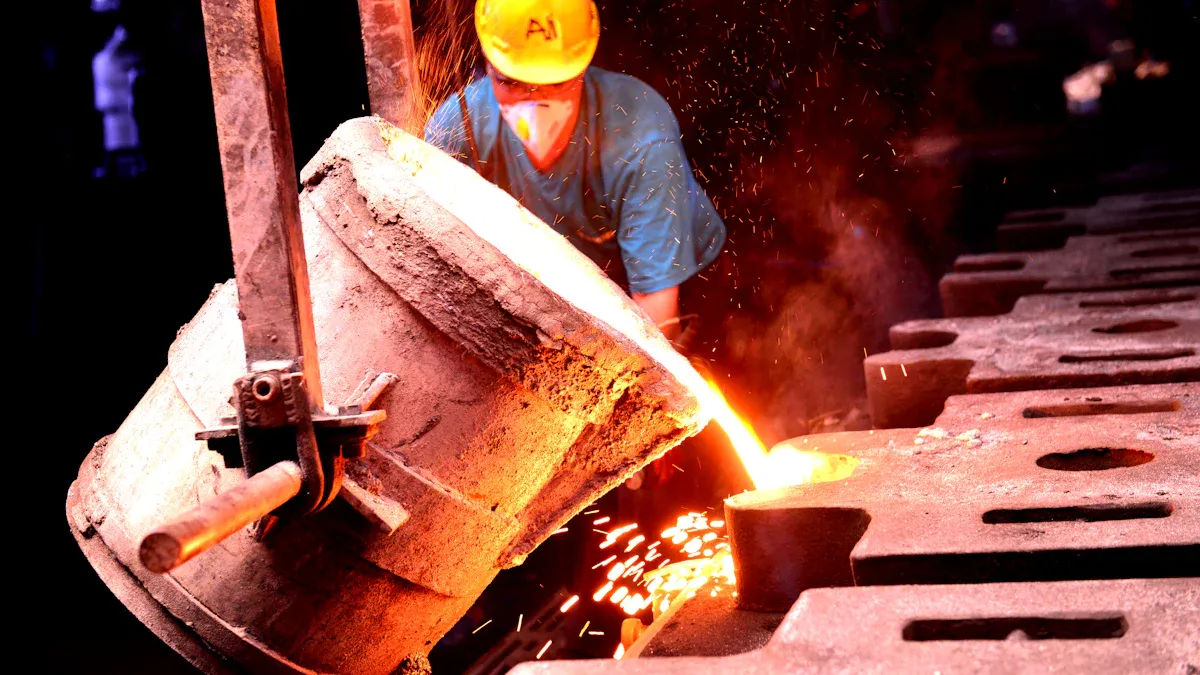
Comparing Procurement Strategies for Die Casting Parts
Explore the differences between structural and functional die casting procurement.
Features | Structural Procurement | Functional Procurement |
|---|---|---|
Main Focus | Strength, durability, safety | Performance, fit, function |
Supplier Evaluation | Factory audits, material checks | Sample testing, precision checks |
Approval Process | Strict, often multi-step | Flexible, based on function |
Documentation | Detailed reports, certifications | Test results, drawings |
Cost Factors | Higher due to safety tests | Lower unless complex shapes |
Risk Management | Focus on part failure risks | Focus on performance risks |
Material Considerations | Strong, durable materials | Lightweight, functional materials |
Testing Requirements | Strength and stress tests | Fit and operational tests |
You have two big choices when buying die casting parts: structural or functional. Structural die casting procurement looks for parts that hold weight and need to be strong. Functional parts work in machines and must do certain tasks. Picking the right supplier and material is important for both. If you choose a plan that fits your project, you get better results.
Structural die casting procurement overview
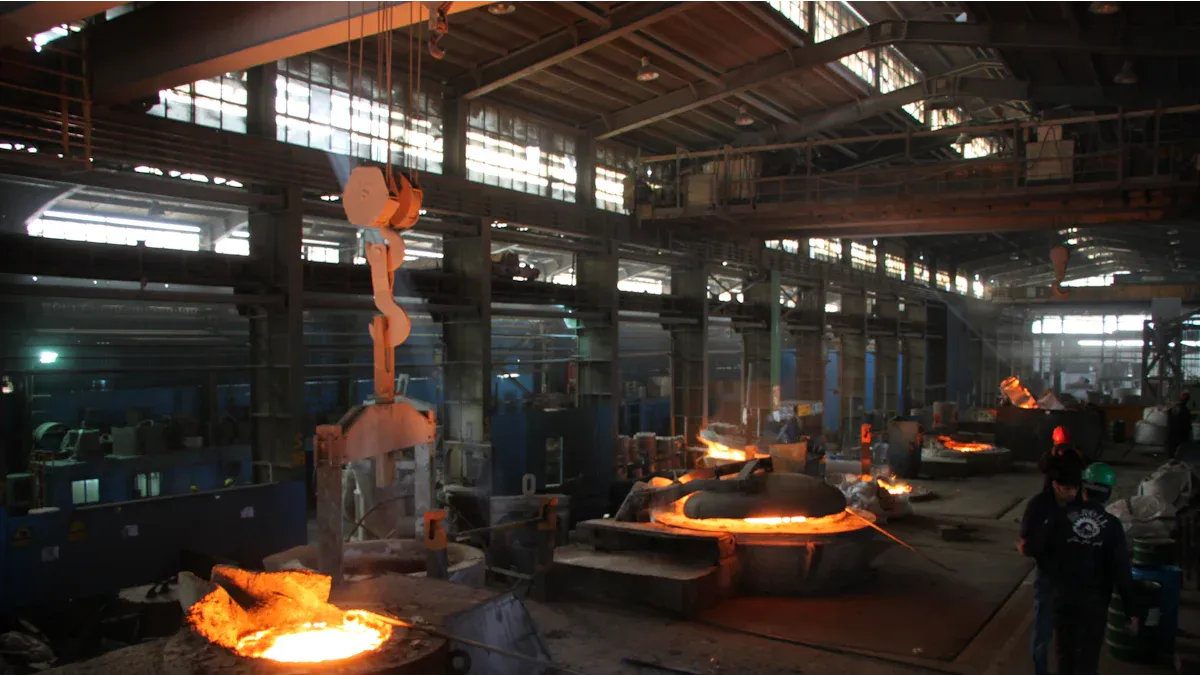
Defining structural die casting parts
Structural die casting parts are used where strength is needed. These parts help hold up weight and stop things from bending. They keep machines and vehicles safe. You can find them in car frames and aircraft wings. Heavy equipment also uses these parts. When you pick structural die casting procurement, you want parts that last long. These parts must handle stress and not break. The main goal is to make sure they do not fail when carrying heavy loads.
Key requirements for structural procurement
Structural die casting procurement needs very high standards. The parts must be strong and last a long time. You have to check the material type and thickness. You also look at the design. It is important to think about how the part works in real life. For example, a car frame must stay strong in a crash. The parts should pass safety tests and meet industry rules. You need to compare suppliers for quality and reliability.
Quality control and supplier selection
Quality control is very important in structural die casting procurement. You have to check every part for cracks or weak spots. You also test parts under pressure and heat. Picking the right supplier matters a lot. You want a supplier who gives strong parts on time. The supplier should be able to change if you need something new. The table below shows what people look for when picking suppliers in automotive and aerospace:
Criteria | Description |
|---|---|
Technology | Assessment of the technological capabilities of the supplier. |
Quality | Evaluation of the quality standards maintained by the supplier. |
Adherence to Delivery Dates | Ability to meet agreed delivery schedules. |
Flexibility | Capacity to adapt to changing requirements and demands. |
Price | Cost competitiveness of the supplier's offerings. |
Conditions of Contract | Terms and conditions that govern the supplier relationship. |
Total Cost of Ownership (TCO) | A comprehensive approach that considers all costs associated with the supplier. |
Tip: Always ask for test reports and certifications before you pick a supplier for structural die casting procurement. This helps you avoid problems and makes sure you get the best value.
Functional die casting parts procurement

Defining functional die casting parts
Functional die casting parts help machines do their jobs. These parts do not need to hold heavy things. They must do certain tasks in machines. You can find them in engines and pumps. They are also in electronic devices. A gear in a motor is a functional part. A sensor housing is another example. These parts need to fit well and move easily. Many have tricky shapes or tiny details. You care most about how well they work.
Performance and operational requirements
When you buy functional die casting parts, you want good performance. The parts should last for many uses. They should not break or wear out fast. You check if the part can handle heat or friction. Some parts must resist chemicals like oil or water. You test them for accuracy and smooth movement. If a part breaks, the machine may stop. You need suppliers who make parts with exact sizes and smooth surfaces.
Note: Always ask your supplier how they test functional parts. This helps you avoid problems with your machines.
Efficiency and material considerations
Picking the right material for functional die casting parts matters. You want materials that fit the job. Here are some important things to think about:
Load-bearing capacity and strength
Corrosion resistance
Weight and density
Machinability
Deformability
You may choose a light material for moving parts. For parts that touch chemicals, pick one that resists corrosion. You also think about how easy it is to shape or cut the material. This can help save time and money. When you compare functional and structural procurement, functional parts focus on how well they work and save energy. Structural parts focus on being strong and safe.
Comparing structural vs functional die casting procurement
Procurement process differences
There are clear differences in how you buy these parts. Structural die casting procurement looks for parts that hold heavy things. You need to check if the supplier follows strict safety rules. Sometimes, you visit their factory and see their machines.
For functional parts, you want suppliers who make special shapes. You care about how the part works in your machine. You might ask for samples to test. The supplier should give parts that fit and move well.
Here is a table that shows the main differences:
Aspect | Structural Die Casting Procurement | Functional Die Casting Procurement |
|---|---|---|
Main Focus | Strength, durability, safety | Performance, fit, function |
Supplier Evaluation | Factory audits, material checks | Sample testing, precision checks |
Approval Process | Strict, often multi-step | Flexible, based on function |
Documentation | Detailed reports, certifications | Test results, drawings |
Tip: Match your buying process to what the part does. This helps you avoid mistakes and delays.
Quality standards and testing
You need different tests for each kind of part. For structural die casting procurement, you check for cracks and strength. You also test how the part handles stress. Sometimes, you use x-rays or special machines. You need proof that the part meets the rules.
For functional parts, you test how well the part works. You check the size and shape. You look at the surface finish. You may run the part in a machine to see if it moves smoothly. You want to make sure it does not wear out fast.
Checklist for Quality Testing:
Structural Parts:
Strength tests
Fatigue tests
X-ray inspection
Certification review
Functional Parts:
Fit and tolerance checks
Surface finish inspection
Operational testing
Wear resistance tests
Cost and budgeting factors
The cost is different for each type. Structural die casting procurement usually costs more. You pay for better materials and more tests. You also pay for extra safety steps. You may spend more time picking a supplier.
Functional parts can cost less if they have simple shapes. If you need special features, the price goes up. You must think about how many parts you need and how fast you need them.
Cost Factors Table:
Factor | Structural Parts | Functional Parts |
|---|---|---|
Material Cost | High | Medium to Low |
Testing Cost | High | Medium |
Tooling Complexity | Medium | High (for complex shapes) |
Volume Discounts | Possible | Common |
Note: Plan your budget based on what the part does and the risks if it fails.
Risk management strategies
You need to manage risks for both types, but the risks are different. For structural die casting procurement, the biggest risk is part failure. This can cause safety problems or damage. You lower this risk by using strict tests and picking trusted suppliers.
For functional parts, the main risk is poor performance. If a part does not fit or work right, your machine may stop. You can lower this risk by testing samples and checking the supplier’s record.
Risk Management Tips:
Set clear rules for quality and delivery.
Ask for test reports and certificates.
Visit the supplier if you can.
Keep good records of all orders and tests.
Remember: The best buying plan depends on what the part does. Always think about the risks and how to control them.
Decision guide for die casting procurement
Aligning procurement with project goals
You should match your buying plan to your project goals. First, ask what the part needs to do. If you want strong and safe parts, pick structural die casting procurement. If you need parts that move or do special jobs, choose functional die casting parts. Think about how you will use the part. For example, car makers now use mega casting machines. These machines can make fewer parts for each car. A car may need only 5 parts instead of 60. This change helps save money and makes cars faster to build. New tools like friction stir welding also help save time and money.
Key points to consider:
Using fewer parts can lower costs and make work easier.
New machines and methods can help you get better results.
The right buying plan helps you reach your project goals.
Application-specific considerations
Always think about where and how you will use the part. For cars and planes, you need strong and safe parts. For electronics or pumps, you want parts that work well. Each job needs a different plan. If you pick structural die casting procurement, check for strong materials and tough tests. For functional parts, look at fit, movement, and special shapes.
Tip: Write down your main needs before you start. This helps you compare suppliers and pick the best one for your project.
Practical tips for supplier selection
Picking the right supplier is very important. You want a supplier who gives you what you need and delivers on time. For functional die casting parts, use these things to compare suppliers:
Criteria | Description |
|---|---|
Global delivery capability | Can send parts anywhere in the world. |
Competitiveness | |
Cost reduction and transparency | Tries to lower costs and shares info clearly. |
Quality requirements | Meets all needed quality standards. |
Innovation | Makes products and processes better often. |
Ask for test reports, look at their past work, and see if they use new technology. Visit their factory if you can. This helps you make a smart choice.
You can tell that structural and functional die casting procurement are not the same. Structural parts must be strong and safe. Functional parts need to work well and fit right. Pick a buying plan that matches your project’s needs. Choose suppliers who have good experience and use the right materials for your job.
Tip: Check your buying process often. This helps you make better parts and avoid problems.
Look at different suppliers for each kind of part.
Pick materials that fit what your project needs.
Try out parts before you say yes to them.
FAQ
What is the main difference between structural and functional die casting parts?
Structural parts make things strong and steady. Functional parts help machines do their jobs. You pick structural parts when you want safety and long life. You choose functional parts when you need good movement or performance.
How do I decide which procurement type fits my project?
Think about what your project needs. If you need parts to hold things up or keep them safe, pick structural procurement. If you need parts that move or do a task, go with functional procurement.
Do suppliers use different materials for structural and functional parts?
Yes, they do. For structural parts, suppliers use strong materials like aluminum alloys. For functional parts, they might use lighter or bendy materials. The material depends on what the part needs to do.
Are quality checks different for structural and functional die casting parts?
Structural parts get tougher tests, like strength and safety checks. For functional parts, you check if they fit, move well, and have a smooth surface. Each kind of part needs its own tests.
Which procurement type usually costs more?
Structural die casting procurement usually costs more money. You pay extra for strong materials and more safety tests. Functional parts can cost less unless they have tricky shapes or special needs.
See Also
Exploring Functional Testing In CNC And Die Casting
Comprehensive Guide For CAD Design In Die Casting
The Advantages Of CAE Analysis In Die Casting
The Mechanics Of Aluminum Extrusion And Die Casting
Die Casting's Role In Advancing The Robotics Industry
About Hunan Puka

Established in 2016 and based in Hunan, China, with a liaison point in Berlin, we are a Tier 2 supplier for the automobile industry. We specialize in the production of customized aluminum die-casting parts designed for machines with a closing force ranging from 280 to 1250 tons, with subsequent manufacturing process CNC machining and surface treatment. Our commitment to quality is reflected in our accredited quality management system, certified by ISO9001:2015 and IATF16949:2016 standards.