Steps to Achieve Reliable Batch Consistency in Aluminum Die Casting

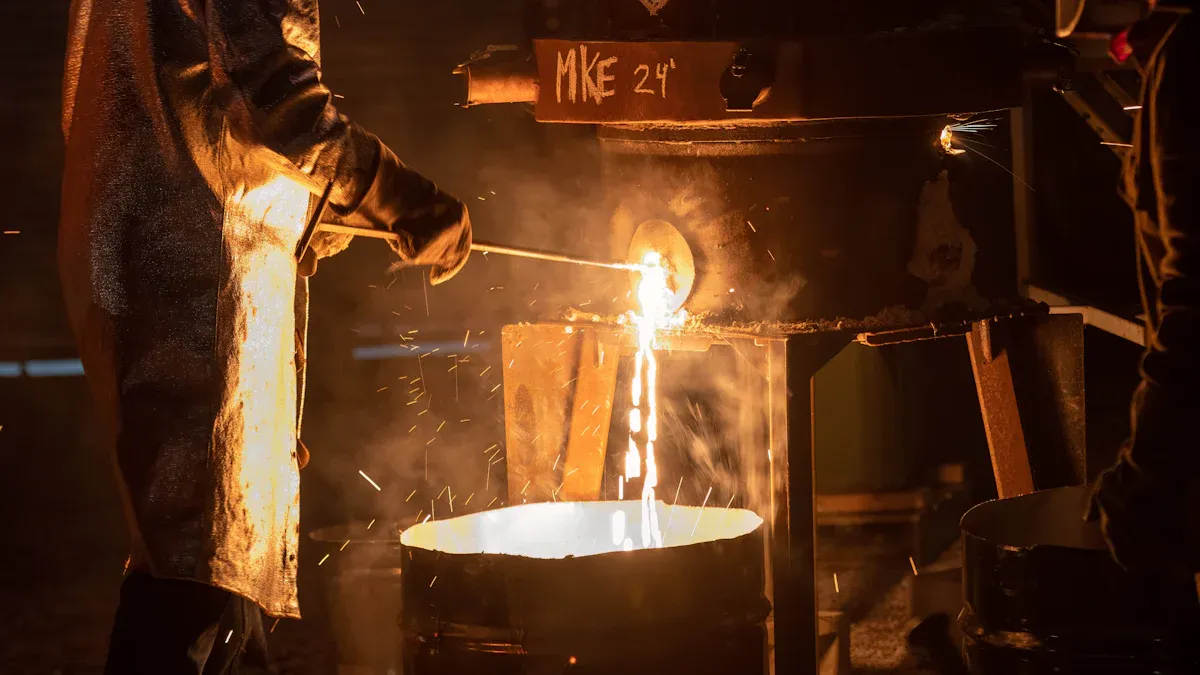
You want each batch to look the same and have the right size in aluminum die casting. When batches are consistent, you get smooth surfaces and strong pieces. You check raw materials, make special dies, watch the process, and look at the results. These steps help you fix usual problems and get good quality every time you make something.
Key Takeaways
Make sure raw materials are good quality. This helps stop problems and makes the product better. - Clean and take care of dies often. Clean dies stop dirt and old metal from causing problems. - Use sensors to watch the casting process. Sensors give alerts right away so you can fix things fast. - Teach your team well. Skilled workers can find problems early and keep results the same. - Write down each step and always try to get better. Use information to improve steps and make batches more alike.
Batch Consistency in Aluminum Die Casting
Definition and Importance
You want every part to be the same size and shape. The surface should look the same on each part. Batch consistency means you get the same results every time. You control each step in metal casting. This helps every batch meet your standards. When you keep things consistent, you avoid surprises. You also throw away less material. You can trust your products to fit together. They will work as you planned.
Manufacturers use different ways to check batch consistency. Sensors in the die check the temperature during casting. Flow meters watch the cooling channels. This keeps the heat balanced. Machines count shots and track cycle time. This shows how well the process works. Alerts pop up if something changes. You can fix problems quickly.
Method | Description |
|---|---|
Precision Temperature Monitoring | Sensors in the die check the temperature. This helps keep the product quality high. |
Cooling Channel Monitoring | Flow meters watch cooling channels. This keeps the right temperature for casting. |
Metrics Generation | Machines count shots and cycle time. This helps you see how well things run. |
Real-time Alerts | Alerts warn you if something is wrong. You can fix problems fast to keep quality steady. |
Impact on Quality and Finishes
You see the difference when batches are consistent. The finish looks smooth and nice. Each part is the right size and fits well. If you want to coat or anodize your parts, the surfaces must match. Big production runs need steady quality. This helps you avoid mistakes and delays. Consistency helps you make customers happy. It also helps your business look good in the metal casting industry.
Key Steps for Consistency in Die Casting
Raw Material Control
You need good materials for aluminum die casting. Pick the best alloy for your project. Melt the metal and take out gases and dirt. Filter the melted metal before you pour it. These steps help you stop problems and keep batches steady.
Method | Description |
|---|---|
You use X-rays to find hidden holes and gas bubbles. | |
Ultrasonic Testing | You check for cracks to keep each part strong. |
Dye Penetration Testing | You find surface flaws that can hurt the finish. |
Optical 3D Inline Inspection | You use special systems to spot surface problems while casting. |
Visual Examination | You look for clear issues before you move on. |
Random and 100% Quality Testing | You check parts as your customer wants, sometimes every piece. |
You test and check materials at every step to keep things smooth.
Die Preparation and Customization
You get dies ready and make them fit your project. Use milling, eroding, or turning to shape the mold. Focus on what your customer needs. Make sure each die fits the job. Use software to design workpieces that meet standards. Build strong molds so they last a long time.
Make each mold special for your batch.
Use different ways to shape molds for better results.
Build molds strong for long-lasting quality.
Use software to design molds that are exact.
Follow strict rules to keep quality high.
Aspect | Description |
|---|---|
Consistency & Repeatability | Custom dies help you make parts that look and work the same. |
You make the casting process faster for big batches. | |
Smooth Finish | You get a clean surface ready for coating or finishing. |
Custom dies help you keep every batch the same and high in quality.
Process Control and Monitoring
You watch each step to keep the casting process steady. Set up sensors to check temperature and flow. Use alerts to spot problems fast. Log data to track changes and make things better. Use vacuum degassing to take out trapped gases and keep metal pure.
Check temperature to keep casting in the right range.
Watch cooling channels for steady heat.
Get alerts if something goes wrong, so you fix it fast.
Use data logs to make your process better.
Make changes to save money and boost quality.
Monitoring Technique | Benefit |
|---|---|
You keep casting at the best temperature for quality. | |
Cooling Channel Monitoring | You control heat for better batch consistency. |
Real-time Alerts | You fix problems fast to stop defects. |
Consistent Quality | You check often to lower the number of bad parts. |
Quality Assurance | You use data to make your process better. |
Process Optimisation | You use what you learn to make casting better and stronger. |
You keep batches steady by watching and controlling every step.
Operator Training and SOPs
You teach your team how to use the casting equipment. Show them how to read sensor data and set goals. Help them learn to adjust machines. Support learning so staff can keep machines working well.
Make sure operators know how to spot problems.
Help them adjust systems for better results.
Support learning for better batch consistency.
Use standard rules to guide every step.
Trained operators help you keep the casting process steady and high in quality.
Inspection and Testing
You check each batch to make sure it meets your standards. Use tests that do not hurt the part to find hidden problems. Look at the metal’s structure to see if it is strong. Run tests to check the metal’s makeup. Look at surfaces for flaws.
Method | Description |
|---|---|
Non-destructive testing | You find inside problems without hurting the part. |
Microstructure analysis | You check the metal’s structure for strength. |
Quality management systems | You use regular checks and tests to meet rules. |
Test for strength and toughness.
Check the metal’s chemical makeup.
Look for surface problems.
These steps help you keep your casting process steady and your products strong.
Documentation and Improvement
You write down every step in your casting process. Use data to find ways to make things better. Use sensors to get feedback and adjust your process. Try to stop all defects by making changes from what you learn.
Use data to cut waste and keep casting rates steady.
Keep workers safe by controlling each step.
Use laser-camera sensors for quick changes.
Use modern systems for real-time control.
Make automatic changes to keep casting steady.
You keep making your batch production better by using data and feedback from every run.
Challenges and Solutions in Aluminum Die Casting
Material and Process Variability
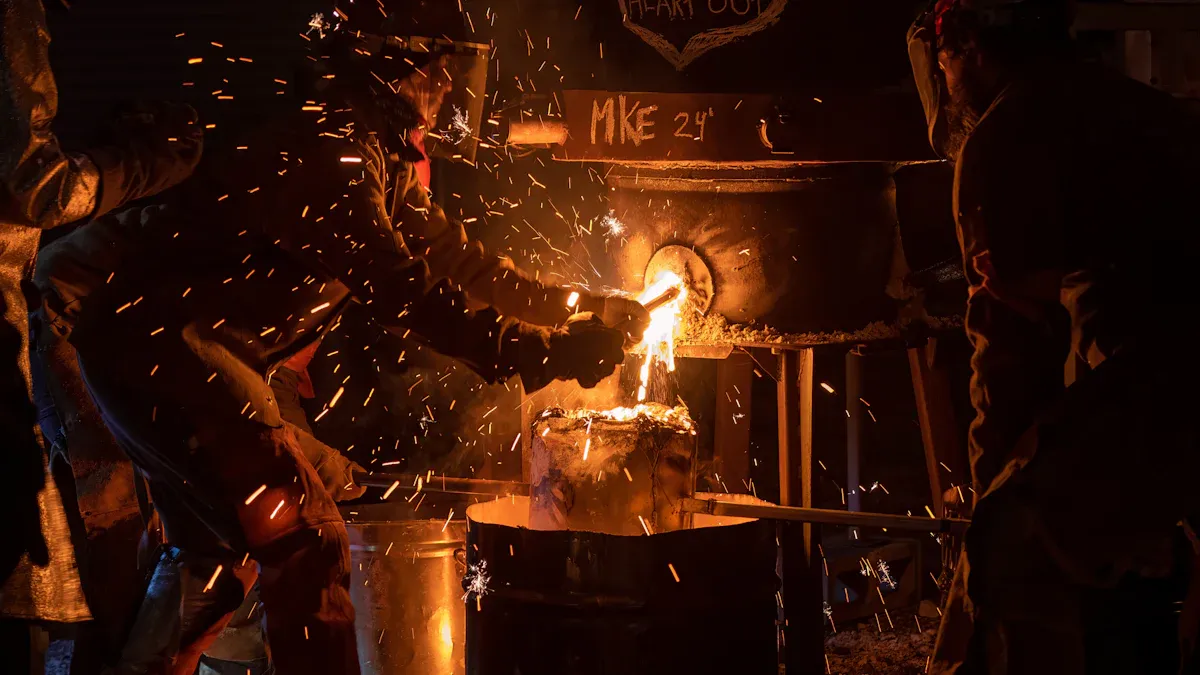
Materials and the casting process can change. These changes can affect how good the parts are. The microstructure of aluminum die cast products can change. This can make parts stronger or weaker. Sometimes, brittle phases form and make parts break easier. The alloy makeup also changes how the metal acts. You can use advanced simulation to predict and control defects. Better cooling helps parts stay strong and smooth. Good process control lets you use heat treatable alloys for better quality.
Solution Type | Description |
|---|---|
Advanced Simulation Techniques | These techniques help predict and control defects like gas inclusions and misruns. |
Integration of Cooling Technologies | Improved cooling helps die-cast parts stay strong and smooth. |
Process Control Improvements | Better control lets you use heat treatable alloys for higher quality. |
You can use advanced straightening to fix bent parts. Automatic systems with self-learning algorithms help production get better. Efficient quenching after casting keeps parts strong and stops warping.
Advanced straightening fixes bent parts.
Smart systems learn and help production.
Fast quenching keeps parts strong.
Equipment and Die Wear
Machines and dies wear out as you use them. Tool wear from heat causes small cracks and erosion. Melt quality drops when contamination happens. This makes parts weaker. Soldering defects can make more parts get rejected. Production slows down when this happens. Soldering makes dies wear out faster. You need to replace dies more often.
Challenge | Description |
|---|---|
Tool wear | Heat causes cracks and erosion, which lowers part quality. |
Melt quality | Contamination makes parts weaker and less consistent. |
Soldering defects lower quality.
Repairs make machines stop working.
Changing dies costs more money.
Human Factors
You need skilled workers to keep casting steady. Mistakes happen if workers do not follow rules or miss problems. Training helps workers make fewer mistakes. Poka-Yoke techniques help stop errors. SOPs guide workers step by step. Inspections help keep quality high. FIFO systems help move materials the right way. Suggestion schemes let workers share ideas to stop mistakes. Daily reviews of rejections help you learn from errors.
Training Methodology | Description |
|---|---|
Poka-Yoke Techniques | Used to stop mistakes and aim for zero errors. |
Standard Operating Parameters (SOP) | Makes steps clear to lower mistakes. |
Process Monitoring | Includes inspections to keep quality high. |
FIFO Implementation | Moves materials in order to lower mistakes. |
Suggestion Schemes | Lets workers share ideas to stop errors. |
Daily Review of Rejections | Looks at mistakes to make things better. |
Preventing Defects
You want to stop defects before they start. Check every batch to make sure it meets standards. Clear rules help you avoid mistakes. Data analytics help you track defect rates and spot trends. You can use this information to fix problems and keep batches steady.
Action | Description |
|---|---|
Checks each batch meets standards before making parts. | |
Implement clear specifications | Gives rules to lower mistakes and defects. |
Use data analytics | Tracks defect rates to find problems and stop errors. |
Tip: Regular checks and smart data use help you keep quality high. This makes your metal casting process more reliable.
Best Practices for Reliable Die Casting
Pro Tips for Consistency
You want every batch to meet your standards. You can follow these tips to keep your aluminum die casting results steady:
Check your raw materials before you start. Good metal gives you better parts.
Clean your dies often. Dirt and old metal can cause defects.
Set your machines to the same settings for each batch. This helps you keep the casting process stable.
Use sensors to watch temperature and pressure. Quick alerts help you fix problems fast.
Train your team to spot mistakes early. Skilled workers help you keep consistency.
Tip: You can use a checklist for each step. This helps you avoid missing important tasks.
Step | Why It Matters |
|---|---|
Material Check | Stops bad batches |
Die Cleaning | Prevents defects |
Machine Settings | Keeps results steady |
Sensor Monitoring | Catches problems early |
Team Training | Improves quality |
Continuous Improvement Strategies
You can make your process better over time. You should look at your results after each batch. You can use data to find ways to improve. Try new ideas and see what works best.
Review your reports after every run.
Ask your team for feedback.
Use new tools and technology when possible.
Track your defect rates and set goals to lower them.
Update your training as you learn new things.
Note: Small changes can make a big difference in quality. You should always look for ways to improve your casting process.
You build a strong system by making small improvements. This helps you keep high quality and consistency in every batch.
You can make sure each batch is the same in aluminum die casting by doing some important things:
Check your raw materials before you use them.
Get your dies ready and make them fit your job.
Watch your process all the time.
Teach your team how to do their work well.
Look at and test every batch you make.
Write down what you do and try to get better.
Remember: If you control your process and keep making it better, you will make good parts every time. Try these steps now and your production will improve.
FAQ
What does batch consistency mean in aluminum die casting?
Batch consistency means you get parts that look and measure the same every time. You control each step to make sure every piece meets your standards.
How do you check for defects in die cast parts?
You use tests like X-rays, ultrasonic scans, and visual checks. These methods help you find cracks, holes, or surface flaws before you ship parts.
Why is operator training important for die casting?
You need skilled operators to spot problems early. Training helps your team use machines correctly and follow safety rules. This keeps your batches steady.
Tip: Regular training sessions help your team stay sharp and reduce mistakes.
What tools help you monitor the die casting process?
Tool | Purpose |
|---|---|
Sensors | Track temperature |
Flow meters | Watch cooling channels |
Alerts | Warn about problems |
You use these tools to keep your process stable and catch issues fast.
See Also
Understanding The Processes Behind Aluminum Extrusion And Die Casting
Essential Steps For Testing Die Casting Molds Prior To Production
Defining Functional Testing In CNC And Die Casting Methods
Finding The Optimal Closing Force For Die Casting Products
Achieving Net Shape Through Effective Die Casting Techniques
About Hunan Puka

Established in 2016 and based in Hunan, China, with a liaison point in Berlin, we are a Tier 2 supplier for the automobile industry. We specialize in the production of customized aluminum die-casting parts designed for machines with a closing force ranging from 280 to 1250 tons, with subsequent manufacturing process CNC machining and surface treatment. Our commitment to quality is reflected in our accredited quality management system, certified by ISO9001:2015 and IATF16949:2016 standards.