Step-by-Step Guide to Fix Discoloration in Anodized Aluminum

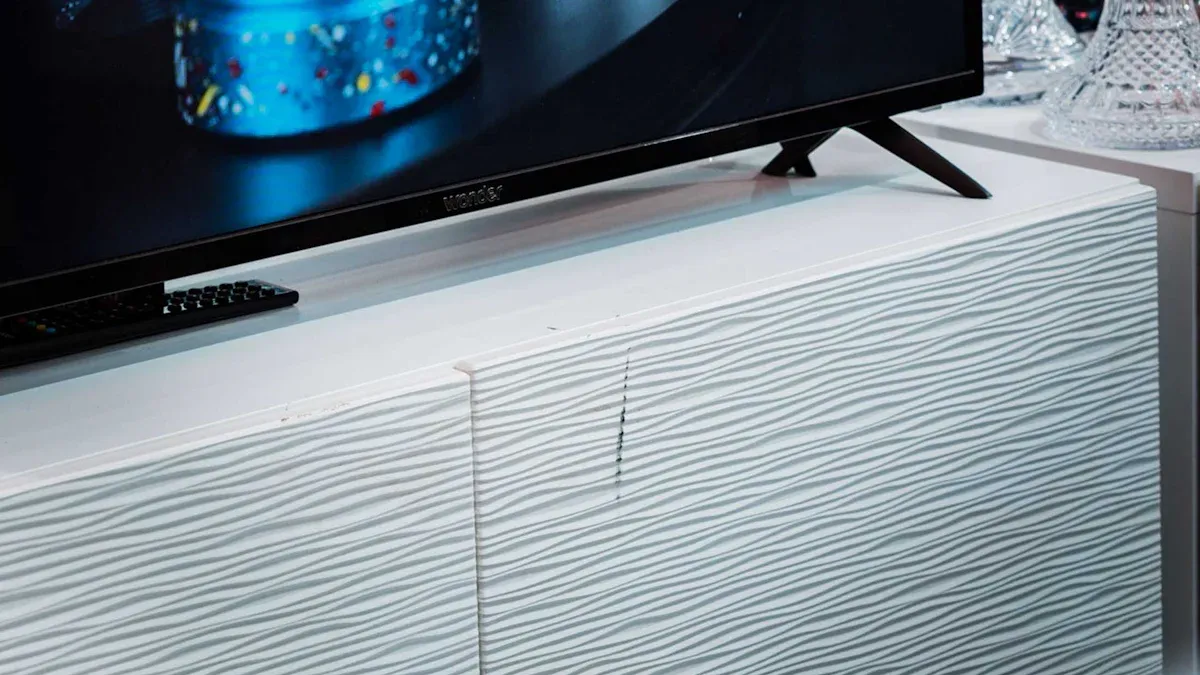
You can fix discoloration in anodized aluminum if you follow careful steps. First, you should find out what kind of discoloration you have and why it happened. Anodized Coloring can change because of cleaning mistakes or things in the environment. Most discoloration problems can be solved if you use the right steps. If the damage is very bad, you might need to get help from a professional.
Identifying Discoloration
Types of Discoloration
You can see different kinds of discoloration on anodized aluminum. Each kind shows what happened to the metal. Here are some common types you might notice:
Yellowing: The surface turns yellow or gold instead of its usual color.
Dark Spots: Black, brown, or gray spots show up in small or big areas.
Uneven Coloring: Some parts look lighter or darker than others.
Chalky Appearance: The surface feels rough and looks faded or powdery.
Rainbow Effect: You spot blue, purple, or green patches.
Tip: Look closely at the whole surface. Use bright light to see everything. Sometimes, discoloration hides in corners or along the edges.
Common Causes
Each kind of discoloration comes from a certain cause. Knowing the cause helps you pick the right fix. Here is a table to help you match the problem to the reason:
Type of Discoloration | Possible Cause |
|---|---|
Yellowing | Poor sealing, heat exposure |
Dark Spots | Contamination, water stains |
Uneven Coloring | Bad Anodized Coloring process |
Chalky Appearance | Over-cleaning, harsh chemicals |
Rainbow Effect | Alloy mix, bath chemistry |
Cleaning the wrong way can leave stains or remove the protective layer.
Bad sealing lets water or air touch the metal.
Using the wrong alloy can change the color.
Problems during the Anodized Coloring process can cause uneven or faded colors.
Assessing Severity
You need to check how bad the discoloration is before fixing it. Follow these steps:
Wipe the Surface: Use a soft, damp cloth. If the stain comes off, the problem is only on the surface.
Check for Texture: Run your fingers over the area. If it feels rough or pitted, the damage goes deeper.
Look for Spread: See if the discoloration covers a small spot or the whole piece.
Test with Mild Cleaner: Try a gentle cleaner on a small area. If the color improves, you can likely fix it yourself.
Note: If you see deep pits, cracks, or big areas missing color, you may need professional help.
When you learn to spot the type and cause of discoloration, you can pick the best way to fix your anodized aluminum. Careful checking saves time and helps you avoid bigger problems later.
Surface Prep and Inspection
Safety and Tools
Before you start cleaning or fixing anodized aluminum, you need to stay safe. Some cleaning products can hurt your skin or eyes. You should always follow safety rules. Here is a table to help you remember what to do if you touch or swallow cleaning chemicals:
Safety Precaution | Description |
|---|---|
Skin Contact | Do not allow concentrate to come in contact with skin. Wash area with soap and water. Rinse with a solution of vinegar and water. If irritation persists seek medical attention. |
Eye Contact | Avoid contact with eyes. Flush with water for 15 minutes and obtain medical attention. |
Ingestion | Do not induce vomiting. Drink several glasses of fruit juice and obtain immediate medical attention. |
You also need the right tools for the job. These tools help you clean and check the surface without causing damage:
Soft cloths or sponges
Neutral detergent with wetting agents and emulsifiers
Special aluminum polish
Polishing cloth
Gloves and safety glasses
Tip: Use products that are biodegradable and safe for the environment. Some cleaners even add a protective layer to the aluminum.
Cleaning Steps
You should always clean anodized aluminum before you try to fix discoloration. Follow these steps:
Use a neutral detergent and a soft cloth to wipe away dirt and dust. Do not use strong acids, strong alkalis, or anything rough.
Rinse the surface with clean water to remove any soap.
Dry the area with a soft towel.
If the surface looks dull, use a special aluminum polish and a polishing cloth. Rub gently to bring back the shine. Do not press too hard.
Note: Always test your cleaner on a small spot first. This helps you avoid bigger problems.
Checking for Damage
After cleaning, look closely at the aluminum. Check for scratches, pits, or areas where the color is missing. Run your fingers over the surface to feel for rough spots. If you see deep marks or large faded areas, you may need more than just cleaning. Sometimes, you must call a professional for help.
If you find only light stains or small spots, you can move on to the next step in fixing the discoloration.
Cleaning Methods
Mild Cleaners
You can start fixing discoloration by using mild cleaners. These cleaners remove dirt and stains without harming the anodized finish. One cleaner that works well is RXSOL-16-1028-025. You can use it safely on anodized aluminum. You need to mix it with water. The best dilution ratio is between 1:3 and 1:30. This means you add one part cleaner to three to thirty parts water.
Spray the diluted cleaner on the surface.
Let it sit for 15 to 20 minutes.
Rinse the area with clean water.
Tip: Always rinse thoroughly. Leftover cleaner can cause new stains.
You should avoid strong acids or rough scrubbing. These can damage the protective layer.
Polishing Light Stains
Light stains often come from fingerprints or water spots. You can polish these away with a soft cloth and special aluminum polish. Rub the cloth gently in circles. Do not press too hard. You want to restore shine without scratching the surface.
Tool | Purpose |
|---|---|
Soft Cloth | Removes light stains |
Aluminum Polish | Restores shine |
If you see a stain that does not go away, try polishing again. Sometimes, stains need a second round.
Note: Test the polish on a small spot first. This helps you avoid unwanted changes in color.
Non-Abrasive Removal
You can remove tough stains without using abrasive tools. Choose a sponge or cloth that feels soft. Avoid steel wool or anything rough. If you need extra help, use a mild cleaner again. Let it sit longer if the stain is stubborn.
Use gentle motions.
Focus on stained areas.
Rinse and dry after cleaning.
You protect the anodized layer by using non-abrasive methods. This keeps your aluminum looking new.
😊 Cleaning with care helps you fix discoloration and keeps your anodized aluminum strong.
Anodized Coloring Issues
When you see discoloration on anodized aluminum, you need to look at how the Anodized Coloring process works. Many things can change the color and quality of the finish. You can fix problems faster if you know what to check.
Process Parameters
You control the Anodized Coloring process by setting the right parameters. These include temperature, voltage, and time. Each one affects how the color looks and how strong the finish becomes.
Temperature: If the bath gets too hot or too cold, the color can turn uneven or dull. You should keep the temperature steady during the process.
Voltage: The amount of electricity changes how thick the anodized layer grows. Low voltage can make the color weak. High voltage can cause burning or dark spots.
Time: If you leave the aluminum in the bath for too long, the color can fade or become patchy. Too little time can make the layer thin and easy to scratch.
Tip: Always follow the recommended settings for your equipment. Write down the parameters you use. This helps you find mistakes if you see discoloration later.
Bath Chemistry
The chemicals in the anodizing bath play a big role in Anodized Coloring. You need to keep the solution clean and balanced. If you let the chemistry change, you can get stains or strange colors.
Bath Issue | Possible Result |
|---|---|
Low acid level | Weak or spotty color |
High acid level | Rough or chalky finish |
Contaminants | Streaks or dark spots |
You should test the bath often. Use test strips or meters to check acid and metal levels. If you see dirt or oil in the bath, clean it right away. Change the solution if you cannot fix the problem.
Note: Even small changes in bath chemistry can cause big problems with color. Keep records of your tests.
Alloy Quality
The type of aluminum alloy you use changes how the Anodized Coloring looks. Some alloys take color well. Others can turn gray, brown, or even green.
High-quality alloys: These give you bright and even colors. They work best for decorative parts.
Low-quality alloys: These can have streaks, spots, or uneven shades. They may also react badly with the chemicals.
You should always check the alloy number before you start. Ask your supplier for details if you are not sure. If you use scrap or mixed alloys, you may see more discoloration.
If you want the best results, use the right alloy for your project. This step saves you time and trouble later.
When you control the process parameters, bath chemistry, and alloy quality, you can prevent most Anodized Coloring issues. Careful work at each step gives you a strong and beautiful finish.
Advanced Restoration
Chemical Treatments
You can use chemical treatments to fix tough discoloration. These treatments remove stains that mild cleaners cannot. Pick products made for anodized surfaces. Some chemical cleaners use acids or special solutions. They break down hard spots. Always read the instructions on the label. Wear gloves and safety glasses to stay safe.
Here is an easy process you can follow:
Put the chemical cleaner on the stained area.
Wait for the time the label says.
Rinse the surface with clean water.
Dry the aluminum with a soft cloth.
Tip: Try the chemical treatment on a small spot first. This helps you avoid changes in color you do not want.
Re-Anodizing
If chemical treatments do not work, you may need to re-anodize. Re-anodizing brings back the protective layer and makes it look better. You can take the item to a professional shop. They use baths and electricity to make a new finish. This process fixes deep stains, scratches, and faded spots.
You should think about re-anodizing if:
The discoloration covers a big area.
The surface feels rough or has pits.
You want to bring back the original Anodized Coloring.
Re-anodizing gives you a fresh color and a strong protective layer.
Protective Coatings
After you fix the discoloration, you can use a protective coating. This step helps stop future problems. You can use clear sealants, waxes, or sprays made for anodized aluminum. These coatings keep out moisture and dirt.
Coating Type | Benefit |
|---|---|
Clear Sealant | Gives extra protection |
Aluminum Wax | Makes it shine |
Protective Spray | Keeps water and dust away |
😊 Using protective coatings often keeps your aluminum looking new. It also helps keep the color the same.
Prevention Tips
Regular Maintenance
You can keep anodized aluminum bright with regular care. Clean it every few weeks. Use a soft cloth to wipe off dust and dirt. Look for water spots or fingerprints. If you see any, clean them right away. This stops stains from getting worse.
Wipe surfaces after rain or spills.
Check for scratches or dull spots.
Dry the aluminum after you clean it.
Tip: Make a simple cleaning plan. Mark your calendar so you remember.
Proper Cleaning Products
Always pick the right cleaner for anodized aluminum. Some cleaners can hurt the finish. Do not use strong acids, bleach, or rough powders. These can scratch or fade the surface. Use mild soap or a cleaner made for aluminum.
Product Type | Safe for Anodized Aluminum? |
|---|---|
Mild soap | Yes |
Aluminum cleaner | Yes |
Bleach | No |
Abrasive powder | No |
Read the label before you use any cleaner. Try it on a small spot first. This helps you see if it changes the color. Safe products keep the Anodized Coloring bright and even.
Environmental Factors
You can protect anodized aluminum from things around it. Sun, rain, and pollution can cause discoloration. Put items in shade if you can. Cover outdoor pieces during storms. Keep aluminum away from salty air or harsh chemicals.
Move items inside during bad weather.
Use covers for outdoor furniture.
Rinse off dust and salt after exposure.
😊 Small steps help a lot. You can keep your aluminum looking new for years.
When to Get Help
DIY Limits
You can fix many discoloration problems on anodized aluminum by yourself. Sometimes, you may reach a point where home methods do not work. You should know when to stop and ask for help. Here are signs that show you have reached the limits of DIY repair:
The discoloration covers a large area or the whole surface.
Deep pits, cracks, or rough spots appear after cleaning.
The color does not improve after using mild cleaners or polish.
You see white powder or chalky buildup that does not go away.
The aluminum feels weak or bends easily.
Note: If you keep trying to fix severe damage, you might make the problem worse. You could remove more of the protective layer or cause new stains.
You should also stop if you feel unsure about using chemical treatments or re-anodizing. These steps need special tools and safety gear. Mistakes can harm the metal or your health.
Finding a Specialist
When you decide to get help, you need to find the right expert. Look for a professional who works with anodized aluminum. You can use these tips to choose a good specialist:
Search for Local Metal Finishers: Many cities have shops that restore or re-anodize aluminum.
Check Reviews: Read what other customers say about their work.
Ask About Experience: Make sure the specialist has fixed discoloration before.
Request a Quote: Get a price before you agree to the service.
See Examples: Ask for photos of past projects.
What to Ask | Why It Matters |
|---|---|
Experience Level | Ensures quality work |
Service Guarantee | Protects your investment |
Turnaround Time | Helps you plan your project |
😊 A skilled specialist can restore your anodized aluminum and give you advice on how to keep it looking great.
You can fix discoloration in anodized aluminum if you follow steps. First, find out what the problem is. Next, clean the surface and try to restore it. Use safe products for cleaning. Check your work as you go. Regular care and gentle cleaners help keep aluminum looking nice.
If stains do not go away or the damage is deep, get help from a professional. Taking care of your aluminum and using good methods keeps it safe and valuable.
FAQ
What causes anodized aluminum to discolor?
Discoloration can happen from bad cleaning. Using harsh chemicals can also cause it. Sunlight and moisture can change the color. Sometimes, mistakes during anodizing can cause problems. Using the wrong alloy may also make the color different.
Can you use vinegar to clean anodized aluminum?
Do not use vinegar. Vinegar is acidic and can harm the anodized layer. Use mild soap or a cleaner made for aluminum.
How often should you clean anodized aluminum?
Clean anodized aluminum every few weeks. Cleaning often keeps it bright. It also stops stains from forming.
Will scratches in anodized aluminum cause discoloration?
Scratches break the protective layer. Water and air can touch the metal. This can cause discoloration. Polish light scratches. Use a protective coating to stop more damage.
See Also
Exploring The Advantages Of Black Anodized Aluminum
Anodizing Explained: Its Role In Die Casting Products
Processes For Chemical Surface Treatment Of Various Metals
Top 10 Surface Finishing Techniques For Metalwork
Understanding The Mechanics Of Aluminum Extrusion And Die Casting
About Hunan Puka

Established in 2016 and based in Hunan, China, with a liaison point in Berlin, we are a Tier 2 supplier for the automobile industry. We specialize in the production of customized aluminum die-casting parts designed for machines with a closing force ranging from 280 to 1250 tons, with subsequent manufacturing process CNC machining and surface treatment. Our commitment to quality is reflected in our accredited quality management system, certified by ISO9001:2015 and IATF16949:2016 standards.