Understanding the Types and Uses of Shot Blasting Machines

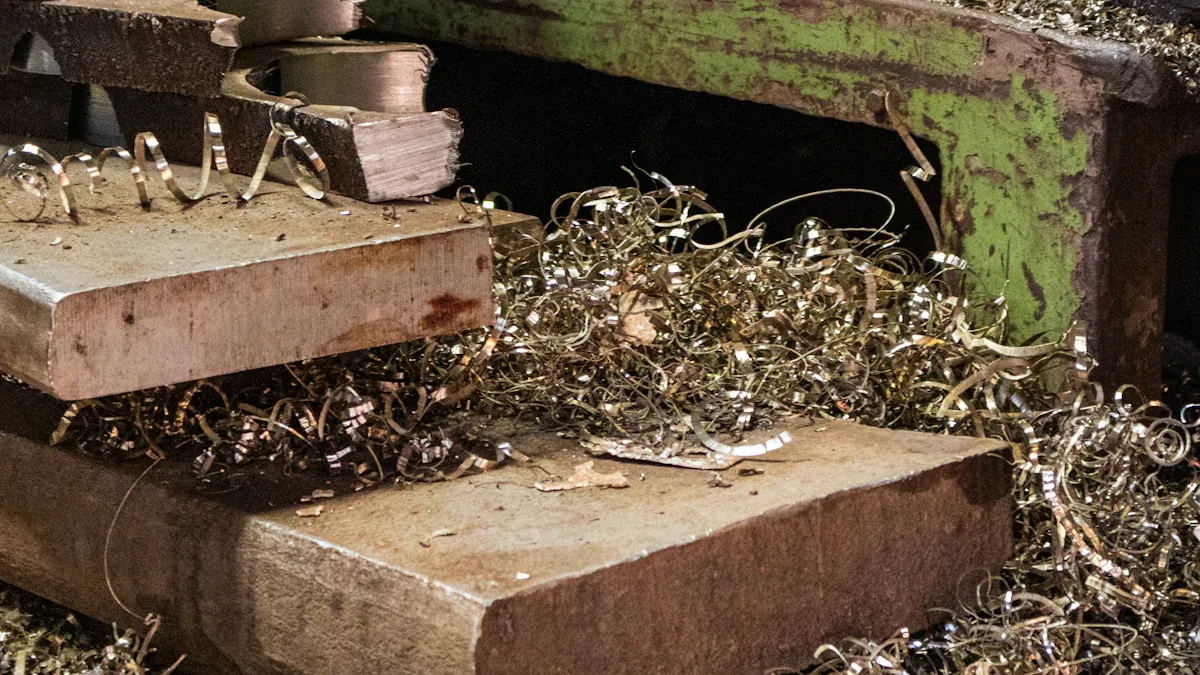
A shot blasting machine helps you clean, strengthen, and prepare metal surfaces. You use this tool to remove rust, paint, or other unwanted materials from parts. You can also make metal parts stronger and smoother with this process. When you choose the right machine, you improve how fast and well you finish your projects. Knowing the uses and types helps you get better results and save costs.
What Is a Shot Blasting Machine?
How Shot Blasting Machines Work
You use a shot blasting machine to clean or change the surface of metal parts. The machine works by shooting small metal balls or grains at high speed onto the surface. This action removes rust, old paint, or dirt. It also makes the surface smoother or stronger. You can find this process in many factories that make cars, build bridges, or create heavy machinery.
The main idea is simple. The machine throws the abrasive material, like steel shot, at the part you want to treat. The force of the impact changes the surface. You get a clean, even finish. This method helps you prepare metal for painting or coating. It also makes the metal last longer by making it stronger.
Tip: You can use different types of abrasive materials to get the finish you want. Spherical shot gives a smooth surface. Angular shot creates a rougher texture.
Main Components Overview
A shot blasting machine has several important parts. Each part helps the machine do its job well.
Blast Wheel: Throws the abrasive material at high speed.
Abrasive Storage Hopper: Holds the shot or grit before use.
Blast Cabinet: Keeps the process safe and contains the flying shot.
Work Handling System: Moves the parts inside the machine. This can be a hook, table, or conveyor.
Dust Collector: Removes dust and keeps the air clean.
Separator: Cleans and recycles the abrasive material for reuse.
Control Panel: Lets you set and monitor the machine’s operation.
You can find different types of shot blasting machines for different jobs. For example, a hook type shot blasting machine works well for cleaning steel parts, castings, or aluminum pieces. Some machines, like the ZH series, can handle sand molds and shoot sand into many molds at once.
When you know how each part works, you can use the machine safely and get the best results.
Types of Shot Blasting Machines
Factories and workshops use many shot blasting machines. Each machine works best for certain jobs. Some machines clean big parts. Others clean small or odd shapes. If you know the differences, you can pick the right one.
Hanger Type Machines
Hanger type machines hold parts with hooks. You hang the parts on special hangers. The machine moves them into the chamber. This type is good for heavy items like engine blocks or frames. The parts spin while getting cleaned. You can clean many surfaces at once.
Note: Hanger machines clean tricky shapes in one cycle.
Industries use hanger machines for big metal parts. These machines work for small batches or big runs.
Hook Type Machines
Hook type machines are a kind of hanger machine. You use one hook or two hooks to hold parts. One hook cleans one big item at a time. Two hooks let you load one part while cleaning another. This saves time and keeps work moving.
You use hook machines for castings, steel, or aluminum. They work for different shapes and sizes.
Rotary Table Machines
Rotary table machines use a round table for parts. You put items on the table. The table spins inside the chamber. The blast wheel throws material at the parts as they turn. This gives even cleaning.
Here is a table showing rotary table machine advantages and uses:
Advantages of Rotary Table Shot Blasting Machines | Applications |
|---|---|
Good for symmetrical or small-batch parts | Machine shops, aerospace |
Gives even surface preparation | Gears, engine discs, valves |
Easy loading and automatic handling | - |
Rotary table machines clean gears, engine discs, and valves. They work best for small or medium parts needing a smooth finish.
Intermittent vs. Continuous Systems
You can pick intermittent or continuous systems. Intermittent systems clean parts in batches. You load, run, and unload parts. This is good for small batches or changing parts often.
Continuous systems move parts without stopping. Conveyors feed parts in a steady flow. This cleans many parts fast. It is best for high-volume jobs.
Tip: Use intermittent for flexibility. Use continuous for speed and big numbers.
Other Major Types
There are wheel blasting and air blasting machines. Wheel blasting uses spinning wheels to throw shots. It works fast and is good for flat surfaces. Air blasting uses compressed air to shoot abrasives. It works for odd shapes and is portable.
Here is a table comparing these two types:
Type of Shot Blasting Machine | Description | Benefits |
|---|---|---|
Wheel Blasting | Uses spinning wheels to throw shots | Uniform finish, fast, keeps base metal safe |
Air Blasting | Uses compressed air to shoot abrasives | Portable, good for odd shapes, eco-friendly |
If you know these types, you can pick the best machine. You get better results, save time, and improve your work.
Shot Blasting Machine Applications
Cleaning and Surface Preparation
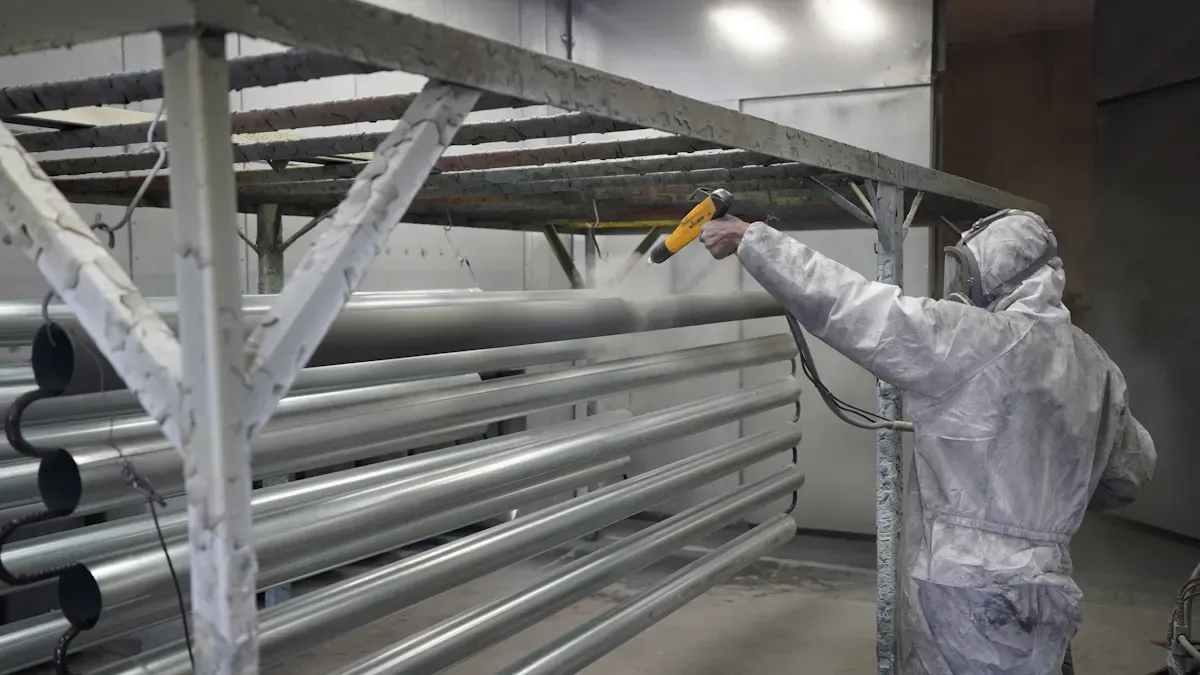
A shot blasting machine helps clean metal parts. It also gets surfaces ready for coatings. This process takes off rust, old paint, oil, and other stuff. The surface becomes clean and rough. This roughness helps paint or coatings stick better. When you blast the surface, it looks matte. A rough surface helps coatings bond to the metal.
Here are some main uses for cleaning and surface preparation:
Take off rust, scale, and old paint from steel or iron.
Clean oil and dirt from machine parts.
Make surfaces rough so paint or powder coatings stick.
Get concrete or stone ready for sealing or painting.
Tip: A clean and rough surface makes coatings last longer. It also keeps metal safe from damage.
Strengthening and Peening
Shot blasting can make metal parts stronger. This is called peening. When you blast the surface, you make small dents. These dents put pressure on the surface. The pressure makes the metal harder. It also helps stop cracks.
Peening is used for parts that get a lot of stress. For example, car makers use it for crankshafts, connecting rods, and camshafts. Peening helps these parts last longer and work better.
Here are some benefits of strengthening and peening:
Make metal parts stronger.
Help parts resist cracks and wear.
Make tools and machines last longer.
Industry Examples
Many industries use shot blasting machines for different jobs. You see these machines in factories, shipyards, and building sites. Here are some common examples:
Automotive: Clean body panels and frames. Remove rust and get surfaces ready for paint. Make engine parts stronger with peening.
Construction: Clean steel beams, concrete, and bricks. Get surfaces ready for coatings or repairs.
Shipbuilding and Marine: Take off old paint and rust from ship hulls. Get surfaces ready for new coatings and protect from rust.
Manufacturing and Fabrication: Smooth out sharp edges on parts. Get surfaces ready for painting or coating.
Oil and Gas: Clean and get pipelines, tanks, and offshore platforms ready.
Foundries: Take sand and scale off castings.
Aerospace: Get parts ready and make them stronger for tough jobs.
Stone and Marble Finishing: Clean and add texture to stone for decoration or building.
Here is a table showing where you might use a shot blasting machine:
Industry | Common Applications |
|---|---|
Automotive | Rust removal, surface prep, peening |
Construction | Steel cleaning, concrete prep |
Shipbuilding/Marine | Hull cleaning, coating removal |
Manufacturing | Deburring, edge rounding, pre-coating |
Oil and Gas | Pipeline and vessel cleaning |
Foundries | Sand and scale removal |
Aerospace | Strengthening parts |
Stone Finishing | Surface texturing |
Note: Picking the right shot blasting machine helps you finish jobs faster. It also makes your work better.
Selecting the Right Shot Blasting Machine
Key Selection Factors
You need to think about a few things before picking a shot blasting machine. Each thing helps you find the best machine for your job.
Look at your workpiece. If it has lots of corners, air blasting works best. If it is flat, wheel blasting cleans fast and evenly.
Decide if you want manual or automatic. Manual is good for small jobs. Automatic is faster and works for big batches.
Think about how many parts you clean each day. Continuous systems save time for lots of parts. Intermittent systems are good for smaller batches.
Check what finish you want. Small shots make smooth surfaces. Big shots remove paint or heavy dirt.
Match the machine to your job. You may need surface prep for painting, cleaning foundry pieces, or concrete.
Here is a table to help you pick:
Type of Workpiece | Preferred Machine | Abrasive Material Used |
|---|---|---|
Air blasting | Smaller steel shots | |
Uniform surfaces needing paint removal | Wheel blasting | Larger steel shots |
Tip: The right machine helps you work faster and get a better finish. Hook type machines clean and make steel, castings, and aluminum parts stronger. This saves time and makes your work better.
Choosing Abrasives
You also need to pick the right abrasive. The abrasive changes how the surface looks and feels.
Use small steel shots for smooth surfaces on delicate parts.
Use big shots to remove heavy rust or paint.
Try grit or sand for special jobs.
The abrasive depends on your part and what you want. Air blasting uses fine abrasives for smooth surfaces. Wheel blasting uses bigger shots for tough cleaning.
Note: Always test a small spot first. This shows how the abrasive affects your part.
When you think about these things, you can pick the best shot blasting machine. You get better results, save time, and keep your parts safe.
When you know about the types and uses of shot blasting machines, your work gets better. Picking the right machine lets you finish jobs quickly, do a good job, and spend less money. New machines now use automation and better turbines. These updates help you work with more accuracy and speed. You should always think about what you need and ask experts for advice before picking a machine. This way, you get the best results and save money.
FAQ
What safety gear should you wear when using a shot blasting machine?
You should wear safety goggles, gloves, ear protection, and a dust mask. These items protect you from flying debris and loud noise. Always check your gear before starting work.
How often should you maintain a shot blasting machine?
You should check and clean your machine after each use. Inspect parts like the blast wheel and dust collector weekly. Regular maintenance keeps your machine working well and helps prevent breakdowns.
Can you use shot blasting on non-metal surfaces?
You can use shot blasting on some non-metal surfaces like concrete or stone. Always test a small area first. Some materials may chip or crack under high pressure.
What is the difference between shot blasting and sandblasting?
Shot blasting uses steel shots or grit. Sandblasting uses sand or other fine materials. Shot blasting works best for heavy-duty cleaning and strengthening. Sandblasting suits lighter jobs.
Tip: Choose the method based on your material and the finish you want.
See Also
A Comprehensive Guide to Sandblasting Techniques and Uses
An Overview of Various Powder Coating Techniques and Applications
Key Insights Into Friction Stir Welding Machines and Applications
A Look at Various CNC Cutting Tools and Their Functions
Exploring Various Heat Treatment Processes and Their Significance
About Hunan Puka

Established in 2016 and based in Hunan, China, with a liaison point in Berlin, we are a Tier 2 supplier for the automobile industry. We specialize in the production of customized aluminum die-casting parts designed for machines with a closing force ranging from 280 to 1250 tons, with subsequent manufacturing process CNC machining and surface treatment. Our commitment to quality is reflected in our accredited quality management system, certified by ISO9001:2015 and IATF16949:2016 standards.