What You Need to Know About Secondary Machining Aluminum Die Cast Parts

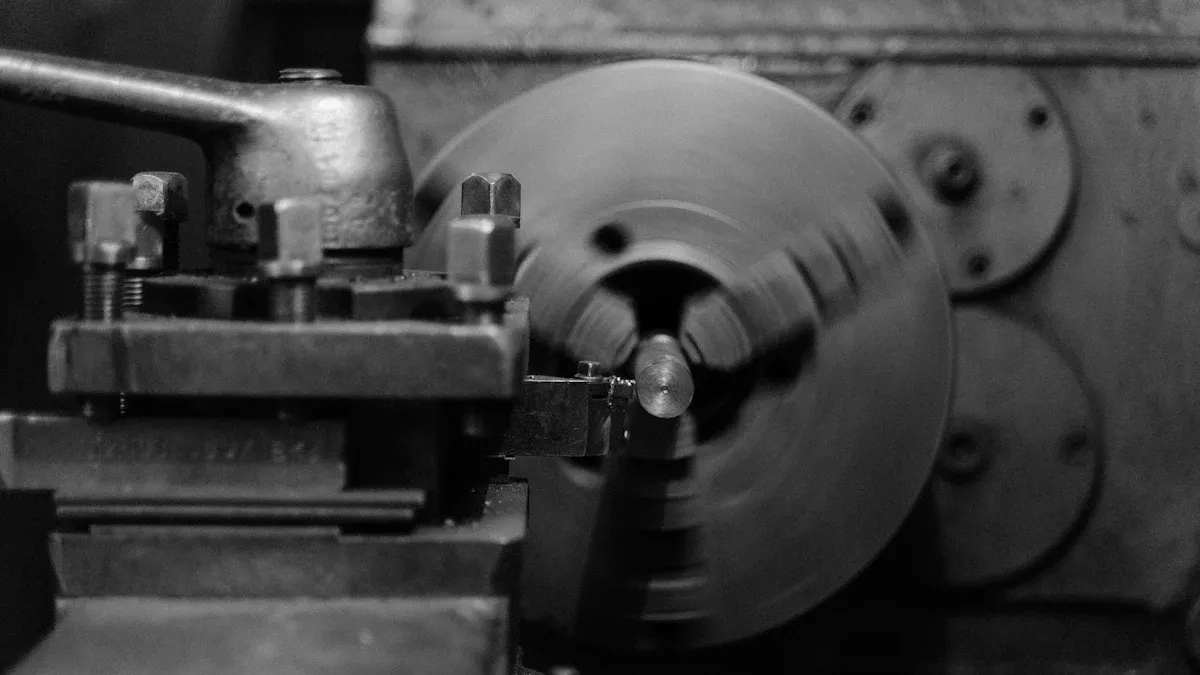
Secondary machining lets you change aluminum die cast parts into finished products. These products must meet high quality rules. After casting, you often need to make parts more accurate. You also need to take away extra material. You need to make surfaces smooth. You might use broaching, drilling, laser machining, milling, turning, or wire EDM. These steps help your parts fit and work well when used.
Why Secondary Machining Matters for Aluminum Die Cast Parts
Ensuring Quality and Precision
You want your aluminum die casting parts to last and work well. Secondary machining helps you get good quality and accuracy. After casting, parts can have rough edges or extra bits. You need to take these off so parts fit and work right. Die casting gives you a strong start, but secondary machining makes the details better.
This step is very important in industries like cars and planes. These industries need parts with tight tolerances and smooth surfaces. Secondary machining can help you get tolerances as close as ±0.05 mm. Here is a table that shows common tolerances:
Tolerance Type | Value |
|---|---|
Typical Tolerance | ±0.05 mm |
Secondary machining also helps you control the inside structure of aluminum die casting parts. You can use heat treatment to make parts stronger. You can change the size and shape of the metal’s phases to make it better. You can also use special inspection systems to check for surface problems. These steps help you keep quality high and make sure every part is good.
Tip: Always check your aluminum die casting parts with optical inspection systems. These systems can find small problems and help your production line run well.
Secondary machining helps you get quality and accuracy in aluminum die casting parts:
You can use heat treatment to make parts stronger for cars and planes.
You can control the inside structure to make parts better.
You can use electron backscatter data to learn about the inside of the metal for better checks.
You can check surfaces to find problems before shipping.
You need to follow strict checks during the die casting process. You can use random checks, optical systems, and written test plans. You can also test raw materials before you start making parts. These steps help you keep your aluminum die casting parts the same and reliable.
Meeting Customer Requirements
You want your aluminum die casting parts to match what customers want. Many customers need lots of parts and very accurate machining, especially for car parts. You can meet these needs by using secondary machining in your process. You can make sure every part fits tight tolerances and works well.
You need skilled workers and special machines to reach these goals. You can set up your foundry to include machining steps. This makes your production faster and keeps quality high. You can agree on quality tests with your customers before you start. You can also share test results and inspection reports to show you care about quality.
Here is a table that shows how manufacturers check the accuracy of aluminum die casting parts after secondary machining:
Aspect | Description |
|---|---|
Quality Management System | You can use standards like DIN ISO 9001 to meet customer needs. |
Testing Methods | You can use different tests during production to keep quality high. |
Random Inspection | You can check parts randomly and sometimes test every part for quality. |
Optical Inspection | You can use systems like HoloTop to find surface problems in your production line. |
Documentation | You can share test plans with customers to show you check quality. |
You need to make sure your aluminum die casting parts are ready to use. You can do this by following the process closely and adding secondary machining steps. You can meet customer needs for lots of parts and tight tolerances. You can also make sure your parts are strong, reliable, and look good.
Secondary machining is not just an extra step. It is an important part of the aluminum die casting process. You can use it to make sure your parts meet quality rules and customer needs. You can make your production better and more steady. You can deliver aluminum die casting parts that work well in many industries.
Key Secondary Processes in Die Casting
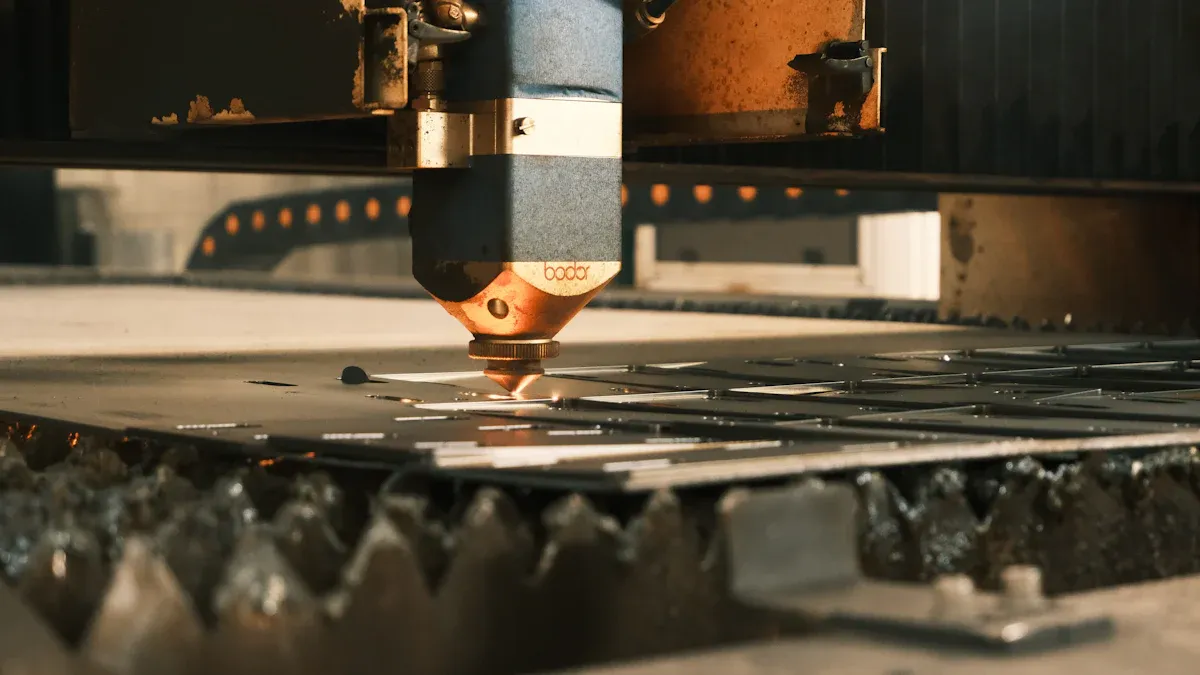
Aluminium die casting gives you strong parts, but you need extra steps to make them ready for use. These steps help you get the right shape, size, and look. You use different methods to finish aluminium parts after the main casting. Each process makes your parts better for their final job.
Trimming and Removal of Excess Material
When you finish the die casting process, you often see sharp edges and extra metal on your aluminium parts. You need to remove this extra material to get the right shape. Trimming is the first step after casting. You use special tools and machines to cut away the unwanted parts. This step helps you fix any changes in shape that happen during casting or heat treatment.
Trimming is very important for the quality and look of your aluminium die casting parts. If you skip this step, your parts may not fit or work well. You also risk missing tight tolerances. Good trimming makes your parts smooth and ready for the next steps. You get better mechanical strength and a nicer finish.
Tip: Always check your parts after trimming. Look for any bends or rough spots. Fix these right away to keep your aluminium die casting parts strong and good-looking.
CNC Machining and Finishing
After trimming, you use CNC machining to make your aluminium parts even more precise. CNC stands for Computer Numerical Control. This process lets you cut, drill, or shape your parts with high accuracy. You can make holes, slots, or special shapes that you cannot get from casting alone.
CNC machining gives you high precision for your aluminium die casting parts.
You get the same quality every time, which helps your production stay steady.
You can make complex shapes and tight fits for special uses.
The process helps you reach the right size and shape for each part.
CNC machining is key for parts that need to fit together perfectly. You use it in cars, planes, and machines. This step makes sure your aluminium die casting parts work well and last a long time.
Impregnation and Sealing
Sometimes, aluminium die casting parts have tiny holes or pores inside. These can cause leaks or weak spots. You use impregnation to fill these pores. This process uses a vacuum to pull liquid resin into the holes. The resin hardens and seals the part.
Impregnation is very important for parts that must not leak, like engine blocks or pumps. You make your aluminium die casting parts stronger and more reliable. The process also helps your parts hold pressure and resist outside forces.
Impregnation fills small holes and stops leaks in your aluminium parts.
The process seals the pores for good, making your parts last longer.
You get better strength and no gas or liquid leaks.
Your aluminium die casting parts become more durable after impregnation.
Surface Treatments and Coatings
The last step for your aluminium die casting parts is surface treatment. You use this process to protect your parts and make them look better. There are many ways to treat the surface of aluminium parts:
Painting
Anodizing
Powder coating
Enameling
Sandblasting
Polishing
Grinding
Brushing
Heat treatments
Chromating
Galvanizing
Electroless nickel plating
You can also use mechanical finishes like blasting or engraving, and chemical finishes like degreasing or etching. Electroplating is another option for a strong, shiny surface.
Surface treatments help your aluminium die casting parts resist rust, scratches, and wear. They also make your parts look smooth and bright. Here is a table that shows some common treatments and their benefits:
Surface Treatment | Benefits |
|---|---|
Anodizing | Gives strong protection, wear resistance, and color choices |
Plating | Adds corrosion resistance, stops sticking, and keeps heat away |
Polishing | Makes the surface smooth and shiny for a better look |
You use these treatments to make your aluminium die casting parts last longer and look great. They help your parts work in tough places, like outside or in machines.
Note: Choose the right surface treatment for your aluminium die casting parts based on where and how you will use them.
Each of these secondary processes helps you get the best from your aluminium die casting parts. You improve the shape, strength, and look of your parts. You make sure your parts are ready for any job, from cars to electronics. By using these steps, you get high-quality aluminium parts that meet your needs.
Impact on Quality, Tolerances, and Applications
Achieving Tight Tolerances
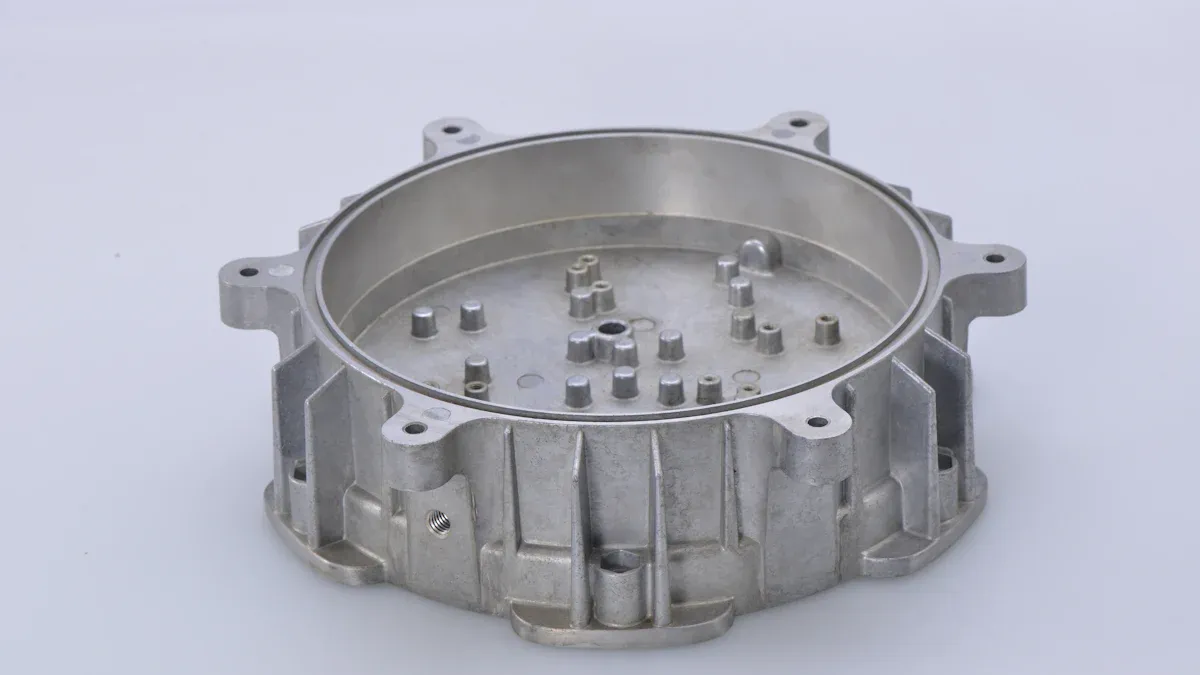
You want your aluminium die casting parts to fit well. Secondary machining helps you get tight tolerances. Die casting alone cannot always do this. Trimming and CNC machining help each part match the right size. These steps let you control shape and thickness. You can stop problems like rough edges or bumps. Many industries need parts with high precision. Special machines can measure and check every part. This keeps your production steady and parts reliable.
Tip: Always measure your aluminium die casting parts after each step. This helps you find mistakes early and keep your work on track.
Enhancing Surface Finish
You want your aluminium die casting parts to look nice and last long. Casting can leave marks or rough spots on the surface. Secondary machining makes the surface smooth and shiny. You can use polishing, grinding, or coating to protect the aluminium. These steps help your parts resist rust and scratches. A good finish also makes parts easy to clean and use. You can pick different treatments for different uses. For example, anodizing gives strong protection and color choices. Plating adds a layer that stops rust and keeps heat away.
Surface Finish Method | Benefit |
|---|---|
Polishing | Smooth, shiny surface |
Grinding | Removes rough spots |
Anodizing | Strong protection, color |
Typical Uses in Aluminium Die Casting
You see aluminium die casting parts in many industries. Secondary machining is very important for some products. These extra steps help you meet strict rules and make sure parts work well.
Automotive: Oil pans need face milling and thread drilling.
Electric vehicles: Battery housings need special machining for safety and fit.
Ship engines: Gearbox housings need careful machining for strength.
Mechanical engineering: Many machines use parts with tight tolerances.
Medical technology: Devices need smooth surfaces and exact shapes.
Aluminium die casting lets you make strong, light parts for many uses. The process gives you a good start, but secondary machining gets parts ready for real jobs. You can trust your production to give quality aluminium parts every time.
Choosing a Supplier for Aluminum Die Cast Machining
Capabilities and Equipment
You want a supplier who can do every step. Look for a company with good machines and skilled workers. A supplier with more than twenty years of experience knows how to make high-quality parts. This experience helps them fix problems fast and keep your production moving. Many top suppliers buy new machines and improve their processes. These changes help them make complex parts and meet tight tolerances. If you pick a supplier with strong technical skills, you get parts that fit and work well.
Certifications and Standards
You should check if your supplier follows important quality rules. Certifications show that a company cares about quality and safety. Here are some common certifications you might see:
Certification | Description |
|---|---|
TÜV-certified quality management system | |
ISO 9001:2008 | Quality management system used at AS-Casting |
ISO 14001 | Environmental management system certification |
AD 2000-leaflet W0 | Quality assurance system |
DIN ISO 9001 | Ensures compliance with customer and regulatory needs |
These certifications help you trust your die casting parts will meet your standards. Suppliers with these certificates test every part before shipping. This keeps your parts safe and ready to use.
Service and Support
You need more than just good machines. Great service and support matter a lot. Pick a supplier who answers questions and helps you solve problems. Good suppliers share test results and keep you updated on your order. They help you plan your project and fix issues quickly. When a supplier has experience in die casting and secondary machining, you get better results. Their knowledge helps them control the process and finishing steps. This means fewer mistakes, better parts, and faster delivery. You save time and money when your supplier knows how to handle every part of the job.
Tip: Always ask your supplier about their experience with die casting and secondary machining. This can help you avoid delays and get the best parts for your project.
Cost, Lead Time, and Order Considerations
Factors Affecting Cost
When you plan secondary machining for aluminium die casting parts, you should know what changes the price. Many things can make your parts cost more or less. The table below lists the main things that affect cost:
Factor | Description |
|---|---|
Order Volume & MOQ | Bigger orders cost less per part. Most die casting needs a minimum order amount. |
Technical Specifications | If you want very precise or complex parts, they cost more. Clear details help keep costs down. |
Material Grades and Alloy Choices | Special alloys or certifications make aluminium parts cost more. |
Quality Standards & Certifications | Meeting strict rules or customer needs can add to quality control costs and lead times. |
Supplier & Country-Related Factors | Where your supplier is and their size can change prices. Different places have different rates. |
Incoterms & Payment Terms | Shipping and customs rules like FOB or CIF change your total cost. |
The die casting process, aluminium type, and part shape all matter. If you want tight tolerances or special alloys, you pay more. Large orders help lower the price for each part. You also need to think about where your supplier is and how you pay.
Tip: Give your supplier clear drawings and needs. This helps you avoid extra costs and delays.
Lead Time Expectations
You want your aluminium die casting parts to arrive on time. Lead time depends on many things. The die casting process takes time, and secondary machining adds more steps. If you need high pressure die casting or complex work, it takes longer. Big orders take more time to finish. Special surface treatments or checks can also slow things down.
Most suppliers tell you how long it will take before you order. You should ask about each step, from casting to final machining. If you need parts fast, talk to your supplier early. They can help you plan and avoid delays.
Minimum Orders and Flexibility
Order size is important in aluminium die casting. Most suppliers have a minimum order quantity (MOQ) because casting needs special tools. Small orders cost more for each part. Bigger orders help spread out tool and setup costs, so each part is cheaper.
Key Influencers | Description |
|---|---|
Order Volume & MOQ | Bigger orders mean better prices. Small runs in die casting cost more because of setup and tooling. |
Negotiation of MOQs | You can ask for flexible terms, especially for new products or testing. Some suppliers offer staged payments. |
You can talk to your supplier about flexible MOQs. This helps if you want to test a new part or need a small batch for checking. Some suppliers let you share tool costs or pay in steps. This makes it easier to start new projects in cars or other fields.
Note: Always check the MOQ before you start. This helps you plan your production and budget for your aluminium die casting parts.
You need secondary machining to make aluminum die cast parts better. These steps help your parts get the right size and strength. They also help your parts look good. You should know what each process does. Each step can change the cost and quality. When you pick a supplier, ask about their machines. Ask how they check quality and finish the parts. Use this table to help you ask good questions:
Stage | Action Points |
|---|---|
Material Selection | Ask for certificates and info about where it came from |
Machining Operations | Ask for lists of machines and how they control the process |
Quality Control | Ask for certificates and reports on inspections |
FAQ
What is secondary machining in aluminum die casting?
Secondary machining means you use extra steps after casting. You trim, drill, or finish parts to get the right size and look. These steps help your parts work better and last longer.
Why do you need secondary machining for die cast parts?
You need secondary machining to remove rough edges and make parts fit well. These steps help you meet strict quality rules. You also improve the strength and appearance of your aluminum parts.
Which secondary machining process should you choose?
You pick the process based on your part’s needs. Use trimming for extra metal, CNC machining for tight shapes, impregnation for sealing pores, and surface treatments for protection. Ask your supplier for advice.
How does secondary machining affect cost and lead time?
Secondary machining adds cost and time. Complex shapes or tight tolerances cost more. Large orders help lower the price per part. You should plan with your supplier to avoid delays.
Can you skip secondary machining for simple parts?
You can skip it for some simple parts. If your part does not need tight tolerances or a smooth finish, you may use it as cast. Most industries need secondary machining for quality and safety.
See Also
Exploring The Mechanics Of Aluminum And Die Casting
Comparing Aluminium And Magnesium For Lightweight Die Casting
A Comprehensive Guide To CAD Design In Die Casting
Understanding Functional Testing In CNC And Die Casting
Exploring CAE Analysis Advantages In Die Casting Design
About Hunan Puka

Established in 2016 and based in Hunan, China, with a liaison point in Berlin, we are a Tier 2 supplier for the automobile industry. We specialize in the production of customized aluminum die-casting parts designed for machines with a closing force ranging from 280 to 1250 tons, with subsequent manufacturing process CNC machining and surface treatment. Our commitment to quality is reflected in our accredited quality management system, certified by ISO9001:2015 and IATF16949:2016 standards.