Understanding the Importance of Safety in Die Casting

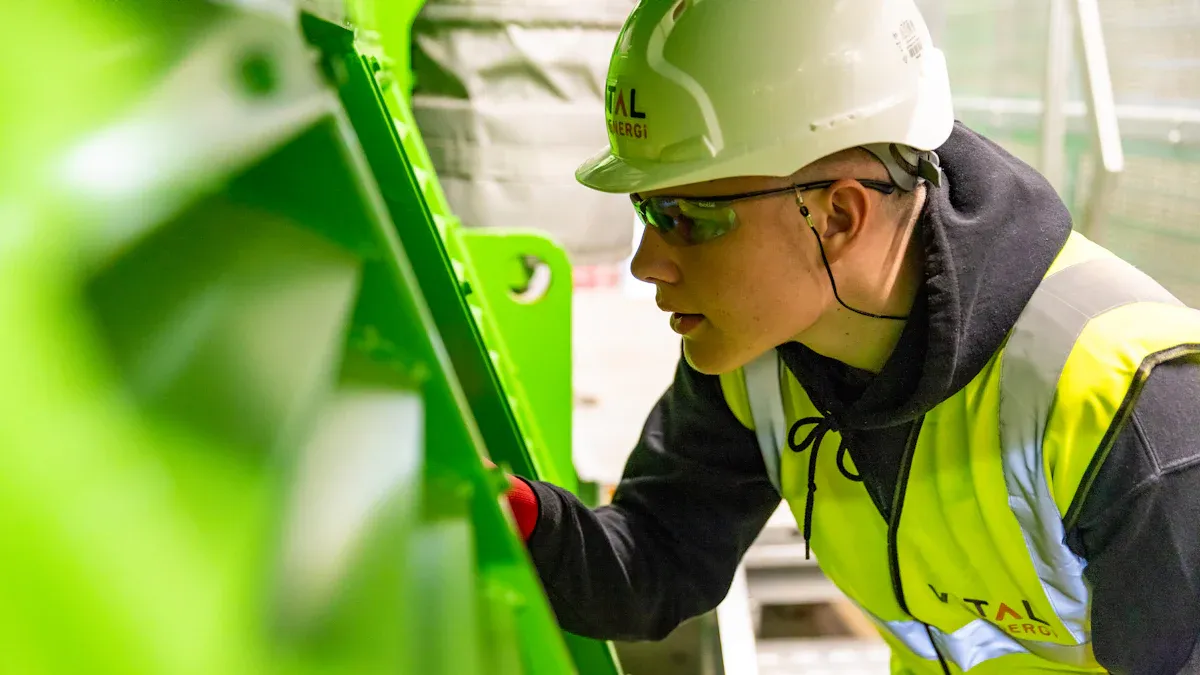
You can get hurt when you work in die casting, so it’s important to always follow safty manufacturing practices. There are dangers like hot metals and extremely high heat. Some materials, such as magnesium, can catch fire easily. Molten metals can cause serious burns to your skin, and heat can also damage your skin. Chemicals may explode if they come into contact with liquid metals. If you do not handle water and molten metal properly, explosions can occur. Not following safty manufacturing rules can make you sick and can also lower the quality of products. You need to be alert to these dangers at all times in safty manufacturing.
Why Safety Matters in Safty Manufacturing
Worker Protection
Working in die casting can be dangerous. Hot metals, big machines, and chemicals can hurt you. You need good safety rules to stay safe. These rules protect you and your coworkers. If you follow them, accidents happen less often. Companies that spend more on safety have fewer injuries. They also save money in the long run. Check out this table to see how safety helps:
Investment Type | Initial Cost | Projected Cost of Accidents | Savings Over 20 Years |
|---|---|---|---|
Minimum Safety | $750,000 | $1,408,13 | N/A |
Enhanced Safety | $1,500,000 | $704,07 | $1,200,000 |
You can see that paying more for safety at first saves money later. It also means fewer people get hurt.
Leaders must show they care about safety. They should talk about safety often. They should join safety checks and spend money on health and safety.
When leaders care about safety, you feel safer at work. You also feel more sure of yourself.
Product Quality
You want to make good products. Safe places help you do your best work. If you hurry or skip safety steps, you might mess up. This can make weak or broken parts. Good safety rules help you focus and do better work.
Regulatory Compliance
You have to follow rules and laws in die casting. These rules keep you and your team safe. If you break them, your company can get fined or closed. Here are some important rules for die casting:
Regulatory Requirement | Description |
|---|---|
You must follow the Machinery Directive 2006/42/EC. This rule says what you need to do to keep people safe in die casting. | |
Machinery Directive | This rule started at the end of 2009. It makes sure all die casting tools and molds in Europe are safe to use. |
When you follow these rules, you help your company stay open. You also help keep everyone safe.
Main Hazards in Die Casting
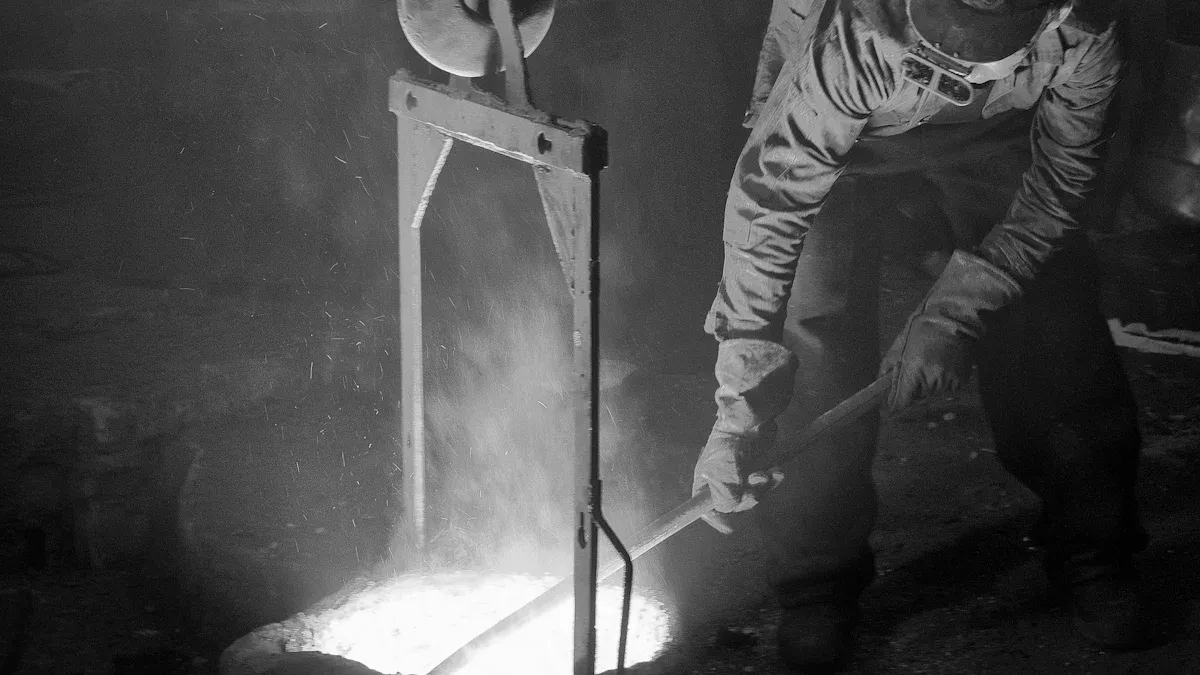
Molten Metal and High Temperatures
You work with molten metal every day in die casting. The metal can reach temperatures above 1,000°F. If you touch it, you can get serious burns. Hot surfaces and splashes can hurt your skin and eyes. You need to wear gloves, face shields, and heat-resistant clothing. Always check your equipment before you start. If you see leaks or cracks, report them right away.
Tip: Never rush when handling molten metal. Take your time and follow safety steps.
Magnesium and Flammability Risks
Magnesium is light and strong, but it can catch fire easily. If you drop magnesium or expose it to water, it may ignite. Fires from magnesium burn very hot and are hard to put out. You must keep water away from magnesium. Use special fire extinguishers for metal fires. Store magnesium in dry places and keep it away from sparks.
Hazard | What Can Happen | How to Stay Safe |
|---|---|---|
Magnesium Fire | Burns, explosions | Use dry sand, special extinguisher |
Equipment and Mechanical Dangers
Die casting machines have moving parts. You can get caught in gears or presses. Pinch points and sharp edges can cut your hands. Always keep guards on machines. Never reach into a running machine. If you need to fix something, turn off the power first. Listen for strange noises from machines. Report problems to your supervisor.
Common mechanical hazards:
Pinch points
Rotating gears
Sharp edges
Chemical Exposure
You use chemicals to clean molds and cool machines. Some chemicals can irritate your skin or eyes. Others can make you sick if you breathe them in. Always read labels before you use chemicals. Wear gloves and masks when you handle them. Store chemicals in safe containers. If you spill something, clean it up right away.
Note: If you feel dizzy or get a rash, tell your supervisor. You may need medical help.
Safety Measures and Best Practices
PPE and Training
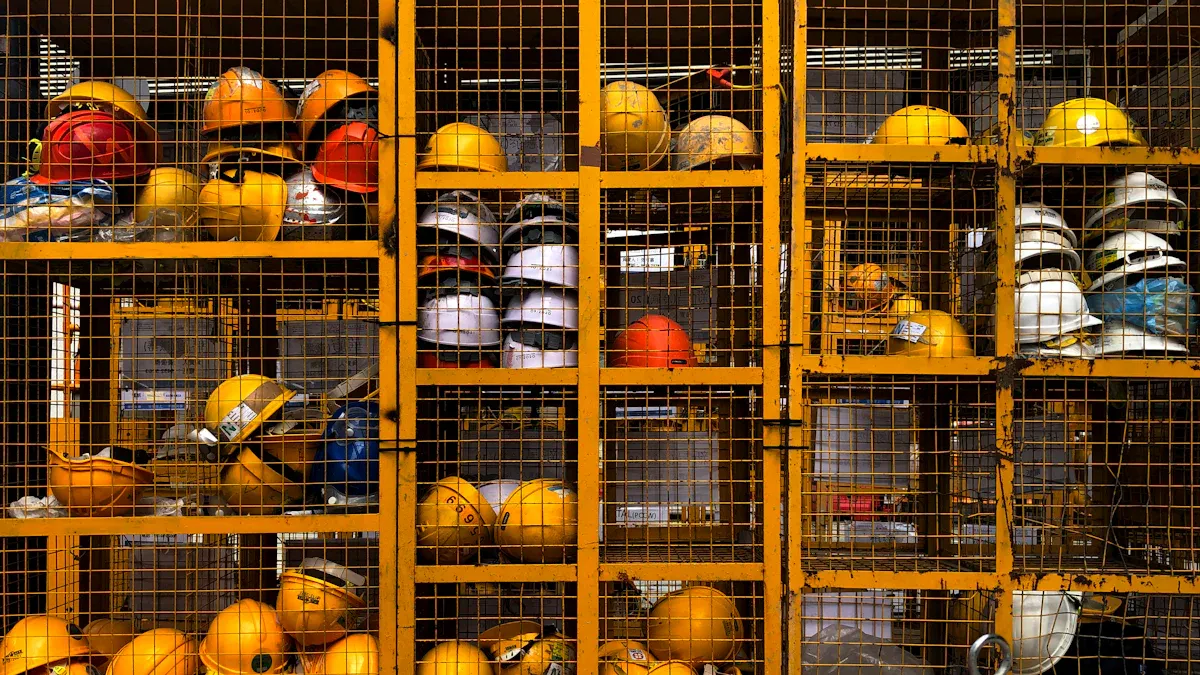
You must wear the right gear every day at work. Personal protective equipment (PPE) keeps you safe from burns and cuts. It also protects you from chemicals. You should wear gloves, face shields, and safety glasses. Heat-resistant clothing helps protect your body. Good shoes keep your feet safe from heavy things and hot spills.
Training teaches you how to use machines safely. You learn what to do if something goes wrong. Training helps you spot dangers before they hurt you. You need regular training for new risks and new machines. When you know the rules, you can help others stay safe too.
Tip: Always check your PPE before you start work. Replace anything that is worn out or broken.
Machine Safeguards
Die casting machines move fast and have sharp parts. Guards and barriers keep your hands and body safe. Never take a guard off a machine. If you see a missing or broken guard, tell your supervisor right away.
You should follow lockout and tagout steps before fixing a machine. This means you turn off the power. No one can turn it back on by mistake. Regular checks and maintenance help machines work well and stop accidents.
Common problems with keeping machines safe:
High tool costs make it hard to upgrade old machines.
Picking the right supplier can be tricky.
Quality checks are important because cracks or porosity can cause failures.
Old parts are hard to replace if you do not have drawings.
Global supply chains can slow repairs if parts are late.
Emergency Procedures
You must know what to do in an emergency. Fires, chemical spills, and machine failures can happen fast. Your workplace should have clear signs and escape routes. Practice fire drills so you know where to go.
Keep special fire extinguishers close by, especially for metal fires. Do not use water on magnesium fires. Learn how to use emergency showers and eye wash stations. If someone gets hurt, call for help and follow first aid steps.
Alert: Report all accidents, even small ones. This helps your team fix problems before they get worse.
Compliance with Standards
You need to follow safety standards to protect yourself and others. These rules come from international groups and local laws. They cover everything from machine design to warning signs.
Here is a table that shows one important standard for safty manufacturing:
Aspect | Description |
|---|---|
Standard | |
Governs | Safety requirements for foundry machinery, including die casting manufacturing |
Compliance | Aligns with Machinery Directive 2006/42/EC |
Key Areas Addressed | Mechanical hazards, electric hazards, explosion, fire, noise, thermal radiation, harmful by-products, maintenance, and warning systems |
You should check that your workplace follows these standards. Regular audits and inspections help you stay up to date. When you follow the rules, you lower the risk of accidents and keep your company running well.
Note: The push for efficiency and sustainability brings new challenges. You may need to learn new skills as machines and parts become more complex.
Real-World Cases: Hunan Puka and Industry Insights
Hunan Puka’s Safety Approach
Hunan Puka cares a lot about safety. They make sure workers are safe in every part of die casting. You see safety signs everywhere you look. Workers wear gloves and face shields every day. Everyone gets training on how to stay safe. You practice what to do if there is an emergency. The company checks machines often and fixes them fast. Leaders walk around and talk about safety with workers. This makes everyone want to help keep each other safe.
Industry Best Practices
Many die casting companies use smart safety steps. Factories now use more machines to do dangerous jobs. This keeps workers safe from harm. Guards and sensors stop machines if something is wrong. You get training on new machines and learn about dangers. Good companies keep chemicals in safe places. They use special fire extinguishers for metal fires. They check equipment often and fix problems before accidents happen.
Here is a table that shows how better safety changes your work:
Impact Area | Description |
|---|---|
Setup times reduced from hours to a fraction due to automation. | |
Increased Safety | Elimination of manual rigging steps enhances safety for personnel. |
Higher Equipment Availability | Improved overall equipment effectiveness (OEE) due to reduced downtime during die changes. |
Relief for Personnel | Decreased reliance on skilled specialists for manual tasks, allowing for better resource allocation. |
Impact on Safty Manufacturing
When you follow strong safety rules, big changes happen. Fewer accidents mean workers stay healthy. Machines work better and break less often. You spend less time fixing things and more time making products. Companies save money because they do not pay for injuries or lost work time. You feel proud to work in a safe place. This helps everyone do their best work every day.
Benefits of Prioritizing Safety
Worker Well-Being
You feel safe when your workplace cares about safety. Good safety rules keep you from burns, cuts, and chemicals. You can do your job without being scared of getting hurt. When your company cares about your health, you feel happy and work harder. You also miss less work because you stay healthy. A safe place helps you trust your team.
😊 When you feel safe, you work better and help others stay safe too.
Product Reliability
You make stronger products when you follow safety steps. Careful work means you make fewer mistakes. Safe habits stop you from making weak or broken parts. Customers trust your company when you make good products. In safty manufacturing, strong safety habits mean better quality and fewer returns. You help your company look good by making safe choices every day.
Cost and Risk Reduction
You save money when you find risks early and fix them fast. Early risk checks stop problems and lower extra costs. When you use smart risk plans, your work is smoother and faster. Many companies use FMEA to find and fix risks before they get big.
Evidence Description | Key Benefits |
|---|---|
Early risk detection and assessment | Minimizes disruptions and reduces follow-up costs |
Targeted risk strategies | Enhances process stability and operational efficiency |
Reduces likelihood of expensive failures, rework, and downtime |
FMEA helps you fix risks early so you avoid big problems.
You have fewer warranty claims and less rework.
Your company saves money and works better.
When you focus on safety, you have fewer accidents and mistakes. You help your company grow and do well for a long time.
You are important for safety in die casting. Good safety rules keep you safe and help make better products. They also help your company do well. Always pay attention and learn about new dangers. Training and following rules help a lot. Here are some ways to make things safer:
Use special tests to find damage you can’t see.
Give technicians more training so they get better.
Work safely every day. What you do helps everyone stay safe and go home healthy.
FAQ
What is the most important safety gear in die casting?
You need gloves, face shields, and heat-resistant clothing. These protect you from burns and cuts. Always check your gear before work. Good shoes also keep your feet safe from hot spills.
How do you handle a magnesium fire?
Never use water on a magnesium fire.
Use a special fire extinguisher or dry sand. Move away from the fire if you can. Tell your supervisor right away.
Why should you report small accidents?
You help your team fix problems early. Small accidents can show bigger risks. Reporting them keeps everyone safer. You also help prevent future injuries.
What should you do if you spill chemicals?
Tell your supervisor.
Wear gloves and a mask.
Clean up with the right tools.
Wash your hands after.
You keep yourself and others safe by acting fast.
See Also
Exploring How CAE Analysis Enhances Die Casting Design
The Effects of Thermal Stress on Die Casting Parts
A Comprehensive Guide to CAD Design for Die Casting
Strategies for Effective Waste Sorting in Die Casting Plants
Essential Inspection and Testing Steps for Die Casting Molds
About Hunan Puka

Established in 2016 and based in Hunan, China, with a liaison point in Berlin, we are a Tier 2 supplier for the automobile industry. We specialize in the production of customized aluminum die-casting parts designed for machines with a closing force ranging from 280 to 1250 tons, with subsequent manufacturing process CNC machining and surface treatment. Our commitment to quality is reflected in our accredited quality management system, certified by ISO9001:2015 and IATF16949:2016 standards.