Common defects in die casting and how to prevent them

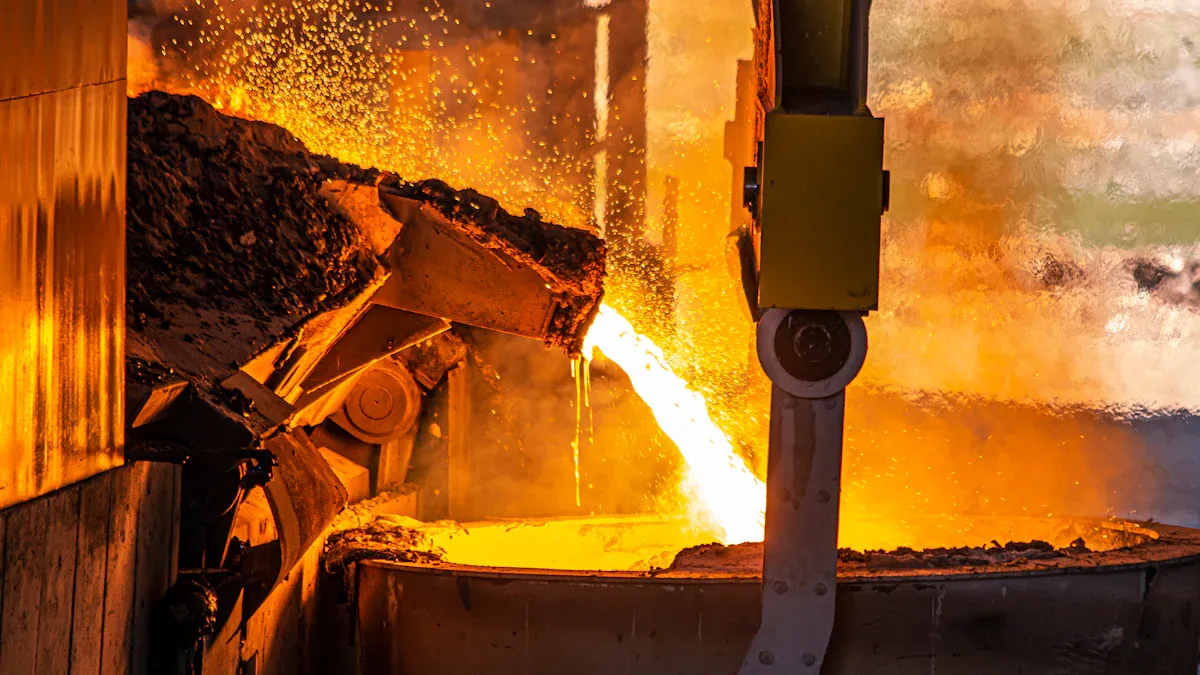
💡 Bad die casting defects ruin product quality fast. They spoil smooth surfaces. They also raise making costs.
Use this easy guide to fix every defect. It works right on your shop floor. Factory engineers can use it. Quality teams can use it too. Designers can fix their casting plans with it. You will spot visual clues fast. You will study heat causes. Then, you will fix your mold forever.
Quick Diagnostic Guide for Die Casting
You can spot defects fast on the floor. This guide helps you diagnose every defect quickly. It protects product quality well.
Visual Identification Matrix for Each Defect
Inspect each casting carefully under bright light. Use this chart to sort each defect correctly:
Defect Type | Visual Indicators | Affected Area |
|---|---|---|
Gas porosities | Smooth round holes | Inner walls of casting parts |
Blisters | Raised skin bubbles | Outer shell of casting parts |
Short filling | Empty thin edges | Whole die cavity |
Small porosities lower structural strength. A short run makes incomplete shapes. You spot surface defects before shipping bad parts. Fix a continuous defect by checking injection parameters.
Primary Root Causes in Pressure Casting
Main causes come from bad heat control. Wrong pressure settings cause defects too. Heat growth creates tension in the mold.
Cause Category | Specific Factors Identified |
|---|---|
Thermal Causes | Bad die heat, hot metal, uneven mold heating |
Parameter Causes | Slow injection speed, low pressure, bad timing |
💡 Operating Tip: Keep die temperature settings near 180°C and 280°C. This lowers stress.
Cold tools freeze metal too fast during injection. High heat causes shrinkage voids. Slow speed traps air inside the steel die. Changing shot speeds fixes your die casting line. Good process control ensures top casting results always.
Gas Porosity and Shrinkage Defects
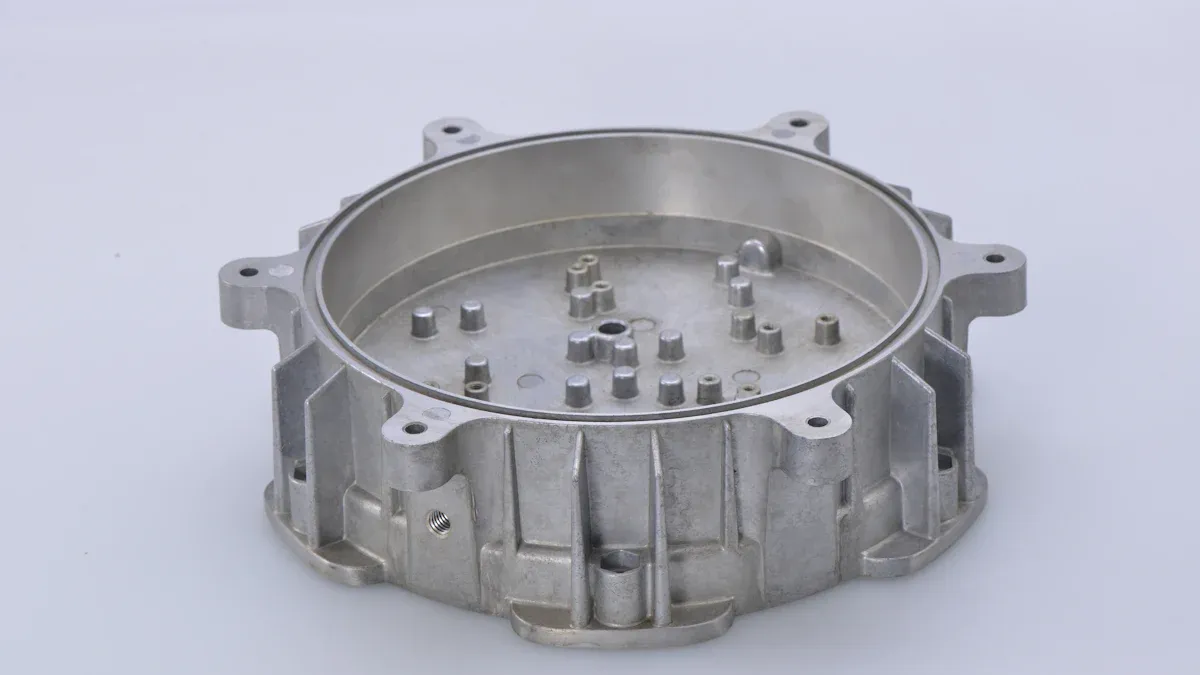
Trapped gas weakens your metal parts. Find these holes early. This protects your product quality.
Identifying Entrapped Air and Gas Porosity
Gas blow holes form during shots. Wet ingots release gas into metal. Extra plunger oil burns up fast. This burning oil creates gas porosities. Use X-rays to check parts.
Characteristic | Gas Porosity | Shrinkage Porosity |
|---|---|---|
Shape | Rounded, regular | Irregular, reflecting crystallite structures |
Size | Smaller | Larger |
Surface Texture | Smooth-walled | Irregular inner surface |
Sphericity Value | Greater than 0.4 | At or below 0.4 |
X-ray scans show clear shape details:
Hydrogen/Gas Porosity Features: These show smooth round holes inside.
Shrinkage Porosity Features: These show jagged rough edges instead.
Molten Metal Degassing and Moisture Control
Clean gas out before shooting metal. Warm liquid aluminum absorbs water fast. Super hot metal takes in gas. Rotary tools blow gas to clean.
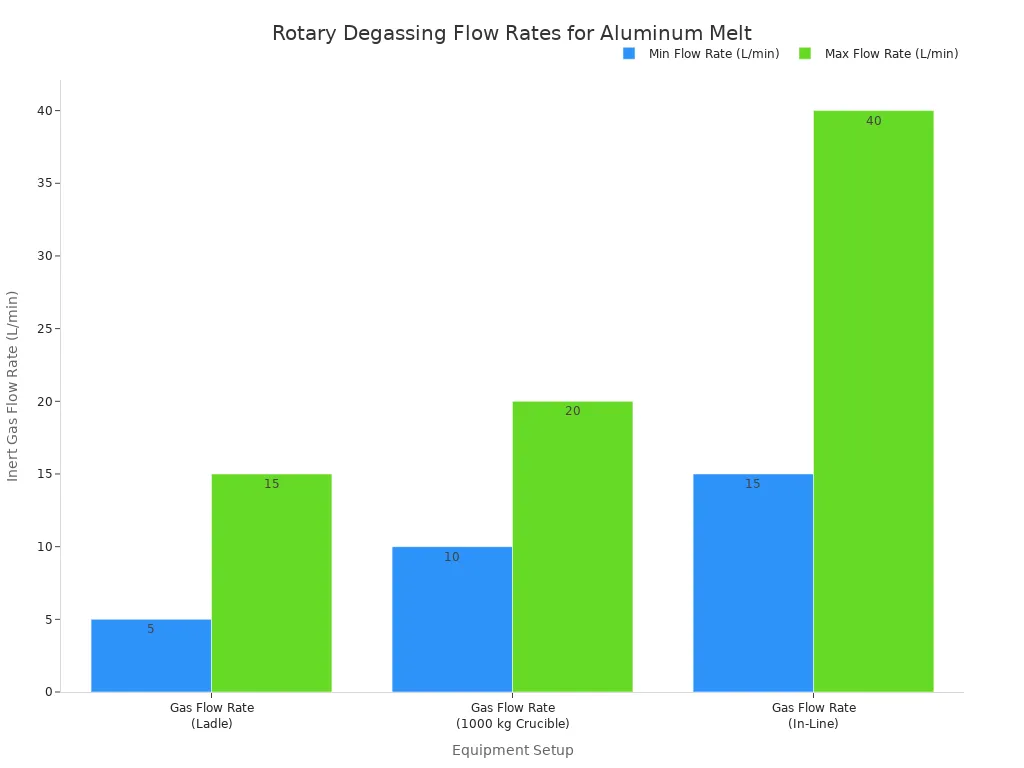
Set your furnace with these rules:
Parameter Category | Specific Conditions / Settings | Target Hydrogen Level |
|---|---|---|
Gas Flow Rate (Ladle) | 5–15 L/min | < 0.10 mL/100 g Al |
Gas Flow Rate (In-Line) | 15–40 L/min | < 0.10 mL/100 g Al |
Gas Flow Rate (1000 kg Crucible) | 10–20 L/min | < 0.10 mL/100 g Al |
Rotor Speed | 350–500 RPM or 400–600 RPM | < 0.10 mL/100 g Al |
Purging Gas Types | Argon or Nitrogen | < 0.10 mL/100 g Al |
Processing Duration | 8–15 min per 500 kg batch | < 0.10 mL/100 g Al |
💡 Pro Tip: Dry your ingots before melting them. Keep lubricants in dry rooms. This stops gas porosities completely.
Gating System Optimization and Venting
Your gate directs all metal flow. Fast metal creates choppy liquid waves. Keep gate speeds near thirty. Keep them under sixty meters. Good gate sizes help fill well. They keep surface quality very smooth. Thick gates spoil part surfaces fast.
[Plunger Acceleration] -> [Controlled Gate Speed (30-60 m/s)] -> [Smooth Filling] -> [Venting Air Out]
Put overflow spots along mold seams. Vents let trapped air out easily. Metal pushes air right through vents. Clear channels daily to stop clogs.
Mitigating Thermal Shrinkage and Misruns
Hot metal shrinks when hardening turns solid. Low squeeze pressure causes inner holes. Cold dies cause short empty fills.
Stop misrun errors and gas porosities easily:
Heat cold die tools near runners.
Push extra pressure to pack solid metal.
Shoot liquid metal before edges freeze.
Cooling pipes balance mold surface heat. Tuning shot profiles keeps parts strong.
Surface Defects in Die Casting
Flow Marks, Cold Shuts, and Misruns
Line patterns appear on raw metal. Liquid metal hits cold walls. This makes flow marks. Metal streams may not join. This forms cold shuts. Metals freeze early. This causes misruns.
Cold metal makes surface flaws. Cold metal stops moving well. Fast freezing leaves empty spots. This makes a short filling issue. Thin metal parts bend fast. Fix machine settings now. Stop a short filling issue. Good filling covers all areas.
Blisters and Surface Bubbles
Hot trapped gas expands fast. Thin metal skins puff up. This forms blisters on parts. Internal gas porosities expand during heat. Gas makes smooth skins bulge.
Watch heat cycles very closely. Catch metal swelling early. High heat expands gas pores. This harms A380 metal alloys:
Heat Treatment Temperature | Treatment Duration | Observed Blistering / Pore Expansion Event |
|---|---|---|
490 °C | 15 minutes | Normal skins developed blisters from gas pore expansion under metal. |
490 °C | 20 minutes | Flat internal flaws grew bigger. This caused blisters on A380 parts. |
490 °C | 30 minutes | Surface blisters formed during treatment across normal metal skins. |
Control holding heat settings carefully. Protect overall surface quality well. Lower heat stops new blisters. Checking furnaces prevents heat damage.
Sink Marks and Localized Depressions
Thick sections sink while cooling. Inner metal shrinks inside dies. This creates bad sink marks. Outer skins freeze very fast. Inner cores stay hot long. Low pressure misses thick spots.
Increase final shot pressure now. This removes structural defects fast. Line up cooling pipes well. Keep mold heat balanced everywhere. Good molds cool down evenly. Design walls with equal thickness. This stops deep metal shrinkage.
Thermal and Velocity Parameter Fixes
Fix machine settings now. This removes surface flaws fast. Fast shots fill die cavities. High pressure fills deep ribs. Metal hardens after full shots. Right speeds stop messy flow.
💡 Optimization Tip: Raise die heat now. Smooth metal moves very fast. This stops blisters fast. It fixes a short filling issue.
Fix heat across all molds. Tool heat controls liquid flow. Good settings stop flow flaws. Proper fixes stop repeating errors. Clean machines make great parts.
Structural Flaws and Material Inclusions
Hot Tears and Structural Cracks
Stressed metals tear apart while cooling down. Fast uneven cooling causes mold stress. Sharp inner corners create huge stress points. Redesign your parts to make walls stronger. Better designs reduce a serious structural defect quickly.
Component Warpage and Drag Marks
Ejector pins push hot parts out early. Early pushes bend thin metal sections easily. High mold heat makes walls bend too. Rough mechanical friction causes drag marks. Operators must spray lubricants very evenly now. Good thin sprays prevent sticking. This helps remove parts smoothly every time.
Hard Spots and Non-Metallic Inclusions
Dirty oxide bits ruin your liquid metal. Bad metal forms a hard spot defect. This ruins sharp cutting tools fast. Low metal heat freezes shots too early. This creates another internal defect inside dies. Floating slag stops smooth metal flows. Clean liquid metal stops surface defects easily.
Alloying and Ejection Process Solutions
Check furnace heat levels constantly today. Clean mold faces to remove all dirt. Keep heat very balanced everywhere inside. Good alloy control stops this persistent defect. Smart cooling stops all part bending. Fine settings lower hidden casting problems fast. Control these settings to protect finished parts.
Tooling-Induced Die Casting Defects
Flash and Parting Line Separation
High shot push forces liquid metal between mold spaces. You fix this defect by setting correct clamp power. Use two to eight tons per square inch. Use three tons as your main starting count. Multiply this base number by 1.2 safety power. This extra push keeps the die shut tight. Lower top pressure to protect your open die cavity.
Soldering and Metal Adhesion
Hot liquid sticks to raw steel walls fast. Melting aluminum makes big drags and soldering on inside walls. Fix this surface defect with auto lube sprays. Keep tool heat under main top limits. Smart spray cools hot spots fast. Clean tools drop smooth casting parts without hard friction.
Heat Checking and Thermal Fatigue Cracks
High thermal stress harms steel parts over time. Fast thermal cycles make fine turtle cracks on worn faces. These tiny turtle cracks look like web shapes. Every group of turtle cracks leaves lines on raw metal. Stop these turtle cracks by tuning water flow speeds. Keep tool heat level to stop strong heat shocks. Fix this structural defect early to save die inserts.
Tooling Maintenance and Lubrication Best Practices
Care for all molds on a strict plan. Clean each die cavity after every work run. Use even die spray to end drags and soldering. Keep mold cooling lines balanced for safe heat control. Watch daily heat jumps to stop hot spots. Fix heat balance across steel blocks. Keep steady squeeze power during the final fill step. Good care guards every die cavity from early wear. Check each die cavity before setting up tools. A clean mold makes correct casting parts every time. Check your mold daily to stop every tool defect. Routine care stops a bad defect and aids production.
Systematic Defect Prevention Protocol
Phase 1 Injection Parameter Calibration
Set machine settings step by step now. First, lower early shot speeds. This simple step keeps air out. Next, raise fast push pressure. Quick flow fills the whole empty mold. Finally, boost squeeze force fast. High pressure packs metal tight. It stops shrinking holes completely. Good settings fix incomplete fills easily. Smart tweaks fix basic machine errors.
Phase 2 Melt Quality and Temperature Control
Watch metal heat to make great parts. Keep furnace liquid heat very steady. Small digital tools check heat levels. Too much heat makes bubbles and bends. Low heat leaves empty mold spots. Clean liquid metal with argon gas. Pure metal makes strong final parts. Check tool heat during all runs. Steady cooling saves steel molds. Good care stops deep heat damage.
Phase 3 Mold Maintenance and Tool Redesign
Fix tools early to save your shop. Check steel dies daily for small cracks. Clean tiny air vents very often. Open vents let trapped air out. Check clamp force every single week. Strong clamps seal mold lines tight. Change flow paths if flaws return. Smart care stops quick tool wear. Balanced heat brings steady part yields.
💡 Balance heat, tool care, and machine settings. This protects top part quality.
Use a simple step plan now. Tweak quick shots first. This ends small flaws fast. Change steel molds later. Testing helps your shop yield. Good tool care stops every repeating flaw.
FAQ
How do you spot gas porosity versus shrinkage porosity?
X-ray your parts. Gas porosity shows smooth round holes. Shrinkage porosity shows rough jagged shapes. Check shape values fast.
What die heat stops surface flaws best?
Keep die heat between 180°C and 280°C. This range helps metal flow. It stops cold shuts. It fixes a short filling issue. It stops stress cracks.
How does plunger oil stop gas flaws?
Use very little oil each time. Too much oil burns up fast. Burning oil creates expanding gases. Proper lube stops trapped gas holes.
Why does flash form on mold lines?
High pressure pushes metal outside. Add clamp force to stop flash. Use two to eight tons per inch. This seals molds tight.
See Also
Understanding How Extreme Thermal Stress Damages Die Casting Components
Guide To Entrainment Defects In Metal Casting And Prevention
Essential Steps For Testing Die Casting Molds Before Manufacturing
Exploring Shrinkage Porosity Causes In Modern Metal Casting Processes
Key Variables That Determine Overall Die Cast Mold Costs
About Hunan Puka

Established in 2016 and based in Hunan, China, with a liaison point in Berlin, we are a Tier 2 supplier for the automobile industry. We specialize in the production of customized aluminum die-casting parts designed for machines with a closing force ranging from 280 to 1250 tons, with subsequent manufacturing process CNC machining and surface treatment. Our commitment to quality is reflected in our accredited quality management system, certified by ISO9001:2015 and IATF16949:2016 standards.