How to Optimize Die Casting Venting for Better Results

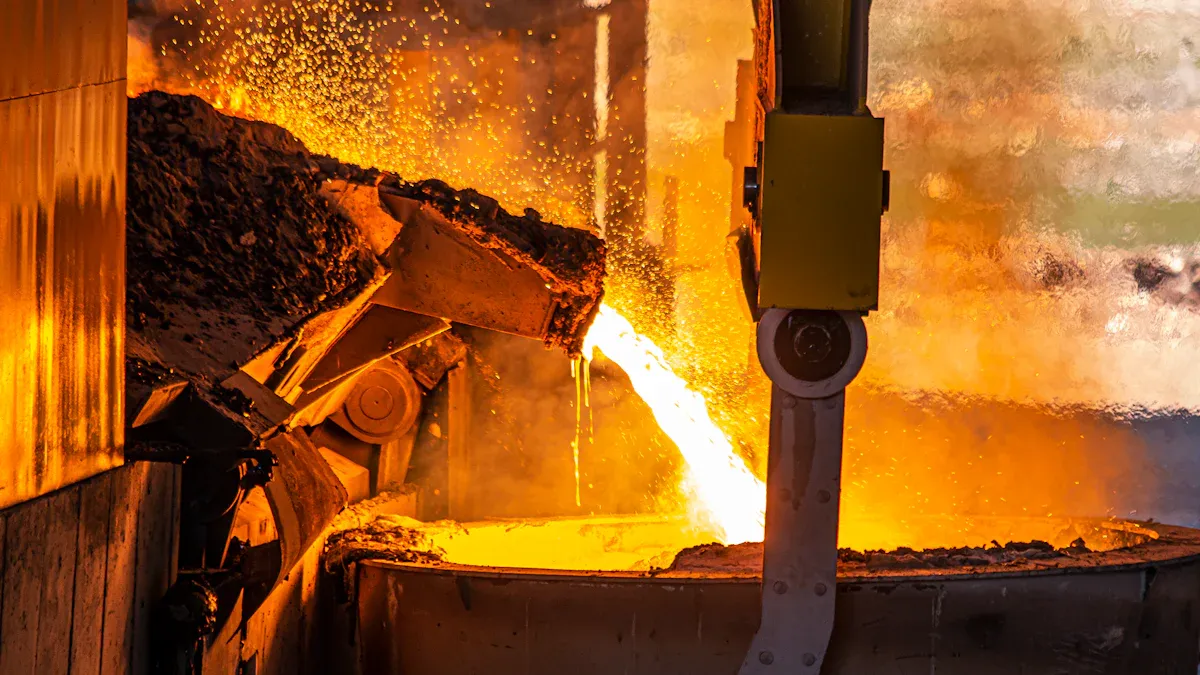
You can get better casting quality and have fewer defects by making die casting venting better. Good vent design stops gas from building up. Gas buildup can cause problems in die casting. Studies show there are many good things when you make venting better:
Making core box venting better is very important for good core gassing.
Better venting means there are fewer defects in casting.
You get more castings and better quality with improved venting.
Try simple steps to make your venting process better and you will see fast results.
Why Die Casting Venting Is Essential
Impact on Casting Quality
You want your die cast parts to look good and last long. Proper die casting venting helps you reach this goal. When you let trapped air escape during the die casting process, you stop gas from getting stuck in the metal. This step makes your parts stronger and gives them a smoother surface. If you skip good venting, you may see small holes or rough spots on your parts. These problems can make your products weaker and less reliable. Good vent design also helps you avoid costly repairs or rework.
Tip: Always check your vent locations and make sure they are clear before each production run. This simple habit can save you time and money.
Common Gas Defects
You may notice some common defects if you do not use the right venting methods. These problems often come from trapped gas in the mold. Here are some issues you might see:
Core gas porosity often happens when the binder in the core or mold does not cure well or when the core gets too hot.
Gas can enter the casting at certain points, leading to porosity defects.
Overheating the core can cause more gas to escape, making the problem worse.
Changing how you heat the core or how much binder you use can help reduce these defects.
Process Efficiency Benefits
When you use proper die casting venting, you make your whole process better. You get fewer rejects and more good parts in each batch. This means you spend less time fixing mistakes. You also use less material and energy. A good vent design helps you keep your machines running smoothly. You can finish jobs faster and meet your deadlines. In the end, you save money and keep your customers happy.
Main Venting Methods in Die Casting
Air Venting Techniques
You can use air venting techniques to help gases escape during the die casting process. When you fill a mold with molten metal, air and other gases need a way out. If you trap these gases, you may see defects like porosity or weak spots in your parts. Good air venting starts with smart design. For example, engineers working on a complex crossbeam used four different gating layouts to reduce air entrapment. They added extra vents in critical areas, which helped air escape and improved the quality of the finished part.
You should place vent slots in your mold to let gases out as the metal fills the cavity. These slots prevent air traps and porosity, making your parts stronger and smoother. Proper venting also lowers the pressure inside the cavity and stops turbulence, so the metal flows smoothly. Mold flow analysis can help you find the best places for vents and overflows. This tool shows you where air might get trapped and helps you adjust your design for better results.
Tip: Always check your vent slots before each run. Clean and clear vents work best for gas removal.
Overflow Venting
Overflow venting gives gases and extra metal a place to go during casting. You add overflow channels to your mold, which collect the last bits of metal and trapped air. This method helps you avoid short shots and surface defects. You should put vent slots at the end of the overflow channel. This lets metal flow smoothly into the channel and helps air escape.
Many die casting shops use overflow venting to improve part quality. You can use mold flow analysis to decide where to place these channels. The analysis shows you how metal and air move inside the mold, so you can adjust your design for better venting. Overflow venting works well for parts with complex shapes or thin walls.
Note: Overflow channels should not connect with each other. This keeps venting efficient and avoids problems with trapped gases.
Vacuum-Assisted Venting
Vacuum-assisted venting uses a vacuum system to pull air and gases out of the mold before you inject the metal. This method gives you cleaner parts with fewer defects. You can see the benefits of vacuum-assisted venting in the table below:
Benefit | Description |
|---|---|
You need less pressure to fill the mold, which makes the process more efficient. | |
Lower Scrap and Reject Rates | You get fewer bad parts, so you waste less material. |
Prevention of Burning | Gases escape through porous materials, stopping burning from trapped gases. |
Prevention of Shrinkage | Air bubbles disappear, so parts shrink less and surfaces look better. |
Prevention of Flow and Knit Lines | Better gas removal means smoother metal flow and stronger parts. |
Elimination of Short Shots | Trapped gases leave the mold, so you fill the cavity completely. |
Enhanced Part Appearance | Parts look better because you avoid gloss and surface defects from trapped air. |
Simplified Tool Design | You need fewer drops, which makes your mold simpler and cheaper. |
Aids in Part Ejection | Porous materials break vacuum seals, so you can remove parts more easily. |
Vacuum-assisted venting works well for high-quality parts, like those used in cars or electronics. You should consider this method if you want to lower defect rates and improve efficiency.
Vent Slots and Sintered Vents
Vent slots and sintered vents help you remove gases from the mold during die casting. You should design vent slots along the parting line and keep them in the same die half for easier machining. Add vent slots at the end of overflow channels to let metal flow smoothly and help air escape. The total cross-sectional area of vent slots should be at least half of the gate area, but not more than the gate area. You can widen slots or add more channels to increase venting, but avoid making slots too deep.
Peripheral venting places vents around the edges of the mold cavity. This lets gases escape from the sides, which works well for large or complex parts. You should make sure molten metal does not seal the parting line or vent channels too early. This keeps venting effective throughout the die casting process. You can adjust vent slot size and placement during mold testing for better results.
Size and shape matter for vent slots. Choose materials that can handle high temperatures and pressure.
Place vent slots where they are easy to clean. This keeps gas removal strong and prevents buildup.
Avoid straight vent slots that point toward operator stations. This keeps your team safe from splashing metal and hot gases.
Tip: Use mold flow analysis to test and adjust your vent slot design. This helps you find the best setup for your mold and part.
You can use sintered vents for even better gas removal. These vents use porous materials to let air out but keep metal in. Sintered vents work well for parts that need high strength and a smooth finish.
Venting Devices and Technologies
Choosing the right venting devices and technologies helps you get better results from your die casting process. You can use different tools and systems to remove gases from the die casting mold. Each device has its own strengths and best uses. You should look at your part design, the type of metal you use, and your production needs before you pick a venting solution.
Vent Plugs and Valves
Vent plugs and valves give you control over how gases leave the mold. You place vent plugs in specific spots to let air out but keep molten metal inside. Valves can open and close at the right time during the casting cycle. This helps you avoid defects like porosity or blisters.
When you select vent plugs or valves, think about:
The size and shape of your mold cavity.
The temperature and pressure during casting.
How easy it is to clean or replace the device.
You want vent plugs made from materials that can handle high heat and many casting cycles. Tool steel and high-temperature alloys work well. You should check vent plugs and valves often to make sure they stay clear and work as designed.
Tip: Place vent plugs where gas collects most. This helps you remove air quickly and keeps your parts strong.
Vacuum Systems
Vacuum systems pull air and gases out of the mold before you inject the metal. You use a vacuum pump connected to special vents in the die casting mold. This method works well for complex parts or when you need very high quality.
Here is a table to help you compare venting methods and devices:
Venting Method | Advantages | Limitations |
|---|---|---|
Overflow Venting | Removes large volumes of gases. Reduces porosity. | May waste more material. Needs careful design. |
Core Venting | Good for complex designs. Reduces defects. | Needs more cleaning. Harder to set up. |
Peripheral Venting | Easy to use and maintain. Good for edges. | May not reach center gases. Needs careful design. |
Vacuum Venting | Removes gases from complex molds. Reduces defects. | Needs extra equipment. More complex to use. |
When you choose a vacuum system, look at:
The power and speed of the vacuum pump.
Where you place the vacuum vents in the mold.
The durability of the system for many casting cycles.
Vacuum systems often use stainless steel or high-temperature alloys. You should check the system for leaks and keep it clean for best results.
Note: Vacuum systems can lower injection pressure and help you make smoother, stronger parts.
Sintered Vents in Molds
Sintered vents use porous metal or ceramic inserts. These vents let air and gases escape but stop molten metal from leaking out. You place sintered vents in areas where gas often gets trapped.
You get several benefits from sintered vents:
They lower injection pressure, which makes venting more efficient.
Porous metal inserts can stop flow lines and improve the look of your parts.
Strong venting materials prevent problems that can hurt mold performance.
You should pick sintered vents made for high heat and repeated use. Some advanced systems, like those using special copper alloys or sintered metal, last longer and keep venting strong over many cycles. You can find sintered vents in many shapes and sizes to fit your mold design.
When you install sintered vents:
Place them where gas collects most.
Make sure they are easy to clean and replace.
Check them often for buildup or wear.
Tip: Sintered vents work well for parts that need a smooth finish and high strength. You can use them to solve chronic venting problems in your die casting mold.
Practical Tips for Selecting Venting Devices
Match the venting device to your part design and metal type.
Use materials that can handle the heat and pressure of your die casting process.
Place vents where gas collects most, not just where it is easy to machine.
Clean and inspect all venting devices often to keep them working well.
Use mold flow analysis to test vent placement before you start production.
You can find advanced venting systems, such as those using copper alloys or sintered metals, that offer better durability and performance. These systems help you avoid common venting problems and keep your die casting process running smoothly.
Scientific Principles of Die Casting Venting
Gas Flow and Evacuation
You need to understand how gas moves inside the mold during die casting. When you inject molten metal, air and other gases try to escape. If you do not give these gases a way out, they get trapped. Trapped gas can cause defects like porosity or blisters. You can prevent these problems by designing vents that guide gas out quickly.
Gas evacuation works best when you place vents at points where air collects. You should keep vent channels clean and wide enough for gas to flow. If you block these channels, gas stays inside and weakens your parts. You can use simulation tools to see where air might get trapped. This helps you adjust your vent design before you start production.
Tip: Always check vent channels for blockages. Clean vents help gas escape and improve part quality.
Metal Flow and Heat Transfer
You must pay attention to how molten metal moves and cools inside the mold. Metal flow and heat transfer affect venting efficiency in several ways. When metal fills the mold, it pushes air ahead of it. If the flow is too fast or uneven, air gets trapped and forms bubbles. These bubbles can cause blistering during heat treatments.
The table below shows how metal flow and heat transfer impact venting efficiency:
Description | Impact on Venting Efficiency |
|---|---|
Entrapped gas can lead to blistering during heat treatments. | Poor venting can compromise the quality of cast parts, making it critical to manage gas entrapment. |
Gas inclusions in the metal can lead to undesired blistering. | Accurate simulation helps predict air and gas entrapment during the filling process. |
Air inclusions are critical in applications requiring heat treatment. | Detailed simulation approaches address flow-related defects in structural components. |
You can use mold flow analysis to study how metal and air move together. This helps you find the best vent locations. You should also control the temperature of the mold. If the mold is too hot, gas escapes too quickly and may cause defects. If the mold is too cold, metal may not fill the cavity well.
Note: Good venting design and careful control of metal flow and heat transfer help you make strong, defect-free parts in die casting.
Real-World Die Casting Venting Success
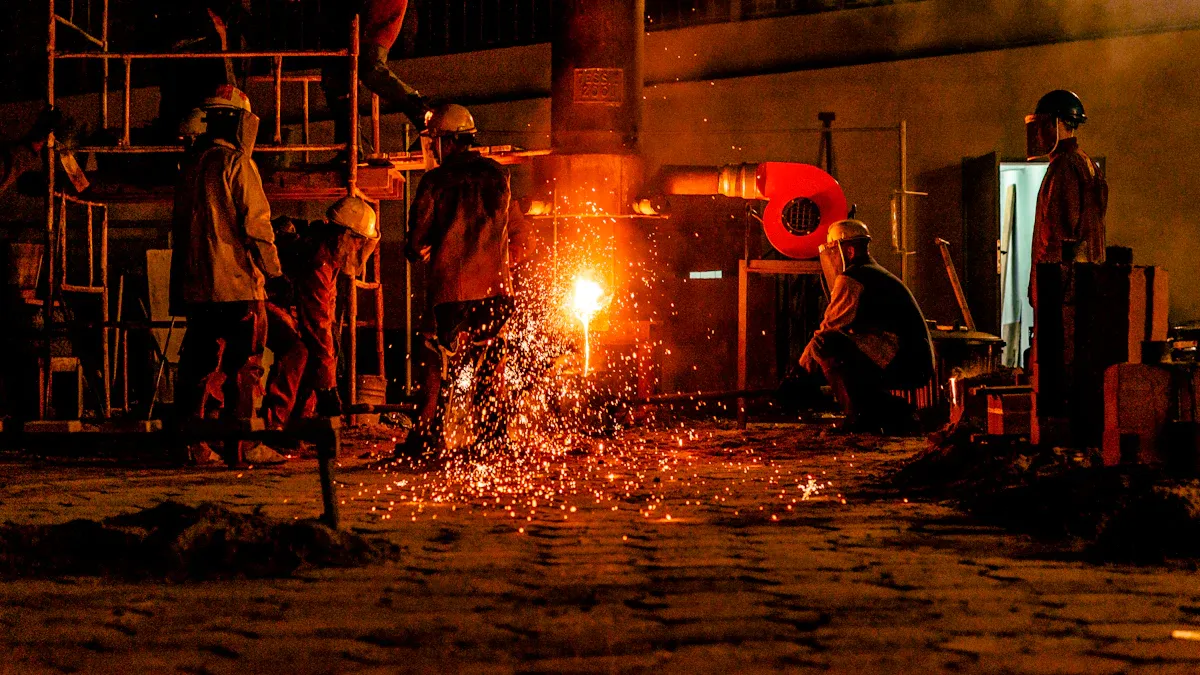
Automotive Casting Example
You can see how car makers improve venting in casting. In the Guangdong Wencan Die Casting project, engineers made an electronic throttle valve from aluminum. They tried three gating and venting designs. Design 2 worked best. It lowered leaks and handled dosing changes well. This proves that good venting design gives better quality and fewer defects.
Another example is from the Chongqing Dajiang Millison team. They worked on an aluminum car bracket. At first, they found many defects from bad venting. The team used computer tests and changed the runner designs. These changes let less air get trapped in the mold. The scrap rate dropped to only 2%. Smart venting choices can really help.
Tip: Try different venting layouts before full production. This helps you find the best design for your part.
Here are some best practices from car casting:
Key Factor | Description |
|---|---|
Use low pressure and clean melt to lower turbulence and get better quality. | |
Cooling Technology | Water cooling with controlled circuits saves energy and boosts quality. |
Furnace Technology | Large insulated furnaces help with steady casting and good mold filling. |
Electronics Housing Example
You also need to think about venting when making electronics housings. If you pick the wrong venting device, the housing can bend or seals can break. Temperature changes can make pressure go up or down inside the housing. Pressure Compensation Seals (PCS) let air move in and out but keep water and dirt away from the electronics. You must put these seals in the right place.
Pick venting devices that fit your housing’s needs.
Check the airflow value of the membrane. This shows how well the housing handles pressure changes.
Make sure the venting device keeps out water and dust.
Note: Good venting keeps electronics safe and working, even when temperatures change fast.
You can use these ideas in your own die casting projects. Test venting designs, pick the right devices, and always check where you put them. These steps help you stop defects and make better products.
You can make your casting design better by using good venting methods. Vacuum technology helps remove air and gas from castings. This makes parts stronger and gives them a smoother surface. Some important tools are vacuum valves, chillblocs, vacuum pneumatics, and vacuum pumps.
Vacuum systems help lower defects and improve quality.
Good venting keeps your process working well and parts strong.
You should check your venting system often. Upgrade it when you need to. The table below shows features that help you watch and control your venting devices:
Feature | Description |
|---|---|
Vacuum measurement in cavity | Shows the vacuum curve for each cycle |
Vacuum measurement in tank | Tracks vacuum during production |
Filter contamination control | Keeps filters clean |
Vent profile control | Checks how well vents work |
Internal storage of recipes | Saves up to 50 production recipes |
Control of vents and valves | Manages vents and mechanical valves |
Watch for new technology and keep making your venting better. This helps you make better castings and stay ahead in your work.
FAQ
What is the main purpose of venting in die casting?
You use venting to let air and gases escape from the mold. This helps you avoid defects like bubbles or weak spots in your parts. Good venting makes your castings stronger and smoother.
How often should you clean vent slots and devices?
You should clean vent slots and devices before every production run. Clean vents help gases leave the mold quickly. This keeps your parts free from defects and improves quality.
Can you use vacuum systems for all die casting projects?
You can use vacuum systems for many projects, especially when you need high-quality parts. Some simple molds may not need vacuum systems. You should choose the method that fits your part and process.
What happens if you ignore venting in die casting?
If you ignore venting, you may see defects like porosity, blisters, or rough surfaces. Your parts can become weak. You may need to fix or scrap many castings, which costs you time and money.
How do you pick the best venting device for your mold?
You look at your part design, metal type, and production needs. You match the device to where gas collects most. You use materials that handle heat and pressure. Mold flow analysis helps you test and choose the best option.
See Also
Comprehensive Instructions for CAD Design in Die Casting
Finding the Optimal Closing Force for Die Casting Products
Essential Inspection and Testing Procedures for Die Casting Molds
Exploring Advantages of CAE Analysis in Die Casting Design
The Effects of Thermal Stress on Die Casting Components
About Hunan Puka

Established in 2016 and based in Hunan, China, with a liaison point in Berlin, we are a Tier 2 supplier for the automobile industry. We specialize in the production of customized aluminum die-casting parts designed for machines with a closing force ranging from 280 to 1250 tons, with subsequent manufacturing process CNC machining and surface treatment. Our commitment to quality is reflected in our accredited quality management system, certified by ISO9001:2015 and IATF16949:2016 standards.