Understanding the Role of Non-Recurring Engineering Costs in Product Design

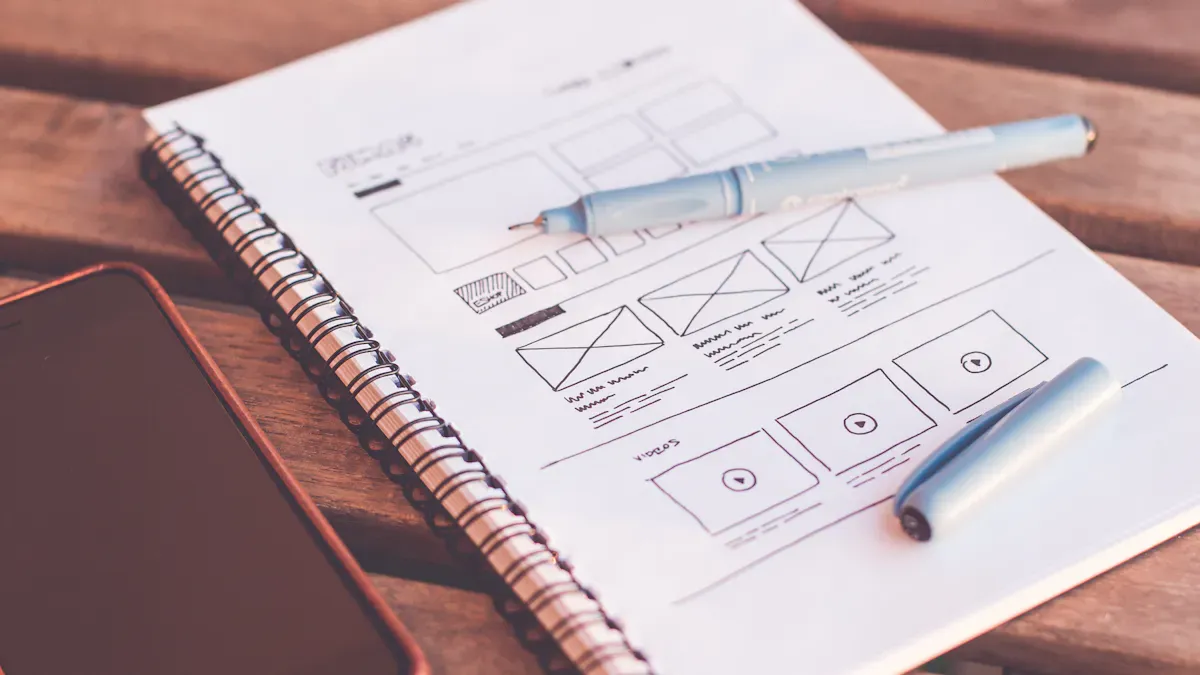
You will hear about non-recurring engineering when making a new product. Non-recurring engineering means you pay once to design and test before making the product. This one-time cost can really change how your product does in the market. If you do not handle non-recurring engineering well, you might need to redesign, recall, or wait longer. Focusing on non-recurring engineering early saves time and money later.
Non-Recurring Engineering Cost Basics
What Are NRE Costs?
You will hear about non-recurring engineering costs when you start a new product. These costs are paid one time before you make lots of products. They cover planning, designing, and testing the product. You do not pay these costs again for each item you build. NRE costs help you get your product ready to sell and make sure it works right.
Key Elements of NRE Costs
There are many types of non-recurring engineering costs in a project. Some common ones are:
Prototype development and validation
Software and firmware design and engineering
Manufacturing process documentation and training
Regulatory and compliance certification
NRE costs include things like CAD modeling, running tests, and making prototypes. You might also pay for special molds, tools, and test machines. Software for embedded systems is also important. You keep track of these costs in different ways. For example, you can use progress invoices for contract jobs, other invoices for extra costs, and timesheets for work and equipment. The table below shows how you can track these costs:
Source of Costs | Description |
|---|---|
Progress Invoices | Used for contract work between contractors and subcontractors |
Non-Commitment Costs | Used for expenses not tied to contracts |
Labor and Equipment Resources | Tracked using timesheets for actual hours spent on the project |
Why NRE Costs Matter
It is important to know why these costs matter. NRE costs help you set up your factory the right way. If you spend money on good design and testing, you can stop problems before they happen. For example, you can lower the chance of recalls or having to fix designs. In the car industry, you need strong quality checks and big factories. Aerospace projects have more rules, but they still need good planning. Consumer electronics change fast, but their products do not last as long. By managing NRE costs, you make building products easier and save money in the end.
NRE vs. Recurring Costs
Main Differences
There are two main types of costs in product design. Non-recurring engineering costs are paid one time before making your product. Recurring costs are paid every time you make a new item, like for materials or workers. Knowing the difference helps you plan your money and avoid problems.
Here is a table that shows how NRE and recurring costs are different:
Aspect | Explanation |
|---|---|
Definition | NRE means you pay once for engineering before building the first product. |
Importance in Decision-Making | Knowing about NRE helps you see if a project is worth it and helps you make smart choices. |
Long-term Benefits | Spending on NRE can lower future costs and make your product better. |
Risk Mitigation | Good NRE spending can stop redesigns and delays, making projects run smoother. |
Competitive Advantage | Using NRE for special solutions can help a company stand out from others. |
Recurring costs include things like buying materials, putting products together, and shipping. These costs happen each time you make or sell something. You need to think about both types of costs to make good decisions.
Importance in Product Development
It is important to look at NRE costs early when making a product. These costs help turn your ideas into real things. NRE pays for design, making samples, testing, and getting approvals. If you spend on NRE at the right time, you can finish your product faster and make it better. You also make sure your product follows all the rules.
If you guess NRE costs well, you can avoid money problems later. You also lower the chance of delays and extra costs. Planning well at the start can save you time and money later. By knowing about both NRE and recurring costs, you help your project do well.
Impact of NRE Costs
Effect on Budget and Planning
It is important to know how non-recurring engineering costs change your budget and planning. These costs can really affect your project. When you start a new product, you pay for design, testing, and setup. You do not pay these costs again for each product you make. You need to plan for these costs early. If you forget them, you might have problems later.
These costs show up in your budget. You spend money at the start, but you stop problems during manufacturing. You can use a simple table to watch your spending:
Item | Cost | Impact on Planning |
|---|---|---|
Design | High | Sets product features |
Testing | Medium | Improves quality |
Setup for manufacturing | High | Reduces delays |
You should put these costs in your plan. If you do not, you might have delays or spend more money. You make better choices when you know what these costs mean. You can set clear goals for making and checking your product.
Influence on Product Lifecycle and Profitability
Non-recurring engineering costs change your product’s whole life. You pay once, but the effect lasts a long time. You see changes in how you make and check your product. When you spend on good design, your product can do well in the market.
You can make more money by spending smart. You stop mistakes in making your product. You lower costs and make your product better. You help your product last longer. You can see how these costs help each step:
Design Phase: You start with good quality and easy manufacturing.
Production Phase: You make things cheaper and faster.
Market Phase: You add value and help customers trust your product.
Tip: If you care about quality early, you save money later. You do not need to recall or redesign your product. You keep your product safe and working well.
Risk Reduction and Long-Term Savings
You can lower risks by watching non-recurring engineering costs. You find problems before you start making products. You fix things in design and testing. You protect your factory and make better products.
You save money for a long time when you spend early. You stop big mistakes in making your product. You lower the chance of recalls. You keep your factory working well. You can use a list to see the good things:
You stop defects in making your product.
You make better quality and waste less.
You save money when making products.
You help customers trust your product.
You should think about how these costs change risk. You make smart choices for making your product. You save money over time. You keep your product and business safe.
Note: You can use non-recurring engineering costs to make a strong factory. You make better quality and spend less on making products. You see the good results at every step.
Managing NRE Costs
Common Pitfalls
You can run into problems if you do not manage non-recurring engineering costs well. These mistakes can hurt your project and your product. Here are some common pitfalls:
Bad communication can make teams work in different ways. For example, a project went wrong and an $11 million overpass was torn down after one year.
Not enough testing can cause big losses. A software bug caused a $440 million loss because the team did not test enough.
Misjudging what customers want and weak planning can shut down projects. One company closed 133 stores because they did not plan their supply chain or listen to customers.
You should also watch out for these issues:
Not involving stakeholders can make your project miss its goals.
Bad communication can slow your team and hurt progress.
Weak planning can waste resources and delay your product.
Best Practices for Control
You can use smart ways to keep your costs under control and reach cost optimization. Many successful companies use Earned Value Management (EVM) to track and manage costs. EVM helps you compare your planned budget with what you actually spend. This gives you real-time insights and helps you change your plans quickly.
Aspect | Description |
|---|---|
Improved Budget Management | EVM lets you spot problems early and manage costs better. |
Enhanced Project Visibility | You see how your project is doing at any time. |
Effective Resource Allocation | EVM shows where you need people or materials most. |
Better Stakeholder Communication | You can share clear data with your team and build trust. |
You should also set clear goals, use strong quality checks, and review your progress often. These steps help you reach cost optimization and keep your product on track.
Negotiation Strategies
You do not have to accept every cost from suppliers or partners. You can ask for details about each cost and check if it fits your needs. If a cost seems too high, you can challenge it or ask for a better price. You should also look for ways to share costs or spread them over more units. Good negotiation helps you reach cost optimization and keeps your project healthy.
Tip: Always include quality checks in your agreements. This protects your product and helps you avoid extra costs later.
You can manage non-recurring engineering costs well if you stay alert, use strong tools, and keep quality checks in mind. This leads to better cost optimization and a stronger product.
You play a key role in managing non-recurring engineering costs. Early and smart decisions help your team succeed. The table below shows how good NRE management helps your product:
Benefit | Description |
|---|---|
Accelerate product launch | Good design and testing help you reach the market faster. |
Improve quality and compliance | You meet rules and deliver better products. |
Develop advanced features | You add new and useful features for your users. |
Lower long-term costs | Smart planning saves money over time. |
Avoid redesigns and delays | You stop problems before they grow. |
To get the most from your NRE investment, you can:
Use your resources wisely.
Check if your team has the right skills.
Plan for fast launches when needed.
Think about your long-term goals.
Decide how much control or ownership you want to keep.
If you want to learn more about NRE costs, you can read about:
What NRE costs mean for product design.
Ways to manage NRE using real examples.
Why early cost estimates matter for your project.
FAQ
What does NRE stand for in product design?
NRE stands for Non-Recurring Engineering. You pay this cost one time to design, test, and prepare your product before mass production.
Can you avoid NRE costs?
You cannot skip NRE costs if you want a new product. You need to pay for design, testing, and setup to make sure your product works well.
How do NRE costs affect your product price?
You spread NRE costs over all the products you make. If you make more units, each one costs less. Fewer units mean a higher cost per item.
Who usually pays for NRE costs?
Most of the time, you or your company pay NRE costs. Sometimes, you can share these costs with a supplier or partner if you both benefit.
See Also
Boosting Engineering Efficiency Through Quick Response Strategies
Exploring Advantages of CAE Analysis for Die Casting
Comparing Cost Efficiency: Plastic Prototypes vs. Aluminum Prototypes
Key Distinctions Among MPS, MRP, and CRP Explained
A Comparison of Discrete and Process Manufacturing Styles
About Hunan Puka

Established in 2016 and based in Hunan, China, with a liaison point in Berlin, we are a Tier 2 supplier for the automobile industry. We specialize in the production of customized aluminum die-casting parts designed for machines with a closing force ranging from 280 to 1250 tons, with subsequent manufacturing process CNC machining and surface treatment. Our commitment to quality is reflected in our accredited quality management system, certified by ISO9001:2015 and IATF16949:2016 standards.