What to expect from manufacturing trends in middle China this year

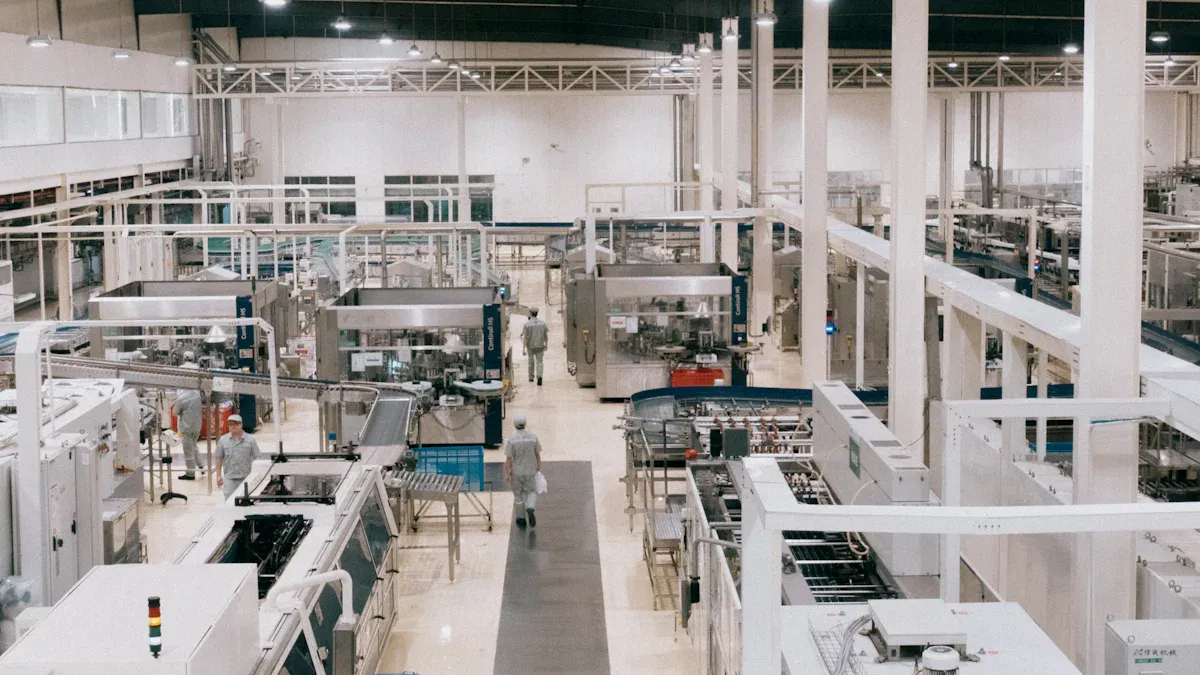
You can see that manufacturing in middle China is growing fast this year, reflecting the latest manufacturing trends. The numbers show this:
Metric | Value |
|---|---|
4.8% | |
Total increase (first 11 months) | 6.0% |
Manufacturing growth (Nov 2025) | 4.6% |
Many companies are changing what they do in response to these manufacturing trends. They move from simple work to more valuable jobs, adding services to their products and enhancing their quality. This change helps people find new ways to do business and work faster. The government wants more things made in China, which may provide more jobs and revenue to local companies. These trends align with China’s big plans for new ideas, more services, and steady growth.
Key Manufacturing Trends in Middle China
There are some big manufacturing trends in middle China this year. These trends help factories get smarter and use faster networks. They also change how things are made. Companies want to work faster and save money. They also want to make better products. These changes help businesses stay strong in a fast-changing world.
Smart Factories and Industry 4.0
Smart factories use new technology like the Internet of Things, artificial intelligence, and big data. These tools let you watch machines and fix problems early. They help you make better choices. In middle China, Hubei has 24 top smart factories. This means the area is joining the smart factory trend. Other places like Jiangsu and Shandong have even more advanced factories. Smart factories help you make fewer mistakes and waste less. You can check quality right away and find problems fast.
Tip: If you use smart factory tools, you can make things faster and spend less money.
Rise of 5G Integration
5G networks are changing how factories work. With 5G, you get faster and stronger connections. This helps machines talk to each other and share data quickly. The government is building more 5G networks in middle China. This helps factories keep up with other places. 5G makes it easier to use automation and watch machines from far away. It also helps you fix machines before they break. Sensors send alerts when something is wrong. With 5G, you can make things faster and change plans quickly. Your factory can be more flexible and ready for new things.
Better connections make factories work better.
Sharing data right away helps with automation.
Sensors let you fix things before they break.
Additive Manufacturing Growth
Additive manufacturing, or 3D printing, is growing fast in middle China. Experts think the market will be almost $8 billion by 2030. It is growing more than 27% each year. Most of this growth comes from hardware, which is the biggest part. You can use 3D printing to make special parts and waste less. This way of making things lets you set up small factories that work when needed. You do not need long setup times, so you can fill orders fast. As more companies use 3D printing, printers and materials will cost less. This could change old ways of making things and help you save money.
Small factories can make things when needed.
Lower prices in the supply chain help everyone.
New ways help you set up faster and waste less.
These trends are happening because companies want to stay strong and face new problems. You can use smart factories, 5G, and 3D printing to make your business better and more flexible. If you follow these trends, you will find more ways to grow and do well in middle China.
Sustainability and Green Manufacturing
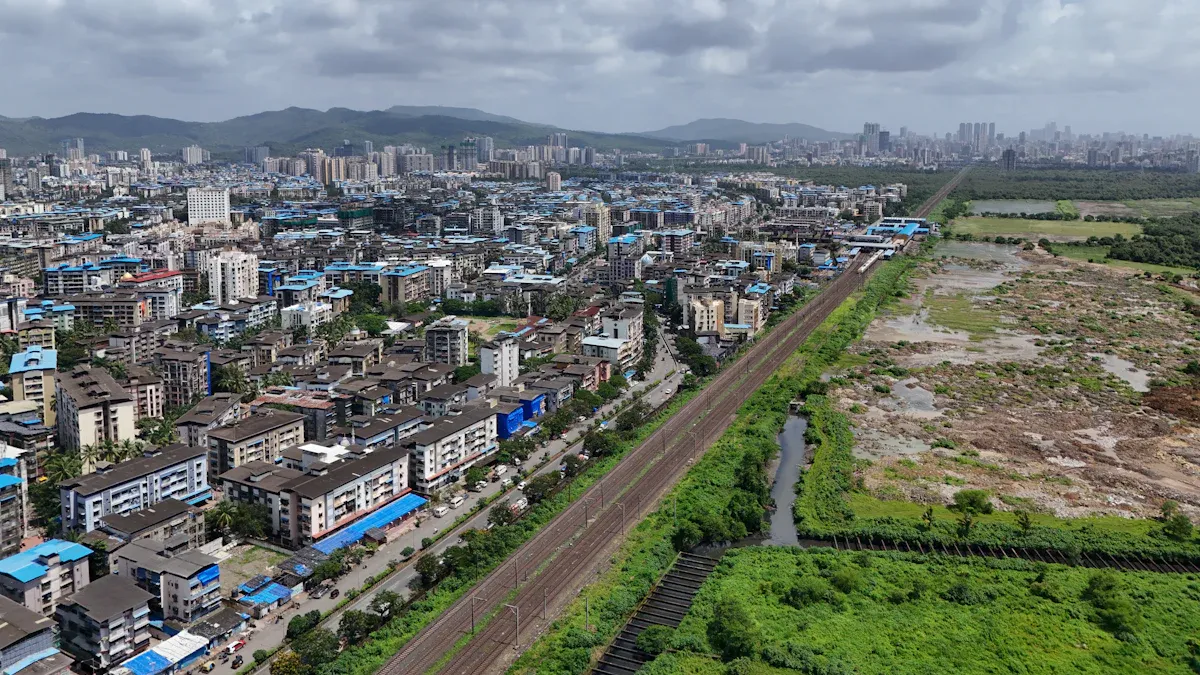
Eco-Friendly Practices
More factories in middle China now use eco-friendly practices. Many small- and medium-sized enterprises want to be greener. They do this because of new rules and people caring more about the earth. These changes help protect nature and make customers happy. Here are some eco-friendly things you might see:
Factories use less energy and water.
They recycle materials and try to make less waste.
Some switch to clean energy like solar or wind.
China has over 38 million small- and medium-sized enterprises. Many of these businesses lead the way in green changes. The government made more than 28 environmental laws to help companies. These rules help you make good choices for your business and the planet.
Policy Support and Incentives
You get strong support from policies if you want to go green. The Green Factory Evaluation policy helps companies show real green ideas. This policy works best for factories that use lots of energy or make pollution. It also asks you to work with schools and research groups. This teamwork helps you avoid fake green claims and focus on real change. Since GFE started, companies have shown more green actions and ideas. These policies make it easier to follow new trends and build a better future.
Note: Policies like GFE show you how to go green and help you stand out in the market.
Business Opportunities
Green manufacturing brings many new business chances. Investments now reach 54 countries, showing how big these changes are. Since 2022, China has spent over USD 227 billion on clean-tech. This includes solar, wind, batteries, electric vehicles, and green hydrogen. You can see the results in the table below:
Sector | Global Share | Impact on Costs |
|---|---|---|
Solar Panels | 60% | Cost of photovoltaic systems down by over 80% in 15 years |
Electric Vehicles (EVs) | 65% | Supplies over 75% of lithium-ion batteries to global automakers |
Wind Turbines | >50% | Largest producer contributing to global installations annually |
You can join these fast-growing areas and help shape the future of manufacturing in middle China. Green manufacturing gives you ways to grow your business and help the earth.
Automation and Robotics

Robotics in Production Lines
Factories in middle China use more robots now. Robots help make products faster. They also help make fewer mistakes. Many industries use robots made in China. Here is how different industries use these robots:
In the automotive industry, 31% of robots are from local companies.
In the electronics industry, 59% of robots are from Chinese firms.
In the food and beverage industry, 80% of robots are from domestic producers.
In the textiles and apparel industry, all robots are made by Chinese companies.
Robots do jobs that are hard or dangerous. They can lift heavy things and pack boxes. Robots also check if products are good. Factories can run longer with robots. You can work at night and make more products. This helps fill bigger orders. Robots save money because they do not get tired. They also make fewer mistakes.
Tip: Using robots can make your factory safer and help you make more products.
Workforce Transformation
When factories use more robots, jobs change. Simple jobs are going away. There are fewer workers on the factory floor. Some people find new jobs in services. Delivery services and local businesses need more workers. The government helps people find jobs near home. More people work in their hometowns or close cities. This helps families stay together. It also makes local economies stronger.
You need new skills for these changes. Training programs help you learn and grow. If you know how to use robots, you can get better jobs. The future will need people who use technology and solve problems.
Digitalization and Data-Driven Manufacturing
Digital Platforms Adoption
Factories in middle China use digital platforms a lot. These tools help you run production and check supplies. They also help you talk to suppliers. Most big companies have already updated their systems. You get many good things from using these tools. Work gets easier and you finish tasks faster. You can share news with your team and fix problems quickly.
89.6% of big factories in China use digital upgrades.
Digital platforms let you watch machines and keep notes.
You can use apps to check orders and plan shipping.
Factories want to stay ahead, so they use digital platforms. Automation and artificial intelligence change how people work. The government has rules like "Made in China 2025" to push new technology. China wants to be a leader in making things. You can see the main reasons for using digital tools in the table below:
Key Factor | Description |
|---|---|
These tools change factories and help people work better. | |
Government Initiatives | Rules help companies use more automation and AI. |
Industrial Leadership | China’s focus on technology helps factories get better. |
Tip: If you use digital platforms, you can choose faster and make your factory work better.
Data Analytics for Efficiency
Data analytics help you make smart choices in factories. You can use data to watch how things are made and save money. Digital tools help factories work better and use less stuff. These tools help you see everything as it happens. You can guess problems and fix them before they get big.
Factories in middle China say they work better and spend less. You can change plans fast and react to new things. Data analytics show you how your factory is doing and where to get better.
Note: Using data analytics helps you see your work clearly and reach your goals faster.
Supply Chain Resilience
Diversification Strategies
Many manufacturers in middle China use new ways to make supply chains stronger. They do not want to depend on just one country or supplier. You might hear about the "China + 1" strategy. This means you keep factories in China and build new ones somewhere else. If something goes wrong in one place, you can still make products.
Export tax rebates and incentives from other countries help you save money when selling overseas.
You can buy materials from different countries. This is called multi-country sourcing.
Shipments can be split into smaller parts. This helps with delays.
Smart inventory management means you keep enough stock to fill orders, even if there are problems.
Some companies show how these ideas work. For example:
L’oreal built a $50 million factory in Indonesia. Now they make products in more than one country.
Japanese companies make goods in Vietnam and India. They want to lower their risk and not rely on just one place.
Tip: Using these strategies helps your business keep running, even when surprises happen.
Local and Global Adjustments
You need to change your supply chain to handle global changes. Many businesses in middle China face challenges from global supply chain pressures. Some companies have trouble getting parts or shipping products on time. The table below shows how these changes affect businesses and customers:
Evidence Description | Impact |
|---|---|
Consumers in China are increasingly opting for local products during global supply chain disruptions. | Shows a shift in buying habits toward local goods. |
Chinese businesses are encountering operational challenges due to global supply chain pressures. | Highlights the need for better planning and flexibility. |
Elevated global supply chain pressures tend to decrease business confidence in China. | Makes some companies feel less sure about the future. |
Consumer confidence experiences mixed effects, with some segments increasing while others decrease. | Shows that not everyone reacts the same way to changes. |
Local sourcing helps you avoid some global problems. When you buy and sell more in your own area, your business stays steady. You also need to watch for changes in the world and adjust your plans quickly. This helps you stay strong, even when things change fast.
Strategic Shifts and "Made in China 2025"
Focus on High-Value Sectors
Factories in middle China are changing because of the "Made in China 2025" plan. This plan tells factories to make more advanced products. Companies now make things that use new technology and are better quality. They do not just make simple goods anymore. Factories work on things like semiconductors, robotics, and green technologies. These areas help you stay strong in the world market.
Here is a table that shows the main sectors the plan wants to improve:
Sector | Description |
|---|---|
Semiconductors | Advanced microchips and integrated circuits |
Advanced Robotics | Automation technologies and robotic systems |
Aerospace | Aviation and aerospace equipment production |
Biomedicine | Biopharmaceutical products and medical equipment |
New Energy Vehicles | Vehicles using new energy technologies |
Green Technologies | Sustainable energy solutions |
High-Technology Ships | Marine equipment and shipbuilding |
Agricultural Machinery | Modern agricultural technology |
Manufacturing Control | Automation and control systems |
New Materials | Advanced materials for various uses |
China is also a leader in making lithium-ion batteries, solar modules, and electric vehicles. The country is good at building high-speed rail and robotics. These areas grow quickly and give you more chances to succeed.
Enhancing Technological Capabilities
Factories in middle China get better at using technology every year. They want to do a great job and make better products. They move from making cheap things to making advanced products. This change lets them use new tools and digital systems. The government helps factories use more digital technology.
You get many good things from these changes:
You use digital tools to work faster.
You help China reach its goal to be more digital.
You see better robots and sensors in factories.
These changes help you keep up with other countries. Now, factories use more advanced technology and make more things in China. You can make better products and sell them around the world.
Tip: If you spend money on high-value sectors and technology, your business will be stronger in the future.
Opportunities for Businesses
Investment Hotspots
There are many places in middle China for investment. Cities like Wuhan, Changsha, and Zhengzhou are important. These cities have new factories and skilled workers. They also have good transport links. You can reach big markets quickly from these cities. Many companies pick these cities because costs are lower than coastal areas.
You see growth in electronics, green energy, and advanced machinery. Local governments give tax breaks and help with land use. You can also get support for training workers. Here is a table that shows top investment hotspots and their main strengths:
City | Key Sector | Main Advantage |
|---|---|---|
Wuhan | Electronics, Auto | Skilled workforce |
Changsha | Green Energy | Clean tech incentives |
Zhengzhou | Advanced Machinery | Fast transport connections |
Tip: You can go to trade fairs to meet partners and learn about new projects.
Collaboration Models
You can grow your business faster by working with others. Many companies use teamwork to solve problems and make new products. Here are some models that work well in middle China:
Cross-departmental R&D teams help you share ideas and skills. For example, Huawei uses these teams to make new 5G products. You see more innovation when people from different areas work together.
Localized management practices let you fit local needs. Alibaba uses a "think globally, act locally" approach. This helps them grow in new markets and earn more money. You can use this model to understand local customers and build trust.
You can join industry groups or partner with schools. These partnerships help you find talent and learn new skills. When you work with others, you solve problems faster and reach your goals.
Note: Good teamwork and local knowledge help you do well in middle China's manufacturing sector.
You notice lots of manufacturing trends in middle China. These trends make you think about your business plan again. Big and small companies change supply chains and join industrial clusters to work faster. You need to use advanced network technologies and support smart and green manufacturing. Modern energy solutions are important for factories. Pay attention to new policies and make your products fit local needs. Look for new standards and keep learning new skills to stay ahead.
FAQ
What is the biggest manufacturing trend in middle China this year?
You see smart factories growing fast. Companies use more automation, 5G, and digital tools. These changes help you make better products and work faster.
How does green manufacturing help your business?
Green manufacturing lowers costs and attracts more customers. You use less energy and create less waste. This helps you meet new rules and build a good reputation.
Where should you invest in middle China?
City | Key Sector |
|---|---|
Wuhan | Electronics |
Changsha | Green Energy |
Zhengzhou | Machinery |
You find strong support and skilled workers in these cities.
Do you need new skills for factory jobs?
You need to learn how to use robots and digital tools. Training programs help you get ready for new jobs. You can earn more if you know how to work with technology.
See Also
Key Industrial Developments in Hunan to Monitor by 2025
Reasons Behind Auto Suppliers Expanding Capacity for Robotics Sector
Understanding Manufacturing Operating Indicators for Enhanced Outcomes
Eco-Friendly Casting Practices: Supplier Guide to CBAM Compliance
Introductory Guide to SMED Techniques in Manufacturing Processes
About Hunan Puka

Established in 2016 and based in Hunan, China, with a liaison point in Berlin, we are a Tier 2 supplier for the automobile industry. We specialize in the production of customized aluminum die-casting parts designed for machines with a closing force ranging from 280 to 1250 tons, with subsequent manufacturing process CNC machining and surface treatment. Our commitment to quality is reflected in our accredited quality management system, certified by ISO9001:2015 and IATF16949:2016 standards.