Liquid Metal Pumps Explained Simply and Clearly

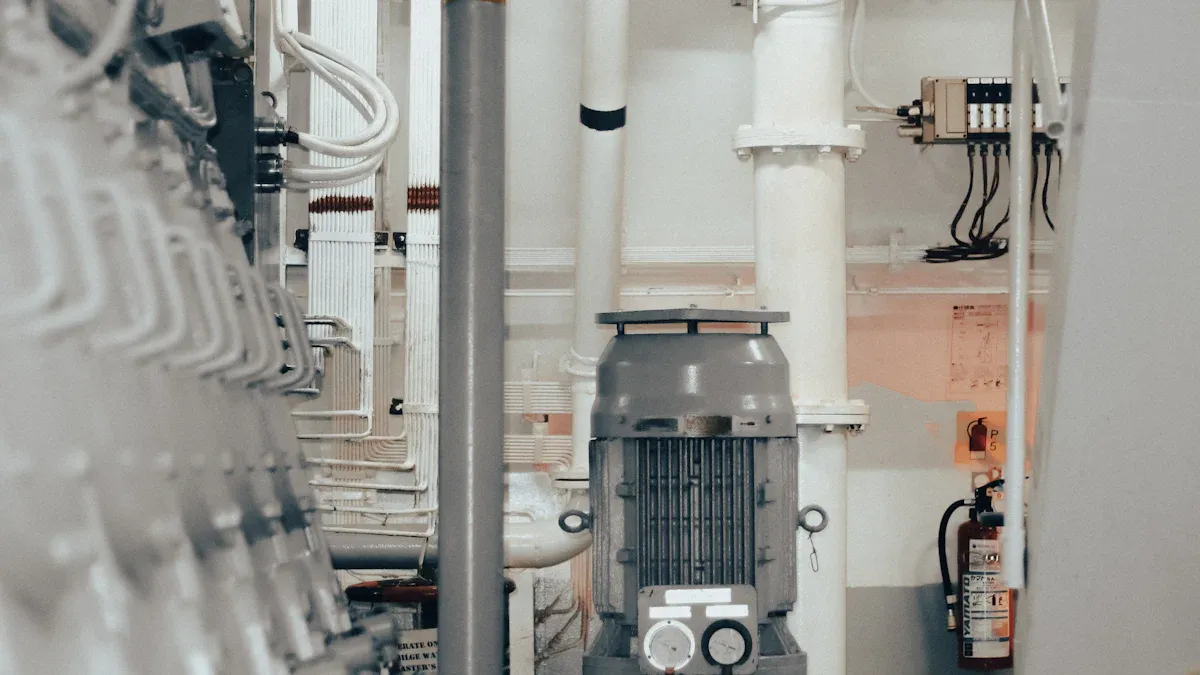
Liquid metal pumps move metals that are melted. These pumps use special tools to push liquid metals, like sodium or mercury, from one spot to another. You can think of them like a water pump, but they move hot, flowing metal instead of water. > The pump makes a force that helps the liquid metal go smoothly through pipes.
Key Takeaways
Liquid metal pumps push melted metals with electromagnetic forces. They do not use moving parts. This makes them more reliable. It also means they need less maintenance.
Pick materials for your pump based on the metal and chemicals you use. Strong materials like stainless steel fight corrosion and heat.
Learn how DC and AC pumps are different. DC pumps give a steady flow. AC pumps move metal faster. AC pumps work better for big systems.
Liquid metal pumps work well in hot and corrosive places. They are good for power plants, chemical factories, and research labs.
Safety is important. Choose pumps that fit the liquid metal's properties. Follow all safety rules to keep yourself and your equipment safe.
What Are Liquid Metal Pumps

Simple Definition
Liquid metal pumps are machines that move melted metals. They do not have moving parts like water pumps. These pumps use special forces to push hot, flowing metals. The metals move through pipes. This makes them different from most pumps you see every day.
Main Parts
Liquid metal pumps have a few important parts. Each part does something special:
Pump Body: This part holds the pump together and gives it shape.
Channels or Pipes: These parts guide the liquid metal where it should go.
Electromagnetic Coils: These coils make the force that moves the metal.
Power Supply: This part gives energy to the coils.
Cooling System: This keeps the pump cool so it does not get too hot.
The materials for these parts are very important. You need strong materials that can take heat and not rust. Here is a table that shows some common materials and why people use them:
Material | Properties and Applications |
|---|---|
Cast Iron | It is cheap and strong. It works well when you do not need much corrosion resistance. |
Stainless Steel | It does not rust easily. It is good for chemicals and heat. |
Plastic (Polypropylene, PVC) | It is light and does not rust. It is best for low heat. |
Bronze and Brass | These do not rust much. They are good for water but cost more than cast iron. |
High-Performance Alloys (Titanium, Hastelloy) | These are very strong in tough places. People use them in factories and with chemicals. |
Stainless steel and high-performance alloys are best for high heat or strong chemicals.
Purpose
People use liquid metal pumps to move metals that are too hot or dangerous for normal pumps. These pumps work in power plants, labs, and factories. They help keep liquid metals moving safely. You can count on them to work in hard places where other pumps might stop.
How Liquid Metal Pumps Work

Electromagnetic Principle
Liquid metal pumps use invisible forces to move melted metals. They do not have spinning blades or moving parts inside. These pumps use electromagnetism to work. When electricity goes through special coils, it makes a magnetic field. If you put a metal that can carry electricity, like liquid sodium, inside this field, something cool happens. The magnetic field makes electric currents inside the liquid metal. These currents and the magnetic field push against each other. This push is called the Lorentz force. It acts like an invisible hand that moves the liquid metal forward. Faraday’s law says that when the magnetic field changes, it creates voltage in the metal. The Lorentz force uses this voltage to move the metal. The metal moves smoothly without gears or fans.
Tip: Because there are no moving parts, the pump lasts longer. You do not have to worry about parts breaking quickly.
DC and AC Pumps
There are two main types of electromagnetic pumps: DC and AC. DC pumps use electricity that flows in one direction. This makes a steady magnetic field. The liquid metal moves in one direction. You can change the speed by changing the current. DC pumps are good for simple and steady flow.
AC pumps use electricity that changes direction many times each second. This makes a magnetic field that changes. The liquid metal moves because the field pushes and pulls it. AC pumps can move metal faster. They work well for big systems. You might pick AC pumps if you need to move a lot of liquid metal quickly.
Pump Type | Electricity Used | Flow Control | Best For |
|---|---|---|---|
DC | Direct Current | Easy | Simple, steady systems |
AC | Alternating Current | Fast and strong | Large, powerful systems |
Centrifugal and Induction Types
There are centrifugal and induction types of liquid metal pumps. Centrifugal pumps use a spinning part called an impeller. The impeller throws the liquid metal outward, like spinning a bucket of water. These pumps are good for moving lots of metal at low pressure. You see them where the metal does not need to move fast.
Induction pumps use the electromagnetic principle. They do not have moving parts inside. They use the changing magnetic field to push the liquid metal. Induction pumps are best when you want high reliability and low maintenance. You do not need to replace parts often. These pumps handle very hot or dangerous metals safely.
Note: Induction pumps are used in nuclear power plants and labs. They can run for a long time without stopping.
Now you know how liquid metal pumps use electricity and magnetism to move melted metals. You can pick the right type based on how much metal you need to move and how fast you want it to go.
Liquid Metal Technology in Action
High-Temperature Handling
You can use liquid metal pumps in places where the heat gets very high. These pumps work well in heat storage systems that need to handle extreme temperatures. Here are some typical temperature ranges you might see:
Around 100°C for lower heat needs
Up to 1000°C for very hot industrial jobs
You will find that most regular pumps cannot survive in these conditions. Liquid metal technology lets you move hot metals safely. This makes it possible to store and move energy in power plants and factories. If you need to keep things running at high heat, these pumps give you a strong and safe choice.
Corrosive Media Use
Many metals and chemicals can damage normal pumps. You might see rust, holes, or leaks if you use the wrong equipment. Liquid metal pumps use strong materials that resist corrosion. Stainless steel and special alloys protect the pump from harsh chemicals. You can use these pumps with metals like sodium or mercury. They do not break down easily, even when the liquid is dangerous or reactive. This means you can trust them in tough jobs, like chemical plants or research labs.
Tip: Always check the type of metal and the chemicals you plan to move. Pick the right pump material for the best safety.
Efficiency and Power
You want a pump that saves energy and works well. Liquid metal pumps use electromagnetic forces, so they do not waste power on moving parts. This design means less friction and less heat loss. You get more power for the same amount of energy. Liquid metal-based heat storage systems use these pumps to move energy quickly and with little waste. You can count on these pumps to run for a long time without much maintenance. This helps you save money and keep your system working smoothly.
Why Use Liquid Metal Pumps
Key Benefits
Liquid metal pumps have many good points. They work well when you need to move hot or risky metals. These pumps help save energy and money. The table below shows the main good things about them:
Benefit | Description |
|---|---|
Efficiency | These pumps make things faster and use less energy. |
Cost-effectiveness | You use fewer costly chemicals, so you spend less money. |
Environmental benefits | You help nature by using pumps that make less waste and pollution. |
These pumps also make things safer. Here are some reasons why:
The risk of fire or explosion is lower because there are no sparks or flames.
You can run the pump dry for a short time and it will not break.
There are no mechanical seals, so leaks do not happen much. This matters when you move dangerous liquids.
Tip: These pumps are good for hard jobs because they have fewer parts that can break.
Common Applications
Liquid metal pumps are used in many places. They work best where other pumps cannot handle heat or danger. Here are some ways people use them:
Power plants use them to move hot metals for cooling and storing energy.
Chemical factories use them to handle strong or reactive liquids.
Research labs use them to test new things and study metals at high heat.
Metal processing plants use them to move melted metals safely and fast.
These pumps help people work safely and well in tough places. They give you a way to move metals without many problems.
Features and Safety
Important Traits
When you choose a liquid metal pump, you need to look at several important traits. Each trait helps you match the pump to your job. Here are the main things you should check:
Hydraulic fluid viscosity: You must know how thick or thin the liquid metal is. This affects how the pump moves the metal.
Fluid type: You should check what kind of metal you want to move. Some pumps work better with certain metals.
Flow rate: You need to know how much liquid metal you want to move in a set time.
Power curves and torque ratings: You should look at how much power the pump uses and how strong it is.
Speed: You must check how fast the pump can move the liquid metal.
Max operating pressure: You need to know the highest pressure the pump can handle.
Fixed displacement vs. variable displacement: You should decide if you want the pump to move the same amount every time or if you want to change it.
Maintenance time and costs: You must think about how often you need to fix the pump and how much it will cost.
Tip: If you match these traits to your needs, you will get a pump that works well and lasts longer.
Safety Tips
You must always put safety first when you use liquid metal pumps. These pumps handle hot and sometimes dangerous liquids. Here are some safety tips you should follow:
Always use a pump that fits the liquid metal you want to move. Never pour dangerous liquids by hand.
Make sure the pump resists the metal or chemical you use. This keeps you safe and protects the environment.
Pick strong pumps made from the right materials. For acids, use polypropylene. For flammable liquids, use stainless steel.
Do not use plastic siphons for aggressive or flammable liquids. They can break down and cause leaks.
Follow all safety rules at your workplace. Wear the right safety gear and check the pump before you start.
Note: Good safety habits protect you, your team, and your equipment. Always double-check before you begin.
You now know that liquid metal pumps move melted metals safely. These pumps use electromagnetic forces instead of moving parts. This makes them work well and last a long time. You do not need to fix them often. New designs use strong materials and special valves for better control. You can use these pumps in power plants, factories, and labs. If you need a smart way for hard jobs, these pumps give you safety and help you save money.
FAQ
What metals can you move with liquid metal pumps?
You can move metals like sodium, mercury, and lead. These pumps handle metals that melt at high temperatures. You often see them used in power plants and labs.
Are liquid metal pumps safe for energy storage systems?
Yes, you can use liquid metal pumps safely in energy storage systems. They resist heat and corrosion. You must follow safety rules and pick the right materials for your job.
How do you control the flow rate in a liquid metal pump?
You adjust the power supply or change the pump settings. Some pumps let you set the speed. Others use fixed rates. You can match the flow to your needs.
Can liquid metal pumps help with thermal energy storage?
Liquid metal pumps move hot metals quickly. You use them in thermal energy storage to transfer heat. They make the process efficient and reliable.
What maintenance do you need for liquid metal pumps?
Check the cooling system.
Inspect the electromagnetic coils.
Clean the channels. You spend less time on repairs because these pumps have fewer moving parts.
See Also
Understanding The Basics Of Semi-solid Casting Techniques
Exploring The Processes Behind Aluminum Extrusion And Die Casting
The Impact Of Magnesium Alloys On Lightweight Production
A Beginner's Guide To Understanding Subtractive Manufacturing
Essential Insights Into Friction Stir Welding Machines And Applications
About Hunan Puka

Established in 2016 and based in Hunan, China, with a liaison point in Berlin, we are a Tier 2 supplier for the automobile industry. We specialize in the production of customized aluminum die-casting parts designed for machines with a closing force ranging from 280 to 1250 tons, with subsequent manufacturing process CNC machining and surface treatment. Our commitment to quality is reflected in our accredited quality management system, certified by ISO9001:2015 and IATF16949:2016 standards.