Liquid cooling industry trends and market growth in China in 2026

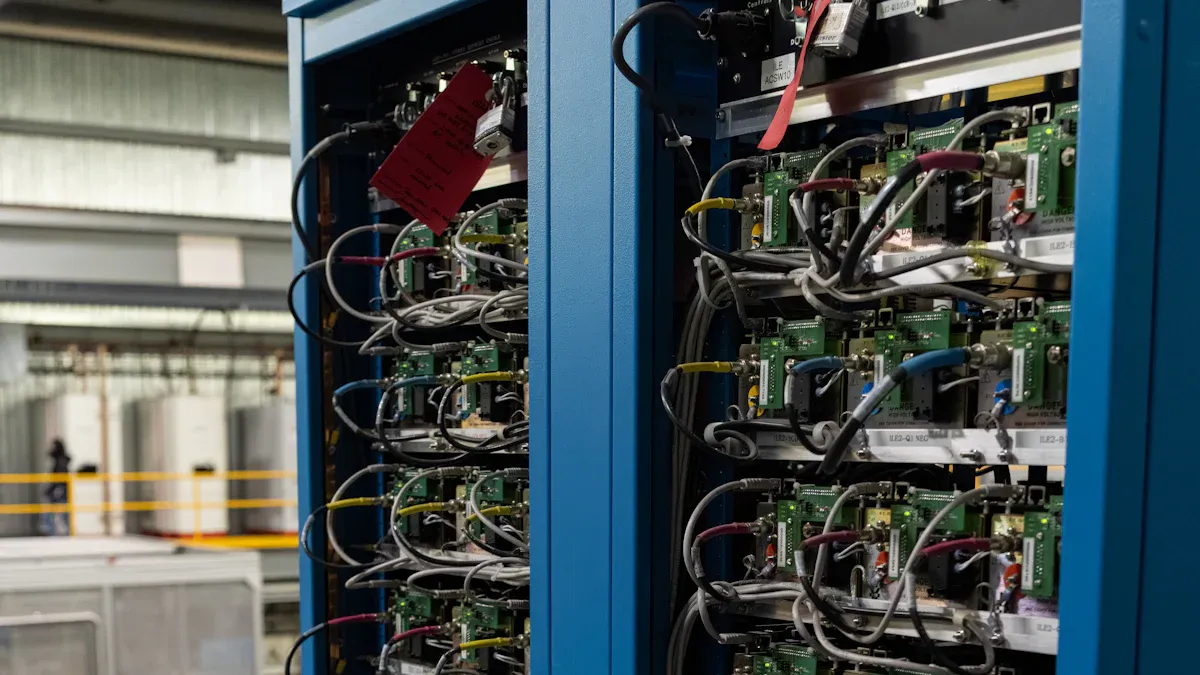
China's data center cooling market reaches USD 435.1 million in 2026. Experts say this market will hit USD 957.21 million by 2031. AI data center liquid cooling grows fast. It sees a strong 22.8% CAGR through 2036. Across Asia-Pacific, AI data center demand grows quickly. It shoots up at a rapid 31.7% CAGR. Strict government Power Usage Effectiveness rules push this fast. They require low PUE scores under 1.25 now. This forces quick technology adoption across the region.
China Liquid Cooling Market Scale in 2026

Revenue Projections and Growth Rates
China's thermal sector hits a big goal now. Market values reach USD 435.1 million in 2026. Experts track a strong 17.08% overall CAGR. Fast digital growth drives this money rise. Tech operators fix old sites right now. They process heavy modern computing tasks easily.
Market Segment | Baseline Metric (2026) | Projected Long-Term CAGR |
|---|---|---|
Overall Data Center Thermal Sector | USD 435.1 Million | 17.08% |
Dedicated AI Infrastructure | High-Density Focus | 22.8% (through 2036) |
Hyperscale and AI Adoption Rates
Special AI centers create huge heat amounts. This AI section grows at 22.8% CAGR. Smart apps need new temperature control tools. Basic air units break near packed chips. Tech firms use liquid cooling methods today. These systems protect valuable hardware parts well.
Top data hub cities lead this shift. Beijing, Shanghai, and Shenzhen show high usage numbers:
Tier-1 Adoption Snapshot:
Beijing Hubs: Local workers rebuild old sites fast. They meet hard regional power goals.
Shanghai Hubs: New buildings use direct liquid cooling. Usage climbs over 35 percent now.
Shenzhen Hubs: Local tech firms cool server rooms. They outfit 40 percent of halls.
Key main cities set clear work rules. Big providers replace old air cooling units. They add efficient fluid loops for safety. Regional teams upgrade data facilities super fast.
Key Drivers of China Liquid Cooling Growth
High-Density AI Workload Demands
New AI computer setups use lots of power. These AI chips get super hot fast. Racks now use 50kW to 100kW easily. Old air systems cannot handle this heat. Liquid traps heat faster than basic air.
Thermal Management Metric | Traditional Air Cooling | Fluid-Based Thermal Control |
|---|---|---|
Volumetric Heat Capacity | ~1.2 $kJ·m^{-3}·K^{-1}$ | ~4,170 $kJ·m^{-3}·K^{-1}$ |
Cooling Power Reduction | Baseline Electricity Usage | Up to 90% Energy Savings |
Direct cooling keeps fast chips very safe. So, powerful chips run at top speeds. They do not slow down from heat.
Policy Mandates and Efficiency Standards
Strict state rules speed up tech use. China sends big jobs to western areas. West areas have lots of clean power. Also, green rules force managers to act.
💡 Key Regulatory Compliance Targets:
Mandatory PUE Ceiling: Hard rules cap center PUE at 1.3.
Green Infrastructure: Laws force key centers to go green.
Total Cost of Ownership Advantages
Data hub owners save big money now. Old fans use 40 percent power. New fluid setups cut power use fast. They use smart pumps, not loud fans.
Hub teams use less water each day. Lower bills cover new equipment costs fast. This brings higher profit for years ahead.
Dominant Technological Shifts and Modalities
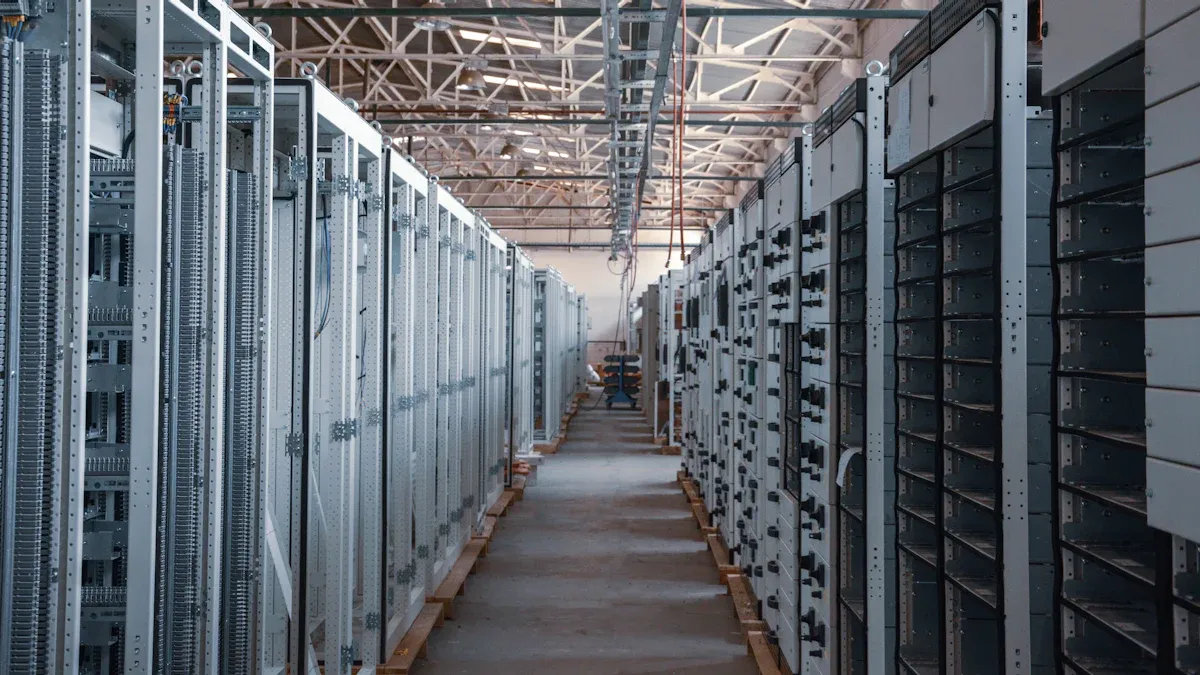
Direct-to-Chip vs. Immersion Liquid Cooling
Data center bosses pick smart cooling options. They check rack density goals first. Direct-to-chip options lead current plant updates. Cold plates attach directly onto hot chips. Water mixes move heat away fast. This smart idea stops chip slowdowns. Servers keep their normal shapes too.
Immersion setups dunk whole server blades. They use special safe fluids. Single-phase setups move synthetic oils around. Fluids do not boil at all. Two-phase setups boil liquids quickly. They handle huge heat loads fast. Immersion setups remove server fans completely. Operators get top heat control directly. Server racks run past 100kW easily.
Synthetic Coolants and Fluid Innovations
Chemical makers create fresh heat fluids. Plain water causes rust and shorts. Managers use fake liquids now. These new liquids handle high power well. They do not catch fire easily.
Green rules ban bad old chemicals. Local factories make safe synthetic coolants. These safe fluids protect delicate electronics. Better fluids help pumps run easier. They work well in extreme heat.
Prefabricated Infrastructure Integration
Data center builders use factory-made parts. This cuts setup times fast. Factory builds replace slow field construction.
Daikin sells quick factory-built cooling units. They arrive ready for immediate work. Operators add liquid cooling power fast. They avoid big structural redesigns completely. They skip bad work delays too.
Deployment Driver | Technical Mechanism | Acceleration Impact |
|---|---|---|
Offsite Offloading | Workers build and test parts inside factories | Setup time drops by half (e.g., Vertiv™ MegaMod™ CoolChip) |
Pre-Engineered Modules | Ready-made boxes include built-in chillers | It lowers field construction risks |
Tech teams package whole cooling systems. These come as easy plug-in pods.
Schneider Electric sells pre-built modular pods. Units include built-in liquid cooling parts. They support massive 1MW power setups.
Factory-built setups fix tight space issues:
60% Deployment Time Reduction: Delta uses quick factory testing. This speeds up total setup times.
Thermal Management Pre-Integration: Built-in 3MW fluid systems work fast. AI racks skip hard building updates.
Factory production stops bad pipe mistakes. Systems circulate fluid right away.
Competitive Landscape and Local Supply Chains
Domestic OEM Market Share Leaders
Chinese tech sellers lead the home market now. Sugon and Inspur win big market shares. Lenovo and Huawei capture huge sales too. These vendors build custom hardware platforms locally. They send whole chassis designs to operators. Local support teams offer fast installation help. They give instant repair service to clients.
💡 Market Snapshot: Local gear makers rule most server setups. They make over 60 percent of deployments. Fast production fits government compute plans well.
Global Vendor Adaptation Strategies
Foreign cooling sellers change their business plans. They want to stay strong in China. Global liquid cooling vendors use these steps:
Leveraging Core Strengths: They use top cooling skills. They build strong firm bonds.
Product Advancement: Teams make better cold plates fast. They build immersion tools for AI.
Strategic Alliances: Firms start joint business ventures. They complete targeted company buys.
Sustainability Focus: Teams build eco-friendly cooling tools. These tools follow local power laws.
Operational Optimization: Companies lower local business costs. This helps beat local price pressure.
Component Sourcing and Localization
Local supply lines speed up part deliveries. Chinese plants make key cooling gear now. They craft cold plates and fluid manifolds. Factories build special pumps and quick couplings. Local part buying cuts gear wait times. Nearby production drops shipping costs fast. It keeps supply chains safe for centers.
Market Challenges and Strategic Outlook
Initial CapEx and Retrofitting Friction
Data center bosses face big financial hurdles. New technology upgrades cost a lot. Upfront costs stall projects across regions. Upgrading air systems brings hard money issues:
Mechanical Equipment Costs: New builds need complex pipes and units. Extra parts raise equipment costs fast.
Structural Reinforcements: Old buildings cannot hold heavy fluid gear. Workers must strengthen old concrete floors.
Infrastructure Expansion: Upgrades need new water loops. Engineers must expand power networks soon.
High initial investments delay project timelines. Yet, managers expect lower future bills.
Technical Standardization Benchmarks
Tech leaders still face clear confusion. Factories make custom parts with varied sizes. Liquid mixtures vary among chemical suppliers. Engineering teams struggle with mismatched parts. Techs need universal parts for quick repairs.
⚠️ Key Industry Hurdle: Non-standard fittings create high operational risks. Standard committees write unified manufacturing rules now.
Unified technical standards lower build costs. Common testing steps build product trust. Clear rules help operators upgrade facilities confidently. Unified guidelines speed up regional computer setups.
By 2026, liquid cooling becomes vital for China centers.
💡 Strategic Imperative: Lower power bills pay back high initial costs fast.
Hub bosses build strength with local tech partners. Meeting national PUE limits keeps business alive today. Smart leaders drive green digital growth right now.
FAQ
What main driver forces China to adopt liquid cooling in 2026?
💡 Regulatory Impact: Hard rules force fast changes.
State laws demand very low PUE scores. PUE must drop under 1.25 now. Basic air setups miss these low goals. Fluid systems cut power use fast. They help meet clean green goals easily.
How does direct-to-chip compare to immersion cooling?
Direct cooling puts metal plates on chips. It fits normal server boxes well. Immersion cooling dunks whole servers in fluid. It handles big heat over 100kW per rack. Direct tools work better for old sites.
Why do modern AI workloads trigger traditional cooling failures?
New AI chips get super hot. Racks use 50kW to 100kW now. Liquids trap heat better than air. Old fans move too little air. Chips slow down and break quickly.
| Cooling Type | Heat Capacity | Max Rack Power | | : | : | : | | Air Cooling | Low Absorption | Under 40kW | | Liquid Cooling | High Absorption | Over 100kW |
What financial benefits does liquid cooling provide?
Fluid setups cut big power bills. Smart pumps replace noisy fans. They lower total energy use fast. Data hubs save lots of water. Saved money covers equipment costs fast.
See Also
Top Hunan Industrial Trends Shaping The Manufacturing Landscape In 2025
Essential Market Insights On Automotive Aluminum Die Casting For 2025
Which Major Aluminum Alloy Designations Rule American European Chinese Markets
How Advanced Die Casting Supplies Crucial Components For Next-Gen Robotics
Understanding The Critical Impact Of Metal Substrate Materials In Industry
About Hunan Puka

Established in 2016 and based in Hunan, China, with a liaison point in Berlin, we are a Tier 2 supplier for the automobile industry. We specialize in the production of customized aluminum die-casting parts designed for machines with a closing force ranging from 280 to 1250 tons, with subsequent manufacturing process CNC machining and surface treatment. Our commitment to quality is reflected in our accredited quality management system, certified by ISO9001:2015 and IATF16949:2016 standards.