Lead time optimization in aluminium die casting industry

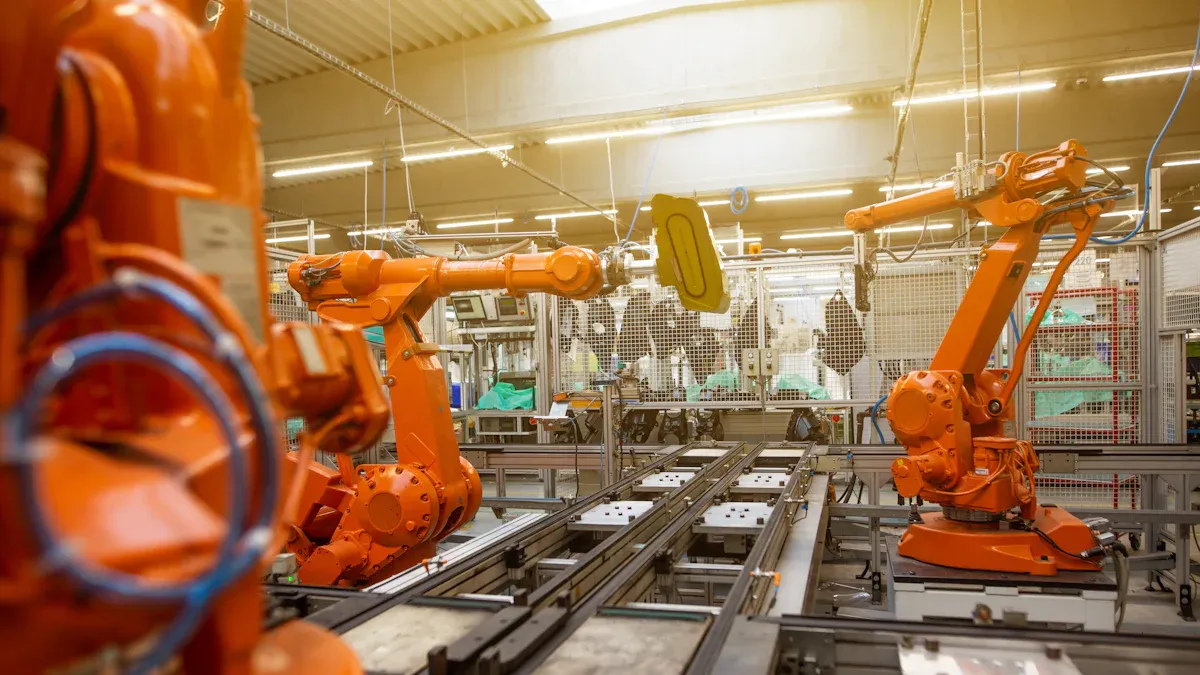
You face many problems when you try to make lead time better in aluminum die casting. You need to deliver products fast, but you have trouble with time at each step. Lead time optimization helps you work better and spend less money. You can look at cycle time, check often, and use predictive maintenance to speed up your process. Many manufacturers find it hard to handle different materials and lots of data, keep quality high, and fix things that break without warning. Plant managers sometimes do not know enough, which makes decisions slow. Lead time optimization helps you control time better and keeps product quality good.
Common challenges include:
Handling complex materials and data makes time and quality worse.
Decisions are slow because people do not know enough.
Unplanned fixes mess up time and how things get made.
Lead Time in Aluminum Die Casting
Definition and Importance
It is important to know what lead time means. Lead time is the time from getting an order to giving the finished casting. This time covers all steps like mold design, melting aluminum, casting, cooling, and finishing. If you make lead time shorter, you can send products faster. Customers will be happier when they get their orders quickly. Short lead times also help you spend less money and use your tools better.
Many things can change how long lead time takes in aluminum die casting. New machines and digital tools help you work faster and make fewer mistakes. When you link your steps together, you can fix problems quickly. This keeps your work moving. If people want better quality, you need to finish each step faster. The way you design your casting and the kind of aluminum you pick can change how long each step takes. If you make less scrap, you save money and finish orders on time.
Tip: You can use machines and data to find slow spots in your aluminum die casting cycle. This helps you fix problems before they stop your work.
Typical Production Lead Times
Lead times in aluminum die casting are not always the same. They change based on your method and how big your order is. Most companies need a few weeks to finish everything. The table below shows how long different casting methods usually take:
Casting Method | Typical Lead Time (weeks) | MOQ (pieces) |
|---|---|---|
Die Casting | Hundreds to thousands | |
Sand/Investment Casting | Faster for reorders | Smaller runs for prototyping |
Die casting often takes four to twelve weeks to finish. You usually make hundreds or thousands of aluminum parts at once. Sand or investment casting is faster if you order again. It is good for small batches or testing new ideas.
You can make your aluminum die casting cycle shorter with machines and digital tools. These tools help you finish steps faster and make fewer mistakes. If you focus on quality and make less scrap, you also save time and money. Every time you make your cycle better, you get ahead in the aluminum casting business.
Die Casting Process Stages
Mold Design and Tooling
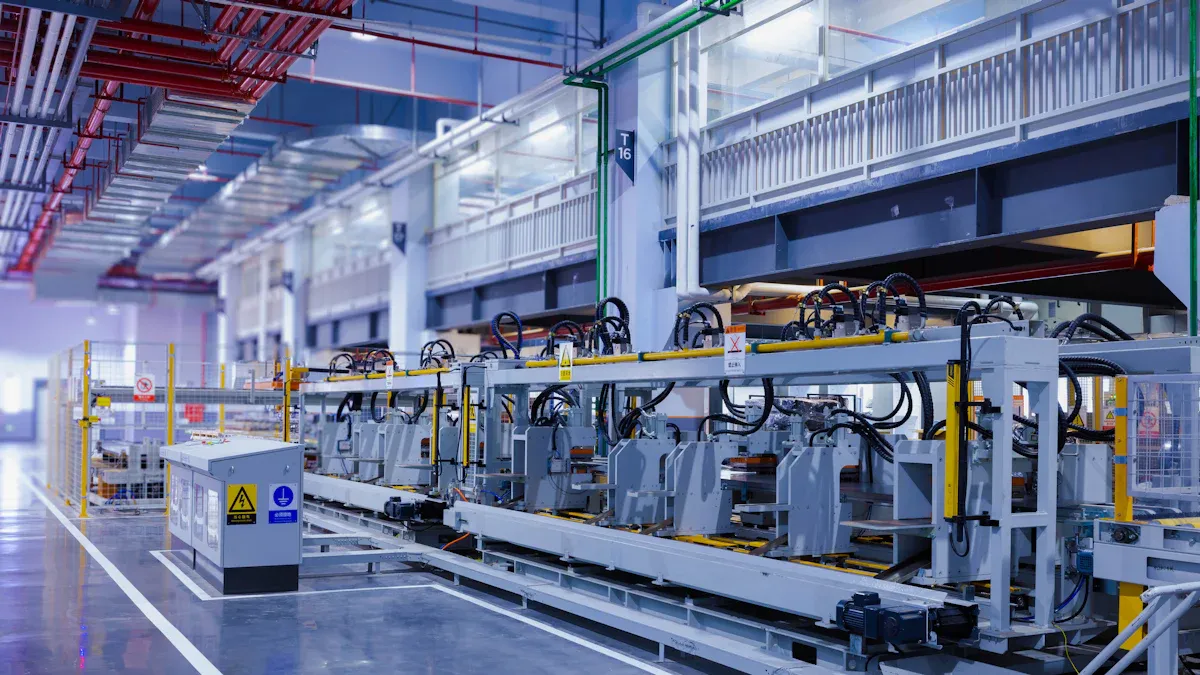
Every aluminum die casting job starts with mold design and tooling. This step shapes how the whole process will go. First, you make a pattern. Then you design risers, gates, and vents to help the aluminum fill the mold. How long this setup takes can change your total lead time. If the first costs are high or the design is hard to change, your project can slow down. You should plan for changes and make sure your setup works well.
Factor | Impact on Lead Time |
|---|---|
High Initial Costs | Big upfront costs can slow down when you start. |
Design Rigidity | Hard changes can take more time and cost more money. |
Setup Time | Long setup can make the whole process take longer. |
You want your mold to be easy to change. Fast changes help you meet what customers want. Checking your work now helps you find problems early and keep your process moving.
Casting and Filling Time
In this step, you pour hot aluminum into the mold. You must watch the temperature and how fast you pour. Pouring too fast can cause problems. Pouring too slow wastes time. The right speed makes strong parts and keeps your cycle short. You need to check how the aluminum flows and make sure the mold fills all the way. Good gates and vents help the aluminum move well. You want to stop air bubbles and cold shuts. Every second matters here. Fast, even filling lets you make more parts in less time.
Cooling and Finishing
After casting, you let the aluminum cool down. This step is important for both quality and speed. Special cooling channels help control the heat. These channels lower hot spots and help your mold last longer. You get faster cycles and your mold does not wear out as fast.
The cooling channels can be made to fit the hottest parts of the tool. This lowers hot spots, stops wear, and makes the mold last longer. Additive manufacturing can also make the process much faster. You do not need to machine and put together many parts. One strong piece can save a lot of time.
Next is finishing. You take the casting out of the mold and trim off extra bits. You check for any problems. Checking now makes sure your parts are good quality. Fast finishing and careful checks help you send parts on time and keep customers happy.
Lead Time Optimization Strategies

Cycle Time Optimization
You can make your aluminum die casting process faster by working on cycle time optimization. Saving seconds in each cycle adds up to a big time savings. The die casting cycle has many small steps. Each step, like filling, cooling, and ejecting, takes time. Making each step quicker helps you finish more aluminum parts.
Start with your mold design. A good mold design lets aluminum flow better and cool faster. This lowers cycle time and gives you better casting quality. Adjusting things like temperature and pressure also helps. Setting the right numbers means fewer defects and less downtime. Watching your process in real time helps you spot problems fast. You can fix issues before they slow down production.
Here is a table that shows how different methods help with cycle time and lead time:
Method | Impact on Cycle Time and Lead Time |
|---|---|
Optimizing mold design | Improves casting quality, lowers defects, and cuts cycle time for faster production. |
Fine-tuning process parameters | Makes high-quality castings and less downtime, so throughput and lead time get better. |
Real-time monitoring | Makes your process more consistent and reduces delays. |
You can use special techniques like prefilling and synchronizing movements. These steps can cut cycle time by up to 30%. This saves money and helps you finish orders faster. Automotive manufacturers use these methods to keep up with fast production and high demand.
Automation and Predictive Maintenance
Automation changes how you work in aluminum die casting. Robots and machines move parts, pour aluminum, and trim castings without stopping. This lowers waiting and mistakes. Using automation gives you shorter cycle time and better quality. You also spend less because you need fewer people for each step.
Predictive maintenance helps you stop problems before they start. Sensors watch your machines and tell you if something is wrong. You can fix small issues before they become big breakdowns. This keeps production moving and avoids long stops. Automotive companies use predictive maintenance to keep their lines running and meet tight deadlines.
Here is a table that shows how automation and predictive maintenance help with time and quality:
Strategy | Evidence |
|---|---|
Automation Integration | Lowers WIP’s transit time, so lead times are shorter and client requests get filled faster. |
Synchronization of Movements | Can cut cycle time by 20-30%, saving lots of money. |
Robot Cycle Filming | Helps you study and improve robot movements for better efficiency. |
Process Automation | Improves quality and traceability, so lead times get better and defects go down. |
Track your process with data. Logged temperature data and other records show what works best. This traceability helps you improve your aluminum die casting process over time. You can change your machines and methods to get the best results.
Inspections and Data Analysis
Frequent inspections keep your aluminum castings high quality. You can find small cracks or defects early. This means you do not waste time or materials on bad parts. Checking castings often lowers scrap rate and speeds up production.
Frequent inspections help you find defects you cannot see, like fine cracks and material problems. This way of checking quality lowers scrap rates after casting. It helps you make your process better and lead times shorter.
Data analysis helps you see where you lose time. Pareto charts show which steps take the longest. When you know your slow spots, you can fix them first. This is a best practice for aluminum die casting. You can also use robot cycle filming to watch how machines move. Small changes in robot paths can save seconds in every cycle.
Parameter traceability is important for process optimization. When you log casting temperatures and other settings, you can spot trends. You see what works and what does not. This helps you make better choices for future production. You get better aluminum parts, lower cost, and faster delivery.
Here is a table that shows how parameter traceability helps your process:
Aspect | Description |
|---|---|
Casting Technology Choice | Picking the right casting technology makes production faster and quality better. |
Mechanical Design | Good mechanical design helps control the process and makes products better. |
Process Automation | Automation improves quality and traceability, so lead times get better and defects go down. |
Logged temperature data helps with quality checks.
Makes it easier to track the casting process.
Helps you improve your process and control quality.
Using these tools and methods gives you faster aluminum die casting cycles, better quality, and lower cost. You can meet your customers’ needs and stay ahead in the automotive industry.
Measuring Performance and Overcoming Challenges
Key Metrics for Optimization
You must watch the right numbers to get better at aluminum die casting. These numbers show where you waste time or money. The most important number is cycle time. Cycle time tells you how long it takes to make one casting from start to finish. If you make cycle time shorter, you can make more parts faster. You should also check Overall Equipment Effectiveness, or OEE. OEE shows how well your machines work while making parts. A high OEE means your machines work well and you waste less aluminum.
On-Time-In-Full, or OTIF, is another important number. OTIF tells you if you send aluminum castings to customers on time and in the right amount. If you do not meet OTIF goals, you might lose trust and pay more money. You can use these numbers to see how you are doing and find ways to work better.
Tip: Check cycle time, OEE, and OTIF every day. This helps you find problems early and keep your aluminum die casting running well.
Addressing Bottlenecks and Quality Control
You will have bottlenecks in aluminum die casting. Bottlenecks slow down your work and make things cost more. The most common bottlenecks are metal loss and using too much energy. Metal loss happens when you lose aluminum between melting and casting. Even a small 1% loss on 5,000 tonnes can mean losing 70,000 EUR. Using a lot of energy can be 25% of the total cost for each aluminum part.
Bottleneck | Impact on Profitability |
|---|---|
Metal Loss | |
Energy Consumption | 25% of total cost of die cast parts |
Dr. Theodoor van der Hoeven says, “Any metal loss that happens between melting and casting lowers the yield and hurts your return on investment. You cannot stop all metal loss, but with good steps and the right conditions, you can get much better yield.”
You can fix these bottlenecks by following a metal yield guide. Work on stopping losses from oxidation, spillage, and contamination. Try five ways to save energy when melting and moving aluminum. These steps help you spend less and do better.
Other problems are not having enough resources and having too many defects. You can fix these by teaching your team, using better tools, and checking quality often. When you control each step, you keep your aluminum die casting strong and your cycle time short.
You can make lead time and cycle time shorter by using automation and new technology. When you study each step, you find ways to work faster. The table below shows how these ideas help you do better:
Benefit/Strategy | Description |
|---|---|
Change melt temperature and injection speed to save time and keep quality. | |
Automation of the die-casting process | Use robots to cast aluminum faster and with more accuracy. |
Monitoring process performance | Watch real-time data to find problems and fix them quickly. |
Watching your process all the time and using new tools helps you make aluminum parts well. When you try to get better, you also help the planet and spend less money.
If you train your team and get advice, you can make your aluminum die casting work better and cost less.
Always look for new ways to make your process better. Each small change helps you get better quality and send orders faster.
FAQ
What is the fastest way to reduce lead time in aluminum die casting?
You can use automation and real-time monitoring. These tools help you spot slow steps and fix them quickly. You finish more parts in less time.
How does predictive maintenance help my production?
Predictive maintenance lets you fix machines before they break. You avoid long stops and keep your process running smoothly. This saves you time and money.
Why should I track cycle time every day?
Tracking cycle time daily helps you find problems early. You can make quick changes and keep your production on schedule.
What common mistakes slow down lead time?
Not checking machines often
Ignoring small defects
Waiting too long to fix problems
You can avoid these mistakes by staying alert and acting fast.
See Also
Comparing Aluminium And Magnesium For Lightweight Die Casting
Understanding The Processes Of Aluminum Extrusion And Die Casting
Important Trends In The 2025 Automotive Aluminum Die Casting Sector
Exploring The Advantages Of CAE Analysis In Die Casting
Methods Used By Die Casting Factories For Waste Management
About Hunan Puka

Established in 2016 and based in Hunan, China, with a liaison point in Berlin, we are a Tier 2 supplier for the automobile industry. We specialize in the production of customized aluminum die-casting parts designed for machines with a closing force ranging from 280 to 1250 tons, with subsequent manufacturing process CNC machining and surface treatment. Our commitment to quality is reflected in our accredited quality management system, certified by ISO9001:2015 and IATF16949:2016 standards.