CO2, Fiber, and Diode Lasers for Metal Engraving Compared

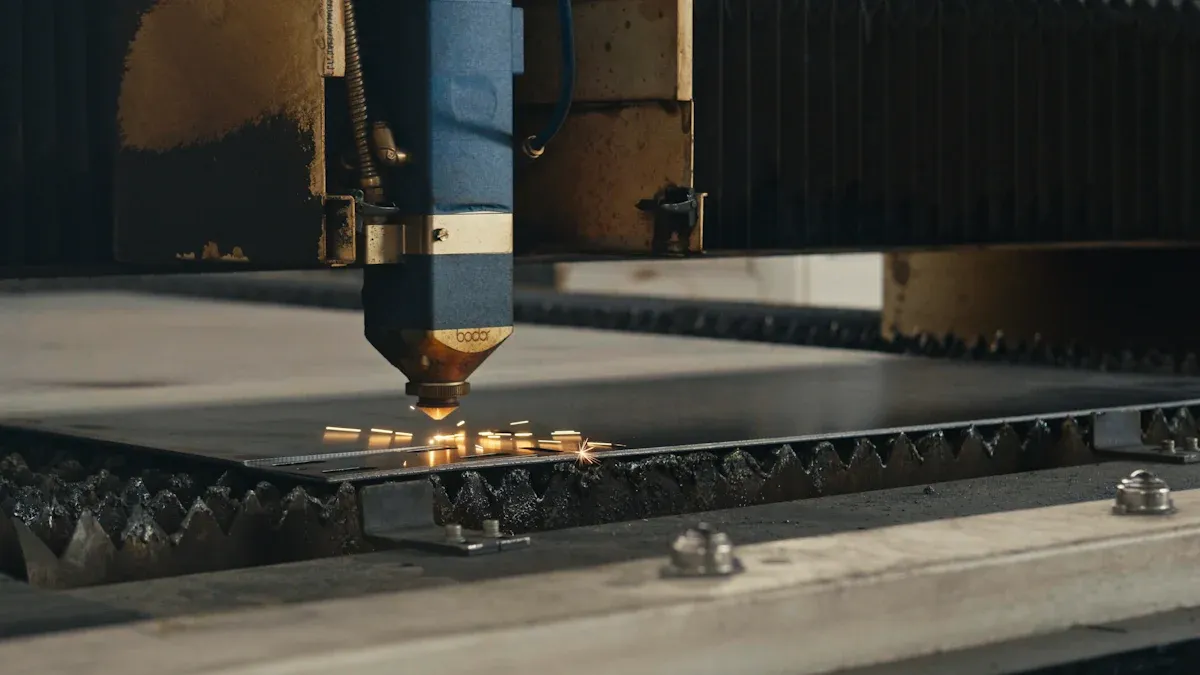
You want the best results when you perform laser engraving on metal. Fiber laser engravers and cutters are the best choice for this task. Many companies utilize fiber lasers for fast marking and engraving, as they help make the process quicker and provide very precise results. The table below illustrates why fiber lasers are ideal for laser engraving on metal and custom jobs:
Advantage | Description |
|---|---|
Fiber lasers create clear, strong marks on various metals. | |
Versatility | You achieve excellent results on uncoated aluminum, stainless steel, and more. |
Precision | A laser engraver produces cleaner cuts compared to diode lasers. |
While good diode laser models can handle many engraving jobs, other laser engravers come with special features as well. With the right machine, you can achieve outstanding laser engraving on metal and custom work.
Laser Engraving on Metal: Technology Overview
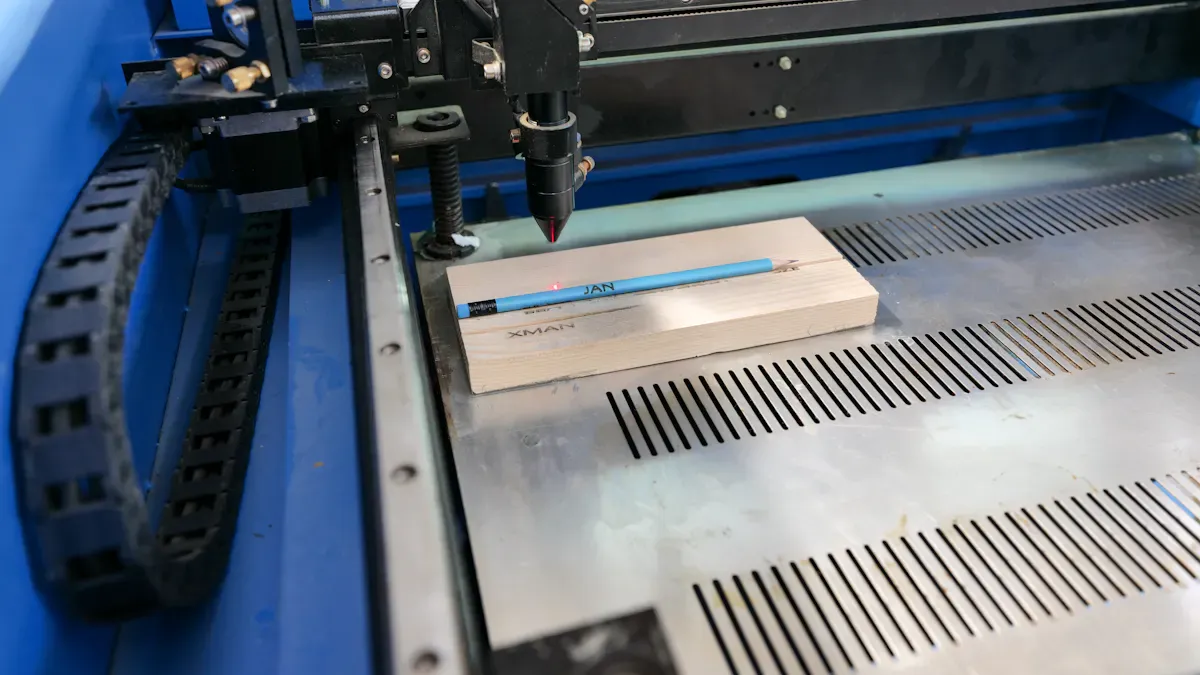
Laser Types Explained
When you look at laser engraving on metal, you will find three main types of lasers: diode, CO2, and fiber. Each type uses a different technology and works best for certain materials. Here is a simple table to help you see the differences:
Laser Type | Wavelength | Strengths | Limitations |
|---|---|---|---|
Diode | 445-455 nm | Great for wood, leather, and coated metals. Affordable for beginners. | Not good for deep engraving on metal. Slower speed. |
CO2 | 10.6 μm | Fast on acrylic, glass, and ceramics. Can engrave some coated metals. | Large size. Needs good ventilation. Higher cost. |
Fiber | Best for laser engraving on metal. Fast, deep marks on metals like stainless steel and aluminum. | High price. Not good for non-metals. |
You can use this table to match the right laser to your needs. Diode lasers work well for simple projects. CO2 lasers handle a wide range of materials. Fiber lasers give you the best results for metal.
How Lasers Work with Metal
Lasers use focused light to heat and change the surface of metals. The wavelength of the laser decides how well it works on different metals. Fiber lasers use a wavelength that matches metals like stainless steel, brass, and aluminum. This means you get deep, clear marks and fast engraving. CO2 lasers have a longer wavelength. They do not absorb well into bare metal, so they work better on coated or painted surfaces. Diode lasers use a shorter wavelength. They can mark coated metals but cannot engrave deep into bare metal.
Tip: If you want strong, permanent marks on metal, choose a fiber laser. For coated metals or mixed materials, a diode or CO2 laser may fit your needs.
Laser engraving on metal depends on matching the right laser type to the metal you want to engrave. When you understand how each laser interacts with metals, you can pick the best tool for your project.
Diode Lasers for Metal Engraving
Material Compatibility
Material compatibility is very important when picking a diode laser engraver. A diode laser works with many materials. You can use it on wood, leather, and plastic. For metal, you should use coated surfaces. Diode lasers do not work on bare metals. You can engrave painted or anodized aluminum and stainless steel tumblers. Other coated metals also work with diode lasers. This makes diode lasers good for crafts and small projects. Always check if your material is compatible before you start engraving.
Engraving Ability and Limitations
A diode laser engraver can mark coated metals. You can make designs on tumblers, tags, and tools. Diode lasers let you work with many coated items. But you cannot engrave deep into bare metal. Diode lasers are not strong enough for hard metals. You will see clear marks on coated surfaces only. Plain metal will not show deep marks. Diode lasers are best for surface marking.
Pros and Cons
Note: Think about the pros and cons before you buy a diode laser engraver.
Pros:
Small and easy to move
Saves energy
Simple to take care of
Most people can afford one
Cons:
Works with fewer metal types
Cannot engrave deep on bare metal
Slower than other lasers
Cost and Accessibility
A diode laser engraver is one of the cheapest options. Many models cost about €150 to start. The price and material compatibility make it popular for beginners. You can use a diode laser for crafts and coated metal items. The table below shows why many people pick this laser:
Feature | Details |
|---|---|
Price Range | |
Accessibility for Hobbyists | Affordable and good for beginners, so hobbyists can use them |
Advantages | Small, portable, saves energy, easy to care for |
Ideal Use Case | Good for engraving coated metals and tumblers |
You can start engraving at home with a diode laser. It is easy to use and works well for learning and small projects.
CO2 Laser Engraver: Metal Applications
Compatible Metals and Materials
You can use a CO2 laser to engrave some metals. It works best on coated or painted metal. Bare metals do not absorb the CO2 laser well. If you want to engrave stainless steel or aluminum, you need to add a spray or coating first. The CO2 laser also works with wood, acrylic, glass, and leather. You can cut thick plywood or acrylic sheets easily. This makes the CO2 laser useful for many projects.
Engraving and Cutting Performance
A CO2 laser engraver gives clear results on coated metal. You can make detailed designs, logos, or words. The CO2 laser can also cut thick materials fast. But it is not as good as a fiber laser for metal. Fiber lasers are faster and more precise for metal engraving and cutting. The table below shows how CO2 and fiber lasers are different:
Laser Type | Speed and Precision | Advantages | Disadvantages |
|---|---|---|---|
CO2 Laser | Not as good for metal, but great for non-metals | Works on many materials, precise, fast | Needs care, costs more, is big |
Fiber Laser | Very fast and precise for metal | Best for metals, strong, accurate | Very costly, not for non-metals |
You can use a CO2 laser for coated metals, but you will not get deep marks on plain metal. The CO2 laser is great for cutting thick materials for signs or crafts.
Pros and Cons
Note: Think about the good and bad sides before you pick a CO2 laser engraver for metal work.
Pros:
You can engrave coated metals and many other things.
You can cut thick materials like acrylic and wood.
You get clear and quick results for non-metal projects.
Cons:
You cannot engrave deep on plain metals.
You need to clean and fix it often.
The machine is big and can cost a lot.
Cost and Maintenance
A CO2 laser engraver costs more than a diode laser. Starter models cost about €500. You need to plan for cleaning and fixing parts. The table below gives a quick look:
Aspect | Details |
|---|---|
Initial Cost | Starts at about €500 for basic models |
Maintenance Requirements | Needs cleaning and regular care |
You should think about the price and care before you buy a CO2 laser. This machine can work with many materials and cut thick pieces, but you must keep it clean for the best results.
Fiber Laser Engraver: Best for Metal
Metal Compatibility
A fiber laser engraver can mark many metals. It works best on stainless steel, aluminum, brass, and copper. You should not use it on wood or acrylic. Fiber lasers do not work well with those materials. If you want to engrave tools, tags, or metal parts, you will see strong marks. Fiber lasers let you work with different metals. This means you can do many types of projects.
Stainless steel
Aluminum
Brass
Copper
Tip: Do not use a fiber laser engraver on wood or acrylic. These materials do not take in the laser well.
Engraving Quality and Speed
Fiber laser engravers are very accurate and fast. You can make sharp designs on metal. The machine can mark stainless steel and aluminum quickly. You can use engraving, ablation, or color change. Even a 20W fiber laser can mark aluminum. If you use more power, you get deeper marks and faster work.
Metric | Value |
|---|---|
Accuracy | 0.002 mm |
Speed | Up to 7000 mm/s |
Engraving Depth | ≤ 0.4 mm |
You can finish jobs quickly and get pro results. Fiber lasers help you make clean lines and deep marks on metal.
Pros and Cons
It is good to know the strong and weak points of a fiber laser engraver.
Pros:
Best for metals
Fast and very precise
Works with many metal types
Makes marks that last
Cons:
Costs more than other lasers
Does not work on wood or acrylic
Cost and Longevity
Fiber laser engravers cost more than diode or CO2 lasers. You pay at least €2000 for a basic one. They last a long time, up to 100,000 hours. This makes fiber lasers a smart pick for lots of use and pro jobs.
Laser Type | Lifespan | Price Range |
|---|---|---|
Fiber Laser | up to 100,000 hrs | from €2000 |
Note: You pay more at first, but fiber laser engravers last longer and need less fixing.
Laser Engraving Comparison: Diode vs CO2 vs Fiber
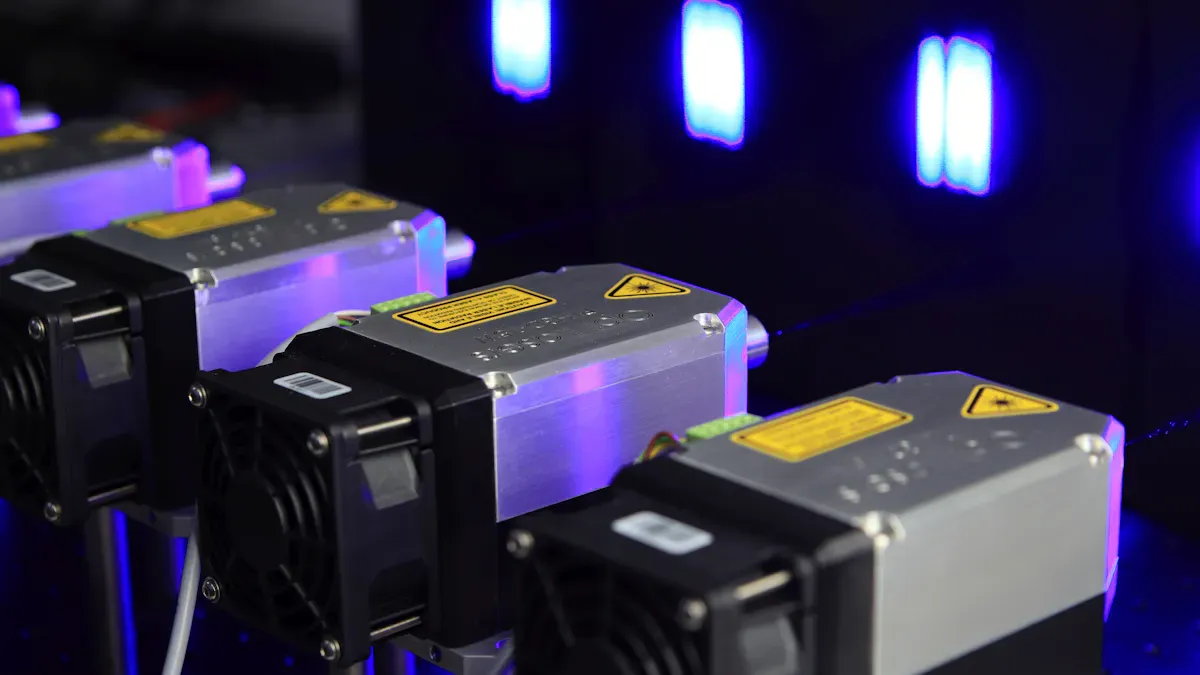
Performance and Quality
When you pick a laser for metal engraving, you want good results. Diode, CO2, and fiber lasers each have their own strengths. Diode lasers are good for marking the top of coated metals. You can use them for crafts or simple art. The marks look clear but do not go deep. CO2 lasers can mark coated metals and many other things. They work fast on wood, acrylic, and painted items. Fiber lasers are best for metal engraving. They make deep, lasting marks on metals like stainless steel and aluminum. Fiber lasers cut with great accuracy and keep the beam steady. You get even cuts on different materials and thicknesses. The edges look smooth, so you do not need to fix them much.
Tip: For the best marks on metal, use a fiber laser. CO2 lasers are good for many materials. Diode lasers are best for easy projects.
Here is a quick table to compare:
Laser Type | Performance on Metal | Precision | Speed | Edge Quality | Versatility |
|---|---|---|---|---|---|
Diode | Surface marking | Moderate | Slow | Basic | Good for coated metals |
CO2 | Surface marking (coated) | Good | Fast | Good | Excellent for non-metals |
Fiber | Deep, permanent marks | Superior | Fast | Excellent | Best for metals |
Cost and Maintenance
You should think about both price and care. Diode lasers are the cheapest. You can get one for about €150. They are easy to take care of. CO2 lasers start at €500. You need to clean and check them often. Fiber lasers cost the most, starting at €2000. They last longer and need less fixing, so you spend less time on care.
Laser Type | Price Range | Maintenance Needs | Lifespan |
|---|---|---|---|
Diode | from €150 | Low | Moderate |
CO2 | from €500 | High | Moderate |
Fiber | from €2000 | Minimal | Long (up to 100,000 hrs) |
Note: Fiber lasers use less energy, so you save money later. CO2 lasers need more cleaning and care. Diode lasers are easy to keep up but do not last as long.
Application Scenarios
You need to pick the right laser for your job. Diode lasers are good for hobbies and small crafts. You can engrave coated metals, tumblers, and tags. CO2 lasers are great for signs, wood, and painted things. You can use them for making labels and in factories. Fiber lasers are best for big jobs in factories. You can engrave jewelry, machine parts, and all metals. Fiber lasers cut shiny metals easily. You get the same results every time and do not need much care.
Here is a table to show which laser fits each job:
Application | Best Laser Type | Materials Used |
|---|---|---|
Jewelry Engraving | Fiber Laser | All metals |
Signage | CO2 Laser | Wood, glass, painted metal |
Machine Parts | Fiber Laser | Stainless steel, aluminum |
Crafts & DIY | Diode Laser | Coated metals, plastics |
Fiber lasers are used most in factories for metal engraving. They cut shiny metals fast and need little care.
CO2 lasers are good for many materials and making signs.
Diode lasers are cheap and good for simple engraving.
Tip: Pick fiber lasers for pro metal engraving. Use CO2 lasers for signs and mixed materials. Choose diode lasers for crafts and coated metals.
Choosing the Right Laser for Your Needs
Hobbyists and DIY
You want to start laser engraving at home or in a small workshop. You need a machine that fits your budget and your space. Diode lasers work well for beginners. You can use them to engrave designs on coated metals and thin materials. These machines cost less and take up little room. You can move them easily and set them up without much trouble.
CO2 lasers give you more options. You can cut and engrave wood, acrylic, and coated metals. These machines help you try many projects. You can make signs, gifts, or art. CO2 lasers cost more than diode lasers, but you get more power and speed.
Fiber lasers offer the best results for metal. You can engrave deep marks on metals like stainless steel and aluminum. These machines cost much more. You need to think about your budget and your needs. If you want high precision and fast work, fiber lasers are the top choice.
Tip: Start with a diode laser if you want to learn and experiment. Choose a CO2 laser if you want to work with many materials. Pick a fiber laser if you need strong marks on metal and have a bigger budget.
Small Business Use
You run a small business and want to engrave products for customers. You need a machine that balances cost, performance, and versatility. Diode lasers help you save money. You can use them to engrave coated metals, wood, and leather. These machines work well for small jobs and custom orders. You do not need much space or setup.
CO2 lasers let you work with many materials. You can make signs, labels, and gifts. These machines need more care and space. You must clean them often and check parts. CO2 lasers do not work as well for bare metals.
Fiber lasers give you the best results for metal. You can engrave deep marks on metals and make products that last. These machines cost more and do not work with wood or acrylic. You need to think about your budget and your main products.
Note: Diode lasers are good for small businesses that want to save money and work with coated metals. CO2 lasers help you offer more products. Fiber lasers are best for businesses that focus on metal engraving.
Industrial and Professional
You work in a factory or a professional shop. You need a machine that handles big jobs and lasts a long time. Fiber lasers are the best choice for metals. You can engrave deep marks on metal parts, tools, and jewelry. These machines work fast and give you high precision. You spend more at first, but fiber lasers last longer and need less care.
CO2 lasers help you cut and engrave many materials. You can use them for signs, packaging, and mixed projects. These machines need regular cleaning and take up more space. CO2 lasers do not work well for bare metals.
Diode lasers do not fit most industrial jobs. You can use them for small tasks or marking coated metals. These machines do not offer the speed or depth needed for big projects.
Tip: Fiber lasers give you the best value for long-term use. You spend less time on maintenance and get strong marks on metals. CO2 lasers help you with mixed materials. Diode lasers are best for simple jobs.
User Type | Best Laser Choice | Main Materials | Budget Range | Maintenance Needs | Long-Term Value |
|---|---|---|---|---|---|
Hobbyist/DIY | Diode/CO2 | Coated metals, wood | Low-Medium | Low-Medium | Good for learning |
Small Business | Diode/CO2/Fiber | Coated metals, wood | Medium-High | Medium | Good for growth |
Industrial/Pro | Fiber | Metals | High | Low | Excellent |
Remember: Think about your main materials, your budget, and how much care you want to give your machine. Fiber lasers cost more but last longer. Diode lasers are easy to use and cheap. CO2 lasers help you work with many materials.
You can pick from different lasers for metal engraving. Fiber lasers make deep marks that last a long time. Diode and CO2 lasers are good for coated metals and other materials. Choose the laser that fits your project and money plan. Think about how much you will spend over time and how often you need to care for the machine. If you want more help, check out these tools:
Fiber laser engraving and marking technology for high-precision results
xTool F1 Dual-Laser Engraver for detailed work on many materials
FAQ
What laser is best for engraving stainless steel?
You get the best results with a fiber laser. It creates deep, permanent marks on stainless steel. CO2 and diode lasers only mark coated steel, not bare metal.
Can you engrave metal with a diode laser?
You can engrave coated metals with a diode laser. Bare metals do not show clear marks. Diode lasers work well for crafts and small projects.
How long does a fiber laser last?
Laser Type | Average Lifespan |
|---|---|
Fiber Laser | Up to 100,000 hours |
You can use a fiber laser for many years. It needs little maintenance.
Is a CO2 laser safe for home use?
You can use a CO2 laser at home if you follow safety rules. Always use good ventilation and wear safety glasses. Keep the area clean.
Which laser is most affordable for beginners?
You should start with a diode laser. It costs less and is easy to use. Many hobbyists choose diode lasers for learning and small jobs.
See Also
Evaluating Steel, Titanium, And Aluminum In Robotics Components
Exploring Various Categories Of CNC Cutting Tools Available
Cost Comparison Between Plastic And Aluminum Prototypes Explained
Lightweight Engineering: Aluminium Or Magnesium Die Casting Materials?
Advantages Of CAE Analysis In Die Casting Design Process
About Hunan Puka

Established in 2016 and based in Hunan, China, with a liaison point in Berlin, we are a Tier 2 supplier for the automobile industry. We specialize in the production of customized aluminum die-casting parts designed for machines with a closing force ranging from 280 to 1250 tons, with subsequent manufacturing process CNC machining and surface treatment. Our commitment to quality is reflected in our accredited quality management system, certified by ISO9001:2015 and IATF16949:2016 standards.