What Is Knurling Texturing on Metal Surfaces and How Does It Work

Knurling texturing on metal is making patterns on metal parts. You do this by pressing or cutting lines into the metal. Knurling helps things look better and feel nicer. It also makes them work well. You often see knurling texturing on metal tools, knobs, and handles. This makes it easier to hold round and slippery objects. Knurling texturing on metal is important because it adds style and function.
Making surfaces textured
Better grip on round parts
You will learn how knurling texturing on metal works. You will also learn why it is useful for everyday things.
Knurling Texturing on Metal Explained
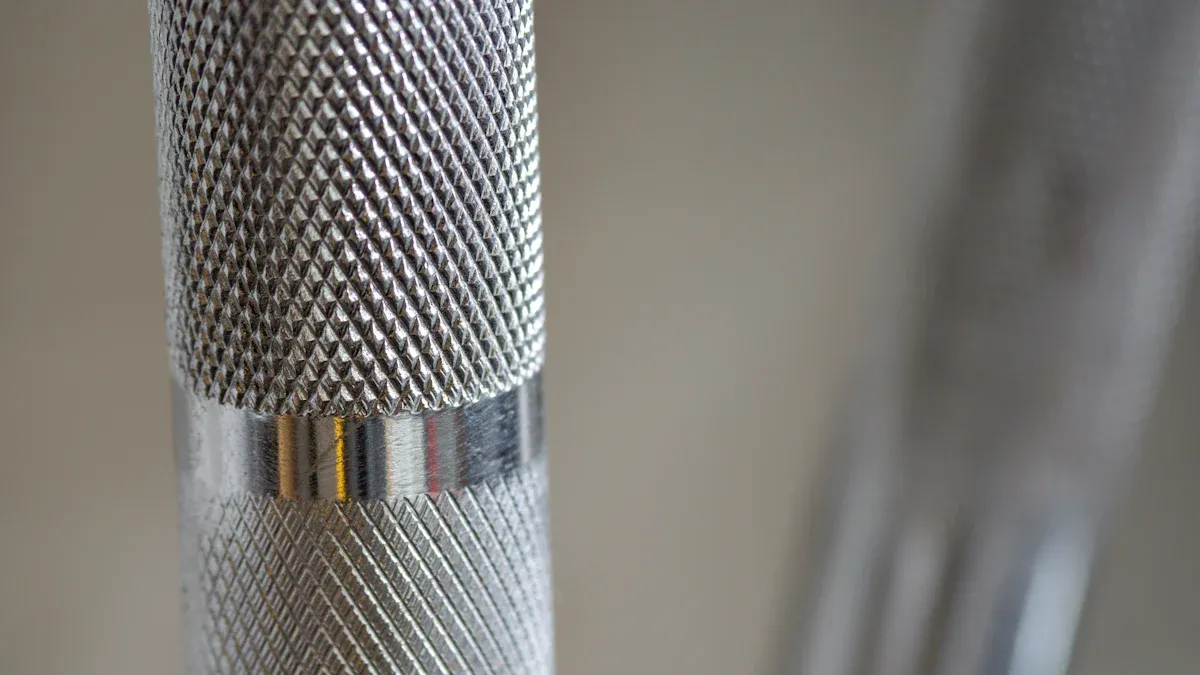
What Is Knurling?
Knurling is a special process that changes the surface of a metal part. You use it to create a raised pattern that covers the surface. This pattern can look like straight lines, diamonds, or even crisscross shapes. You often see knurling on round objects, like tool handles or knobs. The main reason you use knurling is to make the surface easier to grip. When you add a pattern, your hand does not slip as easily. This helps you turn or hold the part with more control.
Knurling also makes the surface look unique. You can use different patterns to show branding or to make parts easy to tell apart. Sometimes, you need knurling for safety. The pattern gives you better tactile feedback, so you know you have a good hold.
Here are some main purposes for knurling on metal surfaces:
Tactile feedback and user safety
Visual differentiation or branding cues
Easy manual handling of small parts
Knurling is important in manufacturing because it gives both function and style to metal parts. You can find this process in many industries, from tools to electronics.
How Knurling Is Done
You create knurling by using a tool that presses or cuts a pattern into the metal surface. Most of the time, you use a machine called a lathe. The lathe spins the metal part while a knurling tool pushes against it. The tool has a hard wheel with a serrated edge. As the wheel rolls over the surface, it forms the pattern you want.
Here is a simple way to understand the process:
Place the metal part in the lathe.
Choose the knurling tool with the pattern you need.
Press the tool against the spinning surface.
The tool forms the pattern by either pressing or cutting into the metal.
Check the surface to make sure the pattern is even and deep enough.
You can use different types of knurling tools. Most tools have wheels made of carbide steel. These wheels have sharp edges that match the pattern you want on the surface. The diamond pattern is very common because it gives the best grip.
Tip: Always check the surface before and after knurling. A clean surface helps the pattern form correctly. After knurling, you may need to clean the part to remove any sharp edges.
Knurling is a finishing process. You do it near the end of making a part. This step makes sure the surface has the right pattern and feels good to touch. You can use knurling on many types of metal, but you see it most on cylindrical parts. The process helps prevent slipping and makes it easier to use the part in daily life.
Knurling Patterns and Methods
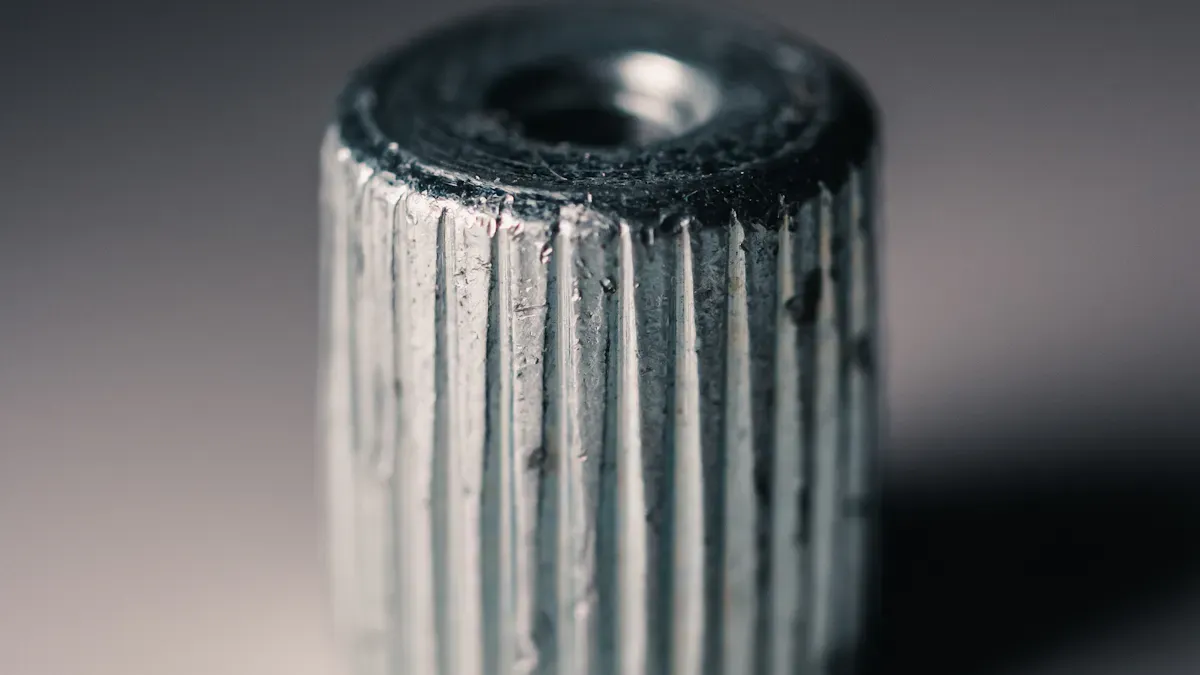
Common Patterns (Straight, Diamond, Cross)
You can choose from several knurling patterns when you want to add texture to metal. Each pattern gives a different look and feel. The most common types are straight, diamond, and cross-hatch. You can see how they compare in the table below:
Pattern Type | Description | Best For | Notes |
|---|---|---|---|
Straight | Parallel lines along the axis | Sliding grip, linear motion | Used on control rods or handles that move axially. |
Diamond | Crossed diagonal lines | Strong grip, torque-heavy use | Standard for manual knobs and high-friction needs. |
Cross-hatch | Crisscrossed lines | Decorative effects on tools | Adds style and visual interest. |
You often see straight patterns on tool handles and grips. Diamond patterns work best for fasteners and connectors. Cross-hatch patterns add a decorative touch to tools. When you pick a pattern, you should think about how you want the knurled features to look and feel.
Tip: If you need a strong grip, choose a diamond pattern. For a smooth sliding motion, straight lines work better.
Rolling vs. Cutting Methods
You can create knurled features using two main methods: rolling and cutting. Rolling knurling forms the pattern by pressing a patterned tool against a spinning part. This process shifts the metal without removing any material. It works well for most jobs and gives a strong, raised texture.
Cutting knurling uses a sharp tool to remove metal and carve the pattern into the surface. This method gives you a very precise texture. You should use cutting when you work with delicate parts or need a clean finish.
Manual tools let you add simple patterns by hand. Machines like lathes help you make more complex knurled features quickly and evenly.
Note: Rolling is faster and works for most metals. Cutting is better for soft or thin materials that might deform under pressure.
When you understand these methods, you can choose the best way to add knurling to your project.
Materials and Surface Finishes
Best Metals for Knurling
You can choose from many metals when you want to add knurling to a surface. Some metals work better than others. Aluminum is a popular choice because it is soft and easy to shape. Steel gives you a strong surface that holds the pattern well. Brass also works well for knurling. It has a smooth surface and looks shiny after you finish it.
Here is a table that shows the best metals for knurling:
Metal | Knurling Quality | Grip Strength | Appearance |
|---|---|---|---|
Aluminum | Easy to knurl | Good | Bright, clean |
Steel | Very durable | Excellent | Matte or shiny |
Brass | Smooth finish | Good | Gold-like shine |
Tip: If you want a strong grip and a long-lasting surface, steel is your best option. Aluminum is easier to work with, but it may wear out faster.
Surface Finish Options
After you knurl a metal part, you can choose how the surface will look and feel. You may want a rough surface for extra grip, or you may prefer a smooth surface for style. You can polish the surface to make it shiny. You can also coat the surface with paint or plating to protect it.
Here are some common surface finish options:
Polished surface: Makes the pattern shine and feel smooth.
Matte surface: Reduces glare and gives a soft look.
Painted surface: Adds color and protects the metal.
Plated surface: Covers the metal with another layer, like chrome or nickel.
Note: Always check the surface after finishing. Make sure the pattern stays clear and the grip feels right.
You can change the surface finish to match your needs. If you want a decorative look, choose a polished or plated surface. If you need a strong grip, keep the surface rough. The right surface finish helps your knurled part last longer and work better.
Where Is Knurling Used and Its Benefits
Applications in Industry
Knurling is used in many industries. It helps people hold metal parts better and makes them look nice. You can find knurling on medical tools, car parts, airplane equipment, things you use at home, big machines, and workout gear. Knurled handles on forceps and scalpels help doctors and dentists hold tools without slipping. In cars, knobs and brake parts have knurling so your hands do not slip and you have more control. Airplane engineers use knurling to give grip but not add much weight. You also see knurling on fancy electronics and razors to make them feel special.
Here is a table with products that use knurling:
Industry | Examples of Products |
|---|---|
Medical and dental | Knurled handles on forceps, scalpels, surgical tools |
Automotive | Adjustment knobs, brake components, screw heads |
Aerospace | Lightweight parts needing traction |
Consumer products | Electronics, razors, premium packaging |
Industrial machinery | Levers, clamping screws, interface points |
Tool handles | Screwdrivers, pliers, other handheld tools |
Fitness equipment | Barbell grips, bicycle handles, gear knobs |
You can also see knurled handlebars on bikes and gym machines. Knurled steel bars in weightlifting help you hold on when lifting heavy weights. Tool handles often use a diamond pattern to help you turn things and stay safe.
Grip, Aesthetics, and Cost
Knurling gives three main benefits: grip, looks, and price. The pattern makes more friction, so your hand does not slip. You get a good grip on handlebars, tool handles, and other parts. The raised pattern stops slipping, even if your hands are sweaty or oily. You can pick a pattern that matches your style or brand. Knurling makes metal parts look cool and fancy.
Tip: Pick a diamond pattern for a strong grip. Choose straight lines if you want a smooth feel.
Knurling does not cost a lot. You can add a pattern without spending money on special coatings or extra pieces. The process is fast and makes the surface last longer. You can use knurling on many metals, so you have lots of choices. Knurled handlebars, handles, and steel bars all use knurling to make things safer and easier to use.
Knurling helps you hold things better, makes them look nice, and keeps costs low. The pattern makes everyday items work well and look good.
Knurling adds texture to metal parts so you get better grip and style. You use simple tools or machines to press or cut patterns into surfaces. You see knurling on handles, tools, and many products you use every day. If you plan a new project, consider these tips from manufacturing experts:
Choose standard knurling tools to keep costs low.
Add knurling during machining for better value.
Watch for extra steps like polishing or cleaning.
Explore more about metal finishing to find the best fit for your needs.
FAQ
What tools do you need for knurling?
You need a lathe and a knurling tool. The tool has a patterned wheel. The lathe spins the metal part. You press the tool against the metal to make the pattern.
Can you knurl any type of metal?
You can knurl most metals. Aluminum, steel, and brass work best. Very hard or brittle metals may crack or wear out tools quickly.
Does knurling make parts stronger?
Knurling does not make parts stronger. It only changes the surface texture. You get better grip, but the metal’s strength stays the same.
How do you choose a knurling pattern?
You choose a pattern based on use. For strong grip, pick diamond. For sliding parts, pick straight lines. For style, try cross-hatch.
Tip: Test different patterns on scrap metal before you start your main project.
See Also
Top 10 Key Surface Finishing Techniques for Metals
Understanding Shrinkage Porosity and Its Causes in Metal Casting
Exploring Functional Testing in CNC and Die Casting Methods
Distinguishing Hot Tearing from Cold Cracking in Metals
Understanding Anodizing and Its Application in Die Cast Products
About Hunan Puka

Established in 2016 and based in Hunan, China, with a liaison point in Berlin, we are a Tier 2 supplier for the automobile industry. We specialize in the production of customized aluminum die-casting parts designed for machines with a closing force ranging from 280 to 1250 tons, with subsequent manufacturing process CNC machining and surface treatment. Our commitment to quality is reflected in our accredited quality management system, certified by ISO9001:2015 and IATF16949:2016 standards.