Emerging Trends in ISO14001 Adoption for the Casting Industry in 2026

Did you know that more than 70% of casting companies are aiming to enhance their environmental management systems by 2026? The upcoming changes in ISO14001 for casting industry will be significant. The 2026 update to ISO14001 for casting industry will place greater emphasis on digital tools and real-time data. It’s important to consider how digitalization and sustainability strategies can benefit the environment. Circular economy practices are also becoming increasingly popular in the casting sector. This means companies need to rethink their approach to waste, resource management, and regulatory compliance under ISO14001 for casting industry.
ISO14001 for Casting Industry: 2026 Revision
Key Changes in ISO14001:2026
The new iso standards for environmental management have many updates. The 2026 revision of iso14001 for casting industry adds new rules. These rules help you use resources better and cut down on waste. The iso standards now focus more on digitalization and real-time checks. You need to collect data and watch your impact closely.
Here are some key changes you should know:
Digital Integration: The iso standards tell you to use digital tools. You must track emissions and waste with sensors and software.
Circular Economy Principles: The iso14001 for casting industry wants you to reuse materials. You should recycle scrap metal and show your circular practices.
Enhanced Stakeholder Engagement: The iso standards ask you to include workers and suppliers. You need to share plans and listen to their feedback.
Risk-Based Thinking: The iso standards want you to spot risks early. You must plan for problems like pollution or not enough resources.
Stricter Reporting: The iso standards say you must report progress more often. You need to keep records and share results with regulators.
Tip: Digital dashboards can help you report easier. These tools let you see your progress and find ways to improve.
Impact on Casting Manufacturers
You need to change your plans to meet the new iso14001 for casting industry rules. The updates in iso standards change how you run your business and manage your teams. You must use digital tools, follow circular economy steps, and talk clearly.
Here is a simple table that shows how you can match your plans:
Area | Action You Can Take | Benefit |
|---|---|---|
Digital Monitoring | Put in sensors and use software | Collect data faster |
Circular Economy | Recycle scrap and reuse materials | Less waste and lower costs |
Stakeholder Input | Meet with workers and suppliers | Get better ideas and support |
Risk Management | Find risks and make plans | Fewer surprises and safer work |
Reporting | Use dashboards and keep records | Easier audits and clear progress |
You can follow these steps to meet the new iso standards:
Look at your current environmental management system.
Upgrade your tools and software for real-time checks.
Teach your team about circular economy and digital reporting.
Set goals for cutting waste and using resources better.
Share your progress with regulators and stakeholders.
You will get many benefits if you follow the new iso14001 for casting industry rules. You can save money, make your workplace safer, and build a good reputation. The new iso standards help you stay ahead in the casting industry.
Note: You can ask experts for help if you need advice on iso standards. Many consultants can train and support you.
Digitalization and Advanced Technologies
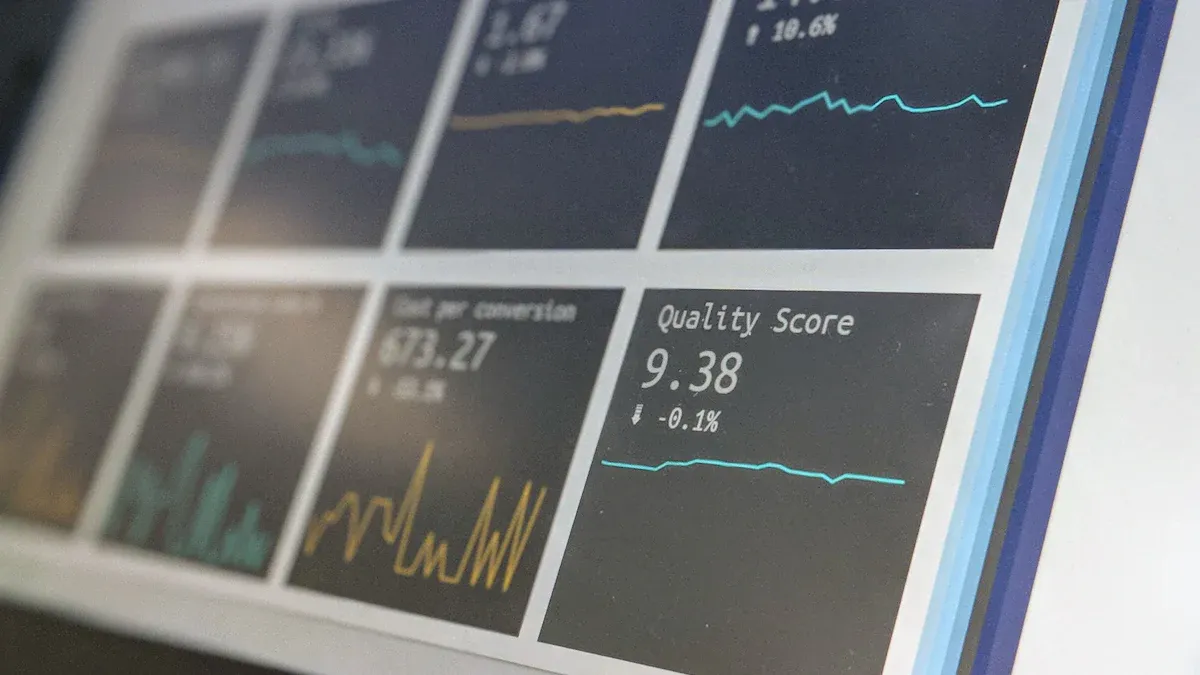
Real-Time Environmental Monitoring
Digitalization is changing how you watch the environment in casting. Sensors check air, water, and waste all the time. You can see this information on your phone or computer. This lets you find problems quickly and fix them fast. Many casting companies use real-time monitoring for ISO14001. You can set alerts if emissions or leaks get too high. These tools help you keep up with new ways to manage the environment.
Tip: Real-time dashboards let you see your impact right away. You can show these results to your team and to regulators.
Digital Audits in Casting Operations
Digital audits are another big change in casting. You can use software to keep track of your work. This makes audits quicker and more correct. You do not need to look for paper files. The software keeps everything in order. You can see changes and know who made them. Many casting companies use digital audits for ISO14001. You can also use mobile apps to take pictures and write notes during checks.
Here is a simple table that shows how digital tools help:
Digital Tool | How It Helps You |
|---|---|
Sensors | Track emissions and waste |
Dashboards | Show real-time data |
Audit Software | Organize records and reports |
Mobile Apps | Take photos and notes |
These trends make your job easier and more dependable. You can save time, make fewer mistakes, and do better for the environment. Digitalization helps you follow ISO14001 and be ready for new changes in the industry.
Sustainability and Circular Economy Trends
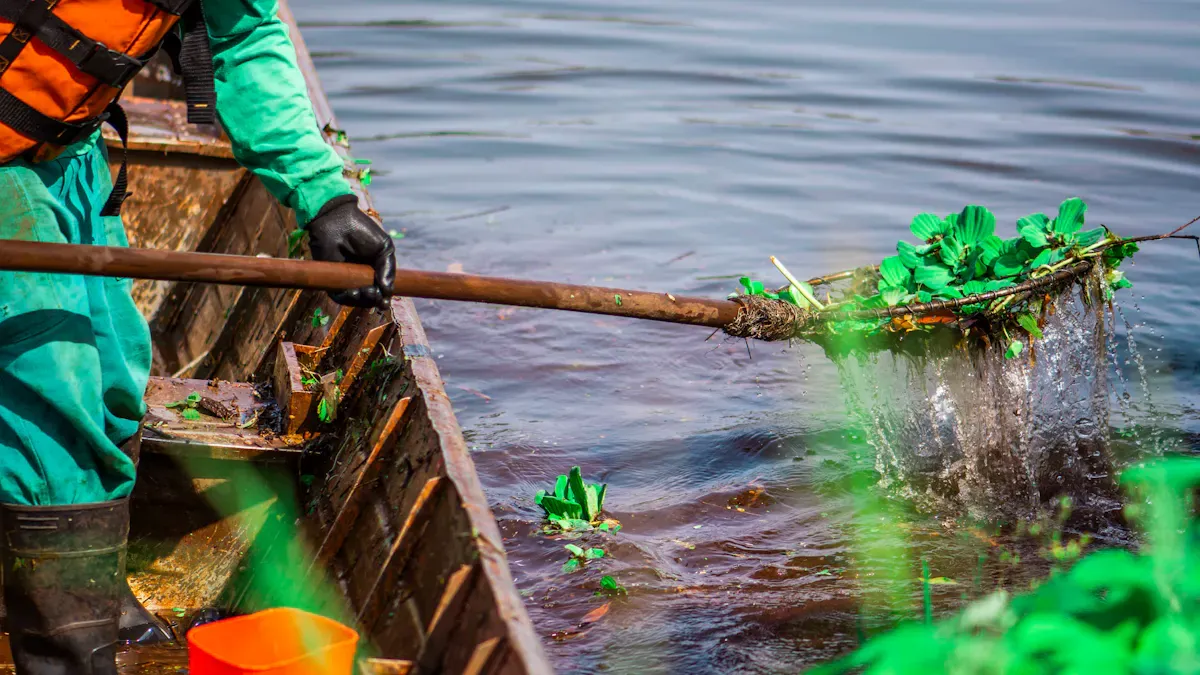
ESG Pressures and Sustainability Goals
Many casting companies feel strong ESG pressures now. ESG means Environmental, Social, and Governance. These pressures make you improve how you help the planet. You must follow new rules and show you care about nature. Laws are getting stricter in many places. You need to use cleaner technology to keep up. If you set clear sustainability goals, you can get more contracts. Big companies want partners who protect the environment.
Here is a table that shows how ESG and sustainability goals affect ISO14001 adoption in the casting industry:
Evidence Type | Description |
|---|---|
Stricter environmental rules make you use cleaner technology. | |
Sustainability Goals | Meeting these goals helps you get contracts from multinational companies. |
Note: When you follow ESG and sustainability goals, you build trust with customers and regulators.
Circular Practices in Casting and Die Casting Industry
The casting industry is leading in circular economy practices. Many companies recycle materials and cut down on waste. Cast Aluminium Industries LLC recycles aluminium. The company wants to be a leader in recycling by using new ideas and supporting green actions. They treat and reuse waste, like spent pot lining (SPL), instead of storing it. Since 2016, they have used SPL as a raw material in cement making. This keeps waste out of landfills and closes the loop.
Emirates Global Aluminium also supports the circular economy. The company recycles industrial waste, especially SPL from aluminium smelting. Since 2018, they have recycled 37% more waste. In one year, they recycled almost 140,000 tonnes of waste. They work with cement makers to use SPL safely in cement. This practice cuts landfill waste and helps the economy and the environment.
You can learn from these examples. By joining the sustainability and circular economy movement, you help your business and the planet. You show leadership in the casting and die casting sectors.
Regulatory and Sector-Specific Customization
Adapting ISO14001 for Die Casting Industry
When rules change, you must change how you get iso certification in die casting. You have to follow new environmental laws and update your certifications. Many countries now have tougher rules for waste, emissions, and recycling. You need to change your steps to meet these new rules. The die casting industry has its own special problems. You work with metals that need careful handling. You must keep track of your waste and throw it away safely.
You can change your certification steps to fit your needs. For example, you can use digital tools to watch emissions. You can start recycling programs for scrap metal. You can teach your team about the new rules. Many die casting companies use dashboards to see how they are doing. You can show your results to regulators and customers. This helps you get certifications that are known around the world.
Tip: You can talk to local experts about rule changes. They can help you learn new laws and make your certification better.
Regional Compliance Strategies
You have to follow different rules in each place you work. The die casting industry works in many countries. Each country has its own environmental laws. You need to change your certifications to match local rules. Some places want you to do extra steps for certification. You might have to report emissions more often. You might need to recycle more things.
Here is a table that shows how you can change your plans:
Region | Regulatory Focus | Customization Example |
|---|---|---|
Europe | Emissions and recycling | Use advanced filters |
Asia | Waste management | Set up local recycling centers |
North America | Reporting and audits | Use digital audit software |
You can work with local leaders to follow new rules. You can join groups in your industry to learn good ideas. You can update your certifications to fit new standards. The die casting industry does better when it follows the rules. You build trust with customers and rule makers. You stay ready for new changes in environmental laws.
Operational and Competitive Impacts
Efficiency Gains and Cost Reduction
You will notice big changes in your casting work with ISO14001. You use digital tools to watch your production and waste. Sensors help you find problems early. You fix issues before they get worse. This saves money and keeps your foundry working well. You have less downtime in your casting lines. You use less energy and fewer materials. You recycle scrap metal and reuse things. You spend less money and make your casting business stronger.
You teach your team new steps to follow. You set clear goals to cut waste. You check your progress with dashboards. You share results with your workers. You reward good ideas that help your casting process. You keep your foundry safe and clean. You use less water and fewer chemicals. You protect your workers and the environment.
Tip: Real-time data helps you make your casting better. You find defects faster and keep your production steady.
Market Position and Environmental Credentials
You get a strong market position when you use ISO14001 in your casting company. You show customers you care about the environment. You build trust with buyers who want green products. You meet global standards in your casting and foundry work. You open doors to new markets. You get more contracts from companies that want clean production.
You use ISO certification to grow your casting business. You stand out from other casting companies. You show your environmental credentials to regulators and partners. You join industry groups that value clean casting and safe production. You use your foundry’s achievements in marketing. You attract buyers who want responsible casting.
ISO certification makes you more trusted in casting.
You grow your casting business in new places.
You win contracts with tough environmental rules.
You build a name for clean production and safe foundry work.
You keep your casting company ahead of others. You use your environmental credentials to get more business. You make your production safer and more efficient. You show leadership in the casting industry.
The industry is changing quickly. Companies in casting now care more about esg and sustainability goals. You need to use digital tools to do a better job. It is important to make clear goals for being sustainable. The metal casting market gives rewards to companies that do well with esg. You can stay ahead if you learn new rules and use smart technology. This helps the industry become stronger and cleaner.
FAQ
What is ISO14001 and why does it matter for the casting industry?
ISO14001 is a worldwide rule for caring for the environment. It helps you manage waste and use resources better. The casting industry uses ISO14001 to keep nature safe and follow new laws.
How does digitalization help you in the casting industry?
Digital tools help you watch emissions and waste right away. You can spot problems fast and fix them quickly. The casting industry uses sensors and dashboards to make work safer and cleaner.
What are circular economy practices in the casting industry?
You recycle scrap metal and use materials again. These actions help you make less waste and save money. The casting industry uses circular economy ideas to help the planet and reach ISO14001 goals.
How can you prepare for ISO14001:2026 in the casting industry?
You check your current system and get better tools. You teach your team about the new rules. The casting industry does better when you set clear goals and tell regulators how you are doing.
See Also
A Supplier’s Handbook To Sustainable Casting With CBAM
Essential Trends Shaping The 2025 Auto Aluminum Casting Industry
Die Casting’s Role In Supplying Parts For Robotics Growth
Strategies Used By Die Casting Plants To Sort Waste Efficiently
A Clear Explanation Of PPM Within IATF 16949 Standards
About Hunan Puka

Established in 2016 and based in Hunan, China, with a liaison point in Berlin, we are a Tier 2 supplier for the automobile industry. We specialize in the production of customized aluminum die-casting parts designed for machines with a closing force ranging from 280 to 1250 tons, with subsequent manufacturing process CNC machining and surface treatment. Our commitment to quality is reflected in our accredited quality management system, certified by ISO9001:2015 and IATF16949:2016 standards.