How Does Integrated Casting Use Sensors for Smarter Products

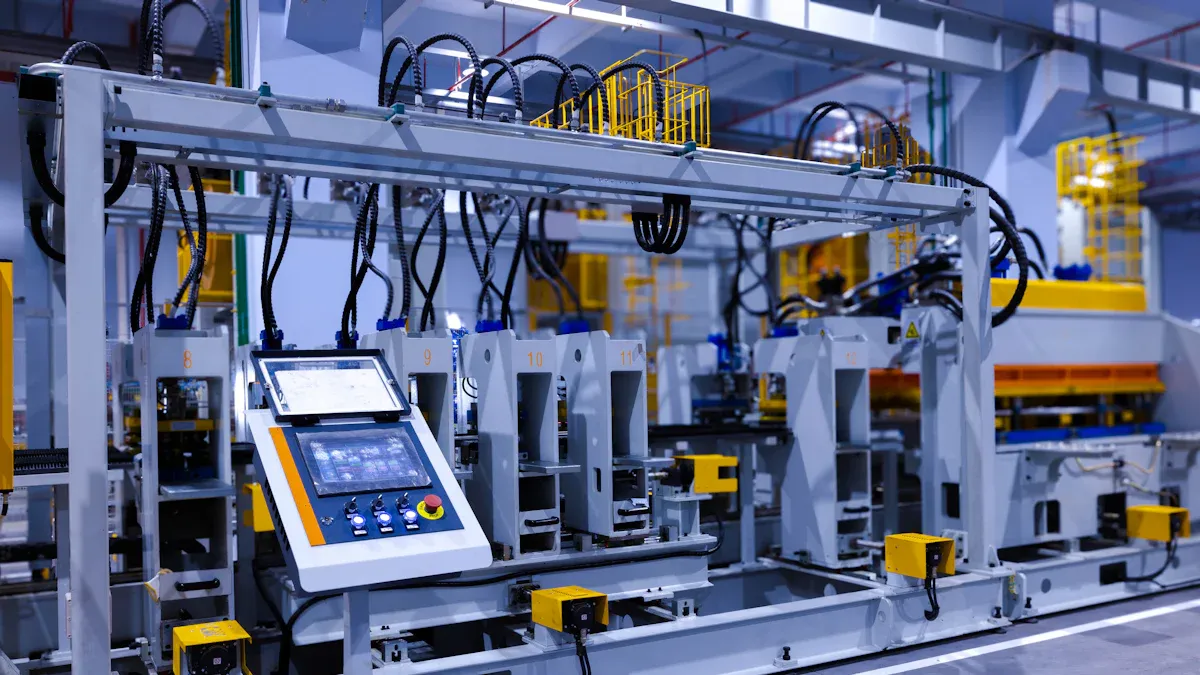
You can see how integrated casting with sensors makes casting smarter and safer. When you use advanced measurement tools, like laser-camera-based sensors, you can watch molten metal levels in real time. This helps you keep casting rates steady and lowers waste. Automation gets better because smart devices help you make fast changes using sensor data. These steps help you improve safety, efficiency, and product intelligence in every casting.
Integrated Casting and Smart Manufacturing
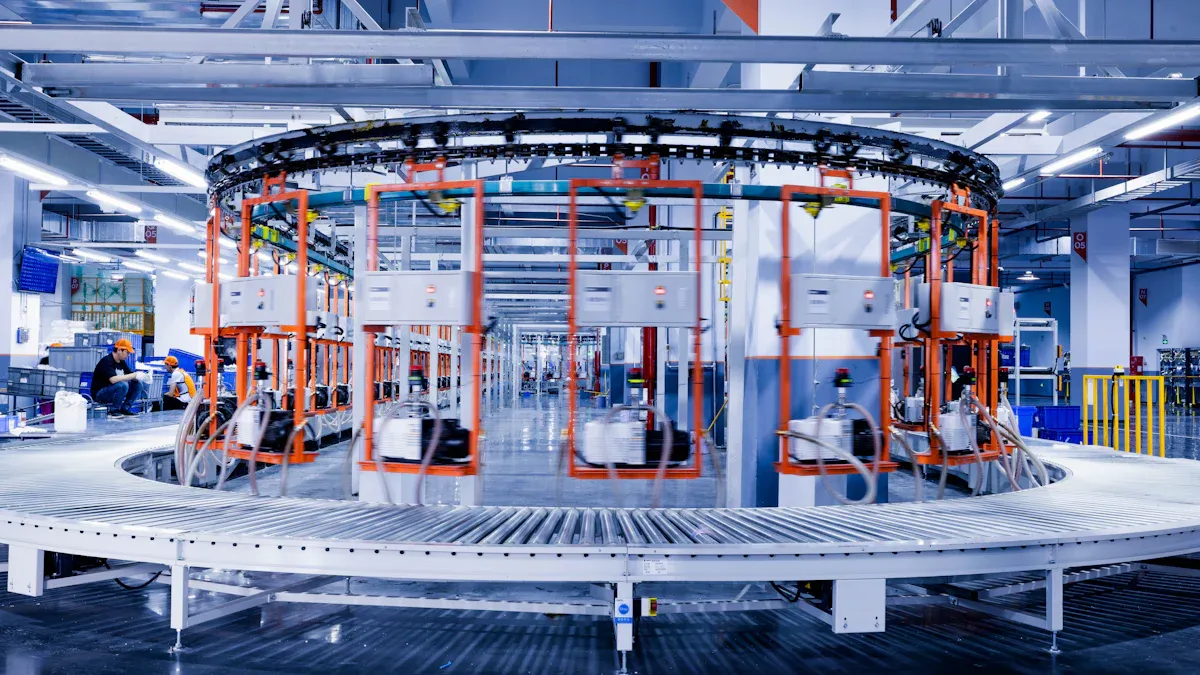
What Is Integrated Casting
Integrated casting mixes old casting with smart technology. Sensors or digital tools go inside the casting. These tools collect data during and after making the part. You do not just make a metal part. You make a product that can share information. It can tell you about its temperature, pressure, or stress. This method matches industry 4.0 goals. Digital tools help make factories smarter and more connected.
Using integrated casting helps your factory become smarter. You get live data from your products. This data helps you make better choices and improve work. You can find problems early and fix them fast. Your products become safer and more dependable.
Role in the Metal Casting Industry
More companies use integrated casting every year. Sensors are now common in many casting jobs. These sensors let you see what happens inside the metal as it cools. You can watch each step and check if the product is good.
Industry 4.0 changes how factories work. You do not just try to work faster. You also want to work smarter. Integrated casting uses smart tools to link machines, products, and people. This helps you cut waste, save energy, and make better products. Using these tools gets your business ready for the future.
Tip: If you want to do well in metal casting, start learning about integrated casting and smart manufacturing now. These changes will shape your future work.
Sensor Integration Methods in Casting
Types of Sensors Used
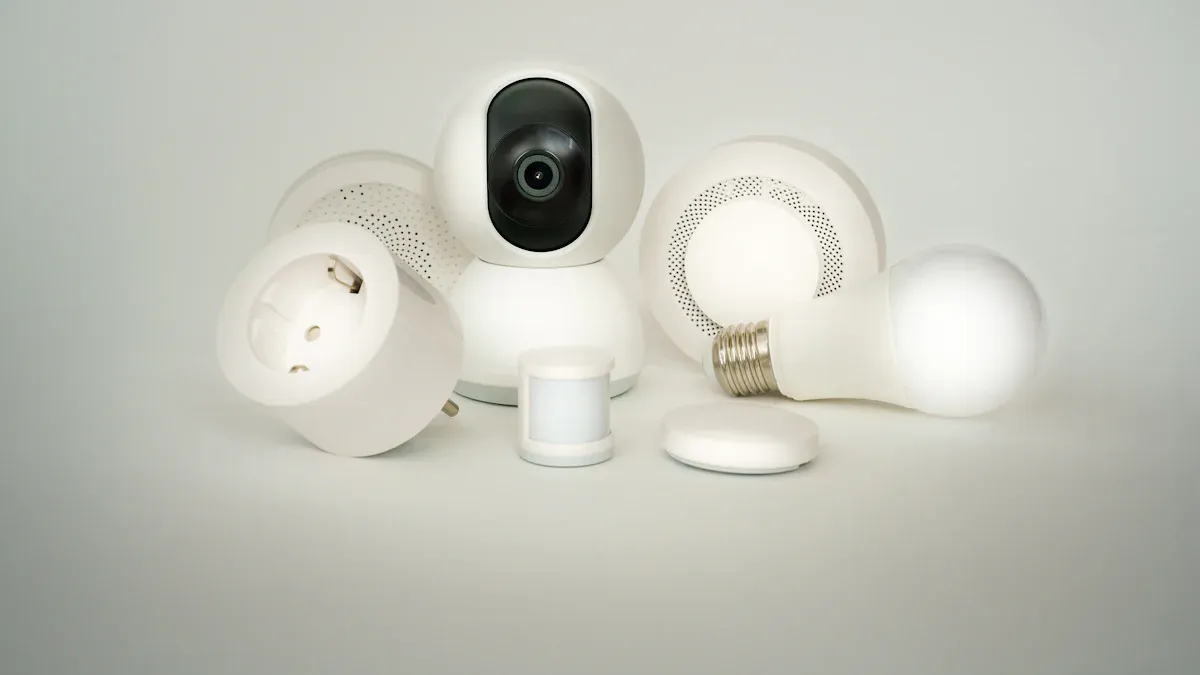
There are many sensors used in metal casting. Each sensor helps you get important data during casting. Fiber optic temperature sensors are very important. They help you watch the temperature closely. This lets you control the casting process better. You can see the temperature of molten metal right away. This makes your work faster and helps stop mistakes.
Other sensors help you make products smarter:
Acoustic measurement technology checks for vibrations. It helps you find problems like slag foaming or metal changes.
Fiber optic-based temperature measurement gives you updates on heat inside the metal. It can also tell you about the melt’s chemical makeup.
Camera technology and image processing use infrared cameras. These tools show you the temperature and surface quality during casting.
Using these sensors makes your products smarter and stronger. You get live data to help you improve every step.
Embedding Techniques and Additive Manufacturing
There are different ways to put sensors into castings. The main ways are in-mold placement, post-casting embedding, and additive manufacturing. In-mold placement means putting the sensor in the mold before pouring metal. This keeps the sensor safe and close to the process. Post-casting embedding lets you add sensors after the casting cools. This is good for hard-to-reach places.
Additive manufacturing changes how you add sensors. You build the part one layer at a time. This lets you make special shapes and put sensors where you want. You can make smart dies with this method. Additive manufacturing gives you more control over shape and material. You can even make microfluidic devices or biosensors for special jobs. This helps you make custom sensors for each casting.
Note: Additive manufacturing lets you make sensors that fit perfectly. You can test new ideas fast and make better products.
Overcoming Integration Challenges
You may have problems when adding sensors to castings. High heat, dust, and strong forces can hurt sensors. You need to make sure sensors work in tough places. Some companies use radar sensors to measure molten metal levels. These sensors work well even with dust or smoke. They keep working if the metal level changes fast.
You also need to match sensors with casting materials. Some companies use smart materials to watch for stress or damage. Others use piezoceramic modules in a wire mesh. The mesh lets metal flow around the sensor without harm. You can use computer simulations to plan sensor placement.
Here is a table with ways to fix integration problems:
Challenge | Solution |
|---|---|
High temperature | Use sensors made for extreme heat |
Dust and dirt | Pick sensors with sealed designs |
Material compatibility | Use wire mesh or smart materials |
Sensor damage risk | Plan with computer simulations |
When you fix these problems, your sensors last longer and work better. This helps you get more from integrated casting and makes your work smarter.
Automation and Industry 4.0 in Metal Casting
Real-Time Data and IoT Sensors
Automation and industry 4.0 are changing metal casting. IoT sensors give you live data from every step. These sensors watch temperature, pressure, and other things. You can find problems early and fix them fast.
Many companies use real-time monitoring to work better. For example, Aurubis uses Industrial IoT to track machines and save money. Centralized monitoring shows you the whole production line. Bühler’s Digital Cell helps you manage die casting as it happens. It uses machine learning to suggest changes and stop breakdowns. You get alerts right away if something goes wrong, so you can act quickly.
Here are some new IoT sensor advancements for casting:
Advancement | Description |
|---|---|
Integration of sensors for die thermal management | You can control temperature better, which helps you make higher quality products. |
Real-time data collection | You get information right away, so you can make smart choices and improve efficiency. |
Challenges of retrofitting existing machines | Some old machines do not have sensors, so adding IoT can be hard. |
Smart technologies connect machines, people, and data. This helps you reach industry 4.0 goals. Your factory gets ready for the future.
Production Automation and Quality Control
Production automation gives you more control over casting. Automated systems check every step with live monitoring. You can log temperature data for quality checks and tracking. This helps you find and fix problems quickly.
You can use automation to:
Watch the casting process and step in when needed.
Detect and locate casting defects right away.
Use intelligent data feedback to set the best production parameters.
Make sure each product meets high quality standards.
Good temperature control makes strong castings and saves money. Process monitoring lets you adjust things to stop defects before they happen. This means fewer mistakes and better products. Automation also lowers waste and boosts efficiency. Industry 4.0 and automation work together to make your factory smarter.
Tip: Use logged data to make your quality control better. You can track every product and check if it meets your standards.
Predictive Maintenance and Structural Health
Predictive maintenance uses live data to keep machines working longer. You can watch hydraulic systems and spot wear or damage early. This helps you avoid sudden stops and keeps production moving.
With predictive analytics, you can cut downtime from 30 hours to just 3 hours. Machine learning looks at sensor data and tells you when to fix things. This saves money and helps you deliver products on time. Data-driven methods also lower waste and keep casting rates steady. This makes your cast metal products last longer.
You can use predictive maintenance to:
Get early alerts about machine problems.
Plan repairs before something breaks.
Keep your casting process stable and efficient.
Extend the life of your equipment and products.
Automation and industry 4.0 tools help you get better results from integrated casting. You can trust your data, improve quality, and make your factory a leader in automated production.
Applications and Benefits of Sensor-Integrated Casting
Automotive and Aerospace Examples
Integrated casting helps cars and planes work better. These industries use automation and industry 4.0 for smarter products. Adding sensors to casting gives you more control. It also makes products higher quality. In car factories, you can use one big part with sensors instead of many small parts. This change saves money and makes work easier. You use less energy and recycle more materials. This is good for the environment.
Here is a table that shows how sensors help car making:
Application Area | Performance Improvement |
|---|---|
Large auto parts manufacturing | Makes work easier, saves money, improves quality, and lowers mistakes. |
Body-in-white construction | Uses one part instead of many, making building cars simpler. |
Overall production efficiency | Cuts work time by 25% and saves up to 40% in costs. |
Sustainability | Uses less energy and more recycled aluminum, helping the planet. |
In planes, automated systems check cast parts for problems. Robots with sensors find defects early. This keeps products safe and strong. You can trust the data and make sure every part is good.
Enhanced Product Performance and Traceability
Sensor-integrated casting lets you watch products in real time. You can track every step with smart sensors. Automated crack detection finds surface cracks fast. This makes checking parts more reliable and saves money for small companies. Robots with sensors also help check quality in cars and planes.
Here is a table showing how new tools help you:
Technology | Description | Impact |
|---|---|---|
Automated Thermographic Crack Detection | Finds cracks in parts quickly and clearly. | Makes checking parts better and faster. |
Robot-Assisted Sensor Systems | Checks cast parts without hurting them. | Helps watch quality in important industries. |
Broadband Eddy Current Electronics | Works with industry 4.0 for better checks. | Fixes problems in checking parts without damage. |
Real-time data tracking gives you many good things. You can:
Get early warnings before machines break.
Spend less on repairs by finding problems soon.
Make work safer by fixing issues early.
Use predictive maintenance to keep machines working.
Make processes better for steady quality and good results.
Automation and industry 4.0 make casting smarter. You can collect data, watch conditions, and improve cast-part quality. This helps you reach higher goals in automated production.
You can see how integrated casting with sensors changes how things are made. Automation in industry 4.0 helps you watch data and make things better each day. Smarter products give you live updates, so you can find problems and fix them quickly. IoT sensors notice when the temperature changes. This helps you stop defects and keep the quality high. Dashboards show you important numbers, so you can check cycle times and defect rates easily. Automated production gets more steady, and you get better results. You can be a leader in industry 4.0 by using sensor-integrated casting for safer and smarter automation.
FAQ
What sensors can you use in integrated casting?
You can use temperature sensors, acoustic sensors, and cameras. Fiber optic sensors help you check heat. Acoustic sensors look for vibrations. Cameras let you see the surface quality.
How do sensors improve product quality?
Sensors give you live data. You can find problems early. You can fix issues before defects happen. This helps you make products stronger and safer.
Can you add sensors to old casting machines?
You can put sensors on older machines. Some sensors are easy to add. Others need special mounts to fit. You might need expert help for the best results.
What is predictive maintenance in casting?
Predictive maintenance uses sensor data to warn about machine wear. You can plan repairs before things break. This keeps machines working and saves money.
See Also
Die Casting's Role in Advancing the Robotics Sector
Navigating CBAM: A Supplier's Guide to Sustainable Casting
Understanding Functional Testing in CNC and Die Casting
Exploring CAE Analysis Advantages in Die Casting Design
The Importance of Die Casting Slides Explained Clearly
About Hunan Puka

Established in 2016 and based in Hunan, China, with a liaison point in Berlin, we are a Tier 2 supplier for the automobile industry. We specialize in the production of customized aluminum die-casting parts designed for machines with a closing force ranging from 280 to 1250 tons, with subsequent manufacturing process CNC machining and surface treatment. Our commitment to quality is reflected in our accredited quality management system, certified by ISO9001:2015 and IATF16949:2016 standards.