3 ways the ICQ process for die casting industry boosts product consistency

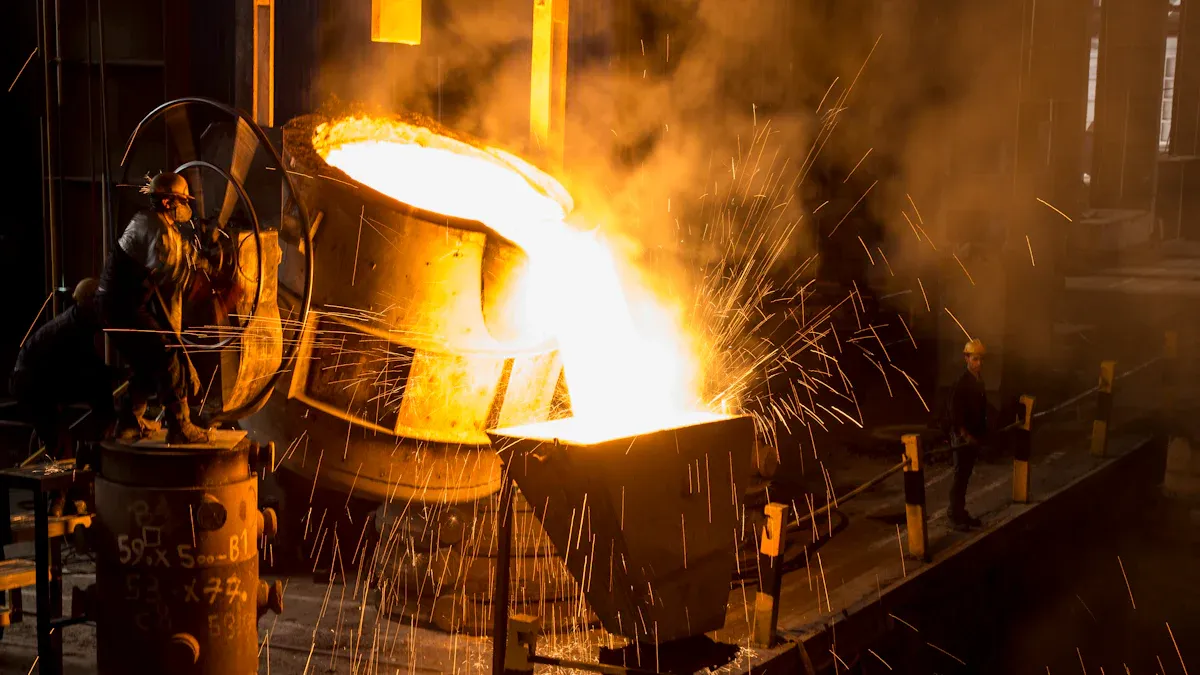
You use the ICQ process for die casting industry to ensure your products remain consistent and perform reliably. The ICQ process for die casting industry helps you identify and correct errors before they become major issues. By catching problems early with the ICQ process for die casting industry, you reduce costs and minimize material waste. Your customers notice improved quality and are more satisfied with your products.
Quality assurance in the die casting industry starts with the ICQ process and careful attention to detail.
ICQ process for die casting industry: Standardized inspections
Uniform quality checks
The ICQ process for die casting industry gives you a clear way to inspect products. You check each product at every step of making it. You always use the same tools and ways to check. This helps you find any problems right away. Each product meets the same quality rules.
Standardized inspections help you trust your results. You know your products will work as they should.
A checklist can help you remember each inspection step. The checklist has steps like measuring size, checking the surface, and testing strength. You check off each step as you finish it. This keeps you organized and focused. You do not skip steps or make mistakes.
Reducing batch variability
You want every group of die cast products to be the same. The ICQ process for die casting industry helps you reach this goal. Standardized inspections find problems early. You can fix them before they spread to all products. This lowers the chance of defects in your line.
Here are some ways standardized inspections help keep batches the same:
You check each product against a set standard.
You write down inspection results for each group.
You use this data to see patterns and improve.
If you find a problem, you can fix it fast. You change your process to stop more defects. This saves you time and money. You do not have to redo or throw away as much. Your customers get products that meet their needs every time.
Inspection Step | Purpose | Benefit |
|---|---|---|
Dimension check | Makes sure size is right | Cuts down on mistakes |
Surface inspection | Spots visible problems | Makes products look better |
Strength testing | Checks if it is strong | Stops failures |
Standardized inspections in the ICQ process for die casting industry help you keep products the same. This builds trust with your customers.
Real-time monitoring and defect detection
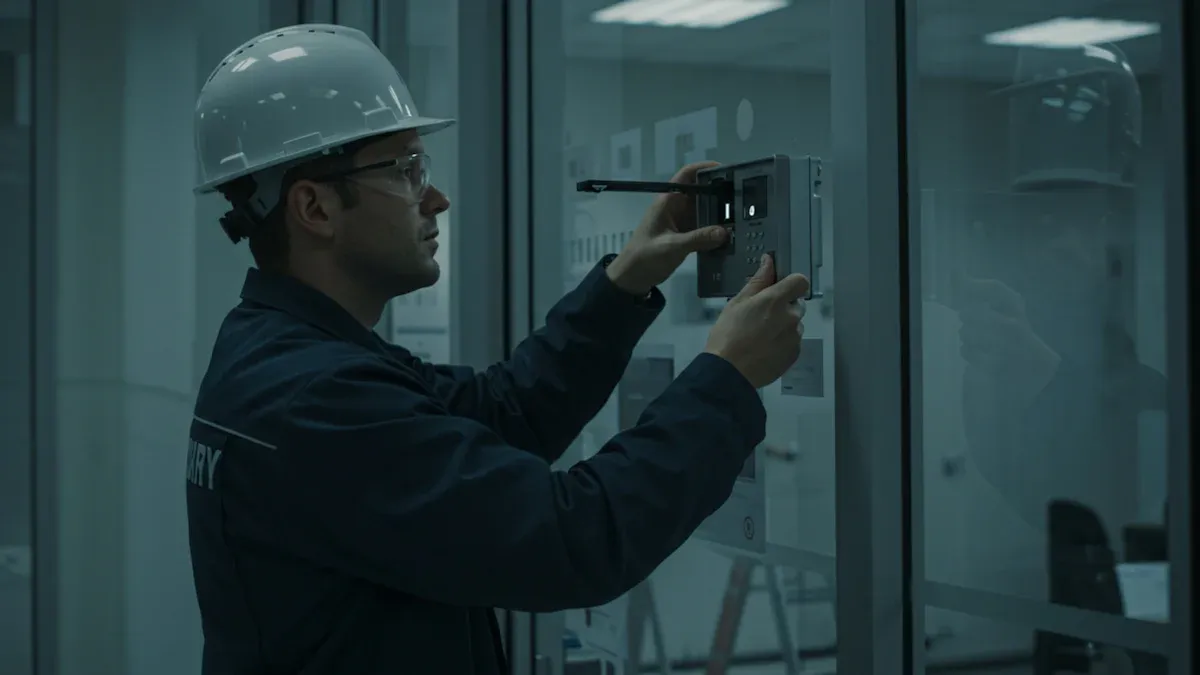
Early issue identification
You use real-time monitoring to find problems right away. Sensors and data systems watch each step in the die casting process. These tools show changes in temperature, pressure, and material flow. You do not wait until the end to check for defects. You catch issues early and stop them from spreading.
Modern die casting plants use advanced systems like low pressure die casting and gravity casting. These systems have vacuum technology and closed-loop logic management. Real-time monitoring lets you see what happens inside the mold. You can look for cracks, air pockets, or weak spots. If something goes wrong, you know right away.
Real-time monitoring helps you find defects before they become big problems. You save time and keep your products strong.
Immediate process adjustments
You make quick changes when you see a problem. The ICQ process for die casting industry lets you adjust settings right away. If the system finds a defect, you can change the pressure or temperature. You do not need to stop the whole line or wait for manual checks.
This approach helps you use your resources better. You spend less time on manual inspections. You do not waste materials or energy. You keep your costs low and your products consistent.
Here are some ways real-time monitoring boosts efficiency:
You fix problems as soon as they appear.
You reduce the need for extra inspections.
You use less material and energy.
You keep your production line running smoothly.
Benefit | How It Helps You |
|---|---|
Early detection | Stops defects quickly |
Fast adjustments | Keeps products consistent |
Less manual work | Saves time and money |
You depend on real-time monitoring and defect detection to keep your die casting process efficient and reliable. The ICQ process for die casting industry helps you deliver quality products every time.
Continuous improvement in die casting quality
Actionable feedback loops
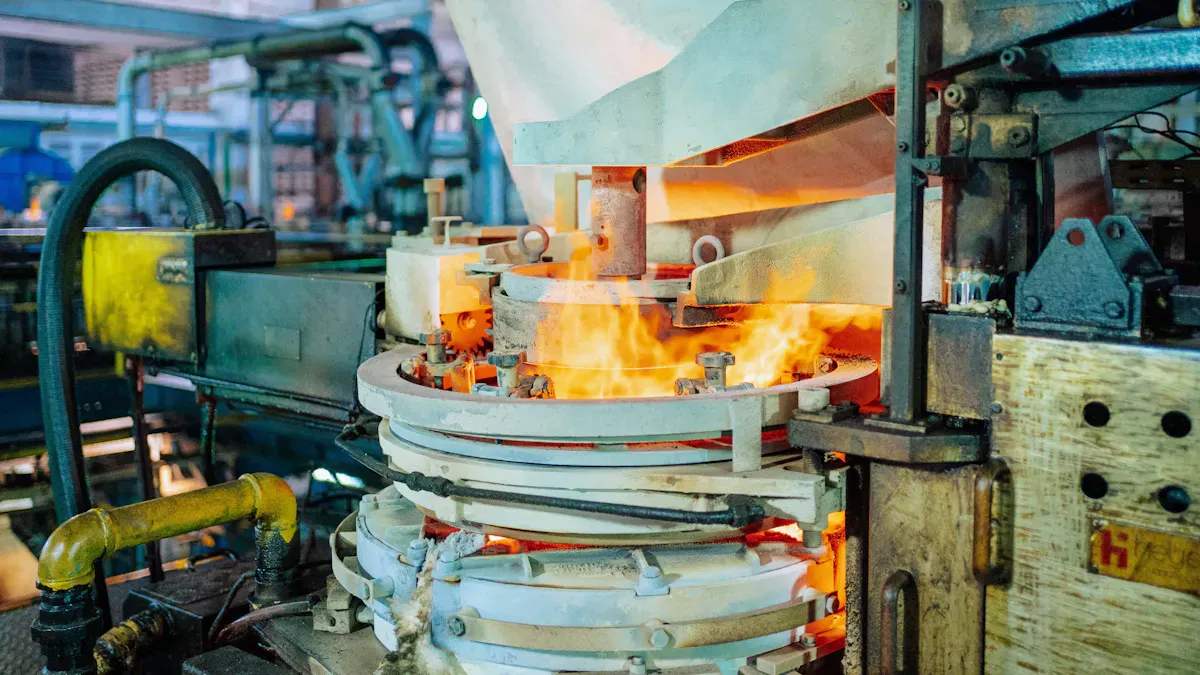
You can use the ICQ process for die casting industry to create a strong feedback system. This system helps you learn from every batch you produce. When you collect data from inspections and real-time monitoring, you see what works and what does not. You write down results and compare them over time. This helps you spot trends and find areas to improve.
You do not have to guess what went wrong. You use facts and numbers. For example, if you see more surface defects in one batch, you check your process settings. You adjust your machines or change your materials. You test again and see if the problem goes away. This loop of checking, adjusting, and testing helps you get better with each cycle.
Tip: Keep a simple logbook or spreadsheet to track changes and results. This makes it easy to see progress and share ideas with your team.
Sustaining product consistency
You want your products to stay the same, batch after batch. The feedback you get from the ICQ process for die casting industry helps you reach this goal. When you fix problems quickly, you stop them from coming back. You also teach your team what to watch for in the future.
Here are some long-term benefits you gain:
Fewer mistakes in production
Less wasted material
Happier customers who trust your products
Lower costs from less rework
You build a culture of improvement in your factory. Everyone learns to look for ways to do better. Over time, you see fewer defects and more satisfied customers. You spend less time fixing problems and more time making great products.
Benefit | How It Helps You |
|---|---|
Consistent quality | Builds customer trust |
Less waste | Saves money |
Fewer defects | Reduces rework |
Continuous improvement keeps your die casting process strong and reliable. You set your business up for long-term success.
You make your products more consistent by using the ICQ process. This means you use standardized inspections, real-time monitoring, and feedback. These steps help you save money and improve quality. Companies like Jegan and Metalcast have saved money and made fewer mistakes.
Company | Cost Efficiency Result |
|---|---|
Jegan | Fewer tests, lower costs |
Metalcast |
Your customers trust you more when your products are better. You can start or improve your ICQ process to get stronger results.
FAQ
What does ICQ stand for in die casting?
ICQ stands for In-Process Quality Control. You use it to check and control product quality during every step of die casting.
How does the ICQ process reduce defects?
You spot problems early with ICQ. You fix them before they affect more products. This keeps your defect rate low and your quality high.
Can small factories use the ICQ process?
Yes, you can use ICQ in any size factory. Start with simple checklists and basic monitoring tools. Grow your system as your needs change.
What tools help with real-time monitoring?
You use sensors, data loggers, and software dashboards. These tools show you temperature, pressure, and other key data as you work.
Why should you keep records during the ICQ process?
Keeping records helps you track changes and spot trends. You use this information to improve your process and keep your products consistent.
See Also
Exploring How CAE Analysis Enhances Die Casting Design Benefits
Methods Used by Die Casting Plants for Waste Management
Achieving Net Shape in Die Casting: Key Techniques Explained
The Effects of Thermal Stress on Die Casting Components
Essential Steps for Testing Die Casting Molds Pre-Production
About Hunan Puka

Established in 2016 and based in Hunan, China, with a liaison point in Berlin, we are a Tier 2 supplier for the automobile industry. We specialize in the production of customized aluminum die-casting parts designed for machines with a closing force ranging from 280 to 1250 tons, with subsequent manufacturing process CNC machining and surface treatment. Our commitment to quality is reflected in our accredited quality management system, certified by ISO9001:2015 and IATF16949:2016 standards.