How to Achieve Low-Cost Manufacturing with Die Casting

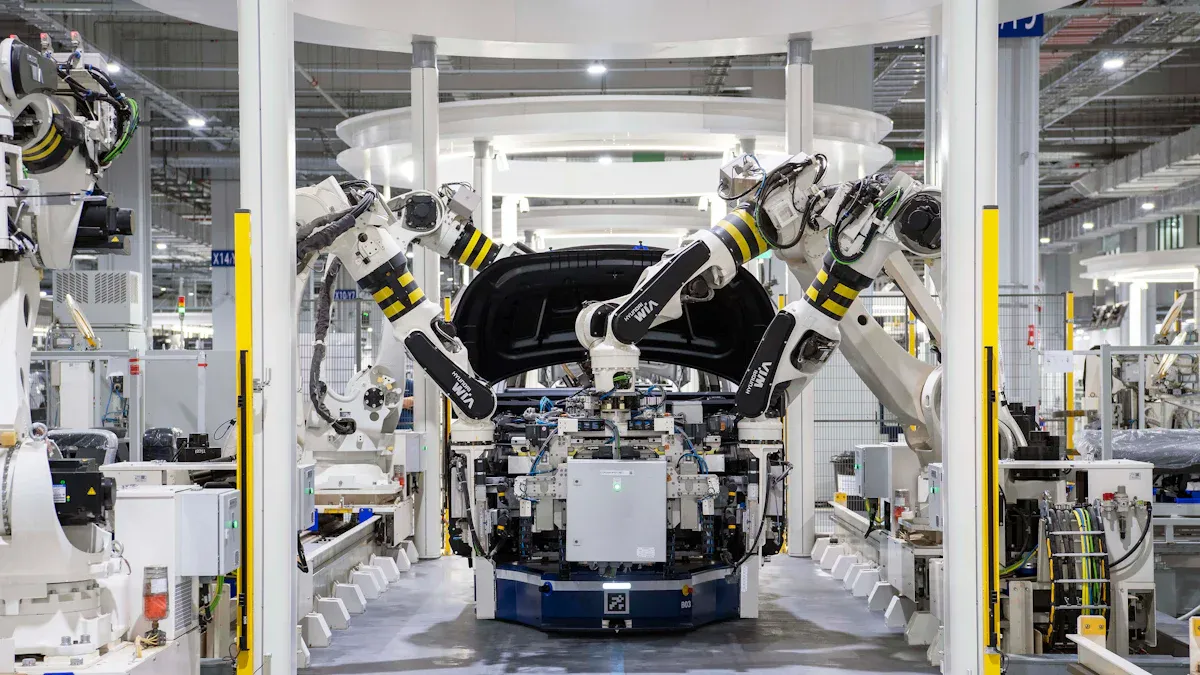
You want to keep your spending low. Die casting helps you by making parts fast and is a great option for low-cost manufacturing. It also generates less waste. Many companies use die casting to produce strong and precise parts for less money. If you want to spend less, you can still obtain high-quality parts. You save money and achieve excellent results.
Die Casting Methods and Cost Factors
High-Pressure Die Casting
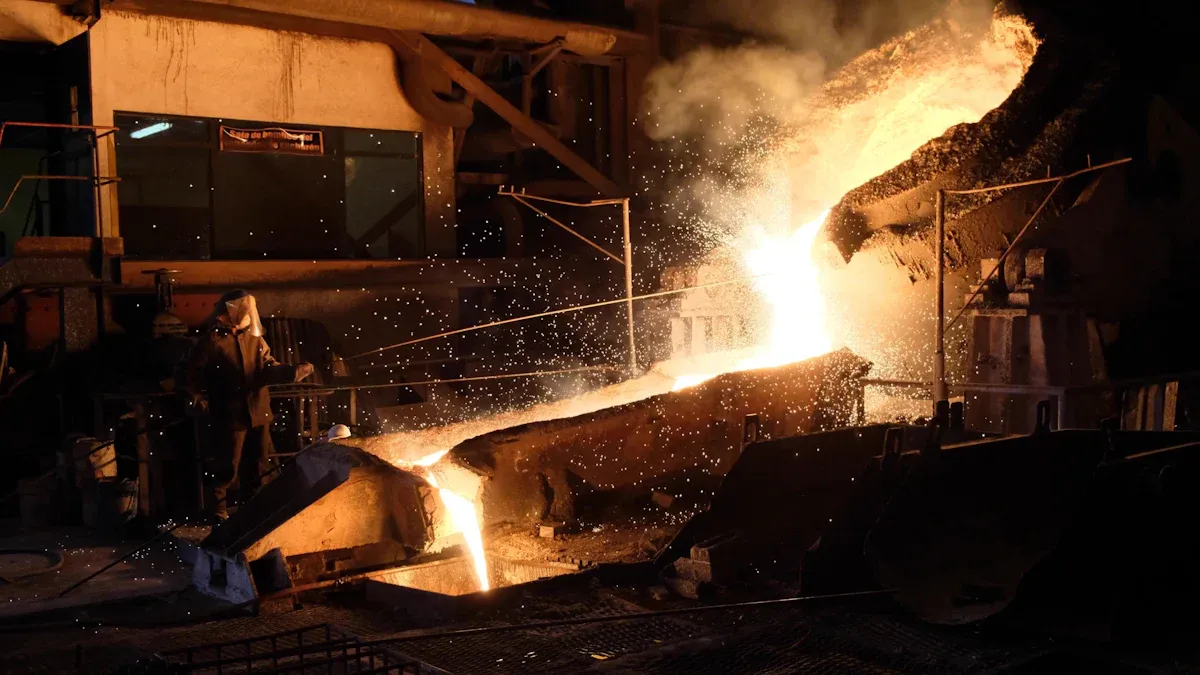
High-pressure die casting is good for making parts quickly. It also makes parts that are very exact. This method pushes hot metal into a mold very fast. The parts come out smooth and fit together well. High-pressure die casting is best when you need many parts. But, the mold does not last long. You have to buy new molds often. You also need heat treatment to help the mold last longer. The mold’s quality changes how good the parts are. If you use a better gating system, your parts get better. But, this makes the cost go up too.
Tip: High-pressure die casting saves money if you make thousands of parts.
Molds wear out fast, so you need new ones often.
Heat treatment costs extra money.
Mold quality and gating systems change both price and part quality.
Low-Pressure Die Casting
Low-pressure die casting uses less pressure to fill the mold. The parts are strong and there is less waste. This method is good for making a medium number of parts. You save money because you use less material. You also do not need to do as much finishing work. You do not have to melt leftover metal as much, so you spend less.
Advantage | Description |
|---|---|
Reduction of material | Low-pressure casting means you waste less material. |
Lower fettling and reworking costs | You save money on work after making the part. |
Reduced re-melting of cycle material | You spend less on melting leftover metal. |
Low-pressure die casting is good for low-cost manufacturing if you do not need a lot of parts.
Small-Batch and Prototyping
Sometimes you want to test your idea or make just a few parts. Small-batch production and prototyping help you spend less at the start. You do not need to buy expensive molds for small jobs. You can change your design easily and fix mistakes before making many parts. This way, you save money and do not waste materials.
Note: Prototyping helps you make your product better without spending a lot.
Low-Cost Manufacturing Strategies
Design Optimization
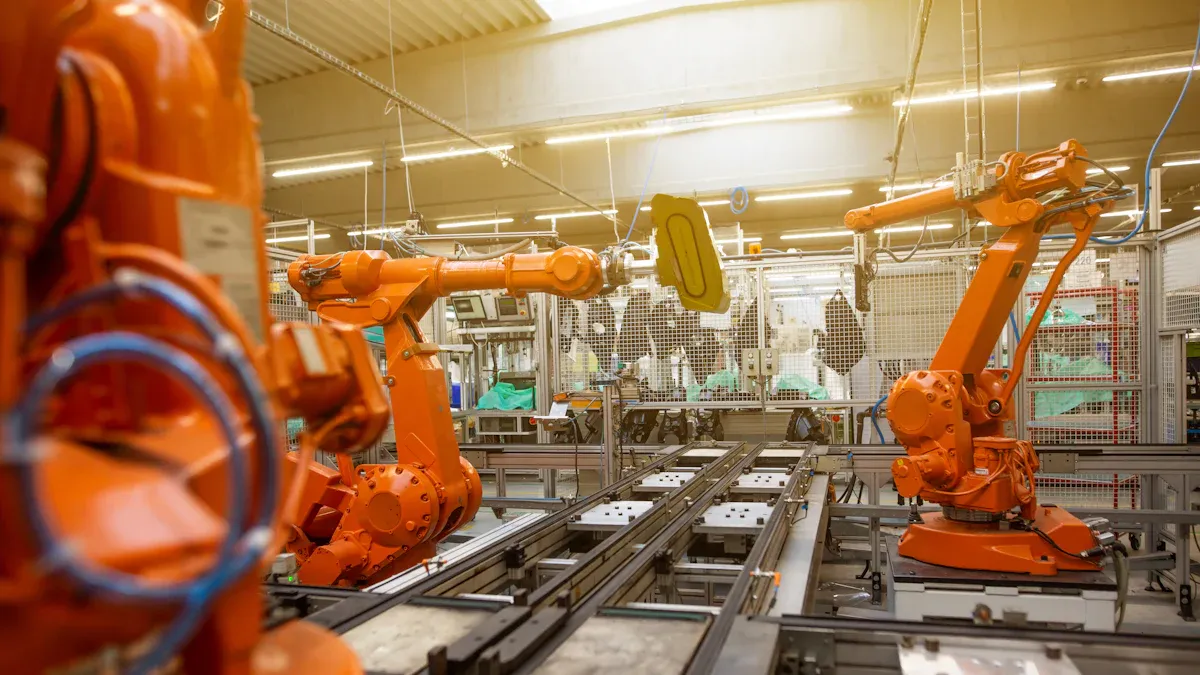
You can lower your costs by making your part design simple and smart. Simple shapes use less material and make the casting process faster. You should avoid sharp corners and thin walls. These features make the mold wear out quickly and increase waste. When you design for easy casting, you reduce the number of steps needed to finish each part. This saves you time and money. You also get fewer defects, which means you do not have to throw away as many parts.
Tip: Work with your die casting supplier early in the design stage. This helps you spot problems before they become expensive.
Material Selection
You need to pick the right material for your part. The best material matches your part’s strength and performance needs. If you choose a material that is too strong or too weak, you can waste money. Some materials cost more to melt or shape. Others wear out the mold faster. You should always check if your material choice will make the mold last longer or shorter.
Tool costs represent an important share of the overall cost per die casting part. Therefore, the reduction of cycle times and the increasing of service time of die casting moulds offer a great potential to reduce costs. There are basically two ways to increase lifetime: changing the material or changing the heat treatment. All investigated moulds showed properties outside specifications. The present mechanical properties and microstructure point to a less-than-ideal heat treatment.
You can ask your supplier about the best heat treatment for your mold. Good heat treatment makes the mold last longer and keeps your costs low. Always match the material to your part’s needs. This helps you reach your low-cost manufacturing goals.
Die Type Choice
You can choose between single-cavity and multi-cavity dies. A single-cavity die makes one part at a time. This works well for small runs. A multi-cavity die makes many parts at once. This is better for large runs and spreads the cost over more parts. If you use one tool for thousands of parts, you lower the cost for each part. If you use many tools for small runs, your costs go up because each tool is complex and needs to be very precise.
You also need to think about the quality of your die. High-quality dies cost more at first, but they last longer and need less repair. This saves you money over time.
Cost Factor | Impact on Total Costs (%) | Cost Range (€) |
|---|---|---|
Services Costs | 18.5 - 23.1 | 8.5 - 12.8 €/MH |
Repair and Maintenance | N/A | 9.66 €/h |
Operator Quality | N/A | N/A |
Personnel Costs | 16 - 30 | N/A |
Skilled operators can lower service costs by checking dies often.
Fewer delays mean you spend less money each hour.
Your total costs change based on how much you use your machines and the size of your parts.
Short-Run Production
You do not always need to make thousands of parts. Short-run production lets you test your design and make changes without spending a lot. You can use simple dies or even 3D-printed molds for short runs. This helps you avoid big upfront costs. You can also find mistakes early and fix them before making many parts. Short-run production supports low-cost manufacturing because you only pay for what you need.
Note: Short runs are great for new products, market tests, or custom orders.
You can combine these strategies to get the best results. When you design smart, pick the right material, choose the best die, and use short runs, you make your process efficient. This is how you achieve low-cost manufacturing with die casting.
Mistakes to Avoid
Overcomplicated Designs
You might think that adding more features will make your part better. In reality, complex designs often increase costs. Complicated shapes need special molds. These molds cost more and take longer to make. Simple designs use less material and reduce waste. You also get fewer defects when you keep things simple.
Tip: Ask yourself if every feature is necessary. Remove anything that does not add value.
A simple checklist can help you:
Does the part need this shape?
Can you remove sharp corners?
Will a simpler design work just as well?
Poor Material Choices
Choosing the wrong material can hurt your project. Some materials wear out molds quickly. Others cost more to melt or shape. If you pick a material that is too strong, you spend extra money for no reason. If you pick one that is too weak, your part may break.
Material Type | Mold Wear | Cost to Melt | Best Use Case |
|---|---|---|---|
Aluminum | Low | Low | Light, strong parts |
Zinc | Medium | Medium | Small, detailed parts |
Magnesium | High | High | Lightweight parts |
You should match the material to your needs. Talk to your supplier if you are not sure.
Underestimating Tooling Costs
Many people forget how much tooling costs. Dies and molds are not cheap. If you do not plan for these costs, you may go over budget. High-quality dies last longer but cost more at first. Low-quality dies break faster and need repairs.
Note: Always include tooling costs in your budget. This helps you avoid surprises.
You can save money by:
Using the same die for many parts
Choosing the right die type for your run size
Keeping your design simple
Avoid these mistakes to keep your die casting project on track and within budget.
You can achieve low-cost manufacturing with die casting by using smart strategies. Choose the right casting method for your needs. Keep your designs simple and pick materials that match your goals. Review your process often and ask experts for advice.
Remember: Small changes can save you money. Avoid common mistakes and always look for ways to improve.
Work with your supplier early.
Test your ideas with short runs.
Track your costs and adjust as needed.
FAQ
What is die casting used for?
You use die casting to make metal parts that need to be strong and exact. Many industries, like cars and electronics, choose die casting for making parts quickly and at a low cost.
How do you lower costs in die casting?
You can lower costs by keeping your design simple, picking the right material, and choosing the best die type. Short runs help you test ideas without spending much.
Can you use die casting for small batches?
Yes, you can use die casting for small batches. You save money by using simple dies or 3D-printed molds. This lets you test your design before making many parts.
What metals work best for die casting?
Metal | Best For |
|---|---|
Aluminum | Light, strong parts |
Zinc | Small, detailed parts |
Magnesium | Lightweight parts |
You should pick the metal that matches your part’s needs.
How long does a die last?
A die can last for thousands of parts if you use good materials and heat treatment. You should check your die often to make sure it stays in good shape.
See Also
Comprehensive Process for Designing Die Casting CAD Models
Key Elements That Affect Die Cast Mold Pricing
Finding Optimal Closing Force for Your Die Casting Needs
Exploring Advantages of CAE in Die Casting Development
Comparing Aluminium and Magnesium for Lightweight Die Casting
About Hunan Puka

Established in 2016 and based in Hunan, China, with a liaison point in Berlin, we are a Tier 2 supplier for the automobile industry. We specialize in the production of customized aluminum die-casting parts designed for machines with a closing force ranging from 280 to 1250 tons, with subsequent manufacturing process CNC machining and surface treatment. Our commitment to quality is reflected in our accredited quality management system, certified by ISO9001:2015 and IATF16949:2016 standards.