How Casting Tolerances Affect EV Powertrain Assembly

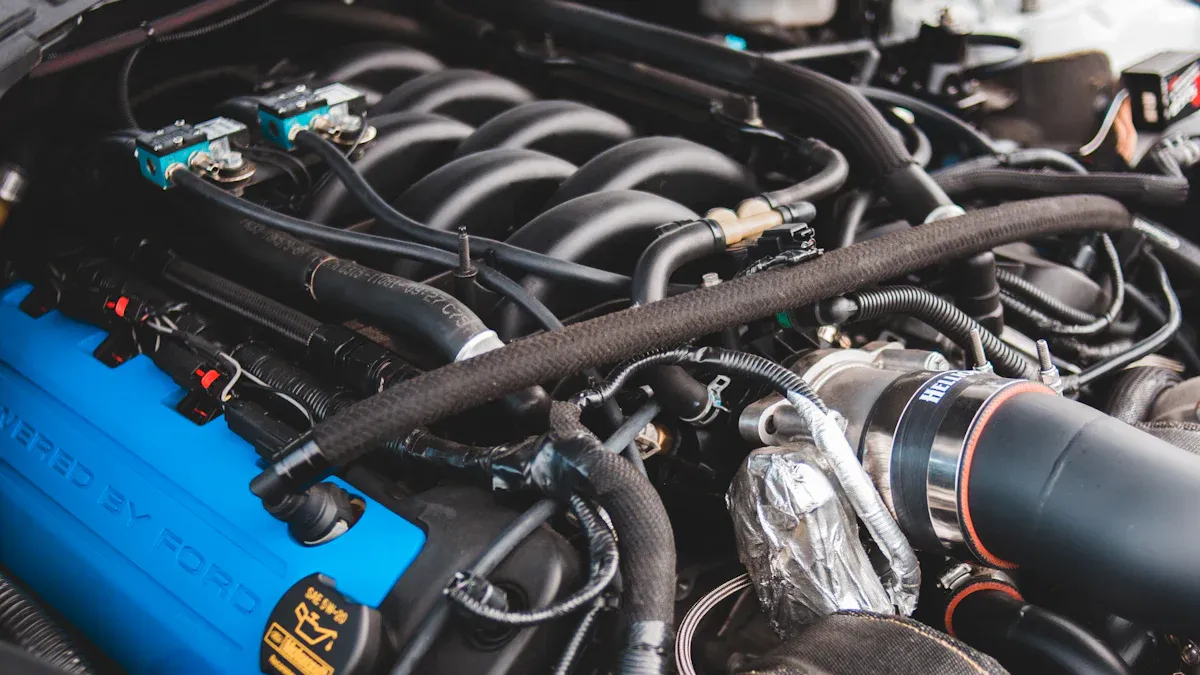
You have real problems when putting together electric vehicle powertrain parts. Casting tolerances decide how each part fits and works with others. Being exact is important. Small mistakes in size can make parts not line up or wear out faster. You need parts that are just right to help things work better and last longer. If you control these tolerances, you do not have to fix as many mistakes and you save money. Pay attention to tight tolerances to make your assembly easier and more steady.
Casting Tolerances in EV Powertrain Components
What Are Casting Tolerances?
You need to know about casting tolerances to control them. Casting tolerances are the small size differences allowed in a cast part. When you make a part, it might not match the drawing exactly. The casting process can cause small changes in size. These changes can happen because of the metal, the mold, or how fast it cools.
Casting tolerances are like a safe area for part sizes. If your part stays in this area, it will fit and work right. If it goes outside, you might have trouble putting things together. Here is a simple table that shows how tolerances work:
Design Size (mm) | Allowed Tolerance (mm) | Actual Size Range (mm) |
|---|---|---|
100 | ±0.5 | 99.5 – 100.5 |
50 | ±0.2 | 49.8 – 50.2 |
Tip: Always look at the tolerance limits before you use a casting in your EV powertrain.
Why Precision Matters in Powertrain Assembly
You want every part in your EV powertrain to fit just right. Being exact helps you stop gaps, bad fits, and extra wear. If you use parts with bad casting tolerances, you might have these problems:
Parts do not fit, so you must fix or throw them away.
Parts that do not line up can make noise or shake.
Loose parts can leak or break early.
When you control casting tolerances, you make assembly quicker and better. You also do not need as much extra work on the parts. This saves you time and money. In EV powertrains, even a small mistake can hurt how it works or how safe it is. You should always try to get the tightest tolerances you can.
Impact of Casting Tolerances on Assembly
Fit and Alignment in EV Powertrains
You want every part in your EV powertrain to fit together without problems. Casting tolerances decide if parts line up or if you need to fix them. When you use parts with tight casting tolerances, you get better fit and alignment. You avoid gaps and uneven surfaces. This helps you stop leaks and noise.
If you use parts with loose tolerances, you may see these problems:
Parts do not match up.
You need extra work to fix misalignment.
You see more wear and tear.
You can check fit and alignment with simple tools. You measure the parts and see if they match the design. If you find mistakes, you must fix them before assembly. This step saves you time and money later.
Note: Good fit and alignment help your EV powertrain run smoother and last longer.
Here is a table that shows what happens when you use different casting tolerances:
Tolerance Type | Fit Quality | Assembly Time | Risk of Failure |
|---|---|---|---|
Tight | Excellent | Short | Low |
Loose | Poor | Long | High |
Quality Control in Assembly
You need strong quality control to keep your assembly process smooth. Casting tolerances play a big role in this step. You must check every part before you put it in the powertrain. You look for size mistakes, cracks, and surface problems.
You can use these steps for quality control:
Measure each part with gauges.
Compare the size to the design.
Mark parts that do not meet the tolerance.
Remove or fix bad parts.
You can use machines to help you check faster. Some factories use laser scanners or cameras. These tools find mistakes quickly. You can catch problems before they reach the assembly line.
Tip: Always keep records of your checks. This helps you find patterns and improve your process.
If you control casting tolerances well, you see fewer mistakes. You spend less time fixing problems. You build a better EV powertrain. You also keep your customers happy because your vehicles work well.
🛠️ Quality control and fit checks help you avoid costly repairs and keep your assembly line moving.
Casting Technologies and Tolerance Control
High-Pressure Die Casting Benefits
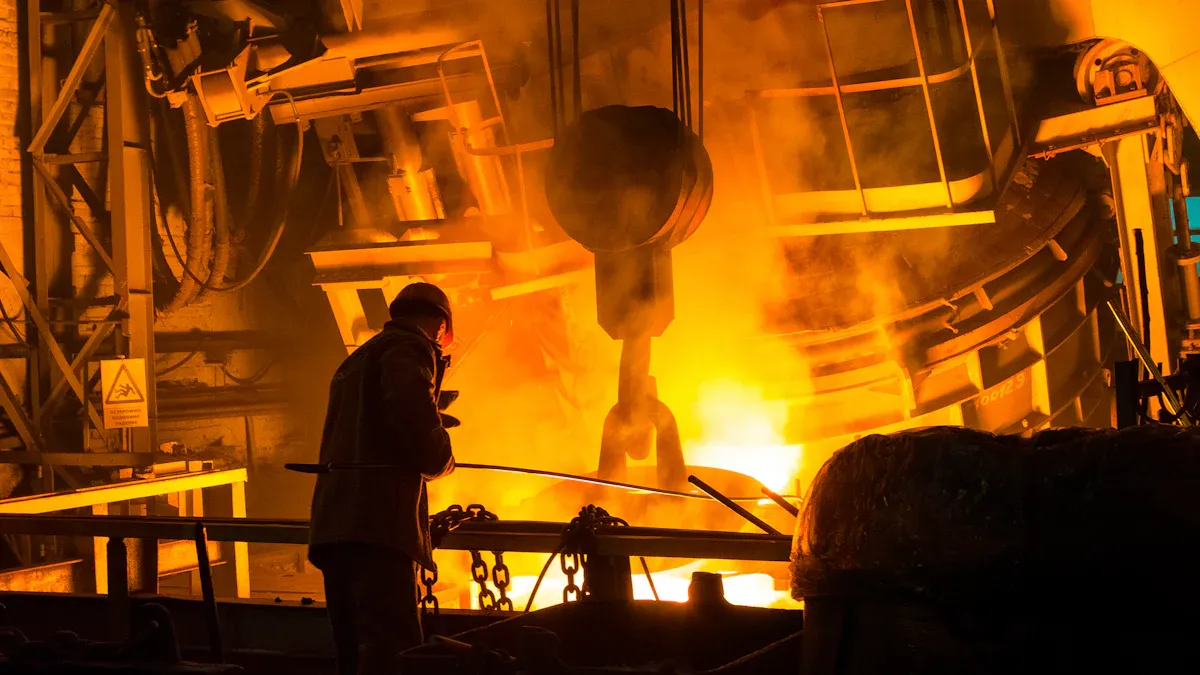
High-pressure die casting helps make EV powertrain parts very exact. This method pushes hot metal into a mold very fast and hard. The parts come out close to the design. You do not need to fix them much after. There are fewer holes or weak spots in the metal.
Here is a table that shows what high-pressure die casting can do:
Tolerance Capability | Measurement |
|---|---|
Dimensional accuracy | ±0.1mm |
Surface finishes | Minimal post-processing |
Consistent wall thickness | Across significant components |
Reduced porosity | Through controlled pressure |
Tip: High-pressure die casting is good for parts that must fit just right.
Investment Casting for EV Components
Investment casting is good for making parts with tricky shapes. It uses a wax model covered with ceramic. The wax melts away, and metal fills the space. The parts have smooth surfaces and sharp edges. You can make small or thin parts that are still strong. You can also control the size better than with old ways.
Investment casting helps you waste less metal. You do not need to cut or grind much. This saves time and money on finishing.
Mega-Casting and Dimensional Accuracy
Mega-casting, or gigacasting, makes very big parts in one piece. You can build a whole frame or housing without joining many small parts. This helps you keep tight tolerances over large areas. You see fewer mistakes and do not need to weld as much.
Tesla uses gigacasting to make each car in about 10 labor hours.
Experts think this could drop to just 1 labor hour per car soon.
Gigacasting means you do not need to weld hundreds of small parts, so you save on labor.
You get lighter cars and stronger frames. Your assembly line also gets faster and more steady.
Note: New casting methods help you meet strict size rules and make EV powertrain assembly better.
Performance, Cost, and Scalability Effects
Tight vs. Loose Casting Tolerances
You must pick between tight and loose casting tolerances. Tight tolerances help parts fit together with almost no gaps. Loose tolerances let you make mistakes, but you may see more problems when you build things.
Tolerance Type | Assembly Fit | Rework Needed | Scrap Rate | Production Speed |
|---|---|---|---|---|
Tight | Excellent | Low | Low | Moderate |
Loose | Poor | High | High | Fast |
Tight tolerances mean you fix fewer mistakes. You get better fit and throw away fewer parts. Loose tolerances can make casting faster, but you spend more time fixing and waste more parts.
Tip: Use tight tolerances for parts that need to fit perfectly, like motor housings or gearboxes.
Durability and Reliability Impacts
You want your EV powertrain to last a long time. How you control tolerances changes how strong your parts are. High-pressure die casting makes parts stronger and more reliable. Tight tolerances and steady material properties help parts work better and last longer.
You lower the risk of cracks or weak spots.
You keep battery systems safer and more stable.
You reduce the chance of early failure in key parts.
If you keep your process steady, you avoid defects that can hurt safety or strength.
Manufacturing Efficiency and Cost
You need to balance quality and cost. Tight tolerances can cost more because you need better molds and more checks. But you save money by throwing away fewer parts and fixing less. You also build faster because parts fit right the first time.
Loose tolerances may seem cheaper at first. You might make parts faster, but you spend more fixing mistakes and replacing bad parts. Over time, tight tolerances help you make more EVs with fewer problems.
Note: Casting tolerances change your costs, your assembly speed, and the quality of every EV you build.
Overcoming Tolerance Challenges
Quality Assurance Methods
You need strong quality checks to keep your parts within the right size limits. Start by using precise measuring tools like calipers, gauges, or laser scanners. These tools help you spot mistakes early. You can set up checkpoints at different steps in your process. This way, you catch errors before they reach the assembly line.
Try these steps for better quality assurance:
Measure each part after casting.
Compare the size to your design.
Mark or remove any part that does not meet your standards.
Tip: Keep a log of your checks. This helps you find patterns and fix problems faster.
Some factories use automated systems. These machines scan parts quickly and give instant feedback. You save time and reduce human error.
Design and Process Optimization
You can improve your results by changing how you design parts and run your process. Start by making your designs simple. Simple shapes are easier to cast with fewer mistakes. Choose the right casting method for your part. High-pressure die casting works well for tight fits. Investment casting helps with complex shapes.
Here is a table to help you pick the best method:
Part Shape | Best Casting Method | Benefit |
|---|---|---|
Simple, strong | High-pressure die casting | Tight fit, fast cycle |
Complex, thin | Investment casting | Fine detail, smooth |
Work with your team to review each step. Change your process if you see too many errors. Use feedback from quality checks to guide your changes.
Note: Good design and process control help you meet your casting tolerances and build better EV powertrains.
Casting Tolerances affect how you make and put together EV powertrains. You get better results when you use new casting methods. Mega casting is a new technology that helps you in many ways. You can:
Join many parts into one strong piece
Spend less money and make assembly more exact
Build EVs that work better
You should look for new ideas in casting and quality checks. Pay attention to tolerance management to keep your designs strong and your work easy.
FAQ
What happens if you ignore casting tolerances in EV powertrains?
You risk poor fits, leaks, and early part failure. Your assembly process slows down. You may need to fix or replace more parts. This costs you time and money.
How do you measure casting tolerances?
You use tools like calipers, gauges, or laser scanners. These tools help you check if each part matches your design. You can spot mistakes before assembly.
Which casting method gives you the tightest tolerances?
High-pressure die casting gives you the tightest tolerances. You get parts that fit well and need little extra work. This method works best for parts that must be very exact.
Can you improve tolerances after casting?
Yes! You can machine or grind parts to improve their size. You can also change your process or design to get better results next time.
See Also
Exploring Shrinkage And Machining Allowances In Casting Processes
The Importance Of Thermal Expansion Coefficient In Die Casting
Effects Of Thermal Stress On Die Casting Tools And Parts
Finding The Optimal Closing Force For Die Casting Products
Decoding PPM Requirements For IATF 16949 Certification
About Hunan Puka

Established in 2016 and based in Hunan, China, with a liaison point in Berlin, we are a Tier 2 supplier for the automobile industry. We specialize in the production of customized aluminum die-casting parts designed for machines with a closing force ranging from 280 to 1250 tons, with subsequent manufacturing process CNC machining and surface treatment. Our commitment to quality is reflected in our accredited quality management system, certified by ISO9001:2015 and IATF16949:2016 standards.