A simple guide to FIFO inventory management for manufacturers and suppliers

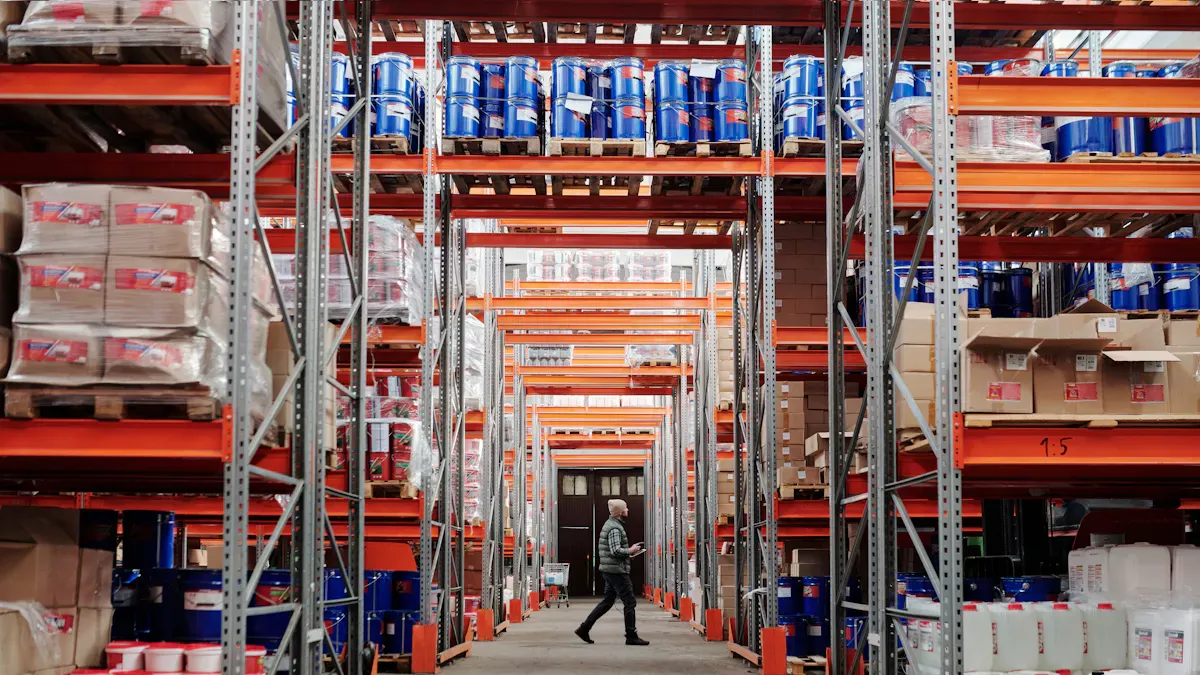
To effectively manage your stock, it’s essential to use FIFO inventory management as manufacturer suppliers. This approach ensures you always track your inventory and prevents products from becoming outdated or spoiled. FIFO inventory management as manufacturer suppliers means you use or sell the oldest items first, which is especially important for perishable goods. Research highlights several advantages of FIFO inventory management as manufacturer suppliers:
It reduces spoilage by moving older stock first.
It keeps products fresher for your customers.
It cuts down on waste and helps build customer trust.
Study Title | Findings | Impact on WMS |
|---|---|---|
The Effect of Applying Perpetual Inventory Accounting and the FIFO Method on Warehouse Management Systems | FIFO inventory management as manufacturer suppliers improves inventory control | 44.1% positive impact on WMS performance |
FIFO inventory management for manufacturers and suppliers
FIFO principle explained
To manage inventory well, you need to know the fifo principle. FIFO means first in, first out. You always use or sell the oldest items first. This helps keep costs steady and stops products from getting too old. When you use fifo inventory management as manufacturer suppliers, you stop waste and spoilage.
The fifo principle works by moving old stock out before new stock. You put a date or batch number on each item. Workers pick products in the order they came in. This keeps your inventory fresh and safe. You see the fifo principle used every day in factories.
The fifo principle helps stop spoilage. You protect your money and see your inventory better. You do not need to rush to buy more supplies.
You should use the fifo principle at every step of production. You set up stock so old products are easy to grab. You teach workers to use the fifo principle. You use technology to watch inventory and make sure fifo is followed. This keeps ingredients good and makes products taste better.
How FIFO works in inventory management
Many industries use the fifo principle, like food and steel. In food factories, fifo inventory management as manufacturer suppliers cuts waste by 30-50%. You use old stock before new stock, so food does not spoil. You keep ingredients good and customers happy.
Here is how fifo inventory management as manufacturer suppliers works in food factories:
Step | Description |
|---|---|
Stock Arrival | |
Label Generation | Labels are printed right away with batch numbers and expiry dates. |
FIFO Enforcement | Workers are told to use FIFO and mistakes are caught fast. |
Real-time Alerts | Staff get alerts if they try to use new stock before old stock. |
Inventory Tracking | Handheld devices track stock from arrival to shelf to keep things right. |
You need to follow steps to use fifo inventory management as manufacturer suppliers in factories:
Stock Organization: Put old items where they are easy to reach, like at the front of shelves.
Clear Labeling: Mark each item with a date or batch number so you know which is oldest.
Systematic Picking: Teach workers or use machines to pick items in the order they came in, so old items go first.
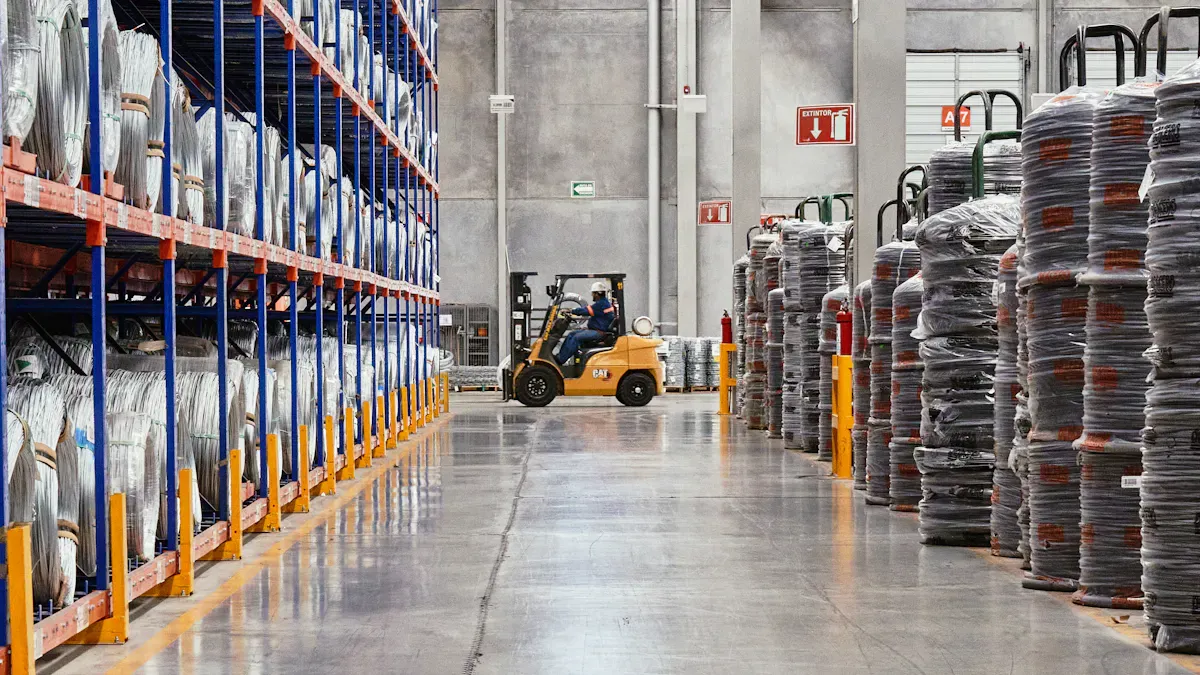
You can use the fifo principle in steel factories too. You sort steel by when it comes in. You label each batch and use the oldest steel first. This stops rust and uses materials before they get bad. You keep work going and save money.
fifo inventory management as manufacturer suppliers helps you watch expiry dates. You move products so old ones are used or sold first. You stop spoilage and waste.
You keep a rotation system in the factory. You protect your stock and keep products good.
You see your inventory better and do not buy too much. You keep work smooth.
You need fifo inventory management as manufacturer suppliers to protect your business. You waste less, stop spoilage, and keep work running well. You make customers trust you and help your business earn more.
FIFO benefits and drawbacks
Advantages for manufacturers and suppliers
You can make your business work better by using FIFO. This method helps you use older inventory first. It keeps your products fresh and cuts down on waste. FIFO makes sure items do not stay too long on shelves. This keeps your inventory up to date and your products fresh. You also lower the chance of keeping things you do not need.
FIFO helps your warehouse run smoothly. You avoid losing money from old, damaged, or rusty items. You also see your daily work get easier and faster. Using FIFO means you waste less and do not have old stock. This saves money and helps your business work better.
FIFO lowers waste and old stock by using older items first.
You get a clearer idea of what your inventory is worth, which helps with money reports.
This method works well for goods that can spoil, because it keeps things fresh and running well.
When you rotate your stock with FIFO, you can cut spoilage by 35% and lower costs by 22% with better stock rotation and recall.
Challenges and limitations
You might have problems using FIFO in big warehouses. Things can slow down if you do not have the right system. You need to pick an inventory system that works for you. Training your team is important, but some people may not like new ways. You must keep good records to make FIFO work well.
Here are some common problems:
Teaching workers to use FIFO for better results.
Keeping records correct to help FIFO work.
Watching inventory so you do not run out or have too much.
Making sure your system works with other tools.
Watching costs, because new systems can cost a lot.
Space in your warehouse can change how well FIFO works. If you put new items in front, you may not reach old stock. You need a good setup to keep things working well. Many companies ask experts to help design their warehouse for FIFO.
Impact | Statistic |
|---|---|
Reduction in spoilage rates | 35% in food distribution |
Cost reduction | 22% through better stock rotation and recall management |
You can make FIFO work better by planning your warehouse and teaching your team. This helps you get more from FIFO and keeps your business running well.
FIFO implementation tips

Key steps for applying FIFO
You can manage inventory well by following some easy steps. First, put dates on all inventory when it arrives. This helps you know which items came first. Check your inventory often to find mistakes and keep records right. Teach your team why FIFO is important and show them how to do it. Make clear rules so everyone knows what to do. Use tools like inventory software to help you track items and make things better. Look at your system often and fix problems when you find them.
Here is a simple list to help you:
Put dates on inventory.
Check inventory often.
Teach staff about FIFO.
Make clear rules.
Use software to track items.
Change your process if needed.
Best practices for inventory management
You can make your warehouse work better by setting it up for easy use of old stock. Use shelves like boltless shelving or live racks to help move stock in order. Warehouse software gives you real-time info, so you can make good choices and improve your process. Machines like barcode scanners help stop mistakes and save time.
Here are some best ways to do this:
Put new stock behind old stock to keep things moving right.
Use smart warehouse tools for better inventory control.
Pick shelves that fit your products and help with FIFO.
Count your stock often to find mistakes early.
Do not put new items in front, or you might miss old stock and waste it.
Tip: Use barcode scanners to track your items. This helps you follow FIFO and stops costly mistakes.
You can stop common problems by not letting new stock hide old stock. Always check that your system helps you use FIFO. If you do these things, you will have less waste, better records, and a smoother process.
FIFO vs other inventory methods
FIFO vs LIFO
There are big differences between FIFO and LIFO. FIFO means "First-In, First-Out." LIFO means "Last-In, First-Out." With FIFO, you use or sell the oldest items first. With LIFO, you use the newest items first. This choice changes your costs and profits. Check the table below to see how they compare:
Aspect | FIFO (First-In First-Out) | LIFO (Last-In First-Out) |
|---|---|---|
Lower during inflation (oldest inventory expensed) | Higher during inflation (newest inventory expensed) | |
Ending Inventory | Higher value (reflects recent higher costs) | Lower value (reflects older, cheaper costs) |
Gross Profit | Higher due to lower COGS | Lower due to higher COGS |
Net Income | Higher in inflationary periods | Lower in inflationary periods (reduces tax liability) |
When prices go up, LIFO can help you pay less tax. It does this by showing higher costs. FIFO gives a better picture of what your inventory is worth. Some places make you use FIFO for reports. You might have to change your method to follow the rules.
LIFO can help with taxes in the U.S., but many countries do not allow it.
FIFO vs FEFO
FEFO means "First-Expired, First-Out." With FEFO, you pick items by expiration date, not by when you bought them. FIFO uses the oldest purchase first. Look at the table below:
Method | Description | Example |
|---|---|---|
FIFO | Oldest purchase is used first, regardless of expiration dates. | Use Monday's fish before Tuesday's fish. |
FEFO | Prioritizes items based on expiration dates, regardless of purchase order. | Use Monday's fish (expires first) before Tuesday's fish. |
You use FEFO for things that expire soon. FIFO works for most products, but FEFO is better for items that spoil fast.
FIFO vs JIT
JIT means "Just-In-Time." With JIT, you only order what you need, when you need it. FIFO keeps stock on hand and sells the oldest first. JIT helps you save money by not keeping extra stock.
FIFO is best for things that can spoil.
JIT saves money by having less inventory.
JIT needs good planning so you do not run out.
Use FIFO to stop spoilage and keep stock fresh. JIT helps you spend less, but you must control your supply chain well.
When FIFO is preferable
You should pick FIFO for goods that can spoil or have a short shelf life. FIFO helps you stop waste and makes inventory easy to manage. You get better control and pay less for storage. FIFO also helps lean manufacturing by keeping things moving, cutting waste, and making sure products are good. You also get the right numbers for your reports.
You can make your inventory work better with FIFO. This method helps you use older stock first, so you avoid waste and keep products fresh.
FIFO racks let you store goods in order and move them out quickly.
You support lean production by keeping inventory small and reducing waiting times.
FIFO lanes help you control how much you produce.
Tip: Start by labeling expiration dates, checking for spoilage, and using FIFO racks. These steps help you keep your stock fresh and your business strong.
FAQ
What does FIFO mean in inventory management?
FIFO stands for "First-In, First-Out." You use or sell the oldest items in your inventory first. This keeps your products fresh and reduces waste.
Why should you use FIFO in your warehouse?
You should use FIFO to stop spoilage and keep your stock moving. This method helps you save money and makes your customers happy with fresher products.
How do you set up FIFO in your storage area?
You can set up FIFO by placing new items behind older ones. Use clear labels with dates. Teach your team to pick the oldest items first.
Does FIFO work for all types of products?
FIFO works best for items that can spoil or become outdated. You can use it for food, medicine, or anything with a shelf life. For items that do not expire, other methods may work better.
What tools help you manage FIFO?
Tip: Use barcode scanners and inventory software. These tools help you track dates and batches, making FIFO easier and more accurate.
See Also
Effective Approaches To Manage Time-Sensitive Production Requests
Understanding Manufacturing Performance Metrics For Improved Outcomes
An Introductory Overview Of SMED Techniques In Production
The Role Of Kanban In Modern Warehouse Operations
Understanding The TIMWOOD Acronym In Lean Production Practices
About Hunan Puka

Established in 2016 and based in Hunan, China, with a liaison point in Berlin, we are a Tier 2 supplier for the automobile industry. We specialize in the production of customized aluminum die-casting parts designed for machines with a closing force ranging from 280 to 1250 tons, with subsequent manufacturing process CNC machining and surface treatment. Our commitment to quality is reflected in our accredited quality management system, certified by ISO9001:2015 and IATF16949:2016 standards.