Essential Steps for Injection Mold and Machine Maintenance

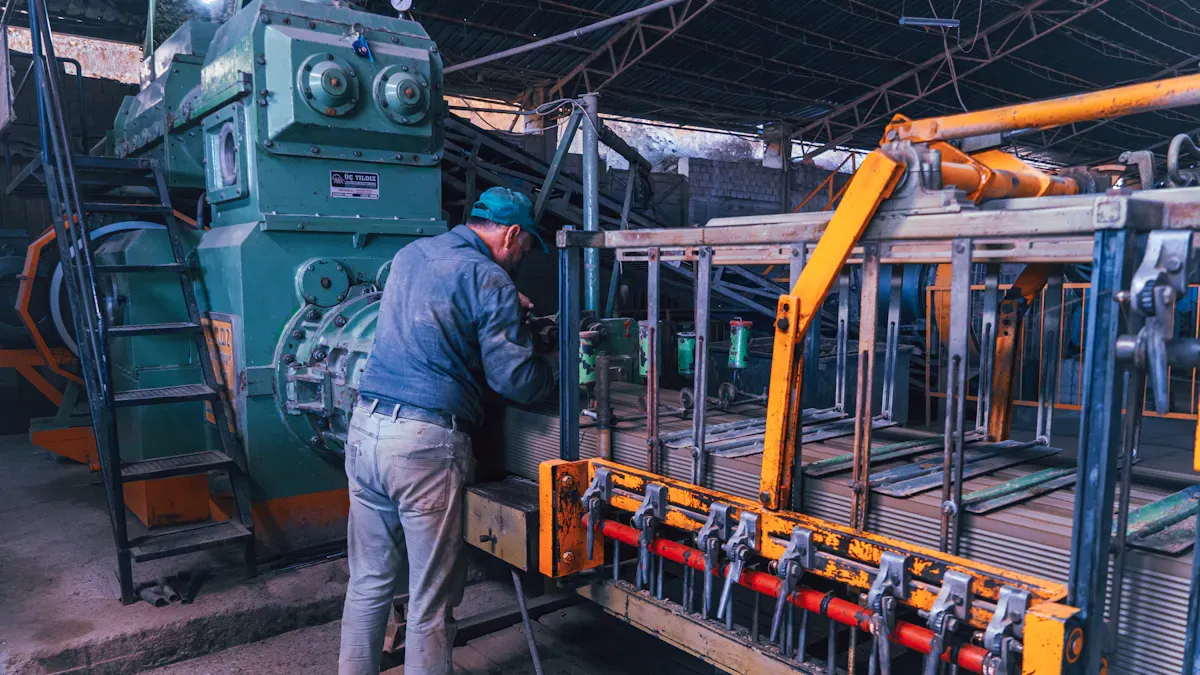
You know that taking care of equipment and mold helps your injection molding machines work well. When you follow a regular maintenance routine, your machines work better. You also stop problems before they happen. You protect your machines and keep your workplace safe. The table below shows how equipment and mold maintenance helps you.
Benefit | Description |
|---|---|
Reduced Downtime | Change old parts during maintenance to stop breakdowns. |
Increased Lifespan | Check oil, temperature, and molds to help machines last longer. |
Performance Maintenance | Look at machines so mistakes do not hurt production. |
Mold Service Life | Find places that need fixing to make molds last longer. |
You can get better results if you keep up with equipment and mold maintenance. It does not matter if you have lots of experience or are new. You help every time you do maintenance.
Injection Molding Machine Maintenance
Daily Inspection and Cleaning
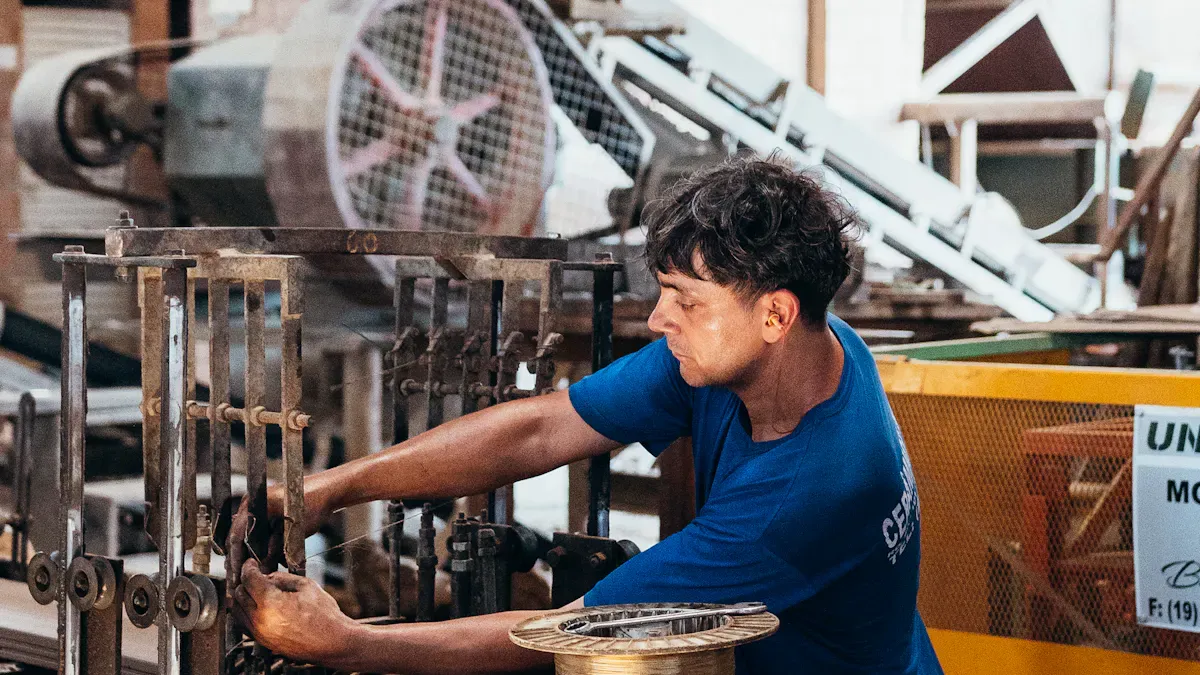
You need to start each shift with a full machine inspection. Look at all surfaces of your injection molding machine. Search for signs of wear, corrosion, or damage. Use a flashlight to see hidden spots. If you find any cracks or leaks, report them right away. Wipe down the machine to remove dust and debris. Dust can get inside moving parts and cause problems. Clean the control panel and buttons. Make sure nothing blocks the vents or fans. When you keep your machine clean, you help it run smoothly. You also make it safer for everyone.
Tip: Use a checklist for your daily maintenance. This helps you remember every step and keeps your inspection routine strong.
Hydraulic Fluid and Temperature Checks
You must check the hydraulic oil level every day. Low oil can damage your injection molding machine. Look at the oil sight glass or dipstick. If the oil looks dirty or smells burnt, change it. Clean oil helps your machine last longer. You also need to check the temperature of the hydraulic system. Most injection molding machines work best when the oil stays between 45°C and 55°C, especially in cold areas. If the oil gets too hot or too cold, your machine may not work right.
Check the oil level before starting the machine.
Make sure the oil temperature stays between 45°C and 55°C.
Listen for strange noises from the hydraulic pump.
Watch for leaks around hoses and fittings.
A regular hydraulic oil check keeps your machine safe and strong.
Environmental Controls
You must control the environment around your injection molding machine. Keep the room clean and dry. Too much dust or moisture can hurt the machine. Check the temperature and humidity in the work area. Machines work best in stable conditions. If the room gets too hot, the machine may overheat. If it gets too cold, oil can thicken and slow down the system. Use fans or air conditioners to keep the temperature steady. Make sure the floor stays dry to prevent slips and falls.
Preventative Maintenance
You need to follow a schedule for preventative maintenance. This means you fix small problems before they become big ones. Check belts, hoses, and seals for signs of wear. Replace them if they look old or cracked. Lubricate moving parts as needed. Tighten loose bolts and screws. Test the safety switches and emergency stops. Keep a log of every inspection and repair. This helps you track the health of your injection molding machine.
Weekly maintenance includes a deeper cleaning and a closer look at all parts. Plan a full machine inspection at least once a week. Use your cleaning and maintenance practices to keep your machine in top shape. When you follow these steps, you reduce breakdowns and help your machine last longer.
Note: Good maintenance saves money and time. It also keeps your team safe.
Mold Maintenance Steps
Mold Cleaning and Inspection
You must keep your mold clean to make good parts. Take the mold out of the machine first. Hook it up to a pump that moves cleaning solution through it. If you see scale, mix OxSol with water at 5:1 and use it. For biofilm, use Filmex 100 and a biocide like Algex 200. These solutions help remove corrosion by-products. Finish cleaning with CharPrep mixed 10:1 with water. Change the cleaning solution when it gets dark. After cleaning, blow out leftover water with compressed air. Always look at the cavities, cores, runners, and sprues for buildup or dirt. Checking your mold often helps you find problems early and keeps it working well.
Tip: Clean your mold after every run. This stops buildup and keeps your parts looking good.
Lubrication and Mold Release Agents
Lubrication helps your mold work without problems. Put lubricant on moving parts like slides, ejector pins, and lifters. Only use as much as you need. Too much lubricant can cause buildup and bring in dust. Always pick the right lubricant for your mold. Mold release agents help parts come out easily. Spray a thin layer on the mold surface. Do not use too much release agent. Using too much can cause part problems and more cleaning. Always follow the manufacturer's instructions for both lubrication and release agents. Good maintenance means you check and add lubricant every time you clean your mold.
Note: Lubrication lowers wear and helps your mold last longer. It also helps you avoid expensive repairs.
Runner and Sprue Care
Runners and sprues move plastic into the mold cavities. You must keep them clean and clear. After each run, check these spots for leftover plastic or buildup. Use a soft brush or compressed air to clean them. If you see damage or wear, fix it right away. Clean runners and sprues help you make good parts and waste less. Taking care of runners and sprues is important for your maintenance routine.
Rust Prevention and Storage
Rust can damage your mold and stop your work. You must keep your mold safe from water and air. Plastic coatings are good for stopping rust. These coatings make a smooth, non-stick layer on your mold. They also protect the metal from water and chemicals. The table below shows why plastic coatings are a smart choice for mold protection.
Key Features of Plastic Coating | Advantages of Plastic Coatings |
|---|---|
Excellent corrosion and chemical resistance | Shields metal and surfaces from oxidation and rust |
Non-stick, anti-friction, and smooth finish surfaces | Used in a wide range of industrial applications requiring mechanical precision, dimensional accuracy, and durability |
Waterproof and moisture barrier protection | Extended service life for base materials |
UV, weather, and salt resistance for outdoor use | Adheres well to metal, concrete, and thermoplastics |
Store your mold in a cool, dry place. Cover it with a wrap or use a rust inhibitor spray. Always check your mold before you store it and after you take it out. This helps you find rust or damage early. Good storage and maintenance keep your mold ready for the next job.
Alert: Never put away a wet mold. Dry it all the way to stop rust before storing.
Water Line and Cooling Channel Maintenance
Cleaning and Flushing
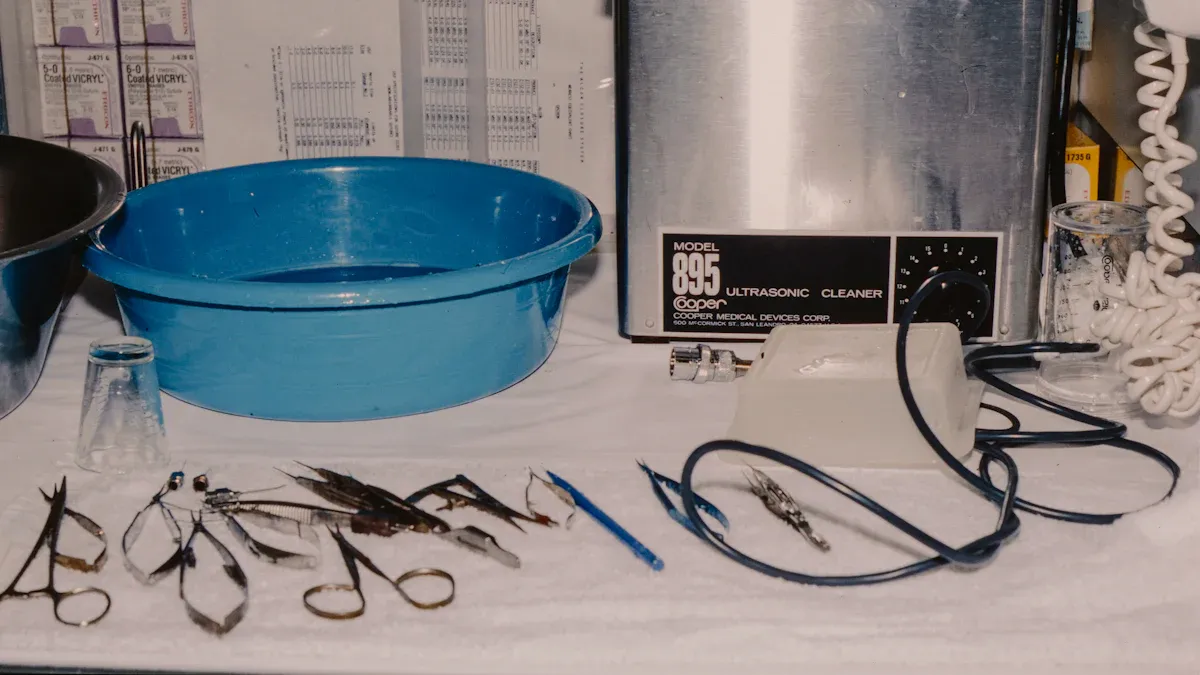
You need to keep water lines and cooling channels clean. Clean channels help your mold cool faster and make better parts. Start by flushing the channels with clean water. Use a pump to push water through each channel. This removes loose dirt and small particles. If you see heavy buildup, use a cleaning solution made for cooling systems. Always follow the instructions on the cleaning product. After flushing, check the water flow. Make sure water moves freely through every channel.
You can use a checklist to track your cleaning steps:
Flush channels with clean water.
Use cleaning solution if needed.
Check water flow after cleaning.
Inspect for leaks or blockages.
Tip: Clean cooling channels every week. This keeps your mold working well and stops problems before they start.
Scale, Corrosion, and Biofilm Control
Scale, corrosion, and biofilm can block cooling channels. You must control these problems to keep your mold safe. Scale forms when minerals in the water stick to the channel walls. This happens more in open-loop systems where you add new water often. Corrosion starts when steel parts touch water in recirculating systems. Iron and other metals build up and damage the channels. Biofilm grows when bacteria in the water make a slimy layer. This slime helps corrosion and makes cleaning harder.
You can stop these problems by using good water treatment. Add chemicals that prevent scale and corrosion. Use biocides to kill bacteria and stop biofilm. Test your water often to check for minerals and bacteria. Keep records of your water treatment and cleaning. This helps you spot problems early.
Problem | Cause | Solution |
|---|---|---|
Scale | Minerals in water | Water treatment |
Corrosion | Steel in water systems | Anti-corrosion agents |
Biofilm | Bacteria in water | Biocides |
Alert: If you see slow cooling or uneven mold temperature, check your channels for scale, corrosion, or biofilm.
Equipment and Mold Maintenance Safety
Personal Protective Equipment
You must wear the right gear when you work on injection molding machines and molds. This gear keeps you safe from sharp edges, chemicals, and flying debris. Always check your equipment before you start. The table below shows what you need and why it matters.
Personal Protective Equipment | Description |
|---|---|
Gloves | Protects hands from chemicals and sharp objects |
Safety Glasses | Shields eyes from flying debris and chemicals |
You should wear gloves to protect your hands. Safety glasses keep your eyes safe. These are simple tips, but they make a big difference. You can also wear ear protection if the area is loud. Steel-toed boots help protect your feet. Always follow your workplace rules for safety gear.
Tip: Replace damaged gloves or glasses right away. Clean your gear after each use.
Shutdown and Lockout Procedures
You need to turn off the machine before you start any maintenance. This step keeps you safe from moving parts and electric shock. Use the lockout system to make sure no one can turn the machine back on while you work. Always check that the power is off. You should also release any stored pressure in the system. These steps help prevent accidents.
Here are some tips for safe shutdown:
Turn off the main power switch.
Use a lock and tag to show the machine is under maintenance.
Test the controls to make sure the machine will not start.
Tell your team before you begin.
Tip: Never skip the lockout step, even if you think the job will be quick.
Maintenance Records
You should keep a record of every maintenance task. Write down the date, what you did, and any problems you found. Good records help you spot patterns and plan future work. You can use a notebook or a computer system. These records also show that you follow safety rules.
Some tips for better records:
Record every inspection and repair.
Note which parts you replaced.
Review your records each month.
Share important findings with your team.
Tip: Clear records help you remember what you did and keep your machines running well.
Special Maintenance Considerations
Cold and Humid Environments
Working in cold or humid places is harder. Cold air makes oil thick and slow. This can make your machine not work well. Warm up your machine before you start. Let the hydraulic oil get to the right heat. Use heaters or keep your shop warm if you can.
Humidity means there is more water in the air. Water can cause rust on metal parts. You must keep your molds and machines dry. Wipe all surfaces after each use. Use dehumidifiers in your workspace. Store molds in dry cabinets or use silica gel packs to soak up water.
Tip: Always look for wet spots on your molds and machines. Dry any water right away to stop rust.
Here is a checklist for cold and humid places:
Warm up machines before you use them.
Check oil heat and flow.
Wipe all surfaces after you use them.
Use dehumidifiers or dry storage.
Look for rust or water spots every day.
Corrosive Conditions
Corrosive places can hurt your equipment fast. You might work with strong chemicals or near salty air. These things make rust and corrosion happen quicker. You need to protect your machines and molds.
Put anti-corrosion sprays or coatings on metal parts. Use stainless steel parts if you can. Clean up spills right away. Never let chemicals stay on your equipment. Check all parts for corrosion every day.
Corrosive Risk | What You Should Do |
|---|---|
Chemical exposure | Clean spills and use coatings |
Salt in air | Wipe surfaces and use covers |
Acidic materials | Use resistant materials |
Alert: If you see rust or pitting, fix it right away. Change damaged parts to keep your equipment safe.
Your machines and molds will last longer if you follow these steps in tough places.
You help keep your machines and molds working well. Doing regular maintenance helps stop problems early. When you follow a schedule and use safety steps, you protect your equipment and your team.
Remember: Taking care of your machines often makes them work better and last longer.
Look at how you take care of your machines now.
Plan your next check soon.
Tell your team about these steps so everyone works safer and easier.
FAQ
How often should you clean your injection mold?
You should clean your mold after every production run. This helps prevent buildup and keeps your parts looking good. Regular cleaning also stops rust and extends mold life.
What is the best way to check hydraulic fluid levels?
You can check hydraulic fluid levels using the sight glass or dipstick. Always inspect before starting the machine. If the fluid looks dirty or smells burnt, change it right away.
Why do you need to keep maintenance records?
Maintenance records help you track repairs and inspections. You can spot patterns and plan future work. Good records show you follow safety rules and keep your machines running well.
What should you do if you find rust on your mold?
You need to remove rust right away. Use a rust remover or fine brush. Dry the mold completely. Apply a rust inhibitor before storing. Quick action prevents damage and keeps your mold ready.
Which safety gear should you wear during maintenance?
You should wear gloves, safety glasses, and steel-toed boots. Ear protection helps in loud areas. Always check your gear before use. Replace damaged items to stay safe.
See Also
How to Effectively Inspect and Test Die Casting Molds
Understanding Jigs and Fixtures in Manufacturing Techniques
Exploring Functional Testing in CNC and Die Casting
Introduction to SMED for New Manufacturing Professionals
Key Factors Affecting Die Cast Mold Production Costs
About Hunan Puka

Established in 2016 and based in Hunan, China, with a liaison point in Berlin, we are a Tier 2 supplier for the automobile industry. We specialize in the production of customized aluminum die-casting parts designed for machines with a closing force ranging from 280 to 1250 tons, with subsequent manufacturing process CNC machining and surface treatment. Our commitment to quality is reflected in our accredited quality management system, certified by ISO9001:2015 and IATF16949:2016 standards.