Emerging Innovations in Die Casting for Liquid Cooling Applications

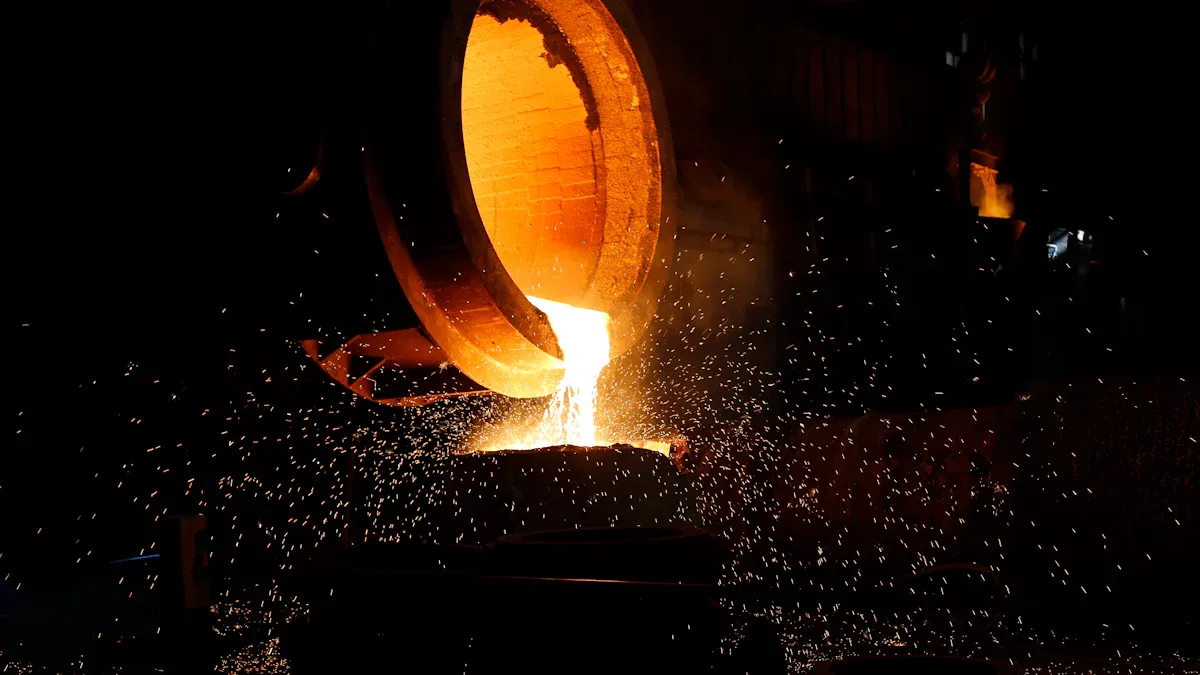
You see fast changes in die casting application in liquid cooling. Electric vehicles need better cooling to keep batteries safe. Automation uses AI to change cooling right away, making things work better. New materials like phase-change alloys and carbon-based nanomaterials help cooling and provide more design choices. Being green is important, so companies use coolants that break down and parts you can recycle. Here is how these changes help the field:
Impact Area | Description |
|---|---|
Electric Mobility | Better cooling systems are needed to control battery heat in electric and hybrid vehicles. |
Automation | AI-powered cooling systems make things work better by changing with real-time data. |
Advanced Materials | New materials like phase-change alloys and carbon-based nanomaterials make cooling better and allow for design flexibility. |
Sustainability | Using coolants that break down and parts you can recycle helps the environment in cooling applications. |
Key Takeaways
Electric vehicles need good cooling systems to keep batteries from getting too hot.
AI and automation help cooling work better by changing systems quickly.
Using recycled and eco-friendly materials in die casting helps the planet and saves energy.
3D printing lets people make new cooling channel designs that manage heat well.
Mixing die casting and additive manufacturing can make production cheaper and work better.
Innovation Drivers in the Die Casting Industry
Electric Mobility and Cooling Demands
Electric mobility changes how cooling systems are made. Electric vehicles need parts that can handle more heat. These parts must fit into small spaces. Cooling channels are built inside motors, batteries, and electronics. These channels move heat away fast. Making these cooling structures is hard. Sometimes, special casting methods are needed. These methods help make single-shell housings or tricky cavities. The table below shows how electric mobility affects cooling needs:
Key Component | Requirement | Challenge |
|---|---|---|
Electric Motor | Liquid-carrying cooling channels for heat dissipation | Casting cooling structures in the die casting process |
Battery | Efficient cooling for high performance | High cost of complex solutions like lost cores |
Power Electronics | Enhanced cooling for compact designs | Need for new casting technologies |
Sustainability and Circular Economy Trends
Sustainability and circular economy ideas push the industry to change. Recycled metals and eco-friendly coolants help protect the planet. Parts are designed to last longer and be reused. Companies try to cut waste and save energy. These trends help meet strict rules. They also attract customers who care about the environment. Larger and more complex parts let you combine functions. This makes cooling better and uses less material.
Recycled metals lower the impact on the environment.
Designing for reuse and recycling supports the circular economy.
Combining parts saves materials and improves cooling.
Digital Transformation and Automation
Digital tools and automation help the industry grow. AI is used to predict defects and watch production in real time. Thousands of data points are checked for each casting shot. This helps find problems early and makes quality better. Companies like Toyota Industries Corporation and Siemens work together. They make these processes smarter. Productivity gets better and cooling systems are more reliable.
| Aspect | Details | |----------------------------|-----------------------------------------------------|--------------------------------------------------------| | Collaboration | Companies work together to improve die casting | | Technology Used | AI predicts defects and monitors production | | Benefits | Higher quality and productivity for cooling systems | | Data Utilization | 40,000 data points analyzed per casting shot | | Real-time Monitoring | Instant analysis of production and part quality |
More complex part shapes and extra cooling circuits push innovation. The industry grows as more functions are added to bigger parts. This makes cooling work better.
Advanced Materials for Die Casting Application in Liquid Cooling
Aluminum, Magnesium, and Zinc Alloys
Aluminum, magnesium, and zinc alloys are used a lot in die casting for liquid cooling. These metals are light and move heat well. Aluminum alloys do not rust easily and can handle high heat. They are good for electric vehicles and data centers. Magnesium alloys are lighter than aluminum. They help make cooling parts that weigh less. Zinc alloys are strong and let you make small, detailed parts. High-pressure die casting shapes these alloys into tricky cooling channels. This process makes thin walls and tight spaces. It helps heat move away faster.
New alloys and high-performance materials keep changing what is possible in die casting for liquid cooling. You get more ways to design and better cooling results. High-pressure die casting makes parts that fit in small spaces and work in tough places. These alloys last a long time and keep your systems safe.
High-Thermal Conductivity Materials
You need metals that move heat fast for good cooling. Aluminum and copper are high-thermal conductivity metals. They help cool things better. Liquid-cooled heat sinks made from these metals work 25% better than fans. Aluminum cast alloys have thermal conductivity around 180 W/mK. Pure copper can reach up to 400 W/mK. These numbers show how well these metals move heat.
You can shape these metals with extrusion and high-pressure die casting. This lets you make thin parts with deep cooling channels. These parts are used in places that get very hot, like electric motors or computer servers. You can change the design for small or medium batches. This helps you meet special cooling needs.
Liquid-cooled heat sinks cool better than fans.
Aluminum and copper move heat quickly.
You can make thin, deep channels for cooling.
These metals fit in tight spaces and hot places.
You can change the design for different projects.
New alloys and high-performance materials help die casting for liquid cooling get better. You get more choices and better cooling for your systems.
Recycled and Eco-Friendly Metals
You can help the planet by using recycled and eco-friendly metals in die casting for liquid cooling. Recycling metals like aluminum and magnesium saves lots of energy. Recycling aluminum can save up to 95% of the energy needed to make new aluminum. This big energy saving means less pollution and fewer resources used.
You also get other benefits when you use recycled metals. The table below shows how these metals help you and the planet:
Benefit | Description |
|---|---|
Reduced Energy Consumption | Recycling metals like magnesium can save significant energy compared to extracting new ore. |
Lower Emissions | Effective recycling processes lead to lower greenhouse gas emissions during production. |
Resource Recovery | Recycling helps recover valuable materials, reducing the need for new resource extraction. |
Recycled metals have a high recovery rate. Salt-free cleaning makes the process safer for nature. Flexible remelting gives you the best properties for cooling parts. High-pressure die casting works well with recycled metals, so quality stays high.
Tip: When you pick recycled metals, you help the circular economy and protect natural resources.
More companies are using recycled and eco-friendly metals in die casting for liquid cooling. This trend will keep growing as people look for greener ways to cool their systems.
Energy-Efficient Die Casting Processes
Intelligent Automation in Production
Advanced automation is changing how cooling parts are made. Smart systems like the Digital Cell help make less waste. The Digital Cell can cut cycle time by 40%. You can watch each step with SmartCMS. Predictive analytics help you save energy. About one-third of the time is for thermal management. New technology helps make this part better. Friction welding and brazing seal water-cooling plates. These methods stop leaks and make parts last longer.
Welding in die casting keeps parts from leaking.
Friction welding and brazing make seals stronger.
The Digital Cell makes less waste and saves time.
SmartCMS lets you see data right away.
Dynamic Cooling Strategies
Dynamic cooling strategies help parts work better. You can use water, air, or both to cool. You set cooling by time and mold temperature. This makes cooling the same every time. You get better parts and faster work. Multi-circuit units let you control cooling channels closely. Jet cooling and new release agents help spray the die. There are new ways to cool molds and handle heat.
Tip: Use dynamic cooling to get steady results and save energy.
Process Monitoring and Optimization
Watching and improving the process saves energy and makes better parts. Smart tools help control temperature and cooling. Intelligent algorithms add water cooling to casting machines. You watch cooling and save data to check quality. You study the data to make production better. Good furnaces and die tempering help a lot. New release agents that handle heat make things smoother. Technology is making die casting use less energy.
Optimization Area | Benefit |
|---|---|
Smart monitoring | Better temperature control |
Data analysis | Improved energy savings |
Efficient furnaces | Lower energy use |
Release agents | Higher process efficiency |
You get cooling parts you can trust and use less energy. Energy-efficient die casting helps you keep up with new needs in the industry.
Innovative Cooling Channel Design
Conformal Cooling with 3D Printing
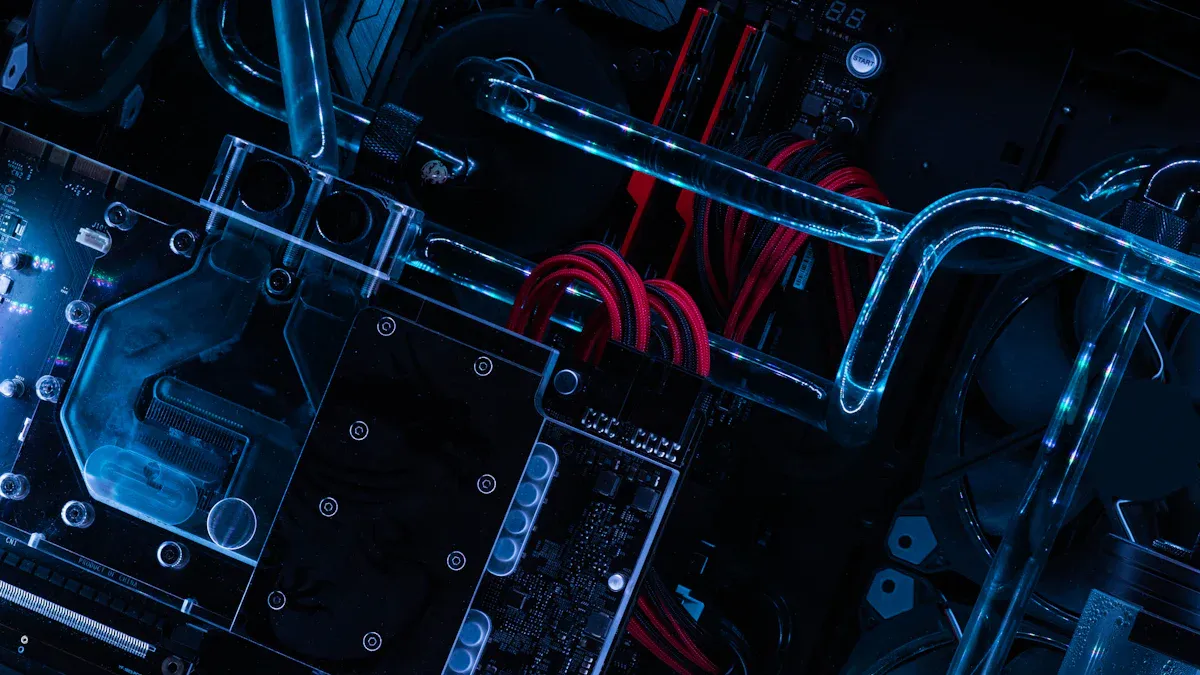
Conformal cooling channels help heat leave parts faster. These channels match the shape of the part. 3D printing lets you make molds with tricky networks. These networks reach important spots. Toyota uses 3D-printed inserts to cool molds. This makes molds last four times longer than regular ones. You see fewer hot spots and less damage. Software makes it easier to design these channels. You fix temperature problems quickly. Targeted cooling gives better surfaces and lower costs. You also make parts solidify faster and finish cycles sooner.
3D-printed inserts make cooling channels close to the part’s shape.
Conformal cooling channels fit stressed areas and lower hot spots.
Software helps you design smart cooling channel solutions.
Tip: Using conformal cooling channels with 3D printing gives you more reliable and efficient cooling.
Uniform Cooling for Complex Geometries
It is hard to cool parts with tricky shapes. Combicore technology uses a shaped metal shell with special filling. After casting, you take out the filling. This leaves a strong, leak-free channel. This method works well for high-pressure die casting. It helps make lighter parts. The AionaCast process uses two steps to make cooling channels. You blow up a roll-bond core with air. Then you cast it into motor housings. Die-cast aluminum heat sinks let you pick materials for cooling tubes. You can use aluminum, copper, or stainless steel. These new methods help cool complex parts evenly.
Combicore technology makes strong channels for high-pressure casting.
AionaCast process builds cooling channels right in motor housings.
Die-cast aluminum heat sinks let you choose different materials.
Design for Manufacturability
You must design cooling channels that are easy to make and work well. Cooling important mold zones lowers heat and makes molds last longer. Conformal cooling channels lower hot spots and reduce damage. Using 3D-printed inserts saves money each year and helps nature.
Evidence Description | Impact on Cooling Channels |
|---|---|
Complex cooling structure cools important mold zones | Lowers heat and makes molds last four times longer than regular molds. |
Conformal cooling channels made with 3D printing | Fit stressed areas, lower hot spots, and reduce damage. |
Using 3D-printed inserts | Saves lots of money each year and helps the environment. |
You see how new cooling channel designs make parts work better and easier to build.
Die Casting vs. Additive Manufacturing for Cooling Components
Performance and Cost Comparison
You can pick die casting or additive manufacturing for cooling parts. Each way has good and bad points. Die casting costs less per part if you make many. You pay about $20,000 for molds. Each part costs $50 to $200 when you make a lot. Metal additive manufacturing needs pricey printers. Printers cost $50,000 to $100,000. Each cooling tool costs $100 to $500. You pay more at first, but you can change designs easily.
Die casting is good for big batches and simple shapes.
Additive manufacturing builds tricky cooling channels for better thermal management.
Die casting channels are often straight, so cooling can be slow. Metal 3D printing makes shapes that cool faster and more evenly.
Note: Additive manufacturing gives better cooling, but die casting saves money if you need lots of parts.
Scalability and Lead Time
You should think about how fast you get parts and how many you can make. Additive manufacturing has shorter lead times, about 4 to 6 weeks. Die casting takes longer, about 8 to 12 weeks. The table below shows the differences:
Manufacturing Method | Lead Time | Scalability |
|---|---|---|
Additive Manufacturing | Reduced lead times | High flexibility for complex designs |
Die Casting | Longer lead times | Limited by tooling and machining |
Additive manufacturing lets you change designs quickly and make conformal cooling channels.
You can test new ideas faster and fix molds without waiting for new tools.
Application-Specific Choices
You need to pick the right method for your job. If you work in die casting and need lots of parts with simple cooling, die casting is best. If you want advanced cooling for tricky shapes, additive manufacturing gives more choices. You can use both ways for different projects. Think about cost, speed, and cooling before you decide.
Tip: Use die casting for big jobs. Pick additive manufacturing for custom cooling and quick changes.
Real-World Applications and Case Studies
Automotive and Electric Mobility Cooling
Big changes are happening in vehicle cooling. Die casting helps make parts for electric vehicles. Toyota uses special aluminum tools in the Yaris hybrid gearbox. These tools have cooling channels that match the part’s shape. This design moves heat away from key spots. It keeps the gearbox cool and safe. Hybrid methods make these tools last much longer. They last four times longer than old molds. You get better performance and fewer repairs.
Gearbox housings use cooling channels close to the part’s shape.
Additive manufacturing makes tools last longer and cool better.
Thermal management protects batteries and motors in electric vehicles.
Electronics and Data Center Solutions
Electronics need strong cooling because they get hot quickly. Computers and data centers have this problem. The MAGIT process makes housings with built-in cooling lines. These lines move heat away and keep devices safe. In data centers, skiving and cold forging make heat sinks for semiconductors. These heat sinks cool servers and stop overheating.
Power electronic housings use cooling lines to control heat.
Data centers use high-performance heat sinks for cooling.
Good cooling keeps electronics safe and working well.
Implementation Challenges and Lessons
There are challenges when using new cooling designs. Making complex cooling channels can cost more. You need special tools and skills. You must check for leaks and make sure parts last. Companies learned that hybrid production and smart monitoring help. These methods improve quality and save money. Testing and feedback help find the best cooling ways for vehicles and electronics.
Tip: Always test new cooling designs and check for leaks to keep parts safe.
Practical Benefits and Challenges for Manufacturers
Improved Thermal Management
There are big changes in how heat is managed now. Using embedded cooling and conformal cooling channels keeps parts cool. This helps stop parts from bending or breaking. It also means you do not need to fix them as much. Molds last longer and fewer parts get thrown away. The table below shows how better thermal management helps:
Improvement Type | Result |
|---|---|
Freshwater usage reduction | |
Wastewater volume reduction | 100% |
Rejection rate reduction | 20% |
Mold life extension | Significant |
Cycle time reduction | 20% |
Energy cost reduction | Significant |
Using less water and energy is good for the planet. You help the environment by cutting waste and working more efficiently. Every time you make a part, you check if it works well. This makes sure your parts stay strong and reliable.
Cost and Production Flexibility
Making molds simpler gives you more ways to make things. Fewer parts mean less chance of leaks or machine stops. You use both subtractive and additive manufacturing to work better. You can quickly change to meet new needs for vehicles. Parts can get rid of heat better. Using recycled materials saves money and helps the planet. Being sustainable helps you follow rules and get customers who care about nature.
Tip: Foundries that try new ideas can make better parts faster and with fewer mistakes.
Barriers to Adoption and Future Outlook
Trying new technology can be hard and expensive. Sometimes, there are not many material choices for additive manufacturing. You might have to use special steels. Making big parts can cost too much because materials are pricey. You need to balance being green with making enough parts. Using recycled materials helps the circular economy, but you must check each new part for good heat control.
The future looks good for die casting. There will be more cooling inside parts, better heat control, and smarter designs. Foundries that try new things will lead in making greener and better vehicles.
You learned that new materials, smart machines, and 3D-printed cooling channels make die casting better for liquid cooling. If you want to keep up, you should:
Use recycled metals and eco-friendly ways.
Use digital tools to check and improve how you make things.
Try new cooling designs to get better results.
Keep asking questions and learning about new technology. This helps you make better products and stay ahead of others.
FAQ
What are cooling channels and why do you need them?
Cooling channels move heat away from parts. They help keep machines safe. You find cooling channels in electric cars and electronics. Data centers use them too. Good cooling channels stop parts from getting too hot. They help parts last longer.
How does automation help with cooling channels in die casting?
Automation controls cooling channels in die casting. It checks temperature and flow. Automation makes changes quickly. This helps make better parts. You save energy with automation. Automation keeps up with new technology in the industry.
Why is digital technology important for cooling channels?
Digital tools help design and test cooling channels. Digital systems show how heat moves. You can change designs fast. Digital monitoring finds problems early. You get better results. Smart factories grow with digital technology.
What role does industry 4.0 play in cooling channels and automation?
Industry 4.0 connects machines and data. It tracks cooling channels and uses automation for control. You see faster growth in smart production. Industry 4.0 uses digital tools to improve every step.
How do cooling channels support the growth of new industries?
Cooling channels are needed for electric cars and data centers. Smart factories use them too. Cooling channels help manage heat as industries grow. Automation and digital tools make building cooling channels easier. You see more growth with safer and stronger products.
See Also
The Effects of Thermal Stress on Die Casting Components
Die Casting's Role in Advancing the Robotics Industry
Exploring CAE Analysis Advantages for Die Casting Design
The Functionality of Aluminum Extrusion and Die Casting
Essential Trends for the 2025 Automotive Aluminum Die Casting
About Hunan Puka

Established in 2016 and based in Hunan, China, with a liaison point in Berlin, we are a Tier 2 supplier for the automobile industry. We specialize in the production of customized aluminum die-casting parts designed for machines with a closing force ranging from 280 to 1250 tons, with subsequent manufacturing process CNC machining and surface treatment. Our commitment to quality is reflected in our accredited quality management system, certified by ISO9001:2015 and IATF16949:2016 standards.