Drone Aluminum Structural Components

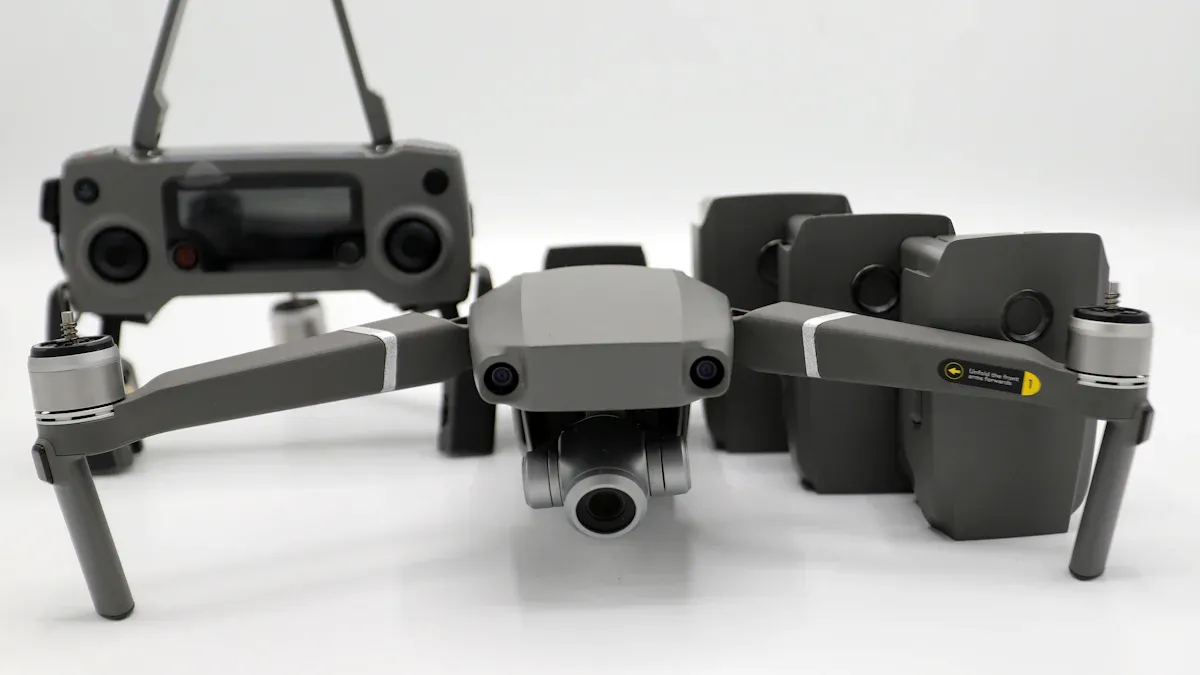
You use drone aluminum structural components to make drones strong and light. These parts hold the motors, propellers, and electronics. Aluminum makes your drone last longer. It does not rust or get damaged easily. Picking the right materials helps your drone work better and last longer. Many companies follow strict rules. For example, the AS9100 certification has rules for quality and tracking:
Certification | Description |
|---|---|
AS9100 | Sets rules for quality for aerospace companies. It helps people trust the product and makes sure it is good. It also has updates for tracking and managing risks. |
You might also see checks like CMM reports, material certificates, and first article inspections. These checks make sure the drone is safe and works well.
Drone Aluminum Benefits
Strength & Weight
You want your drone to fly high and stay strong. Drone Aluminum gives you a good mix of strength and weight. Aluminum is strong but not heavy. This means your drone parts are tough but light. Your drone can carry more things or fly longer. It does not use extra energy to lift heavy parts. Many racing drones and commercial drones use aluminum frames and arms. You get good performance and easy control.
Tip: Lighter drones use less battery and can fly longer.
Corrosion Resistance
You want your drone to last in all kinds of weather. Drone Aluminum does not rust or corrode easily. Rain, wet air, and salty air do not hurt aluminum as much as other metals. You can fly your drone near water or in wet places. You do not have to worry about the frame getting weak. This saves you money on repairs and keeps your drone safe for many flights.
Aluminum makes a thin layer that protects it from damage.
You do not need to paint or cover aluminum as much as steel.
Cost & Machinability
You want to save money and get parts that fit well. Aluminum costs less than some special materials. For example, carbon fiber is lighter and stiffer, but it costs more at first. A study showed a carbon fiber drone frame cut costs by 48% and weight by 43%. But carbon fiber can cost less over time because it needs less fixing. Plastic parts are cheaper but may not last as long or be as strong as aluminum.
Aluminum is easy to shape and cut. You can use different ways to make exact parts. Here is a table that shows common methods and how they change cost:
Machining Technique | Description | Impact on Production Cost |
|---|---|---|
CNC Machining | Computer tools make parts very exact | Cuts labor costs and makes work faster |
High-Speed Cutting (HSC) | Makes complex parts quickly | Saves time and lowers costs |
High-Performance Cutting (HPC) | Cuts better for faster work | Makes more parts and saves money |
You get strong, light, and cheap parts when you pick Drone Aluminum for your drone.
Types of Drone Aluminum Components
Frames & Plates
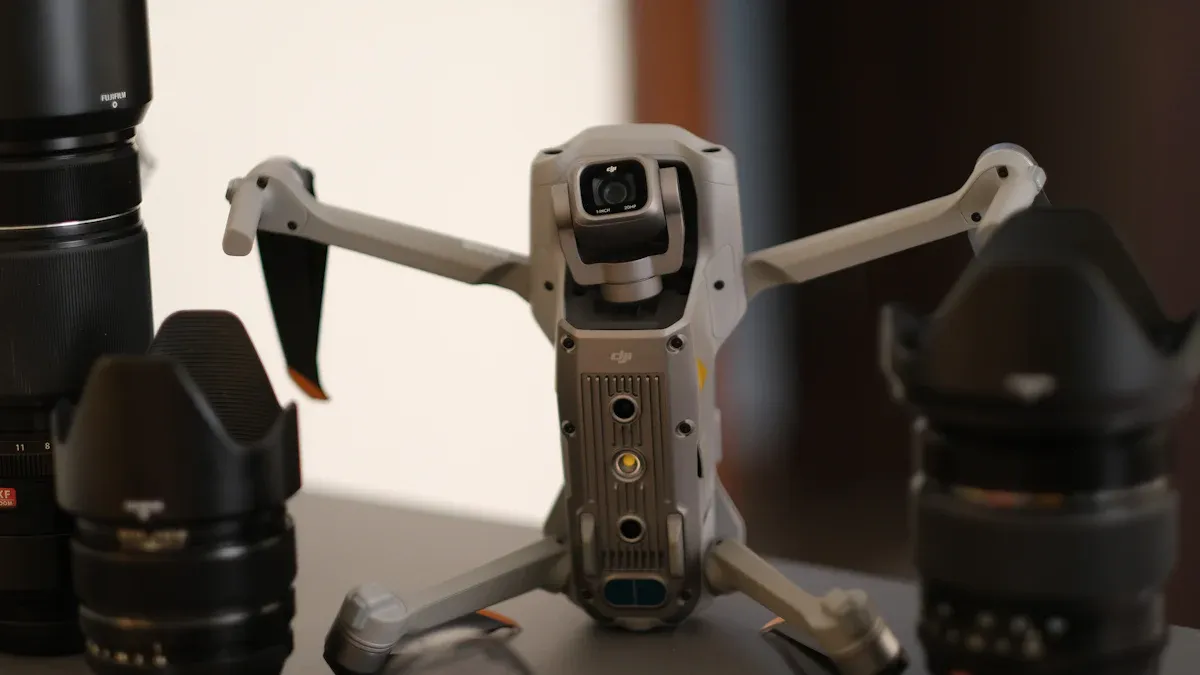
You build the main structure of your drone with frames and plates. These parts hold everything together. Frames give your drone its shape and protect the electronics inside. Plates add extra support and help spread out the weight. Most drone frames use Drone Aluminum because it is strong and light. You often see 6061 aluminum in these parts. It has good strength and resists corrosion. You can weld it easily, so you get a solid frame that lasts a long time.
Note: A strong frame keeps your drone safe during hard landings.
Arms & Booms
Arms and booms connect the motors to the main frame. These parts must be both strong and light. If you use heavy arms, your drone will not fly well. If you use weak arms, they might bend or break. You often choose between 6061 and 7075 aluminum alloys for these parts. Here is a table to help you see the differences:
Alloy | Strength-to-Weight Ratio | Corrosion Resistance | Weldability | Suitability for Drone Design |
|---|---|---|---|---|
6061 | Good | High | Excellent | General-purpose frames |
7075 | Very High | Moderate | Poor | High-stress components |
You pick 6061 for regular arms and booms. You pick 7075 when you need extra strength, like in racing drones or heavy-lift drones. 7075 gives you a very high strength-to-weight ratio, but it does not weld as well as 6061.
Motor & Propeller Mounts
Motor mounts and propeller mounts keep your motors and propellers in place. These parts must handle strong forces when the drone flies fast or changes direction. You want mounts that do not bend or twist. Drone Aluminum works well here because it holds its shape and does not add much weight. Many builders use 7075 aluminum for motor mounts. This alloy gives you extra strength where you need it most. You also find gimbal brackets and propeller shaft mounts made from these alloys. These parts help your camera stay steady and your propellers spin smoothly.
Landing Gear & Brackets
Landing gear protects your drone when it touches the ground. Brackets hold different parts together, like the camera or battery. You want landing gear that can take a hit without breaking. Drone Aluminum gives you a good mix of toughness and lightness. Most landing gear uses 6061 aluminum because it resists rust and is easy to shape. Some heavy-duty drones use 7075 for extra strength. Brackets made from these alloys keep your drone parts secure and safe.
Tip: Check your landing gear and brackets after each flight. This helps you spot damage early and keep your drone flying longer.
You see Drone Aluminum in almost every part of a drone’s structure. The right alloy helps you build a drone that is strong, light, and ready for any mission.
Manufacturing & Design
CNC Machining
You want your drone parts to fit perfectly. CNC machining helps you make exact shapes from aluminum. You use computer-controlled machines to cut, drill, and shape each piece. This method gives you smooth edges and tight fits. You can make frames, arms, and mounts with high accuracy. CNC machining works well for small batches and custom designs. You can change the design quickly if you need to. Many drone builders choose CNC machining for its speed and precision.
Tip: CNC machining lets you test new ideas fast. You can make changes and see results quickly.
Die Casting
Die casting helps you make many drone parts at once. You melt aluminum and pour it into a mold. The mold shapes the metal into the part you need. Die casting works best for large batches. You get parts that look the same and fit together well. This method saves time when you need many frames, brackets, or mounts. Die casting also helps lower costs for big projects. You can use it for simple shapes or complex designs.
Method | Best Use | Speed | Cost | Part Quality |
|---|---|---|---|---|
CNC Machining | Custom parts | Fast | Medium | Very High |
Die Casting | Mass production | Very Fast | Low | High |
Honeycomb Structures
You want your drone to be strong but light. Honeycomb structures help you do this. You use thin sheets of aluminum with a honeycomb pattern inside. This pattern looks like the cells in a beehive. The honeycomb shape spreads out force and keeps the part from bending. You find honeycomb structures in drone frames and plates. These parts hold up well during crashes and hard landings. Honeycomb designs also help you save weight, so your drone can fly longer.
Honeycomb structures give you strength without adding much weight.
You can use them in large drones or racing drones for better performance.
Surface Treatment
You want your drone to last in tough conditions. Surface treatments help protect aluminum parts from damage. You can use anodizing to make a hard layer on the surface. This layer stops rust and scratches. You can also use plasma polymer coatings. These coatings give you high thermal and chemical resistance. You can apply them to small and complex parts. Plasma coatings work as an alternative to anodizing or with anodizing for extra protection. They are safe for workers and the environment. You do not need to use wet chemicals, which can be harmful.
Plasma polymer coatings protect against corrosion.
You can use them on many shapes and sizes.
These coatings help your drone last longer in rain, salt air, and heat.
Note: Surface treatments keep your Drone Aluminum parts looking new and working well. You spend less time fixing or replacing damaged parts.
You need to think about weight, durability, and how parts fit together when you design your drone. You can mix aluminum with other materials like carbon fiber or plastic. This helps you get the best balance of strength and weight. Good design and the right manufacturing methods help your drone fly better and last longer.
Selecting Drone Aluminum Parts
Application & Payload
You need to match your drone parts to the job you want your drone to do. If you plan to carry a camera or sensors, you must check the payload. Heavy payloads need stronger arms and frames. Racing drones need light parts for speed. Delivery drones need sturdy frames for packages. You can use a simple checklist to help you pick the right parts:
What will your drone carry?
How much weight do you expect?
Do you need extra strength for rough landings?
Tip: Always test your drone with the full payload before flying far.
Environment & Durability
You must think about where you will fly your drone. Wet weather, salty air, and dust can damage parts. Drone Aluminum resists rust and corrosion, so it works well in many places. If you fly near the ocean, pick parts with extra surface treatment. If you fly in cold or hot weather, check that your parts can handle temperature changes. You want your drone to last through many flights.
Environment | Risk Factor | Best Feature Needed |
|---|---|---|
Rainy/Wet | Corrosion | Surface treatment |
Salty Air | Rust | Anodized aluminum |
Dusty | Abrasion | Hard coatings |
Extreme Temps | Expansion/Crack | Alloy selection |
Compatibility
You need to make sure your aluminum parts fit with other materials. Some drones use carbon fiber or plastic with aluminum. Check the size and shape of each part before you buy. Look at the mounting holes and brackets. You want all parts to connect without gaps. If you use mixed materials, check that they do not react with each other. Good compatibility helps your drone fly safely and makes repairs easier.
Note: Always read the part specifications and compare them with your drone’s design.
Maintenance & Longevity
Inspection Tips
You need to check your drone’s aluminum parts often to keep your drone safe and working well. Look for cracks, dents, or bends after each flight. Use your eyes and hands to feel for rough spots or sharp edges. For a deeper check, you can use special tools:
Use a surface roughness meter to measure how smooth the part feels. A smooth surface means less friction and less wear.
Try an electron microscope if you want to see tiny cracks or defects that you cannot see with your eyes. This tool helps you spot problems before they get worse.
Pay close attention to parts that handle high stress, like motor mounts and arms. Good surface quality in these areas helps prevent fatigue and damage.
Tip: Always inspect your drone after a hard landing or crash. Early checks help you fix small issues before they become big problems.
Preventing Wear
You can make your drone parts last longer by taking simple steps. Keep your drone clean and dry after each flight. Dirt and water can cause scratches or corrosion. Store your drone in a cool, dry place. Avoid leaving it in the sun for too long. Use surface treatments like anodizing or special coatings to protect the aluminum from rust and scratches. Lubricate moving parts, such as hinges or mounts, to reduce friction.
Clean your drone with a soft cloth.
Check for loose screws and tighten them.
Replace worn-out parts right away.
Extending Lifespan
You can help your drone fly longer by following a few best practices. Use high-quality aluminum parts that match your drone’s needs. Choose the right alloy for each part. Avoid overloading your drone with heavy payloads. Fly in safe weather conditions to reduce stress on the frame. Regular maintenance and careful storage add years to your drone’s life.
Maintenance Task | How Often | Why It Matters |
|---|---|---|
Inspect for damage | After flights | Stops small issues early |
Clean and dry parts | After flights | Prevents corrosion |
Lubricate moving parts | Monthly | Reduces friction |
Replace worn components | As needed | Keeps drone safe |
Note: A well-maintained drone gives you better performance and fewer repairs. Take care of your aluminum parts, and your drone will serve you well for many flights.
You make your drone work better when you use aluminum structural components. Aluminum is strong, light, and lasts a long time. These things help your drone fly well and stay safe. The table below shows how each property helps your drone:
Property | Benefit for Drones |
|---|---|
Strength | Keeps your drone together when flying |
Lightweight | Makes your drone easier to control and saves battery |
Durability | Stops damage and helps your drone last longer |
You get better results when you pick good parts and take care of them. Use these ideas for your drone projects to fly safer and longer.
FAQ
What is the best aluminum alloy for drone frames?
You often choose 6061 aluminum for drone frames. It gives you good strength and resists corrosion. You can weld it easily. Many hobby and commercial drones use this alloy.
How do you protect aluminum parts from corrosion?
You can use anodizing or plasma polymer coatings. These treatments add a hard layer to the surface. This layer stops rust and scratches. Your drone lasts longer in wet or salty air.
Can you mix aluminum with other materials in drones?
Yes, you can mix aluminum with carbon fiber or plastic. This helps you balance strength and weight. Always check that the parts fit together well and do not react with each other.
How often should you inspect aluminum drone parts?
You should inspect your drone after every flight. Look for cracks, dents, or loose screws. Early checks help you fix small problems before they get worse.
Why do racing drones use aluminum components?
Racing drones use aluminum because it is light and strong. You get better speed and control. Aluminum parts also handle crashes better than plastic.
See Also
Evaluating Robotics Materials: Steel, Titanium, And Aluminum
Lightweight Engineering: A Comparison Of Aluminium And Magnesium
Die Casting's Role In Advancing The Robotics Industry
Exploring The Advantages Of Black Anodized Aluminum
The Processes Behind Aluminum Extrusion And Die Casting
About Hunan Puka

Established in 2016 and based in Hunan, China, with a liaison point in Berlin, we are a Tier 2 supplier for the automobile industry. We specialize in the production of customized aluminum die-casting parts designed for machines with a closing force ranging from 280 to 1250 tons, with subsequent manufacturing process CNC machining and surface treatment. Our commitment to quality is reflected in our accredited quality management system, certified by ISO9001:2015 and IATF16949:2016 standards.