DIN 8586 scope explained in simple words

The DIN 8586 scope defines which bending processes you can use in manufacturing. You focus on how materials bend and change shape, not how you cut or join them. Understanding this scope helps you pick the right bending method and avoid mistakes.
If you want to follow standards and make quality products, you need to know what DIN 8586 covers.
DIN 8586 scope overview
What bending processes are included
DIN 8586 scope focuses on bending as the main process. Bending changes a material’s shape by using force. You do not cut or join the material. The standard lists different bending methods. These methods help shape metal sheets, rods, tubes, and other materials.
Here are the main bending processes in the DIN 8586 scope:
Air bending: You press the material with a punch and a die. The material does not touch the die all the way.
Bottoming: You push the material into the die. The material takes the die’s exact shape.
Roll bending: You use rollers to curve the material. The material becomes round or curved.
Rotary bending: You use a tool that spins to bend the material. This does not mark the surface.
Press bending: You use a press machine to bend the material. The bend is at a certain angle.
Tip: You can use these bending methods for many materials and shapes. DIN 8586 scope helps you pick the best method for your project.
How DIN 8586 classifies bending
DIN 8586 scope puts bending processes into clear groups. The standard sorts bending by how force is used and how the material acts. You do not have to guess which process works for you.
The classification works like this:
Bending Type | How Force Is Applied | Material Reaction |
|---|---|---|
Free bending | Force bends material freely | Material springs back |
Die bending | Material pressed into a die | Shape matches the die |
Roll bending | Rollers curve the material | Material forms a curve |
This table shows how DIN 8586 scope separates each bending process. The standard gives you a simple guide. You can match your project to the right bending method.
Note: You will not get confused if you follow DIN 8586 scope. The classification helps you work faster and make fewer mistakes.
What DIN 8586 excludes
Processes outside the scope
DIN 8586 talks only about bending processes. It does not tell you about other ways to shape or join things. If you want to know about cutting, welding, or casting, you need to check other standards.
Here are some common manufacturing processes that DIN 8586 does not include:
Cutting: You take away material with tools like saws, lasers, or water jets. DIN 8586 does not talk about how to cut.
Joining: You put two or more parts together. Welding, soldering, and glue are not in the DIN 8586 scope.
Casting: You pour melted metal into a mold to make a shape. This is not part of DIN 8586.
Forming by stretching or drawing: You pull or stretch material to change its shape. DIN 8586 does not talk about these ways.
Machining: You use machines to take away material, like drilling or milling. These are not bending processes.
Note: If your project uses any of these ways, do not use DIN 8586 for help.
Limitations of the standard
You should know what DIN 8586 cannot help with. The standard only helps with bending. It does not tell you about machine settings, safety rules, or what materials are like. You will not find step-by-step directions for making something.
Here is a quick table to show what DIN 8586 covers and what it leaves out:
Covered by DIN 8586 | Not Covered by DIN 8586 |
|---|---|
Bending processes | Cutting, joining, casting |
Bending methods | Machine setup, safety rules |
Classification | Material testing, inspection |
If you want to do other steps in manufacturing, you need to look at other standards. DIN 8586 tells you about bending, but you need more help for everything else.
Remember: Knowing what DIN 8586 does not cover helps you avoid mistakes and pick the right standard for your work.
Why DIN 8586 scope matters
Importance for manufacturers
You need to understand the DIN 8586 scope if you work in manufacturing. This knowledge helps you choose the right bending process for your materials. When you know what the standard covers, you avoid using the wrong method. You save time and money because you do not waste resources on mistakes.
Manufacturers often face many choices. You might wonder which bending process fits your project. The DIN 8586 scope gives you clear answers. You can match your needs to the correct process. This makes your work easier and safer.
Here are some practical benefits for you:
You reduce errors by following the standard.
You improve your production speed.
You make products that meet quality requirements.
You help your team understand which bending methods to use.
Tip: If you teach others about bending, use the DIN 8586 scope as a guide. It keeps everyone on the same page.
Impact on compliance and quality
You must follow standards if you want to meet industry rules. The DIN 8586 scope helps you stay compliant. When you use the right bending process, you meet legal and customer requirements. This protects your business from problems.
Quality matters in manufacturing. You want your products to look good and work well. The DIN 8586 scope helps you reach high quality. You use the correct process, so your products stay strong and reliable.
Benefit | How It Helps You |
|---|---|
Compliance | Meets industry standards |
Quality | Improves product strength |
Efficiency | Speeds up production |
Note: If you follow the DIN 8586 scope, you build trust with customers and partners. They know you use proven methods.
Examples of DIN 8586 application
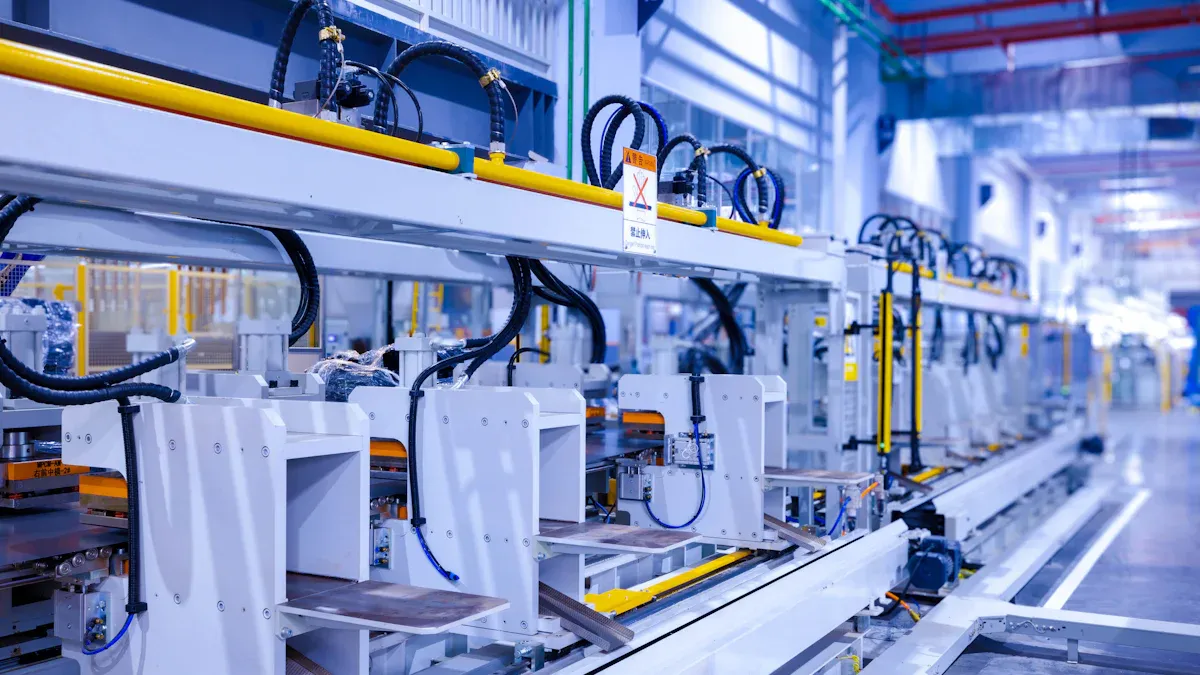
Where DIN 8586 applies
You can use DIN 8586 when you need to bend materials in manufacturing. The standard helps you choose the right bending process for your project. Here are some easy-to-understand examples:
Sheet metal bending: You want to make a metal box. You use a press brake to bend the sheet metal. DIN 8586 guides you on which bending method fits best.
Tube bending: You need to curve a metal tube for a bike frame. You use roll bending or rotary bending. DIN 8586 covers these processes.
Rod bending: You shape steel rods for construction. You use a bending machine. DIN 8586 tells you how to classify the bending process.
Making brackets: You bend flat metal strips to make brackets for shelves. DIN 8586 helps you pick the right bending method.
Tip: If you work with metal, plastic, or other materials and need to bend them without cutting or joining, DIN 8586 gives you clear guidance.
Here is a table to show where DIN 8586 applies:
Scenario | DIN 8586 Applies? | Covered Process |
|---|---|---|
Bending sheet metal | ✅ | Air bending, bottoming |
Curving metal tubes | ✅ | Roll bending, rotary bending |
Shaping steel rods | ✅ | Press bending |
Where DIN 8586 does not apply
You should not use DIN 8586 for processes that do not involve bending. The standard does not help with cutting, joining, or other ways to shape materials. Here are some examples:
Laser cutting: You cut shapes out of metal sheets with a laser. DIN 8586 does not cover this process.
Welding parts together: You join two metal pieces by welding. DIN 8586 does not apply.
Casting metal: You pour melted metal into a mold. DIN 8586 does not guide you here.
Stretching material: You pull metal to make it longer. DIN 8586 does not include this process.
Note: If your project needs cutting, joining, or stretching, you must use a different standard.
Here is a quick table to show where DIN 8586 does not apply:
Scenario | DIN 8586 Applies? | Reason |
|---|---|---|
Laser cutting | ❌ | Not a bending process |
Welding | ❌ | Joining, not bending |
Casting | ❌ | Forming by pouring |
Stretching metal | ❌ | Not covered by DIN 8586 |
You can avoid mistakes by checking if your process matches the DIN 8586 scope. If you only bend materials, the standard fits your needs. If you use other methods, look for another standard.
DIN 8586 talks about bending in manufacturing. It does not include cutting or joining. Other methods are not part of this standard. You should know what is inside and outside the standard. This helps you make good choices and not make mistakes.
If you want to learn more, look at the DIN 8586 document or ask someone who knows about manufacturing standards.
Look at the DIN 8586 standard for all the details.
Ask an expert if you have questions about bending.
FAQ
What is DIN 8586 mainly used for?
DIN 8586 helps you understand and choose the right bending process in manufacturing. You use it when you need to bend materials like metal sheets, rods, or tubes.
Does DIN 8586 cover cutting or welding?
No, DIN 8586 does not cover cutting or welding.
You should use other standards for those processes.
Can I use DIN 8586 for plastic materials?
You can use DIN 8586 for bending plastics if the process matches the standard’s bending methods. Always check if your material and method fit the scope.
Why should I follow DIN 8586 in my project?
You avoid mistakes.
You meet quality standards.
You make your work easier and faster.
Where can I find more details about DIN 8586?
Source | How to Access |
|---|---|
Official document | Buy from DIN website |
Manufacturing expert | Ask for advice |
See Also
A Comprehensive Guide to Taper and Angle Evaluation
Exploring Casting Shrinkage and Machining Allowance Concepts
The Significance of DFDC in the Automotive Industry
A Detailed Approach to Die Casting CAD Design Process
Understanding Die Casting Slides: Their Role and Importance
About Hunan Puka

Established in 2016 and based in Hunan, China, with a liaison point in Berlin, we are a Tier 2 supplier for the automobile industry. We specialize in the production of customized aluminum die-casting parts designed for machines with a closing force ranging from 280 to 1250 tons, with subsequent manufacturing process CNC machining and surface treatment. Our commitment to quality is reflected in our accredited quality management system, certified by ISO9001:2015 and IATF16949:2016 standards.