Powering Safety: The Role of Dielectric Coatings in Electric Vehicles

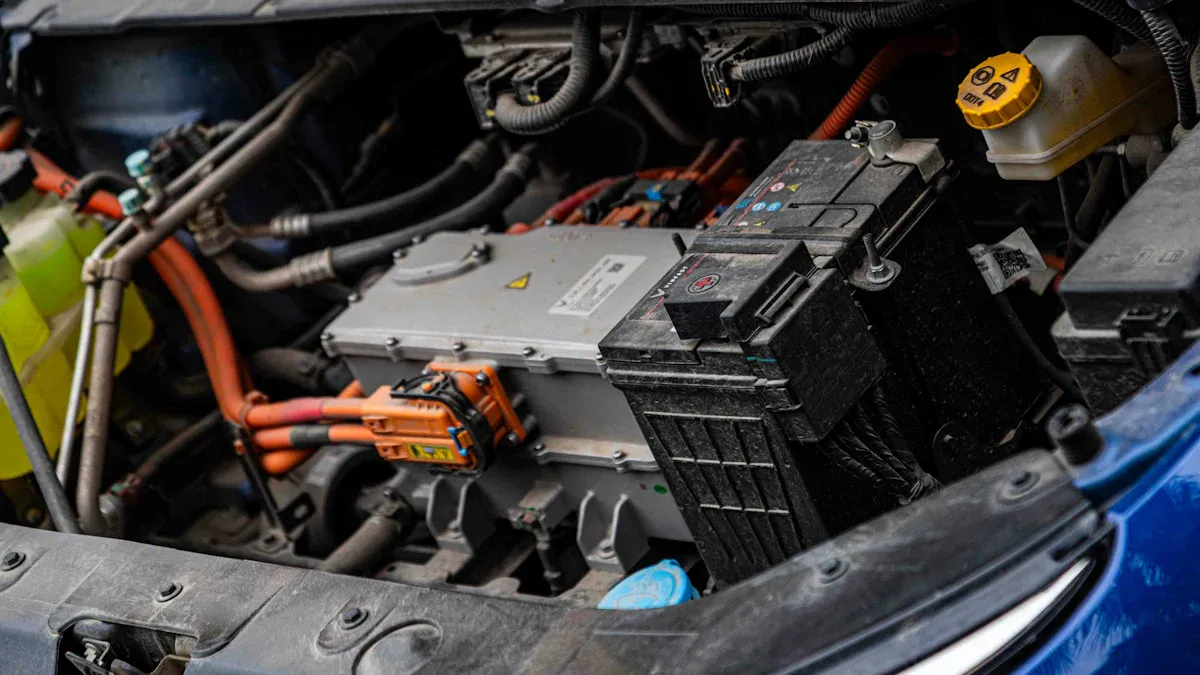
High-voltage electric systems need great protection for safety. Advanced dielectric coatings keep key parts safe. They stop electrical arcing and short circuits. They also prevent thermal runaway. These special materials improve insulation. They help manage heat across power systems in electric vehicles.
Bad insulation creates big dangers for high-voltage batteries and electric powertrains.
The market for electric vehicles is growing fast now. New surface coating technology offers lasting trust. Car makers rely on these strong solutions. They protect new vehicles to win the market.
Functional Benefits of Coatings in Electric Vehicles
New electric cars pack high-voltage parts tightly. Metal pieces sit very close together. Specialized dielectric films fix small space problems. They also offer important safety benefits.
Electrical Insulation and Arcing Prevention
High voltage brings severe arcing risks. Dielectric coatings create a thin safety layer. They cover copper and aluminum parts well. These special films stop dangerous voltage jumps.
Safety Insight: A thin dielectric layer stops huge voltage jumps. It handles over 5,000 volts easily. It prevents arcing without adding bulk.
Car makers use these dielectric materials daily. They stop short circuits in power units. This protection keeps power moving smoothly always.
Intumescent Fire Protection for Battery Systems
Lithium-ion battery packs need top heat protection. Intumescent coatings act like strong shields. They protect batteries during sudden heat failures.
Normal Operation  --> Thermal Runaway Event --> Chemical Swelling --> Insulating Char Layer
(Thin Layer)          (Heat Spike)             (Expands 10-100x)     (Blocks Flame/Heat)
This fast expansion follows a clear sequence:
Heat Sensing: The surface absorbs high heat quickly.
Chemical Expansion: The material swells into thick foam.
Heat Blocking: The thick layer blocks heat movement.
This quick swelling stops fast fire spread. It gives people time to leave safely.
Silicone-Based Thermal Stability Under Extreme Heat
Car powertrains get very hot during drives. Silicone-based dielectric coatings stay strong in heat. They work well above 200°C continuously.
Feature | Standard Polymer Insulation | Silicone-Based Coating |
|---|---|---|
Thermal Limit | 105°C - 130°C | 200°C - 250°C+ |
Flexibility Under Heat | Becomes brittle | Remains elastomeric |
Environmental Shielding | Minimal moisture barrier | Superior corrosion prevention |
These bendable silicone coatings protect electronic parts. They guard against sudden temperature jumps. They also block water and harsh chemicals.
Tribological Coatings for Low Friction and Dielectric Shielding
Moving motor parts need friction control. They need strong electrical insulation too. Specialized tribological coatings do both jobs well.
Engineers use these smooth coatings often:
They lower friction on spinning car parts.
They stop unwanted stray electrical currents.
These clever coatings boost car efficiency greatly. They help key parts last longer too.
Safety Applications Across Electric Powertrain Components
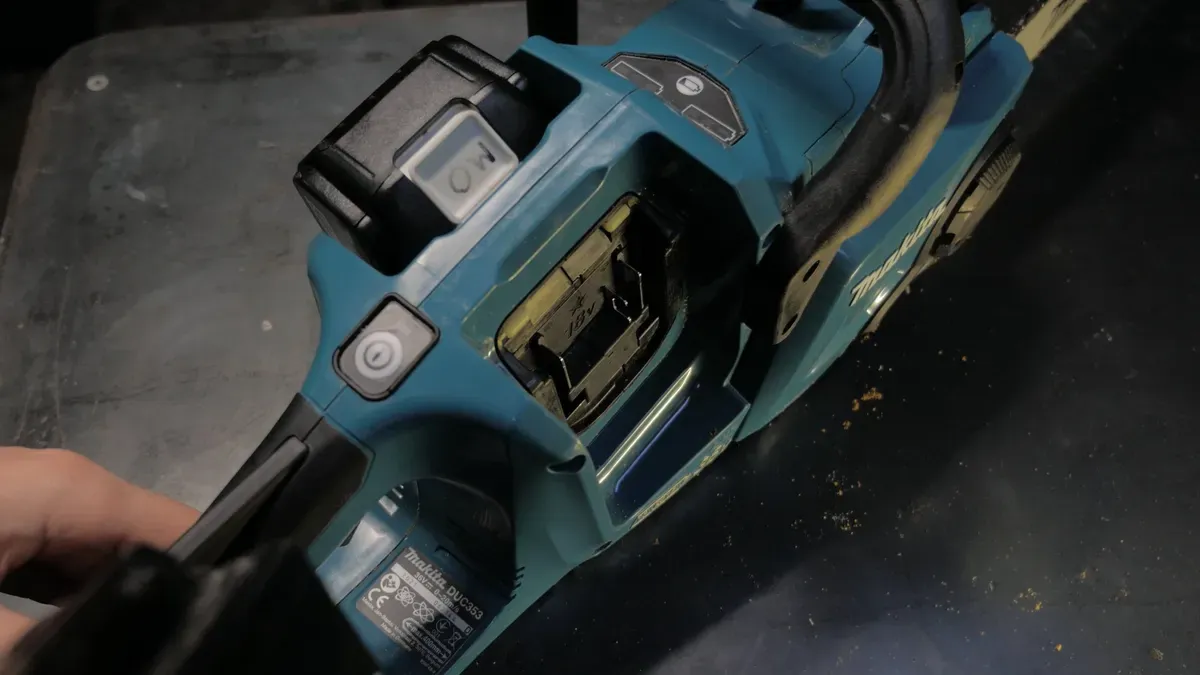
Car engineers build high-voltage setups safely. New electric vehicles use special barriers. They shield power parts from dielectric failure.
Battery Cell Enclosures and Thin-Film Protection
Modern power systems use fast battery tech. Engineers wrap batteries in small aluminum boxes. This trick boosts total energy storage capacity. Yet close batteries need strong dielectric guards. Thin dielectric coatings cover all metal areas. They work great without adding heavy weight.
Design Tip: Very thin plastic layers aid heat flow. They isolate high-voltage battery boxes completely.
Factories spray smooth dielectric coatings on batteries. This shield guards nearby cells from high voltage.
Busbar Insulation for High-Current Power Distribution
High-voltage bars send power to drive parts. Experts compare ways to cover these bars. Powder coating works better than old plastic tubes.
Parameter | Heat-Shrink Tubing | Powder Coating (Epoxy) |
|---|---|---|
Spatial Efficiency | Needs big space; adds huge bulk | Saves interior space; allows smaller boxes |
Thickness Uniformity | Uneven after heating; leaves gaps | Smooth, even guard on all sides |
Complex Shape Application | Poor; leaves air pockets on bends | Great; sticks well to complex shapes |
Thermal Risk | Air pockets trap heat inside | Direct contact lowers heat traps |
Smooth powder builds tight guards over metal. It removes air gaps for faster charging. Also, direct material contact aids heat cooling:
Thermal Transfer Optimization: Balances power safety with good heat flow.
Geometric Heat Dissipation: Increases cooling area with special coating shapes.
Radiation Enhancement: Uses unique powders to release extra heat.
Thermal Resistance Reduction: Cuts heat blocks across joint points.
Electric Motor Hairpin Winding Insulation
New engines use hairpin designs for power. Small motors shake fast and make magnetic fields. Engineers use strong dielectric liners and resins. These liquids coat and protect tight copper wires.
⚡ Performance Insight: Hairpin motors fill slots well. Packed wires need perfect edge insulation.
These smart coatings stop short circuits inside motors. The strong material resists hard shakes during acceleration. Also, heat-proof coatings protect copper pins under stress. Good slot insulation builds better car reliability.
Advanced Dielectric Solutions for the EV Market
Solvent-Free Powder Coating Techniques
Powder coating options help the growing EV market. Chemical teams make materials without harmful solvents. These clean coatings boost factory sustainability. Engineers put epoxy powder on high-voltage busbars. This solid layer stops strong electric heat. It gives maximum insulation to modern cars.
Thin dielectric coatings protect heavy battery packs. These dielectric coatings shield parts from heat damage. They stop rust and keep energy efficiency high. They add zero extra weight to small packs. Lighter weight helps extend EV driving range. Also, thin layers protect against water well. Great rust protection keeps power cells safe inside.
Automated Application for High-Volume Production
Automated sprays now lead the global car market. Robots apply dielectric coatings with high precision. Fast lines serve the growing EV market easily. Coatings insulate busbars fast in continuous processing units. Factories use inline inspection tools on fast lines:
CHRocodile Optical Sensors: These tools track clear coating layers in cleanrooms.
Enovasense Laser Photothermal Technology: Small probes measure layer thickness without touching parts.
These smart quality systems stop surface defects completely. Safe cell insulation prevents battery short circuits. Automated plants protect high-voltage power systems well. So, top makers choose these methods today. Engineering teams advance these smart EV solutions.
Long-Term Durability in High-Voltage Vehicles
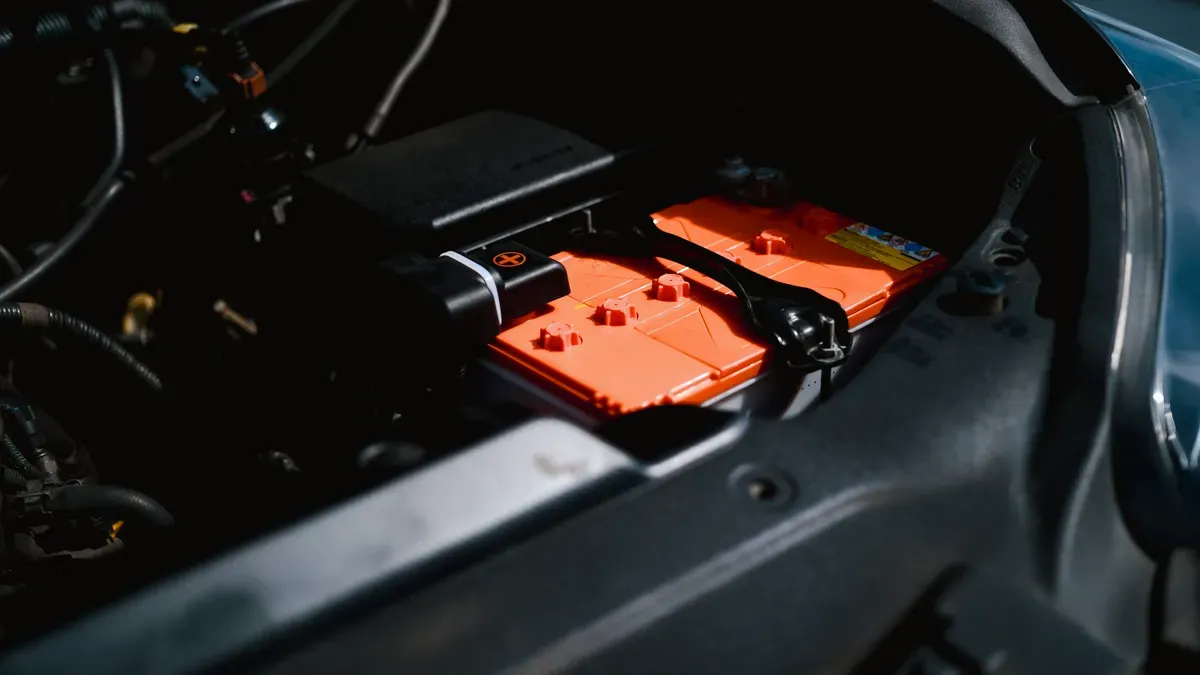
High-voltage systems need reliable parts. Good parts keep cars running well. Road stress tests car strength daily. Harsh weather affects vehicle parts too. High-tech coatings protect power networks. They offer essential long-term defense.
Resistance to Mechanical Stress and Vibration
Rough roads shake moving drive systems. Strong shakes rattle inside parts daily. Bendable coatings absorb shocks very well. They stop tiny cracks on metal.
🛡️ Durability Alert: Strong material grip stops coating peeling. It shields critical wires during fast drives.
Engineers use flexible guards on batteries. These layers hold tight under strain. So, special coatings block water completely. They also resist chemicals and rust.
Dielectric Breakdown Prevention Across Lifecycle Operations
High-voltage setups run under constant heat. Old insulation breaks down over time. Strong dielectric barriers resist high voltage. They endure thousands of charge cycles.
Operating Stress Factors (Heat + Vibration + Moisture)
                      │
                      ▼
    [High-Performance Coating Shield]
                      │
                      ▼
   Prevents Surface Tracking & Delamination
                      │
                      ▼
  Long-Term Dielectric Safety & Reliability
Durable treatments improve car performance in weather:
Matching heat expansion prevents layer peeling.
Strong water guards block metal rust.
High dielectric strength stops stray currents.
Good prep prevents early insulation failure. Modern motors stay safe for years. Smart materials protect high-voltage packs always.
This dielectric coating shields high voltage well. It boosts system efficiency and car performance. New electric vehicles use higher battery voltages. These systems need new protection methods:
Bigger Daily Needs: Moving to 800V setups challenges parts. Coatings must offer great dielectric strength. They need high toughness too.
Thicker Protective Layers: High voltage needs thicker guards. Strong layers survive heavy daily stress.
Engineers must choose smart dielectric items now. These tools boost sustainability in EV sales. Strong coatings help the car industry. They keep new cars very safe.
FAQ
Why do electric vehicles need dielectric coatings?
Big power systems risk spark jumps. Special coatings cover metal parts well. They stop bad shorts and fires.
💡 Key Takeaway: These smart layers save power. They keep high-voltage parts safe.
How do powder coatings help the global EV market?
Powder coating gives clean insulation to power bars. The rising EV market uses epoxy powders for fast factory work.
Apply Powder ➔ Heat Up ➔ Smooth Safety Shield
These small layers handle hot heat. They stop electric fails during drives.
Which parts need thin dielectric coatings?
Workers put thin films on battery boxes, power bars, and motor pins. These small films shield electric vehicles from big heat spikes. They stop current leaks in tight motor parts. They add no extra weight.
What pushes new coating use in cars?
Strict safety rules force new car tech. Higher car power needs stronger insulation. Supply teams make more goods. They fill huge needs in the growing EV market.
Driver | Primary Benefit |
|---|---|
800V Architectures | Better insulation strength |
Automated Lines | Faster coating speed |
See Also
How Smart Temperature Control Extends Electric Vehicle Battery Longevity
Exploring The Crucial Role Of DFDC In Modern Vehicle Engineering
Boosting The Overall Strength Of Diecast Parts Using Quality Electroplating
Latest Innovations In Vehicle Bracket Engineering For Next Generation Cars
Eco Friendly Advantages Of Using Organic Coatings In The Future
About Hunan Puka

Established in 2016 and based in Hunan, China, with a liaison point in Berlin, we are a Tier 2 supplier for the automobile industry. We specialize in the production of customized aluminum die-casting parts designed for machines with a closing force ranging from 280 to 1250 tons, with subsequent manufacturing process CNC machining and surface treatment. Our commitment to quality is reflected in our accredited quality management system, certified by ISO9001:2015 and IATF16949:2016 standards.