Dielectric Coatings for Advanced Electronics and Industrial Surface Protection

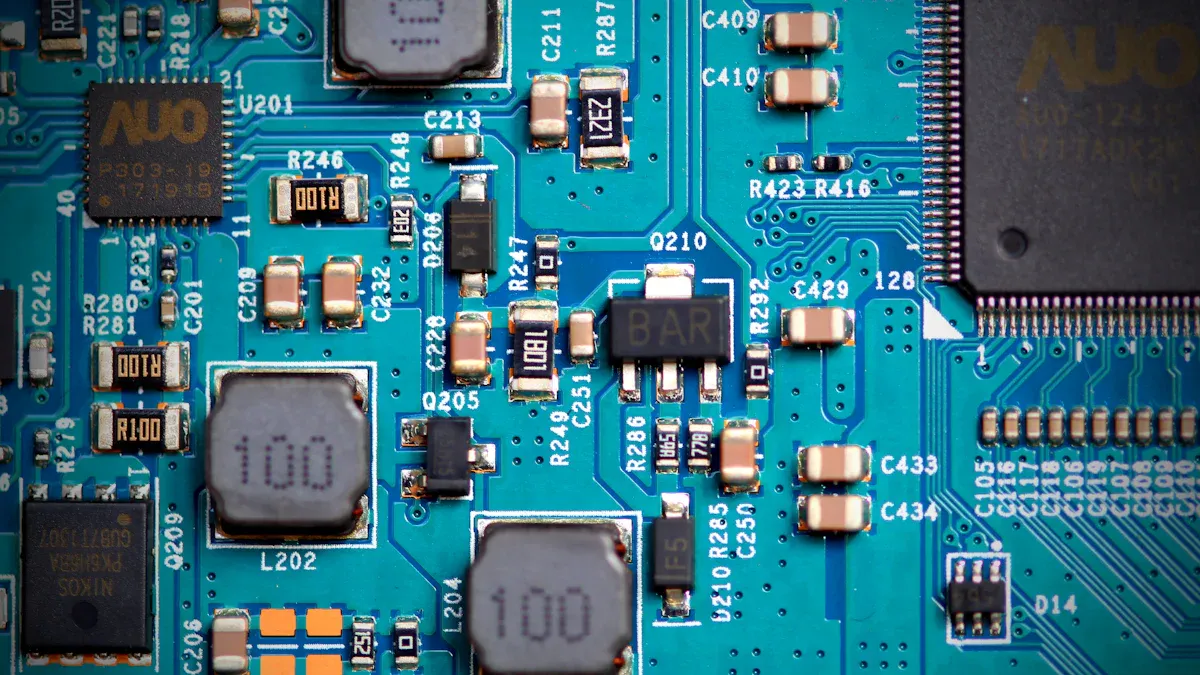
Dielectric insulation coatings form a non-conductive barrier. This barrier stops electrical current flow. It delivers reliable dielectric strength. This helps small microelectronics work well. The coating protects against water and chemicals. It also stops damage from heat. Advanced surface protection strategies improve performance. This works under high voltage.
Engineers apply electrical insulation to defend signal paths. A accurate dielectric coatings application prevents arcing. This protects heavy industrial equipment. Furthermore, each tough coating shields parts from heat. This constant defense reduces maintenance needs. It also cuts down on downtime.
Core Dielectric Physics and Technical Metrics
Understanding Dielectric Strength and Breakdown Voltage
New electrical devices need strong dielectric properties. They stop bad current. A tight non-conductive barrier stops arcing. Power paths stay safe. This surface coating formula works well. It offers strong high voltage resistance. Circuits stay protected. Engineers test electrical insulation capability. They use dielectric strength metrics. Low dielectric constant values boost speed. High-frequency signals move faster.
Parameter | Property Trend | Impact on Signal Transmission |
|---|---|---|
Dielectric Constant (Dk) | Lower Dk | Signals travel much faster. Circuit performance improves. |
Dissipation Factor (Df) | Lower Df | Signal loss drops down. Signals stay very clear. |
Better signals help capacitors store energy. They keep microelectronics safe too.
Film Thickness, Porosity, and Surface Uniformity
Film thickness sets voltage safety levels. Works use pulsed direct current. They deposit silicate materials for corrosion protection. Engineers add nanocomposites inside each protective coating layer. Nanocomposites seal tiny surface holes. They destroy tiny microscopic porosity. Smooth protective coating layer builds tough mechanical resistance. Wear stays low. Matrix-bound nanocomposites strengthen thin-film packaging systems. These nanocomposites block moisture ingress completely. Sensitive electronic packaging designs stay safe. They work well everywhere.
High dielectric values create bad crosstalk. Lines get noisy. Good trace spacing fixes signal paths.
Thermal Management and Mechanical Resilience
Hot heat harms electrical insulation over time. Power packaging systems need strong protection. Modern dielectric insulation coatings resist hot heat. They stay very strong. Blending ceramic nanocomposites with polymer formulations spreads heat. Active nanocomposites stop annoying micro-cracking during temperature changes. Equipment trusts protective insulation coatings for corrosion protection. Special nanocomposites increase tough structural resilience under stress. The right insulation layer raises dielectric strength. Heat stays under control. Thus, active nanocomposites lift long-term thermal performance. They protect industrial tools.
Material Architecture: 1K vs. 2K Systems
Single-Component Formulations: Curing and Convenience
Simple 1K polymer formulas make factory packaging easy.
Workers put coatings right on base parts.
Air wetness or light hardens the liquid fast.
Makers mix special nanocomposites inside for strength.
These nanocomposites fill tiny empty spaces inside.
Added nanocomposites boost electrical dielectric insulation power.
New nanocomposites stop small cracks during assembly.
Custom nanocomposites improve dielectric insulation for quick jobs.
Tightly linked polymers keep insulation steady during use.
Two-Component Formulations: Chemical and Thermal Defense
Two-part epoxy systems resist heat and chemicals well.
Resin mixes with a hardener in exact amounts.
This mix causes a strong chemical reaction.
The reaction builds a tough internal grid network.
This network creates high physical strength.
It keeps dielectric strength stable in extreme heat.
It handles heat from –40°C to +180°C.
It blocks harsh factory fluids and car liquids.
It stops damage from oil, fuel, and brake fluid.
Note: Workers mix resins right before spraying them.
Heat Endurance: EP 5503 with EH 5908 stays solid.
Thermal Enhancement: Extra heat baking builds a stronger internal network.
Engineers mix reactive nanocomposites into the liquid base.
These active nanocomposites boost electrical safety in heat.
Also, built-in nanocomposites stop rust in damp spaces.
Performance Comparison in Extreme Environments
Engineers choose tough coatings to guard heavy tools.
Two-part polyurethanes create a strong non-conductive barrier.
They block aggressive chemicals and steady rust.
Advanced nanocomposites give these layers high strength.
Inside nanocomposites stop spotty rust in tough spots.
This protective coating layer stops dielectric breakdown during work.
System / Material | Operational Temperature Range / Rating | Chemical & Environmental Resistance |
|---|---|---|
Polybutadiene-modified 2K Polyurethane (PU 4515) | -60 °C to +150 °C | Withstands acidic, alkaline, and moist environments |
Hard Polyurethane System (PU 4537) | Heat class F (155 °C) | Resists hydrolysis, oils, and general chemicals |
These setup choices offer strong electrical insulation shields.
They ensure safe long-term defense for delicate electronics.
Great rust defense makes tools last much longer.
Key Dielectric Coatings Application in Electronics and Industry
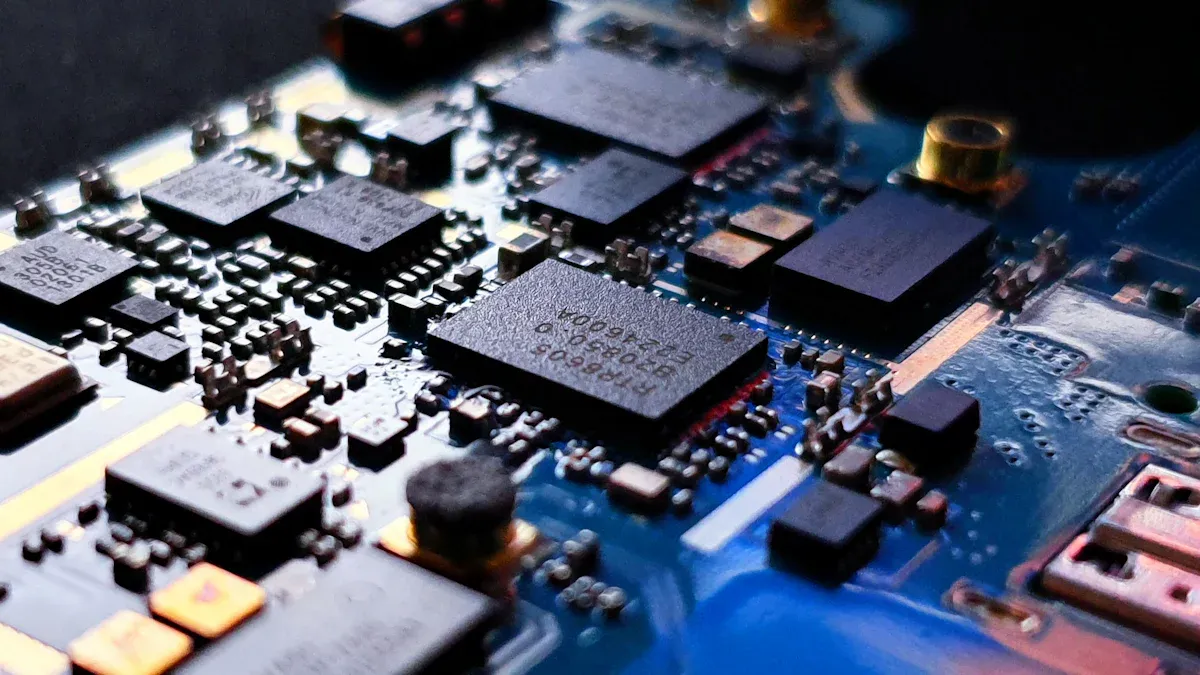
Display Technologies, Sensors, and Camera Modules
Tech display tools need precise electrical insulation.
Engineers place nanocomposites inside tiny camera modules.
Active nanocomposites seal optical sensors from water.
⚡ Technical Tip: Thin layers stop signal noise in packaging.
A dielectric insulation layer blocks stray current inside.
This clear layer stops inner noise very well.
Display tools use this dielectric coatings application.
It makes signals clear.
New nanocomposites raise dielectric strength in systems.
Electric Vehicle Batteries and Power Electronics
High-voltage battery setups need strong heat defense.
Factories apply dielectric insulation coatings on power tools.
These special layers shield delicate electronics from heat.
Engineers mix nanocomposites into the fluid base.
This improves insulation power.
Arc Prevention: Protective nanocomposites block dangerous arcing in batteries.
Thermal Isolation: Advanced nanocomposites spread heat across battery cells.
Industrial battery sets gain from this application.
Special layers guard critical electrical paths under stress.
Strong nanocomposites protect power units from shorts.
Heavy Machinery, Radar Sensors, and Capacitors
Harsh plant areas expose heavy tools to dirt.
Workers shield industrial radar sensors with nanocomposites.
Built-in nanocomposites boost insulation inside high-voltage capacitors.
These active nanocomposites prevent dielectric breakdown during work.
Target Component | Shielding Function | Primary Benefit |
|---|---|---|
Industrial Radar Sensors | Moisture & Corrosion Defense | Steady Signal Transmission |
High-Voltage Capacitors | Electrical Insulation | Improved Equipment Reliability |
This dielectric coatings application builds strong equipment reliability.
Heavy factory tools maintain steady work under strain.
Tough insulation guards factory gear against power surges.
Key electric uses need high protection for tools.
Factories trust these shields for long-term safety.
Selection Rules and Factory Setup
Surface Prep and Sticky Factors
Engineers check big rules for metals or polymers.
Active nanocomposites fill tiny surface holes.
These nanocomposites boost physical strength.
They stop rust under polymer films.
Big rules guide material choice for machines:
Electrical Properties: High dielectric strength stops total electrical breakdown.
Thermal & Mechanical Compatibility: Matching heat growth stops layer peeling under stress.
Environmental Protection: Low water intake keeps safe power paths over time.
Surface & Processing Dynamics: Surface energy tuning helps layers stick tight.
How to Apply: Spray, Dip, and Dispense
Engineers pick methods based on shape and needs.
Workers spray polymer fluids on flat circuits.
Robots place fluid nanocomposites on exact spots.
Dipping drops full parts into liquid vats.
Tip: Dispensing liquid nanocomposites shields tiny electric paths.
Each application method builds smooth coverage.
New nanocomposites boost heat control.
They block fast rust.
Special nanocomposites keep liquid stable during work.
These methods shield key factory tools.
Good thickness improves dielectric coatings application results.
Safety Rules and Standards (UL94 V-0)
Strict rules guide plant building tasks.
A dielectric coatings application needs fire tests.
New nanocomposites help every layer pass tests.
Built-in nanocomposites soak up heat from flames.
Materials must pass UL 94 V-0 tests:
Samples stop burning within ten seconds after two fires.
The material drops no fire sparks during tests.
Mixing nanocomposites gives long electrical insulation.
Active nanocomposites keep parts strong in heat.
Safe coatings keep factories safe every day.
Modern dielectric coating options balance essential electrical insulation. They spread heat. They offer environmental protection. Single-component formulations offer operational convenience. Two-component systems deliver high chemical resistance. Engineering teams evaluate dielectric limits. They check substrate parameters. They test electrical voltage thresholds. They review environmental hazards. Proper insulation choices boost equipment performance. They ensure long-term industrial reliability.
FAQ
What is the main purpose of a dielectric coating?
Dielectric coatings stop bad electrical flow.
They block power between parts.
They offer strong high-voltage insulation.
This protection stops dangerous spark arcs.
It shields delicate parts from water.
It also guards against heat.
⚡ Core Function: Dielectric coatings give safe electrical isolation. They provide tough physical protection.
How do 1K and 2K dielectric systems differ?
One-part systems cure very fast.
Air wetness or light dries them.
They suit quick assembly lines.
Two-part systems mix two liquids.
A resin reacts with hardener.
They build a tough grid.
They resist harsh factory chemicals.
They stand up to extreme heat.
They also offer high durability.
What role do nanocomposites play in dielectric coatings?
Makers add functional nanocomposites into liquids.
These nanocomposites seal tiny surface pores.
Electrical Defense: They boost dielectric breakdown strength.
Thermal Control: They spread hot heat well. They prevent tiny surface cracks.
Corrosion Protection: They block water paths completely. Moisture cannot touch metal.
Why is the UL94 V-0 standard important for dielectric coatings?
The UL94 V-0 rule tests fire safety.
It protects important power electronics.
Approved coatings stop burning fast.
Flames die within ten seconds.
The material drops no hot sparks.
This test proves total safety.
It keeps tools safe in heat.
See Also
Essential Chemical Surface Treatment Methods For Effective Metal Purification
Exploring DFDC Technology And Its Critical Value In Automotive Manufacturing
How Organic Coatings Provide Sustainable Eco Friendly Benefits In 2025
Boosting The Long Term Durability Of Diecast Products Through Electroplating
Why Metal Substrate Materials Are Vital In Today Modern Industry
About Hunan Puka

Established in 2016 and based in Hunan, China, with a liaison point in Berlin, we are a Tier 2 supplier for the automobile industry. We specialize in the production of customized aluminum die-casting parts designed for machines with a closing force ranging from 280 to 1250 tons, with subsequent manufacturing process CNC machining and surface treatment. Our commitment to quality is reflected in our accredited quality management system, certified by ISO9001:2015 and IATF16949:2016 standards.