Cost reduction strategies in aluminum casting

Cost reduction strategies help a lot in aluminum casting. You can spend less money by using design for manufacturability. You can also save by making tooling costs better. Picking materials that cost less helps too. Many places use new technology to save money. They also make energy use better and watch performance for savings. The table below lists ways to save money and fix things for less. Making things in a green way and easy assembly help save more. These also help the environment. Design choices, aluminum mega cast processes, and extrusion methods help with saving money. They also help with being green.
Strategy | Description |
|---|---|
Technology Upgrades | Using energy-saving machines and voltage systems lowers repair costs. |
Energy Efficiency Improvements | LED lights and airflow systems help save money and are good for the planet. |
Innovative Material Usage | Using recycled aluminum and better processes cuts tooling costs and waste. |
Quality Control | High standards mean fewer repairs and less customer returns. |
Water Management | Using water carefully saves money and helps the environment. |
Logistical Optimization | Better transport makes things work well and saves money. |
Performance Monitoring | Watching key numbers helps save money and gives cost benefits. |
Cost reduction strategies in process design
You can save money in aluminum casting by using smart process design. If engineers work together early, you can find ways to make parts simpler. Simple parts use less material and take less time to make. This also helps you avoid mistakes that waste material.
Simplify part design
Simple designs help aluminum casting work better. You can take away extra features and sharp corners. This means you use less material and finish faster. Picking a simple shape lowers the chance of problems. It also makes cooling and solidification easier to control. Good cooling circuits give you better casting quality. Your aluminum parts get a fine-grained structure.
Tip: Talk with your design team early. You can find hard areas and fix them before you start making parts.
Consolidate components
You can save money by putting many parts into one casting. This means you need fewer molds and less assembly work. Fewer parts lead to less wasted material and lower labor costs. The extrusion process is smoother with fewer pieces. When you combine parts, you skip extra machining and finishing. This helps you spend less and deliver faster.
Here is a table that shows how process design optimization helps you save:
Benefit | Description |
|---|---|
Improved Casting Quality | Regulated cooling circuits give cast parts a fine-grained structure. |
Reduced Energy Costs | Water cooling can cut energy costs by about 64%. |
Lower Production Costs | Low pressure casting saves resources and lowers production costs. |
Reduce undercuts and cores
Undercuts and complex cores make aluminum casting harder and cost more. You can change parts to avoid deep undercuts. This lets you use easier molds and fewer special tools. Using fewer cores saves material and labor. You also have less scrap and rework.
You save a lot by using less energy, water, and waste disposal.
You get better product quality and less downtime with water-free technology.
You help the planet by using less material and fewer resources.
Low pressure casting helps you save resources. This method lowers costs and makes better aluminum parts. When you focus on process design, you make production faster and greener. You also help your team avoid mistakes and keep costs low.
Material management for aluminum casting
Smart material management helps you save money. It also makes your aluminum casting process better. You can pick the right alloys, recycle, and watch your inventory. These steps help you use less material. You also spend less money when making things.
Sourcing cost-effective alloys
You can pick alloys that are strong but not expensive. Aluminum and magnesium alloys are light and strong. These alloys help you make lighter parts. You also use less material. People who buy materials handle a lot of money in aluminum parts. Choosing the best alloy can change your total cost. You can use casting instead of solid aluminum blocks. This switch can lower your costs by 40%. You also spend 70% less time on machining. Picking the right alloys helps your casting and extrusion work better.
Aluminum recycling and reuse
Recycling aluminum saves money and helps the earth. You can use scrap from your casting process again. Using scrap from your own plant means you need less new aluminum. Reverse logistics lets you collect used material for recycling. This step cuts down on waste and saves money. Recycling aluminum also uses less energy. Many factories sort and clean scrap material. You can melt and cast recycled aluminum into new parts. This way, you help the planet and keep your work running well.
Tip: Start a recycling program in your plant. You will have less waste and spend less money.
Inventory control for cost savings
You can control your inventory to save money. Use Just-In-Time (JIT) to order aluminum only when needed. Lean inventory helps you keep less stock and work better. RFID and IoT devices help you track your material all the time. These tools stop you from running out or having too much. You save space and money by managing your inventory well.
Method | Description |
|---|---|
Just-In-Time (JIT) | Orders raw material when needed to keep inventory low and cut waste. |
Lean Inventory Practices | Reduces extra stock and helps you work better. |
RFID and IoT Devices | Tracks inventory in real time to stop running out or having too much. |
Good material management helps you use less aluminum and save money. You can make your casting and extrusion work better by focusing on alloys, recycling, and inventory.
Technology and automation to reduce production costs
Implement automation
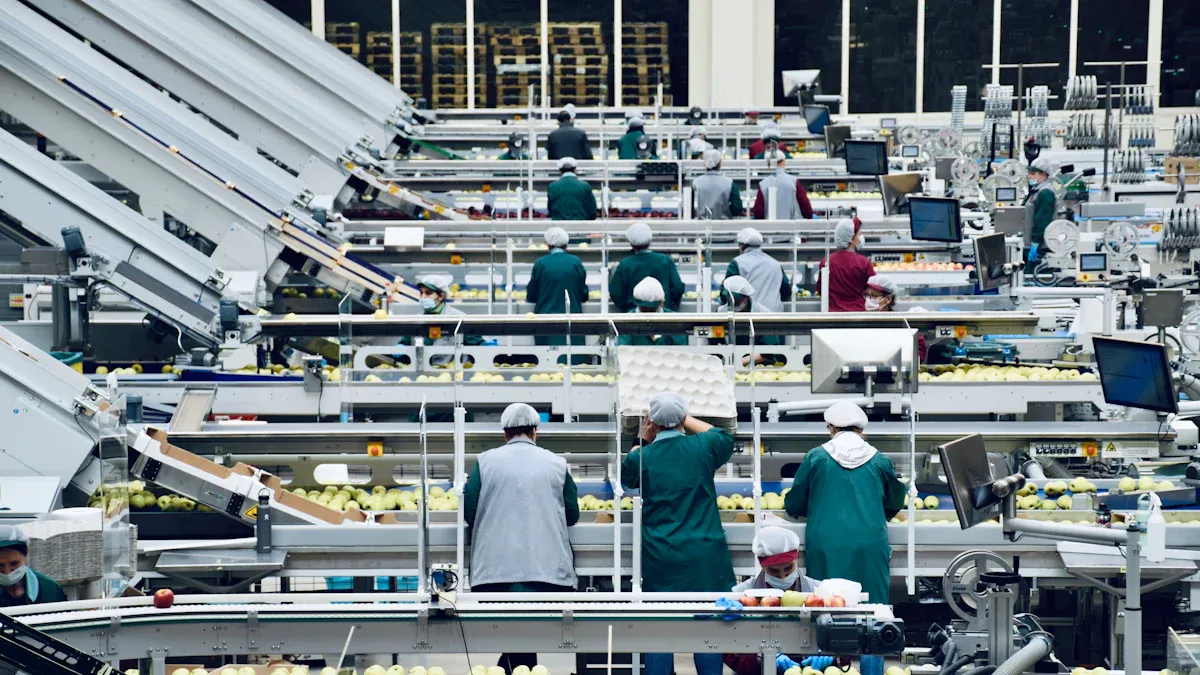
Automation makes aluminum casting faster and easier. Robots can move molds and pour metal for you. Machines check temperature and fill levels all the time. You make more parts in less time. Robots do the heavy lifting, so workers stay safe. Using automation means you pay less for labor. Sensors watch the process and help fix problems fast. Your team does fewer simple jobs and more important work.
Tip: Try using simple robots for pouring and moving aluminum first. You will notice changes quickly.
Advanced casting methods
New casting methods can help your production a lot. Rapid investment casting makes complex shapes with less waste. You use less aluminum and get better parts. Vacuum casting makes strong parts with fewer mistakes. These methods save time and money for your plant. You can mix extrusion and casting to make special parts. Advanced methods use less energy and make more parts per batch. Your plant works better and faster.
Pick the method that fits your needs best.
You get better parts and spend less money.
Predictive maintenance
Predictive maintenance keeps your machines working well. Sensors watch equipment and warn you about problems. You fix things before they break and stop work. This helps you avoid downtime and save on repairs. Your machines last longer with good care. You plan maintenance and spend less on emergency fixes.
Here is a table that shows how predictive maintenance helps your aluminum casting operation:
Benefit | Description |
|---|---|
Sensors find problems early and stop equipment failures. This means less downtime. | |
Cost reduction | You have fewer breakdowns and your machines last longer. You save money on repairs and maintenance. |
Note: Predictive maintenance keeps your aluminum casting line running well. You save money and make more parts.
Technology and automation help your aluminum casting process a lot. You spend less, work faster, and make more parts. Your team does smarter work, and your plant stays ahead.
Energy efficiency in aluminum casting
Optimize furnace operations
You can save energy by running furnaces better. Melting and dosing furnaces use most of the plant’s energy. If you fill the furnace shaft right, you waste less metal. Even a small metal loss costs a lot of money. Losing 1% of metal in a year is about 70,000 euros lost. Using energy-saving ways to move metal helps too. These steps help you get more aluminum from each batch. Your production stays strong and costs go down.
Tip: Watch your furnace often. Small changes in how you fill it can save a lot of energy.
Energy recovery systems
You can get energy back from your aluminum casting process. Modern shaft melting furnaces blow out lots of hot air. Heat recovery systems turn this hot air into useful energy. These systems can give up to 40% of your foundry’s energy. Most plants only use about half of this. One example shows you can save 2.7 megawatt hours each year. That is worth over 240,000 dollars. Using heat recovery lowers your bills and helps the earth.
System Type | Energy Saved | Annual Value |
|---|---|---|
Heat Recovery | 2.7 MWh | €243,000 |
Lower utility costs
You can pay less for utilities by using better furnace technology. New systems like Isomelting use energy almost perfectly. You use less energy to melt aluminum and spend less money. Energy upgrades also make less pollution and waste. Some companies reuse old equipment instead of buying new. This helps the planet and saves money. If you make your furnace better, you can cut energy costs by 30%. You also make less carbon and help your casting work be greener.
Note: Saving energy saves money and helps the earth. Every upgrade makes your aluminum casting process better.
Reduce waste and improve quality
Early defect detection
You can stop waste in aluminum casting by finding problems early. If you find defects soon, you throw away fewer parts. This helps you save money on fixing things. It also keeps your costs low. Finding problems early means your products are better. For example, engineers used a simulation to find porosity in aluminum parts. They changed the pouring temperature to 730 °C. This cut the scrap rate in half. Later, they made more changes and had almost no scrap. You can use these ideas to keep waste low and production strong.
Finding errors early means less waste.
You spend less money on fixing mistakes.
Your aluminum parts turn out better.
Standardize procedures
You can make aluminum casting better by using the same steps each time. Standard steps help you avoid mistakes and waste less. When everyone follows the same rules, you make fewer errors. You can also change your gating system to help metal flow better. This lowers the chance of defects and keeps your work steady. Using the same steps makes it easier to teach new workers. You spend less time fixing problems and more time making good parts.
Tip: Write down every step in your casting process. Share these steps with your team to keep quality high.
Lower inspection costs
You can save money on inspections by using smart tools and clear rules. Automated systems check aluminum parts quickly. These systems find defects fast and help you fix them before waste happens. You do not need to check every part by hand. This saves time and money. Good inspection tools keep waste low and costs down. You can use inspection data to make your process better. This way, you make better aluminum and extrusion parts with less waste.
Method | Benefit |
|---|---|
Automated Inspection | Faster checks, less waste |
Data Analysis | Better process, lower costs |
You can waste less and make better aluminum parts by acting early, following clear steps, and using smart inspection tools. These actions help you save money and keep your production strong.
Labor and training for aluminum extrusion
Upskill workforce
You can help your aluminum extrusion team by teaching new skills. Training helps workers learn to use new machines and tools. This means you get better results and fewer mistakes. You can show your team how to find problems early. Workers who know more can fix small issues fast. This keeps your aluminum extrusion line working well. Your team feels proud when they learn new things.
Tip: Give short classes or hands-on lessons. Your team learns quickly and remembers better.
Cross-training
Cross-training lets workers learn more than one job. You can teach someone who runs the press to check the cooling system too. This makes your team flexible. If someone is gone, another worker can help. Your aluminum extrusion line keeps moving without stopping. Cross-training helps workers see how each step fits together. This makes your plant stronger.
Here is a table that shows how cross-training helps aluminum extrusion:
Benefit | How It Helps Your Plant |
|---|---|
Fewer Delays | Workers can help each other |
Better Teamwork | Everyone knows the process |
Higher Quality | Workers find mistakes in extrusion |
Safety and productivity
You keep your team safe by teaching good habits. Safe workers make fewer mistakes and help save money. You can show your team how to wear safety gear and use machines right. When you focus on safety, workers do their jobs faster. Safety checklists help avoid accidents in every step. This keeps your aluminum extrusion line strong.
Note: Safe plants stop less and make better aluminum extrusion. You save money and keep your team safe.
You can save money and make more parts by building a skilled, flexible, and safe team. Training helps your plant do well in the aluminum industry.
You can spend less in aluminum casting by using smart design. Good material management and new technology help too. Training your team makes production better. Automation lets you make more parts faster. Energy upgrades and recycling aluminum save money. Focusing on quality and safety makes extrusion work better.
Look at your process now. Pick one idea and see how much money you can save.
FAQ
What is the best way to lower aluminum casting expenses?
You can save money by making parts simpler. Recycling aluminum also helps a lot. Using automation makes work faster and easier. If you change designs early, you avoid mistakes. These steps help you spend less and work better.
How does recycling aluminum help my casting operation?
Recycling means you use scrap from your own plant. You do not need to buy as much new material. This helps the earth and keeps your work strong.
Why should I train my team for aluminum casting?
Training teaches your team new skills. Workers spot problems early and fix them fast. You get better parts and make fewer mistakes. Your plant works well.
What role does automation play in reducing cost?
Automation lets machines do hard jobs. You make more parts in less time. Robots save money on labor and keep workers safe. Your work gets done better.
Can energy upgrades really make a difference?
Energy upgrades lower your utility bills. New furnace technology uses less energy. You help the planet and keep your casting work strong.
See Also
Comparing Aluminium And Magnesium For Lightweight Die Casting
Cost Comparison: Plastic Prototypes Against Aluminium Prototypes
Key Factors That Affect Die Cast Mold Pricing
Exploring CAE Analysis Advantages For Die Casting Design
Essential Trends In The 2025 Automotive Aluminium Die Casting Sector
About Hunan Puka

Established in 2016 and based in Hunan, China, with a liaison point in Berlin, we are a Tier 2 supplier for the automobile industry. We specialize in the production of customized aluminum die-casting parts designed for machines with a closing force ranging from 280 to 1250 tons, with subsequent manufacturing process CNC machining and surface treatment. Our commitment to quality is reflected in our accredited quality management system, certified by ISO9001:2015 and IATF16949:2016 standards.