Exploring the Basics of Cold Plate Manufacturing

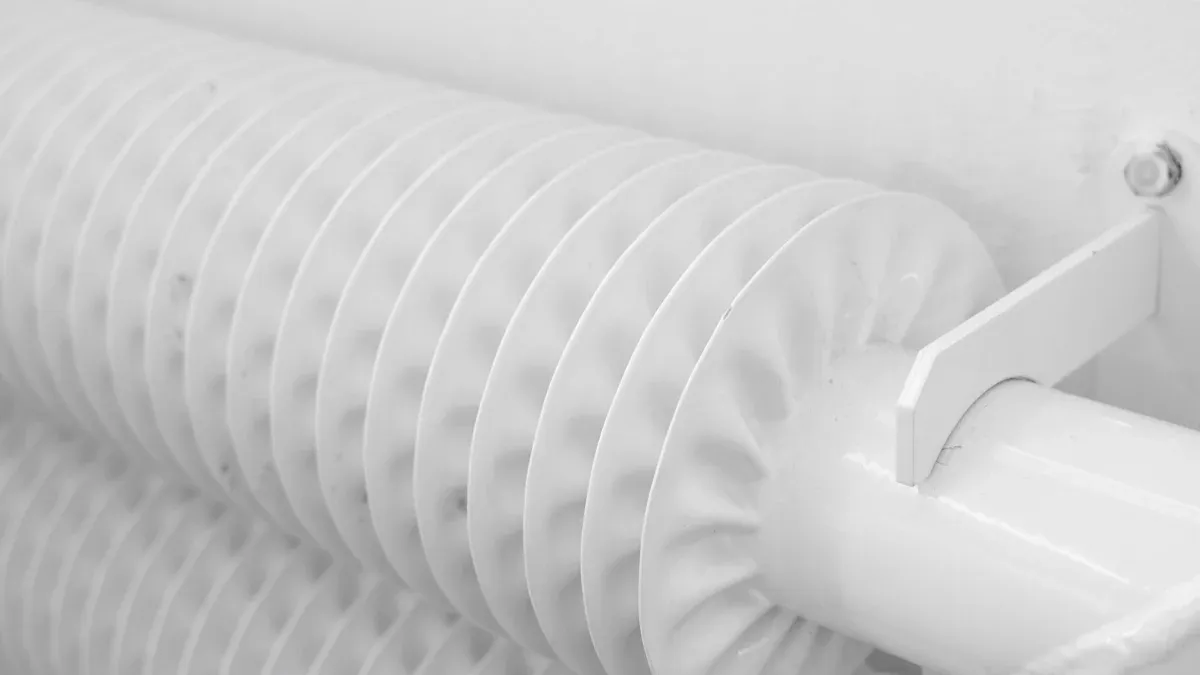
You use a cold plate to manage heat in electronics and machines. This device takes heat away from key parts. It helps keep systems steady. Aluminum and copper are common because they move heat well. They also do not rust easily. How well the cold plate is made affects how it works. It also affects how long it lasts in hard places.
Key Takeaways
Cold plates help cool electronics and machines. They keep things working well.
Picking the right material is important. Aluminum costs less. Copper cools better.
Good manufacturing makes cold plates work well and last longer. Always look for leaks. Test cold plates before using them.
New methods like CNC machining and additive manufacturing help make special designs. These designs cool things better.
Choose a manufacturer who knows what they are doing. Make sure they have the right certifications. This helps make sure cold plates are always good and reliable.
What Are Cold Plates?
Purpose and Applications
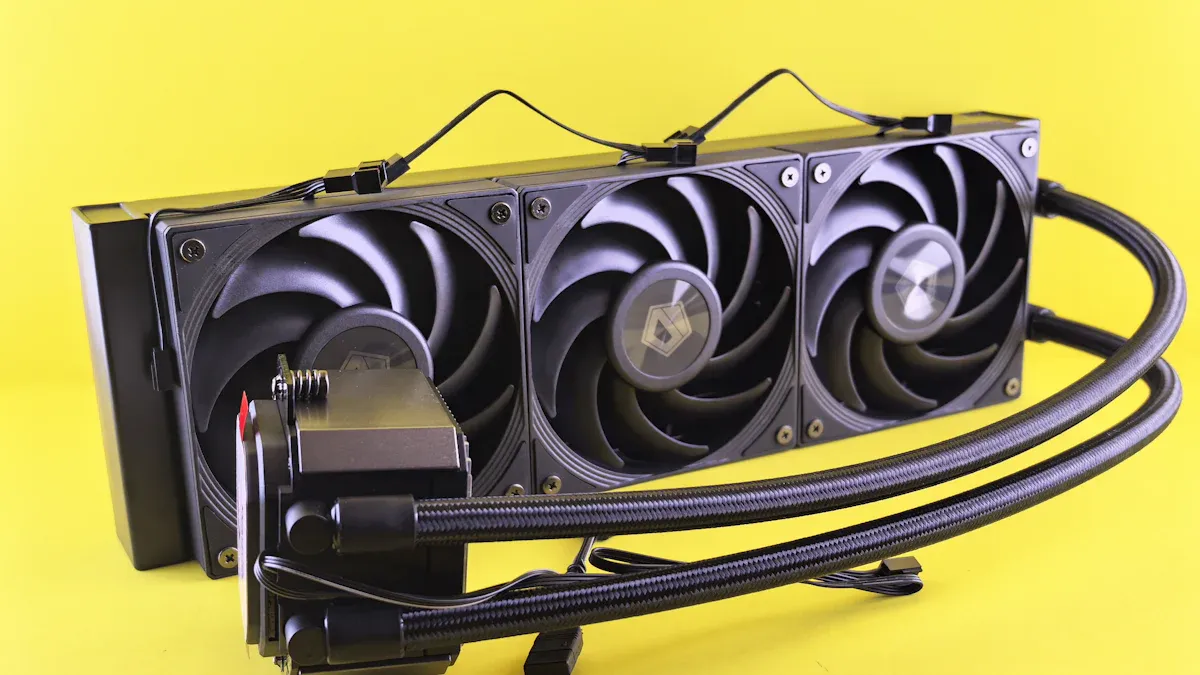
A cold plate helps take heat away from important machine parts. This keeps machines and electronics cool. Coolant moves through small paths inside the cold plate. The coolant grabs the heat and takes it away. Many businesses use cold plates to fix hard cooling problems.
Some places you find cold plates are:
Aerospace: You need to cool light systems well.
Defense: You use strong heat exchangers for important tools.
Data Centers: You cool lots of servers that get hot.
Medical Devices: You keep MRI machines and lasers at the right temperature.
Electric Vehicles: You cool batteries and power parts.
Cold plates can look different for each job. Some have parallel channels so coolant can go many ways at once. Others use U-shaped channels to fit in small spaces. Some cool from the edge, moving heat from battery cells into the plate.
Function/Configuration | Description |
|---|---|
Parallel Channels | Lets coolant move through many channels at the same time for good heat transfer. |
U-shaped Rectangular Channels | Makes a small design by sending coolant in a U-shape for better flow. |
Edge Cooling | Coolant comes in at one end and takes heat from battery cells through the plate. |
Why Manufacturing Quality Matters
You want your cold plate to last and work well. How you make the plate changes how it works. If you design the channels to let coolant move easily, you get better cooling. You can add stiff ribs or weld fins to make the plate stronger. This helps the plate hold more pressure without breaking.
You also need to keep the inside clean. If you use good water, you stop blockages and rust. This keeps your cold plate working for a long time.
Tip: Always look for leaks and test the plate before you use it. Good checks help you stop problems later.
Cold Plate Materials and Methods
Aluminum vs. Copper
You pick aluminum or copper for most cold plates. These metals help move heat away fast. Aluminum is light and does not rust much. It costs less than copper. Copper moves heat even faster than aluminum. It keeps the plate’s temperature steady. You use copper when you need the best cooling.
Material | Key Properties | |
|---|---|---|
Aluminum | ~205 | Lightweight, corrosion-resistant, cost-effective |
Copper | ~400 | Superior thermal conductivity, excellent temperature uniformity |
Stainless Steel | N/A | Exceptional corrosion resistance, high strength |
Note: Copper cools better, but aluminum is cheaper and lighter. You choose the metal that fits your needs.
CNC Machining
CNC machining uses computers to control tools. It shapes metal for cold plates. This makes channels and features very exact. You can make custom designs with CNC machining. It is easy to change the shape if needed. CNC machining is good for small batches and tricky parts.
Stamping Techniques
Stamping presses metal sheets into shape quickly. You can make many cold plates fast. This lowers the cost for each plate. Some systems make up to 120 plates every minute. Stamping works best for simple shapes and big orders. You save money and time with stamping.
Additive Manufacturing
Additive manufacturing builds parts one layer at a time. You can use metal or strong plastic. This lets you make complex shapes for better cooling. You can design channels that twist and turn. Additive manufacturing lets you try new ideas and materials.
Benefit | Description |
|---|---|
Design Freedom | Lets you make shapes not possible with other methods. |
Complexity | Makes intricate channels for better cooling. |
Material Versatility | Uses many materials for special needs. |
Thermal Performance | Balances heat movement and weight for top cooling. |
Tip: If you want a special cold plate, additive manufacturing helps you test new designs and materials.
Cold Plate Manufacturing Steps
Material Selection
You pick the material for your cold plate first. The choice depends on how much heat you need to move. It also depends on how strong the plate must be. You want the plate to last a long time. High-purity copper and aluminum are popular. They move heat well and resist corrosion. You also think about cost and how easy it is to make the plate.
Criteria | Description |
|---|---|
Reach the right temperature and keep thermal resistance low. | |
Strength and Pressure Requirements | Handle pressure and stay strong in tough places. |
Corrosion Resistance Requirements | Stop the plate from breaking down when liquid flows through. |
Leak Prevention Requirements | Use seals and gaskets to stop leaks and keep things safe. |
Cost-Effectiveness Requirements | Pick materials and ways that save money and make building easier. |
You do not mix metals like aluminum and copper. Mixing can cause corrosion. Regular checks help you find problems early. This keeps your plate working well.
Machining and Fabrication
You use special tools to shape the plate and make channels for coolant. CNC machining gives smooth surfaces and lets you make complex shapes. This method is good for custom designs and small batches. Extrusion with tube insertion is cheaper for medium heat jobs. It does not let you change shapes much. Vacuum-brazed bonding makes small channels and moves heat well. It costs more and needs special tools. Additive manufacturing, like 3D printing, builds tricky channels and helps coolant flow better. This works best for unique shapes and prototypes.
Manufacturing Technique | Pros | Cons |
|---|---|---|
Machining | Smooth surfaces and complex shapes | Costs more, wastes material, slower |
Extrusion + tube insertion | Cheaper for medium heat jobs | Not flexible, can leak |
Vacuum-brazed bonding | Moves heat well, makes small channels | Costs more, hard to change, needs special tools |
Additive manufacturing (3D printing) | Complex shapes, better coolant flow | Weaker, costs more, not for big batches |
Hybrid approaches | Unique shapes, fits tight spaces | No big drawbacks |
New alloys like CP1 help move heat and make plates stronger. Generative design helps you make shapes that cool better and use less material. ECAM lets you print fin structures that move coolant to hot spots. Embedded-pipe cooling plates use pipes inside aluminum. They handle more pressure and make building easier.
Joining and Leak Prevention
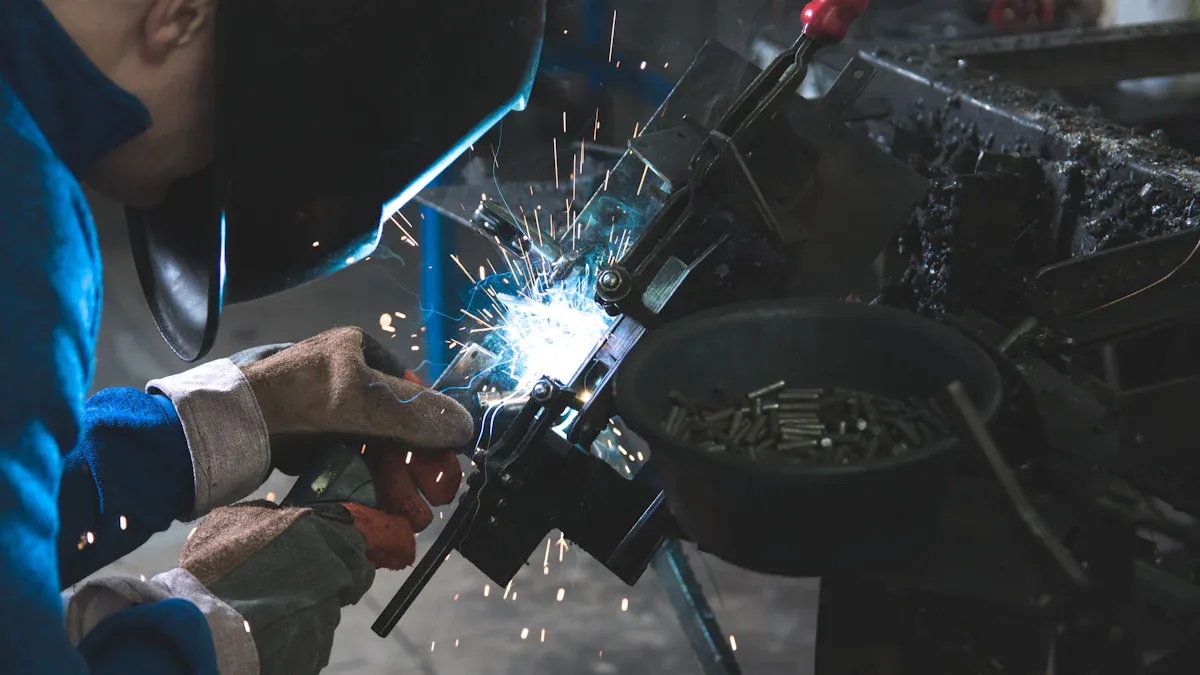
You join parts of the plate so it stays strong and does not leak. Vacuum brazing makes joints that hold up under high pressure and do not leak. This works well for plates with tiny channels. Friction stir welding bonds parts without melting them. It makes a seamless joint. This keeps thermal resistance low and helps the plate last longer.
Method | Description |
|---|---|
Vacuum Brazing | Makes strong, leak-proof joints for high-pressure and complex channel designs. |
Friction Stir Welding | Solid-state joining for seamless bonds and high structural integrity. |
You test for leaks using pressure decay and bubble tests. These checks help you find leaks before the plate is used.
Tip: Always check for leaks after joining. Early checks save time and stop failures.
Quality Assurance
You run tests to make sure your cold plate works well and meets standards. Shear strength testing checks how well the parts stick together. Ultrasonic testing finds tiny defects. Bend and tensile tests show how the plate holds up under stress. Hardness and impact tests measure toughness and find weak spots. Corrosion testing makes sure the plate will last in its environment.
Testing Methodology | Purpose |
|---|---|
Shear Strength Testing | Checks bond strength between layers. |
Ultrasonic Testing | Finds small defects without hurting the plate. |
Bend Testing | Tests reliability when bending and changing shape. |
Tensile Testing | Checks mechanical properties after making the plate. |
Hardness Testing | Measures toughness and finds weak points. |
Impact Testing | Makes sure the plate can handle shocks and hits. |
Corrosion Testing | Checks resistance to rust and breakdown. |
You follow standards like ISO 12781-2:2011 for flatness. ISO 21920-2:2021 checks surface roughness. EN 1779 covers pressure testing. CTI STD201 and Eurovent certify cooling performance.
ISO 12781-2:2011 checks flatness.
ISO 21920-2:2021 checks surface roughness.
EN 1779 covers pressure testing.
CTI STD201 and Eurovent check cooling performance.
Corrosion is a challenge, especially with aluminum plates. Mixing metals can cause galvanic corrosion. Regular inspections and maintenance help you stop leaks and keep your system working well.
Note: Using precise tools and new technology helps you make plates that fit your needs and work well.
Design Choices and Performance
Cooling Efficiency
You can make cooling better by picking smart designs. The shape and layout of channels inside a cold plate are important. Rectangular grooves are simple to make, but they do not move heat well. They touch less of the copper pipes. Grooves in parallel help spread heat more evenly. Series layouts can cause some parts to cool less. How you join the parts also matters. Adhesive-bonded designs do not cool as well. The adhesive does not move heat fast.
When you check cooling efficiency, you look at these things:
Flow rates
Thermal resistances
Thermal resistance shows how well the plate stops heat flow. You find it by dividing the temperature difference by the heat flow rate. It is measured in degrees Celsius per watt (°C/W).
Tip: For better cooling, pick designs with more contact area. Use materials that move heat well.
Durability and Reliability
You want your cold plate to last in tough places. Using conduction cooling keeps the plate strong. You can build cooling features right into the plate. Good thermal management helps the plate work well, even when it gets hot or cold. These things help the plate stay reliable:
Build cooling into the design
Apply thermal management to stop problems
In data centers, liquid cold plate systems last 7 to 15 years. You get more years if you use strong materials and check for leaks often.
Customization Benefits
You can change cold plates to fit special jobs. Pillow plates let you pick welding patterns to help fluid flow. You can connect plates to tanks or other parts. You also choose different connection types. These features help the plate do more than just cool. It can support structures or block radiation in some cases.
Note: Custom designs help you fix special engineering problems and make your system work better.
Choosing an Experienced Manufacturer
Expertise and Process Optimization
You want your cold plate to last and work well. A skilled manufacturer uses smart ways to make strong cold plates. Their teams know how to use different methods for better heat transfer. They can put copper tubes inside aluminum bases. This helps heat move fast and keeps the plate light.
Process Type | Description |
|---|---|
Puts copper tubes in aluminum plates for better heat transfer. | |
CNC Machining | Cuts grooves in aluminum with high precision. |
Brazing and Welding | Joins tubes and plates tightly, making the plate strong and reliable. |
These methods help your plate cool better and stay strong. Experts can change designs to fit what you need. They use advanced machines to make sure every plate is made right.
Ensuring Consistent Quality
Your cold plate should work the same way every time. Good manufacturers follow strict rules and have special certifications. These show they care about quality. Look for these certifications when you pick a company:
Eurovent Certification: Proves the company meets HVAC-R standards.
TÜV SÜD Certification: Shows safety and quality through careful tests.
ISO 9001: Means the company works to keep quality high.
IATF 16949: Needed for cars, checks quality in making parts.
Certification | Importance |
|---|---|
ISO 9001 | Shows commitment to quality management and improvement. |
IATF 16949 | Ensures quality for automotive production. |
Manufacturers use adapter plates to keep temperatures steady. They test plates to see how fast they heat up and cool down. This makes sure every batch works well. You can trust companies with these certifications and tests. They will give you plates that meet your needs.
Tip: Always check for certifications and ask about quality tests before you pick a manufacturer. This helps you avoid problems and get the best results.
You saw that picking the right material changes how well a cold plate works. The best metal helps cool things down and keeps rust away. Check out this table for easy facts:
Material | Thermal Conductivity | Weight | Corrosion Resistance | Application Environment |
|---|---|---|---|---|
Copper | Excellent | Heavier | Moderate | General use, high thermal performance |
Aluminum | Good | Lighter | High | Lightweight applications, corrosion-prone |
Stainless Steel | Moderate | Heavier | High | Harsh chemicals, high humidity |
Strong materials make your cold plate last longer.
Good manufacturers can make special plates and help you.
Evidence Description | Supporting Details |
|---|---|
Expertise in Cooling | STULZ has more than 50 years of cooling experience. |
Comprehensive Services | STULZ helps with planning, building, and fixing cold plates. |
Customized Solutions | They make regular and special systems for different jobs. |
For the best results, pick experts who know how to make and test cold plates for what you need.
FAQ
What is the main purpose of a cold plate?
A cold plate takes heat away from electronic parts. This keeps devices cool so they work better. Cold plates stop equipment from getting too hot.
Which material should you choose for your cold plate?
Aluminum is light and costs less. Copper cools best when you need top performance. Stainless steel does not rust in tough places.
Material | Best Use |
|---|---|
Aluminum | Lightweight, affordable |
Copper | High cooling |
Stainless Steel | Tough environments |
How do you prevent leaks in cold plates?
You check for leaks with pressure decay or bubble tests. Strong joining methods like vacuum brazing or friction stir welding help stop leaks. Regular checks help you find leaks early.
Tip: Always check for leaks before you use your cold plate.
Can you customize a cold plate for your project?
You can ask for special channel shapes, sizes, and materials. Manufacturers use CNC machining or additive manufacturing to fit your needs. Custom designs help fix special cooling problems.
Custom channels
Special materials
Unique shapes
See Also
Exploring Various Heat Treatment Methods and Their Applications
The Advantages of CAE Analysis for Die Casting Design
The Effects of Thermal Stress on Die Casting Components
An Overview of Jigs and Fixtures in Manufacturing
Understanding the Processes of Aluminum Extrusion and Die Casting
About Hunan Puka

Established in 2016 and based in Hunan, China, with a liaison point in Berlin, we are a Tier 2 supplier for the automobile industry. We specialize in the production of customized aluminum die-casting parts designed for machines with a closing force ranging from 280 to 1250 tons, with subsequent manufacturing process CNC machining and surface treatment. Our commitment to quality is reflected in our accredited quality management system, certified by ISO9001:2015 and IATF16949:2016 standards.