What's the Difference Between Hot Chamber and Cold Chamber Die Casting for Aluminum

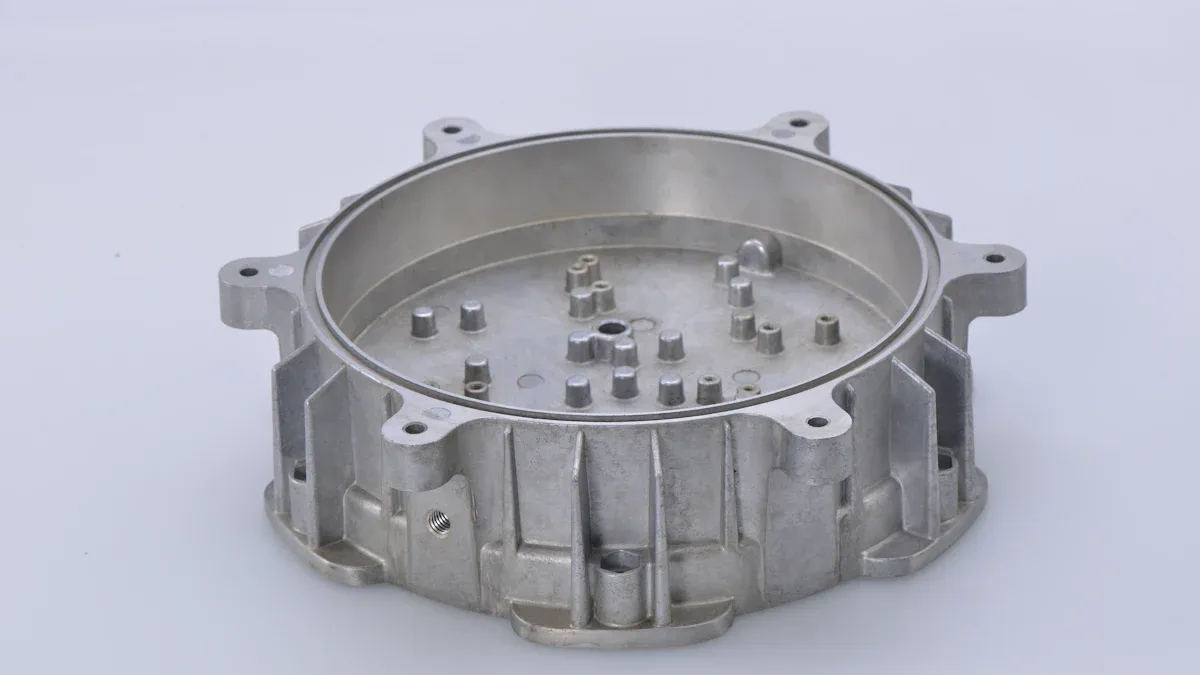
Key Differences Between Chamber Processes
This comparison highlights crucial differences between hot and cold chamber die casting.
Features | Cold-Chamber Die Casting | Hot-Chamber Die Casting |
|---|---|---|
-- | -- | -- |
Material Compatibility | Handles high-melting alloys like aluminum | Only low-melting alloys like zinc |
Melting Point Range | Up to 660°C (aluminum) | Below 450°C |
Cycle Time | Slower; requires metal pouring each cycle | Fast; metal ready in machine |
Machine Cost | Higher due to separate furnace | Lower upfront cost |
Tooling Life | Shorter due to high heat | Longer with lower temperatures |
Part Quality | Strong, dense parts for aluminum | Excellent for low-melting alloys |
Safety | Lower risk; metal separate from machine | Higher risk; metal in machine |
Production Volume Suitability | High-volume for large aluminum parts | High-volume for small parts |
For aluminum, Cold-Chamber Die Casting is your only practical choice. Aluminum alloys melt at around 660°C (1220°F). Hot-chamber die casting machines can only handle metals up to 450°C. That means you cannot use them for aluminum. The molten metal would attack the machine’s pump and components. So you must use cold-chamber equipment for aluminum parts. Understanding why this difference exists helps you make the right decision for your project. Choose cold-chamber for aluminum, and you avoid costly mistakes.
Cold-Chamber Die Casting: The Only Option for Aluminum
Aluminum melts at over 660°C (1220°F). That heat wrecks hot-chamber machines. The liquid metal eats the pump, the gooseneck, and every part it touches. You can't use hot-chamber systems for aluminum. The machine would break down in just hours. So manufacturers have no choice but to use Cold-Chamber Die Casting for aluminum parts. There is no other way.
Why Aluminum Cannot Use Hot-Chamber Systems
Hot-chamber machines keep the injection parts dipped in a bath of molten metal. This setup works fine for zinc, magnesium, and other alloys that melt below 450°C. The dipped parts stay hot and ready for each cycle. But aluminum changes everything. Its intense heat quickly rusts and eats steel. The molten aluminum breaks down the pump pieces. It wears away the gooseneck channel. It ruins the injection cylinder. After a short production run, you'd see total failure. The machine would leak, jam, and make bad parts. Fixing it would cost more than the parts you made. So you can't just tweak a hot-chamber machine for aluminum. The science and materials work against you.
Cold-Chamber Design for High-Temperature Alloys
Cold-chamber machines fix this by keeping things separate. The melting furnace sits away from the injection system. Molten aluminum never touches the machine's working parts until it's time to inject. This separation shields the equipment from rust and heat damage. You pour liquid metal into a shot chamber for each cycle. Then a hydraulic plunger pushes it into the die. The plunger pulls back after each shot. The metal never stays in the machine. This design safely handles aluminum, magnesium, and copper alloys.
Several key features make this work. First, the machine uses a separate holding pot. The injection system sits sideways, with no gooseneck channel. Second, a hydraulic plunger drives the metal through the shot chamber into the injection sleeve. Third, the machine delivers strong injection pressure. Typical pressures range from 2,500 PSI (172 bar) to over 25,000 PSI (1,724 bar). This force pushes molten aluminum into every part of the die cavity. Fourth, the plunger stays forward after injection. It holds pressure while the casting cools. This step ensures solid, quality parts without air holes.
The cold-chamber design does slow production. Each cycle needs you to pour metal by hand or with a machine. The machine can't just dip into a pool. But this trade-off gives you reliability. You get steady parts from a machine that can handle aluminum. The starting cost is higher than hot-chamber equipment. Yet the longer life and better parts make it worth the money. For aluminum, Cold-Chamber Die Casting isn't a choice. It's the only method that works. Knowing this helps you plan your project the right way from the start.
Understanding Hot-Chamber Die Casting
Hot-chamber die casting works well for metals that melt at low temperatures. You use this process for zinc, magnesium, and lead alloys. These metals melt between 400°C and 500°C. That temperature range keeps the machine safe. The hot-chamber design keeps the injection system inside a pool of molten metal. This setup makes the process fast and efficient.
Process Overview and Suitable Metals
The hot-chamber machine uses a gooseneck system. Here is how it works:
The plunger forces liquid alloy upward through a gooseneck tube.
The molten metal pushes straight into the clamped mold cavity.
Hydraulic pressure stays on during injection.
The injection mechanism remains heated at the metal's melting temperature.
This continuous heating lets the metal solidify quickly. You get fast cycle times and rapid production. The machine self-primes, so you do not need to pour metal manually. That automation saves time and reduces errors.
You use hot-chamber die casting for zinc die-cast housings, consumer goods, and electronic components. These parts need tight tolerances and smooth surfaces. The process delivers both. Zinc alloys do not dissolve or erode under pressure. That means less porosity, longer die life, and less wasted material.
Advantages and Limitations for Low-Melting Alloys
Hot-chamber die casting offers major speed advantages. The machine integrates the melting pot internally. This design makes the process faster and more convenient than cold-chamber die casting. You can achieve up to 3,500 cycles per hour using multi-slide hot-chamber technology. That is double the production speed of aluminum or plastic die casting. The lower melting temperatures reduce cooling times, so parts solidify faster.
Feature | Hot-Chamber (Gooseneck System) | Cold-Chamber |
|---|---|---|
Injection mechanism location | Gooseneck and nozzle submerged in molten zinc bath | Molten metal ladled into a shot sleeve |
Priming method | Self-priming (automatic) | Manual dosing |
Typical cycle time | 3–8 seconds (extremely fast) | Slower |
Typical metals | Zinc, magnesium, lead | Aluminum, magnesium |
Hot-chamber zinc die casting has short cycle times, making it ideal for cost-efficient series production. In contrast, low-pressure die casting (typically used for aluminum) has a longer cycle time than high-pressure die casting, while high-pressure die casting completes the process in a very short time.
The main limitation is material compatibility. You cannot use hot-chamber machines for aluminum. The high melting point of aluminum would destroy the pump and gooseneck. So you must choose cold-chamber for aluminum parts. For low-melting alloys, hot-chamber gives you speed, efficiency, and lower costs. That makes it the right choice when your material fits the temperature range.
Understanding the Cold-Chamber Process
Process Overview and Suitable Metals
Cold-Chamber Die Casting works in a different way than hot-chamber systems. The melting furnace is kept apart from the injection machine. A scoop pours a set amount of melted metal into a shot sleeve for each cycle. A hydraulic plunger forces the metal into the die cavity at high pressure. The plunger stays in place while the part hardens. This setup keeps the machine from touching the hot liquid metal.
You can use this method for many high-temperature alloys. The table below shows which metals work and their melting points.
Alloy Category | Melting Point Range | Cold Chamber Compatibility |
|---|---|---|
Aluminum & Magnesium | 1150°F–1300°F (621°C–704°C) | Yes (moderate melting point) |
Copper | Over 1650°F (899°C) | Yes (high melting point) |
ZA-12, ZA-27 | High | Must be cast by cold chamber process |
Aluminum alloys are the most common choice. Examples are 360, 380, 383, 384, 390, and 413. These alloys flow well and are strong. Magnesium alloys like AZ91 and AM60 are light and good for car parts. Copper alloys like C86300 and C87800 need careful handling because they get very hot on the tools.
Advantages and Limitations for High-Melting Alloys
Cold-Chamber Die Casting has a clear benefit. You can use metals that would ruin hot-chamber machines. This process gives very consistent and strong parts.
Cold chamber die casting is great for handling metals that melt at high temperatures, like aluminum, magnesium, and copper. It makes parts that are very consistent and strong. These parts are used for car frames, electronics cases, and other parts that need to be light and tough.
The parts have good strength and exact sizes. You can make complex shapes with thin walls.
But the process has limits. It takes longer than hot-chamber systems. You have to pour metal for each shot, which takes more time. The machine costs more to buy. The tools also cost more because they must handle higher heat and pressure. Running the machine needs more skill. You must control the pour temperature and timing carefully.
For aluminum parts, these trade-offs are worth it. You cannot use hot-chamber machines at all. So cold chamber is the only real choice. The higher cost and slower speed are okay when you need strong, reliable aluminum parts.
Comparing Hot-Chamber and Cold-Chamber Processes
Material Compatibility and Cycle Time Differences
The two processes differ most in what metals they can handle and how fast they run. Hot-chamber machines work only with low-melting alloys like zinc, magnesium, and lead. Cold-chamber machines handle high-temperature alloys such as aluminum and copper. This difference drives every other contrast between the methods.
Cycle time also varies sharply. The hot-chamber system houses molten metal within the machine itself. That design eliminates the need to transfer metal before each shot. You get faster production, especially for small parts. The cold-chamber system draws molten metal from an external furnace. You must pour the metal into the shot sleeve for each cycle. This extra step slows production. For a standard automotive component, hot-chamber delivers a faster cycle time.
Factor | Hot-Chamber | Cold-Chamber |
|---|---|---|
Material compatibility | Low-melting alloys (zinc, magnesium, lead) | High-melting alloys (aluminum, copper) |
Cycle time | Fast; metal is already in the machine | Slower; requires metal transfer each cycle |
Cost, Tooling, and Part Quality Contrast
Machine cost favors hot-chamber for suitable metals. Hot-chamber equipment costs less upfront because it uses a simpler design. Cold-Chamber Die Casting machines cost more due to the separate furnace and more robust construction. But if your project needs aluminum, you have no choice. You must pay the higher cost for cold-chamber equipment.
Tooling costs also differ. Hot-chamber dies last longer because they run at lower temperatures. Cold-chamber dies face higher heat and pressure, so they wear faster. You replace them more often, adding to long-term costs.
Part quality depends on the metal you choose. Hot-chamber produces excellent parts for low-melting alloys. Cold-chamber gives you strong, dense parts for aluminum. The porosity is lower, and the mechanical properties are better. For aluminum parts, the quality advantage of cold-chamber is clear.
Safety matters too. Cold-chamber systems keep molten metal separate from the injection mechanism. This separation reduces the risk of accidents. Hot-chamber machines have hot metal in the machine itself, which requires careful handling.
The choice comes down to your material. For low-melting metals, hot-chamber saves time and money. For aluminum, cold-chamber is the only viable option.
Why Cold-Chamber Die Casting is Right for Aluminum
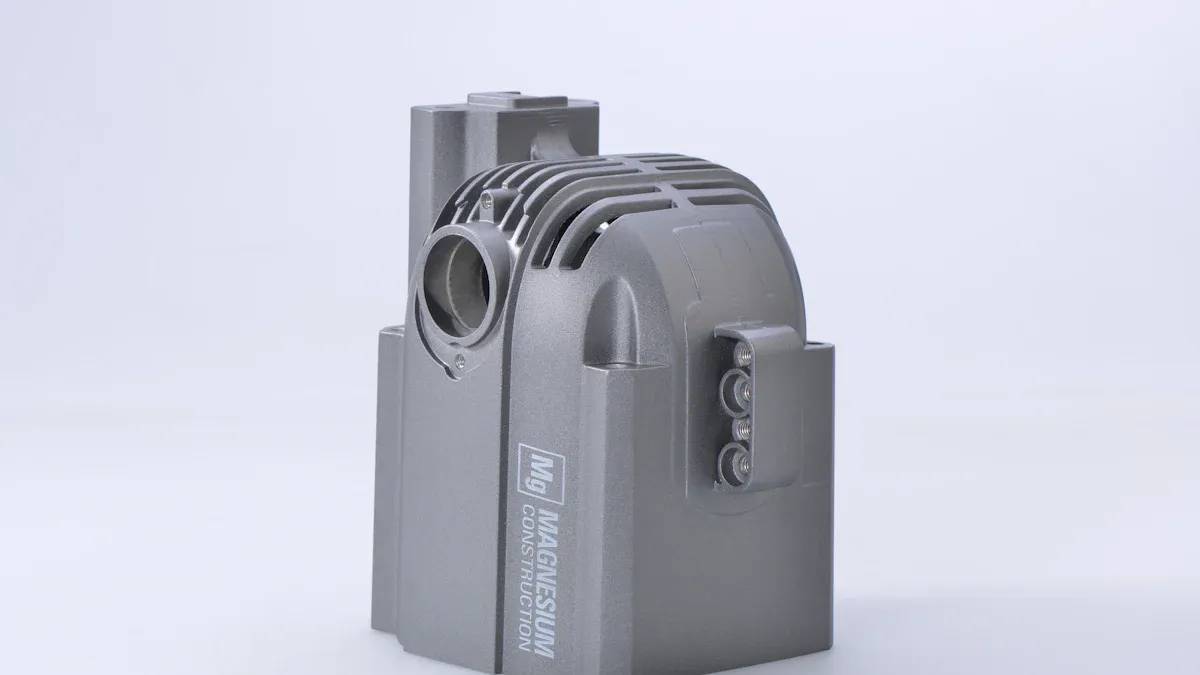
Necessity of Cold-Chamber for Aluminum's Melting Point
Aluminum alloys melt at temperatures that wreck hot-chamber equipment. You already know this from earlier sections. But let's look at the exact numbers. Common aluminum die casting alloys like A380 melt at 566°C. ADC12, which matches A383, melts at 549°C. These temperatures go way past the 450°C limit of hot-chamber machines. The molten aluminum would destroy the steel pump and gooseneck in just hours. You cannot escape this fact.
Since aluminum has a high melting point, the most preferred method for producing versatile industry products is the cold-chamber die casting process.
The table below shows the melting points of common aluminum alloys used in cold-chamber systems.
Alloy | Melting Point | Relevant Process Context |
|---|---|---|
A380 | 566°C | Listed under 'Cold Chamber Die Casting' alloys |
ADC12 (equivalent to A383) | 549°C | Listed under 'Cold Chamber Die Casting' alloys |
These alloys appear only under cold-chamber die casting. No hot-chamber machine can handle them. The design of cold-chamber equipment keeps molten metal apart from the injection mechanism. You pour the liquid aluminum into a shot sleeve for each cycle. A hydraulic plunger pushes it into the die. The metal never touches the machine's working parts until injection. This separation protects your equipment and keeps things safe.
Benefits and Trade-Offs of Cold-Chamber Die Casting for Aluminum
Cold-Chamber Die Casting offers clear benefits for aluminum parts. You get strong, lightweight components with high precision. The process delivers excellent mechanical properties. You also cut down on post-processing work. Parts come out nearly finished. This reduction in secondary operations saves you money.
The cost picture works in your favor for high-volume production. Tool life reaches 100,000 to 150,000 shots. That longevity allows the tool to pay for itself quickly. You produce large quantities without frequent tool replacement. The economic benefits become clear when you scale up.
Mandatory for aluminum: Cold-chamber die casting is the only viable method for aluminum due to its high melting point (~700°C) and reactivity with steel, which would dissolve in a hot-chamber setup.
Cost advantages: Enables production of large, lightweight, high-strength components with high precision and low post-processing, reducing secondary costs. Tool life of 100,000–150,000 shots allows the tool to pay for itself quickly in high-volume production.
Cost disadvantages: Higher technical effort (external dosing robots), longer cycle times due to aluminum's high melting temperature, and increased energy consumption from open melt handling and separate heating of furnace, dosing system, and chamber.
Economic conclusion: Despite higher per-unit costs, the process is economically compensated in large series production because it is the only method that meets the lightweight and mechanical requirements for automotive aluminum parts, whereas alternatives like zinc are heavier and unsuitable for large components.
You face some trade-offs with this process. Cycle times run longer than hot-chamber systems. You must pour metal for each shot. This step adds time to every cycle. Energy costs rise because you heat the furnace, dosing system, and chamber separately. You also need external dosing robots for consistent pours. These factors increase your per-unit costs.
But the economic conclusion stays positive. Large series production makes up for these higher costs. You meet the lightweight and mechanical requirements for automotive aluminum parts. No other method achieves this result. Zinc alternatives weigh more and cannot handle large components. So cold-chamber becomes your only real choice for aluminum.
The benefits outweigh the drawbacks when you produce at scale. You get quality parts that meet strict standards. You avoid the constant breakdowns of hot-chamber machines. You invest in a process that delivers reliable results. For aluminum, Cold-Chamber Die Casting is not just an option. It is the right decision.
Choosing the Right Die Casting Process
Factors to Consider: Material, Volume, and Budget
You must start with your material. That one choice wipes out most options. Aluminum forces you into Cold-Chamber Die Casting. No hot-chamber machine can handle molten aluminum at 650°C. The heat destroys the magnetic plates and injection parts. Zinc, though, melts around 420°C. That temperature range works well with hot-chamber systems.
Your production volume is next. Hot-chamber machines give faster cycles because molten metal stays ready inside the machine. You get more parts per hour. This speed works for small, high-volume parts like electronic housings and consumer goods. Cold-chamber machines run slower. Each cycle needs you to pour metal into the shot sleeve. But that extra time gives you flexibility. You can make larger, stronger parts that hot-chamber machines cannot do.
Budget ties everything together. Hot-chamber equipment costs less upfront. The dies last longer because they run at lower temperatures. Cold-chamber machines cost more to buy and run. You pay for the separate furnace, the dosing robots, and the higher energy use. For aluminum parts, you have no other choice. The higher cost is a must, not an option.
Cost and Volume Analysis for Project Planning
You need a simple way to decide. Think about these three points:
Material compatibility: Zinc or low-melt alloys → hot-chamber. Aluminum or copper → cold-chamber.
Speed and efficiency: Hot-chamber wins on cycle time. Cold-chamber wins on alloy flexibility.
Applications and size: Hot-chamber fits small, high-volume parts. Cold-chamber handles large, complex parts.
Processing aluminum and magnesium gives very high temperatures near 650°C. That would ruin the magnetic plates over time. So this technology is not used here. In zinc die casting with processing temperatures around 420°C, the molds only heat to 180°C. That lets you use magnetic clamping.
Your timeline also affects the choice. Hot-chamber machines start making parts quickly. You skip the metal transfer step entirely. Cold-chamber needs more setup time. You must calibrate the dosing system and control the pour temperature carefully. For short runs with zinc, hot-chamber saves you days. For aluminum projects, you plan for the slower start.
Run your numbers before you decide. Calculate your total part cost, not just the machine price. Include tooling, energy, labor, and scrap rates. Hot-chamber gives lower per-part costs for zinc parts at high volume. Cold-Chamber Die Casting gives higher per-part costs but makes parts you cannot create any other way. When your design needs aluminum's strength and light weight, the cost analysis is simple. You choose cold-chamber because no other method works.
Cold-chamber die casting is not a choice for aluminum. It is a requirement. The metal's high melting point destroys hot-chamber equipment. You cannot avoid this fact.
The two processes differ in three key ways. Material compatibility limits hot-chamber to zinc and other low-melting alloys. Cold-chamber handles aluminum and copper. Cycle time favors hot-chamber for speed. Cold-chamber runs slower but delivers stronger parts. Cost follows the same pattern. Hot-chamber costs less upfront. Cold-chamber costs more but remains the only option for aluminum.
Evaluate your project's material, volume, and budget using this comparison. Then consult a die casting expert for final validation.
Your alloy selection determines everything. Choose accordingly.
FAQ
Why can't you use hot-chamber die casting for aluminum?
Aluminum melts at over 660°C. Hot-chamber machines only work with metals up to 450°C. The hot liquid aluminum would ruin the pump, gooseneck, and injection cylinder. Your machine would break down completely in just a few hours. Cold-chamber machines keep the hot metal away from the parts, so they last longer.
Which process gives you faster cycle times?
Hot-chamber is faster. The metal is already inside the machine, ready to use. You don't need to pour metal each time. With cold-chamber, you must pour metal into the shot sleeve for every cycle. This extra step makes production much slower. For zinc parts, hot-chamber can make up to 3,500 parts per hour.
Does cold-chamber die casting cost more than hot-chamber?
Yes. Cold-chamber machines cost more to buy because they need a separate furnace and strong build. The molds wear out faster from the high heat and pressure. You also spend more on energy and pouring robots. But for aluminum, you have no other option. The higher cost is a must, not a choice.
How do you decide which process fits your project?
Begin with your material. Aluminum or copper means you must use cold-chamber. Zinc and other low-melting alloys work with hot-chamber. Then think about how many parts you need and your budget. Hot-chamber is good for small parts made in large numbers. Cold-chamber works for large, complex parts. Calculate costs for molds, energy, and labor before you decide.
See Also
Exploring The Mechanics Of Aluminum Extrusion And Die Casting
Comparing Aluminum And Magnesium For Lightweight Die Casting
Key Advantages Of Using CAE Analysis In Die Casting Design
Distinguishing Hot Tearing From Cold Cracking In Metal Defects
Selecting The Optimal Closing Force For Die Casting Products
About Hunan Puka

Established in 2016 and based in Hunan, China, with a liaison point in Berlin, we are a Tier 2 supplier for the automobile industry. We specialize in the production of customized aluminum die-casting parts designed for machines with a closing force ranging from 280 to 1250 tons, with subsequent manufacturing process CNC machining and surface treatment. Our commitment to quality is reflected in our accredited quality management system, certified by ISO9001:2015 and IATF16949:2016 standards.