Essential Features and Specifications of CNC Spindles Explained

You should look at the features and specifications of the CNC spindle. These things change how your machine works. The spindle holds the cutting tool. It connects the tool to the workpiece. Studies show spindle choice changes how fast you can work. It also changes how smooth the surface will be. Check the table below to see how spindle parameters affect performance:
Parameter | Impact on Machining Speed | Impact on Surface Quality |
|---|---|---|
Spindle Type | Changes for different jobs | Changes how precise and smooth it is |
Speed | Faster speeds help you work quicker | Can make the surface smoother |
Torque | Needed to remove material | Changes how long tools last and how strong the surface is |
Picking the right spindle helps you get better speed and surface quality in your cnc work.
CNC Spindle Basics
What is a CNC Spindle?
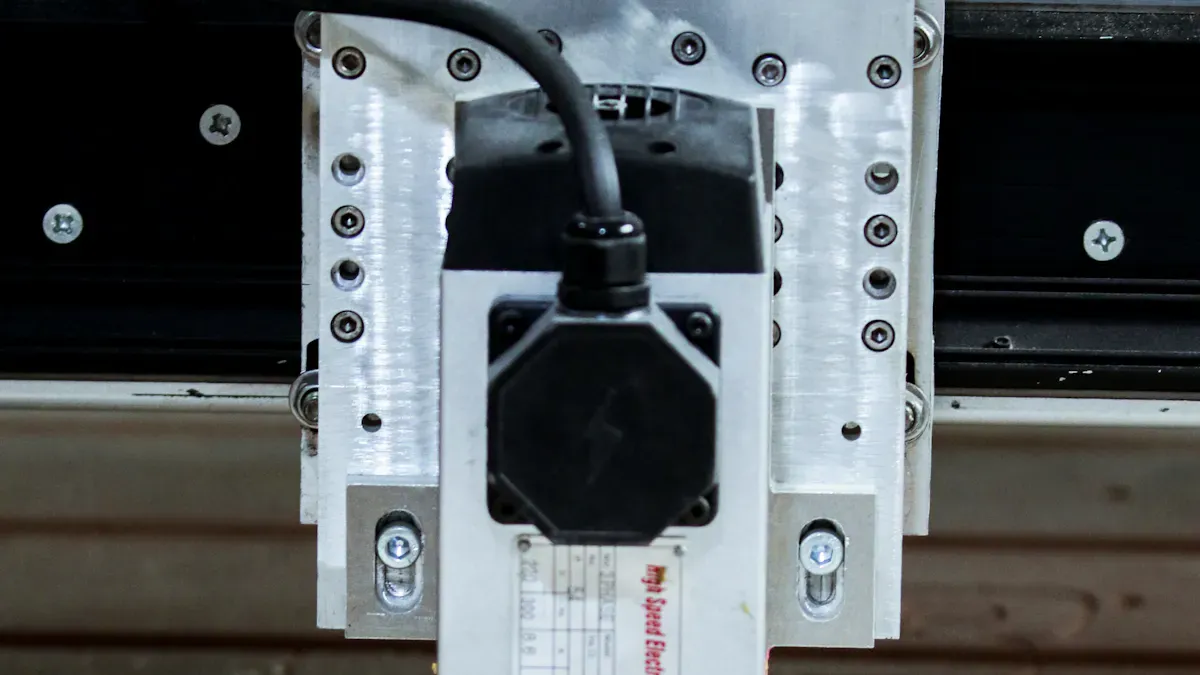
You need to understand the cnc spindle basics before you choose the right machine for your shop. The spindle is the heart of the cnc machine. It holds, rotates, and drives the cutting tool. This action lets you shape metal, wood, or plastic with high precision. The spindle connects the tool to the workpiece. You control the spindle’s speed and power to match the job. When you use the right spindle, you get better accuracy and faster results. The spindle’s performance affects how smooth the surface will be and how long your tools last.
Tip: The spindle acts as the main interface between the tool and the workpiece. It helps you achieve the quality and speed you need for your projects.
Spindle Structure and Function
You can break down the spindle into several important parts. Each part works together to make sure your cnc machine runs smoothly. Look at the table below to see the main components and their roles:
Component | Description |
|---|---|
Core assembly | Composed of the shaft, drawbar, and outer housing. This forms the backbone of the spindle. |
Bearing system | Precision bearings determine speed and load tolerance. They influence accuracy and tool life. |
Drive system | This part dictates torque and vibration. It affects how well the spindle fits your application. |
You see the spindle supported by the column. It holds and spins the machine tool. An electric motor powers the spindle and controls its rotation. When you set the right speed and torque, the spindle cuts the material cleanly. You get the best results when you match the spindle’s features to your job.
The spindle is a machine component supported by the column.
It holds and runs the machine tool.
An electric motor drives the rotation of the spindle.
You now know the basics of how the spindle works and why it matters in cnc machining.
Key CNC Spindle Features
Power and Speed
When you pick a cnc spindle, look at power and speed. Power shows how much force the spindle gives the cutting tool. High-speed spindles let you cut things faster. They also help you get smoother surfaces. You use high-speed spindles for jobs that need fine detail. These spindles are good for work that needs high precision. If you cut soft materials like plastic or wood, high-speed spindles help you finish fast. For metals, you need both high power and high speed. This helps you keep up with tough jobs. High-speed spindles also make the spindle more accurate. They help you get a better surface.
Tip: Make sure the spindle’s power and speed fit your material and job. This helps you cut better and get good results.
Torque
Torque is the turning force of the spindle. You need enough torque to cut hard materials. If you do heavy cnc jobs, pick a spindle with high torque. Here are some common torque needs for tough cnc jobs:
Peak torque for heavy cnc jobs is 130 Nm.
High torque lets you remove more material faster.
More torque means tools last longer and surfaces are stronger.
You get better results when you match torque to your job. High torque also helps you cut fast without losing accuracy.
Cooling Methods
Spindles get hot when they run fast. You need a good way to cool the spindle. Cooling helps the spindle work well and last longer. There are two main cooling methods: air-cooled and water-cooled. The table below shows how each method affects your cnc spindle:
Cooling Method | Advantages | Disadvantages |
|---|---|---|
Air-Cooled | Easy to set up, needs little equipment | Makes more noise |
Water-Cooled | Keeps temperature steady for long jobs | Harder to install |
Air-cooled spindles are simple and easy to use. Water-cooled spindles keep the spindle cool during long, fast jobs. Pick the cooling method that fits your shop and your work.
Bearing Types
Bearings hold the spindle shaft and help it spin smoothly. The type of bearing you pick changes how precise the spindle is. High-speed spindles need special bearings for fast spinning. Most spindles use ball bearings. Some high-precision spindles use ceramic bearings. Ceramic bearings last longer and make less heat. Good bearings cut down on vibration. They help you get high precision in your work. Good bearings also help your spindle and tools last longer.
Note: Always check the bearing type when you pick a cnc spindle. Better bearings give you more accuracy and smoother surfaces.
Tool Holding Systems
The tool holding system connects the cutting tool to the spindle. You need a strong and precise tool holder for good results. There are different tool holders like collets, chucks, and automatic tool changers. High-speed spindles often use quick-change systems to save time. A good tool holding system keeps the tool steady during fast cutting. This helps you get high precision and a better surface.
Drive Types
The drive type is how the spindle gets its power. You can pick from belt-driven, direct-drive, or built-in spindles. Each type has its own good points and care needs. The table below compares the main drive types:
Spindle Type | Efficiency Characteristics | Maintenance Requirements |
|---|---|---|
Belt-Driven | Simple and cheap, but not as strong or precise because belts can stretch or slip. | Needs regular care because belts and pulleys wear out. |
Direct-Drive | Better speed control and less vibration, so you get a nicer finish. | Needs less care since there are no belts, but the motor still needs attention. |
Built-In | Very strong, fast, and keeps a steady temperature, great for precise work. | Needs little care because there are no outside parts, so it stays stable. |
Pick the drive type that fits your cnc job. Belt-driven spindles are good for simple jobs. Direct-drive and built-in spindles give you more precision and work better at high speeds. Built-in spindles are best for high-speed, high-precision work because they stay cool and steady.
Remember: The right drive type helps you get the best from your cnc spindle. It supports important things like speed, accuracy, and cutting power.
CNC Spindle Types
You see three main types of cnc spindles in most shops. Each type gives you different benefits for speed, accuracy, and maintenance. You need to know the differences to pick the best spindle for your work.
Belt-Driven Spindle
Belt-driven spindles use a belt to connect the motor to the spindle shaft. You can change the belt to adjust speed. These spindles work well for jobs that do not need high precision. You find them in woodworking and light metal work. Belt-driven spindles cost less and are easy to fix. The belt can stretch or slip, so you must check it often. You need to replace belts and pulleys when they wear out.
Direct-Drive Spindle
Direct-drive spindles connect the motor straight to the spindle shaft. You get better speed control and less vibration. These spindles help you make smoother surfaces. You use direct-drive spindles for jobs that need high accuracy. They work well for metal cutting and fine detail work. You do not need to worry about belts slipping. Maintenance is easier because there are fewer moving parts. You still need to check the motor and bearings.
Built-In (Motorized) Spindle
Built-in spindles have the motor inside the spindle body. You get high speed and strong power. These spindles stay cool and steady during long jobs. You use built-in spindles for high-precision work like mold making or electronics. Maintenance is simple because there are no outside parts. You only need to check the cooling system and bearings.
Application Suitability
You must match the spindle type to your job. The table below shows how each spindle fits different tasks:
Spindle Type | Best Use Cases | Performance | Maintenance Needs |
|---|---|---|---|
Belt-Driven | Woodworking, light metal | Moderate | Replace belts and pulleys |
Direct-Drive | Metal cutting, precision | High | Check motor and bearings |
Built-In | Mold making, electronics | Very High | Inspect cooling and bearings |
Note: Air-cooled spindles need little maintenance. Water-cooled spindles need regular checks on cooling systems. High-frequency spindles require frequent inspections of bearings.
You see that types of cnc spindles affect how often you must maintain your machine. You save time and money when you pick the right spindle for your application. You get better results and longer tool life when you match the spindle to your needs. You now know the main cnc spindle types and how they fit different jobs.
Selecting the Right CNC spindle
Matching Specs to Materials
You need to match the cnc spindel to the material you want to cut. Each material needs a different approach. If you use the wrong spindle, you may damage the machine or get poor results. Look at these points when you choose a spindle for your machine:
Material type: Hard metals need more power and torque. Soft materials like wood or plastic need higher speed.
Sheet thickness: Thick sheets need a stronger spindle. Thin sheets work well with less power.
Spindle power: More power helps you cut tough materials. Less power works for light jobs.
Feed rate: Faster feed rates need a spindle that can keep up without losing accuracy.
You get better process efficiency when you match the spindle to the material. This helps your machine work longer and gives you a smoother finish.
Application and Performance Needs
You must think about what you want your cnc spindel to do. Some jobs need high precision. Others need more power. Use the table below to compare important performance metrics for your machine:
Metric | Details |
|---|---|
Light tasks: 0.8–2.2 kW; Heavy machining: 3–9+ kW | |
RPM Range | Soft materials need high RPM; metals need low RPM with high torque. |
Torque | Needed for heavy cuts and keeping RPM steady. |
Tool Holder Type | ER collet size changes tool diameter and precision. |
Voltage & Electrical Requirements | Must match your machine’s inverter output. |
Cooling Method | Pick based on how long and hard your machine runs. |
You improve efficiency when you pick a spindle that fits your job. The right choice helps your machine last longer and gives you better results.
Practical Evaluation Tips
You can use a few simple tips to pick the best cnc spindel for your machine:
Check the spindle’s rated power and torque. Make sure it matches your material and job.
Look at the RPM range. High RPM works for soft materials. Low RPM with high torque works for metals.
Test the tool holding system. A good system keeps your tool steady and improves accuracy.
Review the cooling method. Water-cooled spindles work well for long jobs. Air-cooled spindles are easier to set up.
Match the spindle’s voltage to your cnc machine’s electrical system.
Tip: Always test the spindle with your material before you start a big job. This helps you avoid mistakes and keeps your machine safe.
You get the best process efficiency when you follow these steps. Your machine will run better, and you will see better results in every job.
CNC Spindle Maintenance
Routine Checks
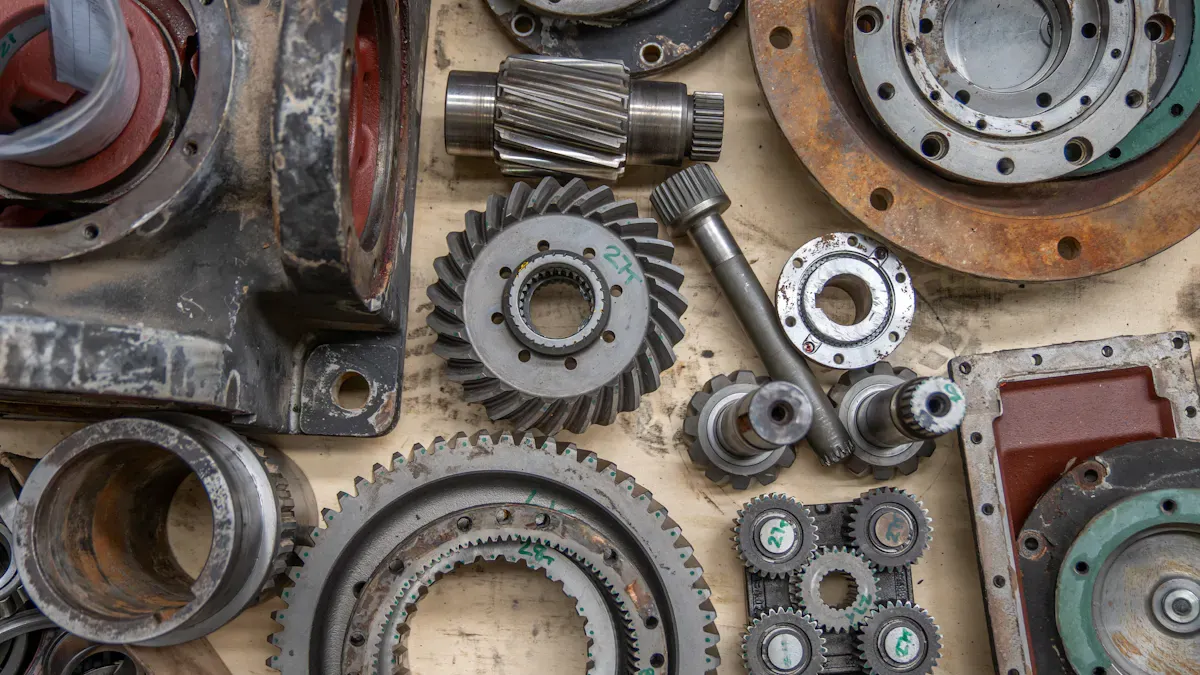
Doing regular checks helps your machine work well. Start each shift by warming up the spindle. Run it at a medium speed for a few minutes. This keeps the bearings safe from sudden stress. Listen for odd noises or feel for shaking. These can mean the bearings need help or the spindle is not balanced. Watch the temperature while the spindle runs. If it gets too hot, there may be a cooling problem or too much load. Check the cooling system often. For air cooled spindle motors, clean the fans and make sure air moves well. For water cooled spindle motors, check the coolant level and look at the hoses. Always clean tool holders and collets. Make sure you tighten them with the right amount of force.
Description | |
|---|---|
Warm-Up Routine | Run at mid-speed for a few minutes at the start of each shift. |
Sound & Vibration Monitoring | Unusual noise or vibration indicates bearing wear or imbalance. |
Temperature Checks | Overheating signals cooling failure or overload conditions. |
Cooling System Inspection | Check coolant levels, hose condition, and fan cleanliness. |
Tool Holder Care | Clean collets, nuts, and taper seats regularly. Ensure correct tightening torque. |
Tip: Doing these checks helps you avoid expensive cnc spindle repair. It also keeps your high frequency spindle motors working their best.
Extending Tool Life
You can make your tools last longer by keeping things clean and steady. Use the right cnc spindle motor types for your job. High-speed jobs need high frequency spindle motors with good cooling. For very careful work, pick high-performance spindle options. Always use sharp tools and change them before they get dull. Clean tool holders and spindle tapers after every use. For metalworking and careful jobs, keep the temperature and shaking steady. Both air cooled spindle motors and water cooled spindle motors need regular checks. Taking care of these things means you will not need cnc spindle repair as often and your work stays accurate.
Use the right spindle speed and feed rates.
Change tools when they get worn out.
Keep the spindle and tool holders clean.
Watch the spindle’s temperature and shaking.
Troubleshooting Common Issues
Sometimes you may hear noise, feel shaking, or see the spindle get hot. If you hear loud sounds, stop the machine and check the bearings. Shaking can mean the spindle is not balanced or the tool holder is dirty. If the spindle gets too hot, the cooling system may not be working. For air cooled spindle motors, check the fans. For water cooled spindle motors, look at the coolant flow. If your work looks rough, check for dull tools or loose tool holders. Fixing problems fast stops bigger trouble and saves time on cnc spindle repair. When you solve issues early, your machine works better and your results stay good.
Note: Regular care and quick fixes help you avoid long cnc spindle repair times. This keeps all cnc spindle motor types working well for high-speed jobs.
When you know about spindle features and specifications, your cnc machine works better. Picking the right spindle for your job helps you be more accurate. It also makes your work faster and helps your tools last longer. If you use a spindle made for heavy workpieces, it will be stronger. It will also turn better and last longer. Always remember to use the tips from this guide when you check or change your spindle. This helps you get the best results for every project you do.
FAQ
What is the most important feature to check in a CNC spindle?
You should check the spindle’s power and speed. These features help you handle different cutting jobs. When you match the spindle to your material, you get better results and longer tool life.
How do I know which spindle is best for cutting metal?
You need a spindle with high torque and strong power. This helps you perform heavy cutting tasks. Direct-drive or built-in spindles work well for metal because they stay steady and accurate.
Why does spindle cooling matter during cutting?
Cooling keeps the spindle from overheating. When you run long cutting jobs, cooling helps the spindle stay stable. Water-cooled spindles work best for tough cutting tasks and help you avoid damage.
What tool holding system should I use for fast cutting?
Quick-change tool holders save you time. You keep the tool steady during fast cutting. Collets and chucks work well for most jobs. Automatic tool changers help you switch tools quickly and keep your cnc machine running.
How often should I check spindle bearings during cutting?
You should check spindle bearings every week. Bearings help the spindle spin smoothly during cutting. If you hear noise or feel vibration, you need to inspect them right away. Clean bearings help you get accurate results.
See Also
Exploring Various Categories of CNC Cutting Tools
A Comprehensive Guide to Jigs and Fixtures in Manufacturing
Defining Functional Testing for CNC and Die Casting
Exploring Advantages of CAE Analysis in Die Casting
A Detailed Guide to CAD Design in Die Casting
About Hunan Puka

Established in 2016 and based in Hunan, China, with a liaison point in Berlin, we are a Tier 2 supplier for the automobile industry. We specialize in the production of customized aluminum die-casting parts designed for machines with a closing force ranging from 280 to 1250 tons, with subsequent manufacturing process CNC machining and surface treatment. Our commitment to quality is reflected in our accredited quality management system, certified by ISO9001:2015 and IATF16949:2016 standards.