How to Calculate Structural Die Casting Parts Cost in 2026

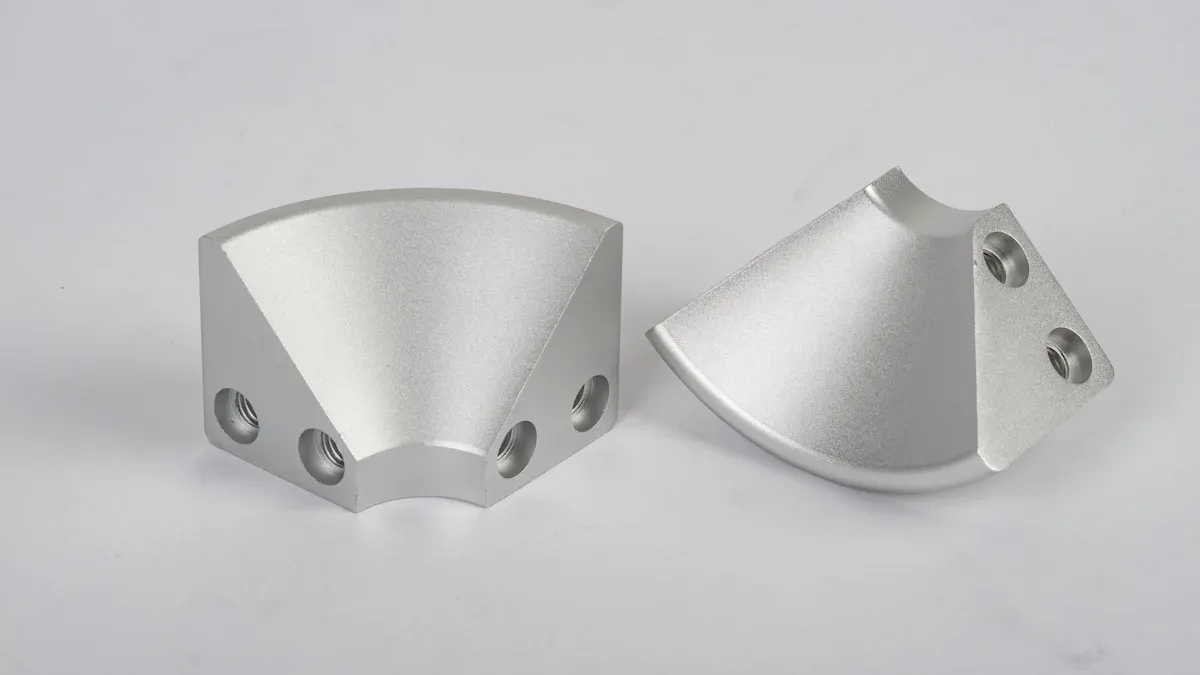
You should learn how to guess the cost of structural die casting parts in 2026. Many things change the total price. These things are material, tooling, production volume, part complexity, machine and labor, secondary operations, quality control, and other things like taxes, packaging, and delivery. If you make early and correct guesses, you can find ways to save money. You will use easy steps and simple formulas for better results.
Structural Die Casting Parts: Cost Drivers
Material and Alloy Costs
You have to pick the right material for your parts. The alloy you choose changes how much you pay. Some alloys cost more than others. Look at the table to see prices for common alloys in 2026:
Alloy | Price (USD/mt without VAT) |
|---|---|
A380 | 2,615.52 |
ADC12 | 2,482.33 - 2,506.55 |
Material costs depend on market price, alloy density, and how much you use. If you pick a heavier alloy, you pay more money. The price of aluminum, zinc, and magnesium goes up and down. This happens because of global supply and demand. You need to watch these changes. They can change your total cost. When supply chains change, aluminum die casting costs may go up. New technology might also make prices higher.
Tip: Check raw material prices often. This helps you keep your budget safe.
Material choice changes die casting prices by raw material cost, processing needs, and waste.
Material cost depends on market price, density, and how much you need.
Tooling and Mold Expenses
You need to pay for tooling and molds before making parts. These costs can be high for complex designs. The table shows the main types of tooling costs:
Cost Type | Description |
|---|---|
Fixed Costs | Tooling design and making, from a few thousand to hundreds of thousands of dollars. |
Variable Costs | Costs that change with how many parts you make, like materials and processing. |
Maintenance Costs | Die repair, replacement, and machine care. |
If you make lots of parts, you spread tooling cost over more pieces. This makes each part cheaper. If you make only a few, tooling cost per part stays high. Plan for maintenance because broken molds stop work and add extra costs.
Production Volume Effects
How many parts you make changes the cost for each one. If you make more, each part costs less. The table shows how production volume changes cost:
Production Volume | Cost per Part | Fixed Cost Allocation |
|---|---|---|
1,000 units | $50.00 | $50,000 / 1,000 |
100,000 units | $0.50 | $50,000 / 100,000 |
Making lots of parts saves money. You use machines and automation. High Pressure Die Casting (HPDC) works best for big batches. See more details in the next table:
Feature | Description |
|---|---|
Process Type | High Pressure Die Casting (HPDC) |
Material | Aluminum or magnesium alloys |
Filling Time | 0.2 to 0.4 seconds |
Casting Pressure | Up to 1000 bar |
Cooling Time | Short cooling time |
Automation | Fully automated process |
Mould Costs | High, but worth it for big amounts |
Applications | Automobile, mechanical engineering, equipment technology |
Note: Making more parts lowers your cost for each one. This is called "economies of scale."
Part Complexity and Design
The way your part looks changes the cost. Simple shapes are cheaper to make. Complex designs need special molds and longer setup. If your part has thin walls, deep pockets, or tight spaces, it costs more. You may need extra steps to check quality or fix mistakes. Design fees add to your total cost. Guessing early helps you avoid expensive changes later.
Machine, Labor, and Overhead
You pay for machines and workers to make your parts. Machine costs include buying, using, and fixing equipment. Labor costs depend on skill and hours worked. Overhead costs are rent, utilities, and insurance. These costs can change if your part is complex. Overhead costs in die casting can be high. You need to control them to make money. If you forget these costs, you might lose money.
Secondary Operations and Quality
After casting, you may need extra steps like trimming, machining, or painting. These steps add to your cost. Quality checks make sure your parts meet standards. If you find problems, you must fix or replace parts. This makes your costs go up. You should plan for these steps early. Good planning helps you avoid mistakes and keeps costs low.
Alert: Remember taxes, packaging, and delivery. These costs can surprise you if you do not plan.
You need to think about all these cost drivers when you guess the price of structural die casting parts. Early and correct guesses help you control your budget and avoid mistakes.
Cost Estimation Steps
Breaking Down Each Component
You need to look at each cost part before you estimate the total price. Every part of the process has its own cost. You can use a table to see the main cost components and what they mean:
Cost Component | Description |
|---|---|
Material Cost | This is the price of raw materials. You must think about melting loss and how much material you use. |
Die Casting Machine Cost | This is the cost of the machine. You spread this cost over its life, including buying and fixing it. |
Labor Cost | This is the money you pay workers for jobs like deburring and checking quality. It is often a percent of the total cost. |
Mold Cost | This is the cost for mold design, making, and how long the mold lasts. You also need to plan for repairs. |
Tip: Write down each cost part. This helps you see where your money goes.
You can follow these steps to break down the costs:
Find the material cost. Use the weight of your part and add extra for melting loss.
Figure out the machine cost. Divide the total machine price by the number of parts you plan to make.
Calculate labor cost. Use a percent of the total cost for making blanks.
Check the mold cost. Think about how hard the design is and how often you need to fix the mold.
Estimating Structural Die Casting Parts Cost
You can use simple formulas to estimate the cost for each part. Here are the main steps:
Material Cost Calculation
Use this formula:Material Cost = (Net Weight of Part + Melting Loss) × Material Price per UnitYou need to know the weight of your part and the price for each unit of material.
Machine Cost Calculation
Use this formula:Machine Cost per Part = (Total Machine Cost + Maintenance) ÷ Total Number of Parts MadeYou spread the cost of the machine over all the parts you make.
Labor Cost Calculation
Use this formula:Labor Cost = Total Cost of Die Casting Blanks × Labor PercentageYou can use a percent, like 10%, for labor.
Mold Cost Evaluation
Use this formula:Mold Cost per Part = Total Mold Cost ÷ Expected Number of Parts Mold Will MakeIf your mold lasts longer, the cost for each part goes down.
Note: Add other costs like trimming, painting, quality checks, taxes, packaging, and delivery to get the full price.
Sample Calculation
Let’s look at a sample calculation for one part. You want to make 10,000 structural die casting parts. Here is how you can estimate the cost:
Net weight of part: 1.5 kg
Melting loss: 0.1 kg
Material price: $2.50 per kg
Machine cost: $100,000 (service life: 100,000 parts)
Maintenance: $10,000
Labor percentage: 10%
Mold cost: $50,000 (expected to make 100,000 parts)
Other costs (secondary operations, quality, taxes, packaging, delivery): $1.00 per part
Step-by-step calculation as example:
Material Cost
(1.5 kg + 0.1 kg) × $2.50 = 1.6 kg × $2.50 = $4.00 per partMachine Cost per Part
($100,000 + $10,000) ÷ 100,000 = $110,000 ÷ 100,000 = $1.10 per partLabor Cost
(Material Cost + Machine Cost) × 10% = ($4.00 + $1.10) × 0.10 = $5.10 × 0.10 = $0.51 per partMold Cost per Part
$50,000 ÷ 100,000 = $0.50 per partOther Costs
$1.00 per part
Total Cost per Part:
Material Cost + Machine Cost + Labor Cost + Mold Cost + Other Costs
= $4.00 + $1.10 + $0.51 + $0.50 + $1.00
= $7.11 per part
Callout: You can use these steps for your own parts. Change the numbers to match your project.
You can now estimate the cost for your structural die casting parts. This helps you plan your budget and avoid surprises.
Cost Optimization and Pitfalls
Reducing Die Casting Costs
You can save money by using smart ways to make parts. Many companies change how they work to spend less. For example, if you make the injection go faster, you get fewer bad parts. This means you throw away less and save money. You should also watch the mold temperature. If the temperature stays steady, the mold lasts longer. This lets you use it for more parts and saves money. If you upgrade your machines, you can see problems right away. This helps you fix things fast and keeps the machines running. You can save a lot of money each year. Using lean production means workers make fewer mistakes. This helps you make more parts every year.
Here is a table that shows how these ideas help:
Strategy | How It Helps | Benefit |
|---|---|---|
Process parameter optimization | Faster injection lowers defects | |
Mold temperature control | Stable temperature extends mold life | $0.18 saved per part |
Intelligent upgrading | Real-time monitoring reduces downtime | $230,000 saved per year |
Lean production management | Fewer mistakes increase output | 15% more parts per year |
Tip: Check your process often. Even small changes can help you save a lot.
Common Mistakes to Avoid
You can have problems if you skip important steps. Some people forget to check the mold on time. This can make the mold break and cost more money. Others do not look at their process data. They miss ways to make better parts. Some do not teach workers well. This makes more mistakes and waste. You should not forget about extra steps like trimming and painting. These steps can cost a lot if you do not plan for them.
Do not skip checking your machines.
Always write down your production data.
Teach your team to find and fix mistakes.
Add all extra steps to your cost plan.
Alert: If you forget any cost, you might spend too much. Good planning helps you stay on budget.
Estimation Checklist
Key Steps and Reminders
You need a simple checklist to guess costs for your project. This helps you not forget any important steps. Follow these easy steps to cover the whole process:
Gather Part Information
Write down your part’s size and weight. Note if it has thin walls or tricky shapes.Select the Right Alloy
Check the newest prices for alloys. Pick the material that fits your needs and money plan.Calculate Material Usage
Add your part’s weight and melting loss. Multiply this by the material’s price.Review Tooling and Mold Costs
Get price quotes from suppliers. See how many parts each mold can make before it wears out.Estimate Machine and Labor Costs
Find out how much it costs to run machines and pay workers. Divide machine costs by the number of parts you want to make.Include Secondary Operations
List extra steps like trimming, machining, or painting. Add the cost for each extra step.Plan for Quality Control
Save money for checks and tests. Make sure your parts meet all rules.Add Overhead and Other Expenses
Include rent, power, insurance, taxes, packaging, and delivery. These can change your total cost.
Tip: Use a table to track every cost. This helps you see where your money goes.
Step | What to Check | Why It Matters |
|---|---|---|
Part Info | Size, weight, design | Affects material and mold |
Alloy Selection | Price, properties | Impacts total cost |
Material Calculation | Net weight, melting loss | Prevents shortages |
Tooling/Mold | Quotes, mold life | Controls per-part cost |
Machine/Labor | Usage, rates | Keeps budget accurate |
Secondary Ops | List all steps | Avoids surprise costs |
Quality Control | Inspection plan | Ensures good parts |
Overhead/Other | All extra expenses | Gives full cost picture |
Reminder: Check every step before you finish your estimate. Small mistakes can cause big problems later.
You can figure out the cost by using easy steps. First, look at material, tooling, machine, labor, and mold costs. Next, add costs for extra steps, quality checks, and overhead. Use a checklist to keep track of each part. Good estimates help you avoid errors and save money.
Tip: Check every cost before you finish your plan. Careful planning helps you get better results in 2026.
FAQ
What is the most expensive part of die casting?
Material and tooling usually cost the most. You pay more for high-quality alloys and complex molds. You can lower costs by choosing simple designs and checking material prices often.
How do you reduce die casting costs?
You can save money by making more parts at once. You should use lean production and keep machines in good shape. You can also design parts with fewer details.
Why does production volume matter?
Making more parts spreads fixed costs over many pieces. You pay less for each part. Small batches cost more because you cannot share tooling and setup costs.
What mistakes should you avoid when estimating costs?
You should not forget extra steps like trimming or painting. You must check mold life and machine upkeep. Missing these can make your budget too low.
See Also
Comprehensive Approach to CAD Design for Die Casting
Key Elements That Affect Die Cast Mold Pricing
Exploring Advantages of CAE Analysis in Die Casting
Finding Optimal Closing Force for Your Die Casting Product
Essential Trends in the 2025 Automotive Aluminum Die Casting Sector
About Hunan Puka

Established in 2016 and based in Hunan, China, with a liaison point in Berlin, we are a Tier 2 supplier for the automobile industry. We specialize in the production of customized aluminum die-casting parts designed for machines with a closing force ranging from 280 to 1250 tons, with subsequent manufacturing process CNC machining and surface treatment. Our commitment to quality is reflected in our accredited quality management system, certified by ISO9001:2015 and IATF16949:2016 standards.