Emerging Trends in Automotive Bracket Design for Lightweight Vehicles

You see automotive bracket design changing fast as people care more about the environment. Many companies now pick new materials like carbon composites, die-cast aluminum, or thermoplastic composites instead of steel. This change in automotive bracket materials helps you make cars lighter and better for the planet. Lighter automotive bracket solutions mean cars use less gas and make less pollution. The table below shows how new materials like Progano give great benefits:
Material | Weight Reduction | CO2 Footprint Reduction |
|---|---|---|
Progano | Up to 35% less than aluminum, 75% less than steel | Reduces CO2 footprint by a factor of 4 compared to aluminum |
You can see how new automotive bracket ideas help the environment by making cars lighter and cleaner. Every automotive bracket now matters for the environment, so these changes are very important for today’s engineers.
Drivers of Automotive Lightweighting
Regulatory and Sustainability Demands
Automotive lightweighting is getting more important now. New rules and green goals are changing the industry. Governments make strict rules about emissions and fuel use. These rules make you look for ways to make vehicles lighter. Using lightweighting strategies helps you follow these rules. When you pick materials for automotive brackets, you help the planet by choosing recyclable ones and cutting down on weight. This change saves resources when making cars and lowers energy use when driving. Lightweighting also helps the circular economy. It means you use materials that can be used again or recycled.
Performance and Efficiency Goals
You want cars to work better and use less energy. Lightweighting strategies help you reach these goals. Using lightweight brackets cuts down on weight and mass. This makes cars use energy better. For example, plastic motor mounts and glass fiber reinforced polymers help lower weight and make building cars faster. These changes make cars more efficient and help meet hard emissions rules. In electric vehicles, lightweighting gives you a longer driving range. The car needs less energy to move. The table below shows how lightweighting helps cars use energy better:
Evidence Description | Key Point |
|---|---|
Reduces energy requirements during acceleration | |
Long fiber reinforced high-performance polyamides as alternatives | Lighter than traditional heavy die-cast alloys, enhancing vehicle efficiency |
Market and Consumer Trends
Market trends also push for automotive lightweighting. More people want cars that use less fuel and make less pollution. There is a move to use lightweight materials for better fuel use. You also see new technologies in car design. Safety rules keep getting tougher, so you need lightweighting that keeps cars strong. Many people want to change their cars, so you look for lightweight brackets that fit different needs. These trends show that cutting weight and mass is not just for engineers. The market wants it too.
Move to lightweight materials for better fuel use
Use of new technologies in car design
More focus on car safety rules
More people want to change and upgrade their cars
Material Innovations in Automotive Bracket Design

Big changes are happening in automotive bracket design. People use less steel and more lightweight materials. These new materials help make brackets lighter and stronger. You can mix different lightweight materials together. This makes brackets strong, light, and easy to recycle. More people want lightweight and multi-material brackets now.
Carbon Composites and Thermoplastics
Carbon composites and thermoplastics make brackets lighter and tougher. These materials have a high strength-to-weight ratio. This is important for making cars lighter. Thermoplastic composites are quick to process. You can fix them easily and recycle them when needed. This lowers the total cost over time. Carbon fiber composites help you meet lightweighting goals. They are much stiffer and stronger than steel. You can make brackets smaller and lighter but still strong.
Thermoplastic composites have high strength-to-weight ratios.
You can process these materials quickly.
They are easy to fix and recycle.
These materials last longer and make brackets tougher.
Carbon fiber composites help with lightweighting.
Carbon composites and thermoplastics weigh much less than steel. You can make brackets fit each use. They can be smaller and lighter but still tough. Carbon fiber composites can be ten times stiffer than metals. Their strength can be three to ten times higher than metals. This means you get lightweight brackets that are still strong. Many multi-material designs use these benefits.
Die-Cast Aluminum and Alloys
Die-cast aluminum and alloys are used for lightweight brackets. These materials have a great strength-to-weight ratio. They do not rust and last a long time. You can shape them in many ways. This helps with multi-material design. Die-cast aluminum makes strong and cheap parts. You can use these materials for complex shapes and less stressed car parts.
Great strength-to-weight ratio
Does not rust
Easy to design and make
Lightweight parts
Tough structures
Saves money
Good balance of weight and cost
Works for less stressed parts
Good for complex shapes
Die-cast aluminum and alloys are used in many brackets. These materials help with lightweighting and recycling. You can mix them with other lightweight materials for better results.
Recyclable Materials for Sustainability
Recycling is important when picking lightweight materials. Many new ideas use materials that are easy to recycle. This helps cut down on waste. It also supports the circular economy. More designs use recyclable plastics, aluminum, and composites. These materials help with lightweighting and being green.
Recyclable materials cut down on waste.
Recycling helps the circular economy.
Multi-material design lets you mix recyclable materials.
You can recycle thermoplastics, aluminum, and some composites.
Recycling lowers the environmental impact.
Lightweighting and recycling now go together. You can make brackets that are easy to recycle. This helps with green goals and new rules. More research is happening on new lightweight materials. Multi-material design lets you pick the best materials for each part.
Tip: When you pick lightweight materials for brackets, check if they can be recycled and used in multi-material designs. This helps you reach lightweighting and green goals.
You help shape the future of automotive bracket design. Using lightweight materials and recycling makes cars lighter and stronger. Multi-material design lets you choose the best materials for each part. This gets your brackets ready for new vehicles.
Advanced Manufacturing for Lightweight Structural Brackets
New ways to make things help you build lighter brackets. These methods make brackets stronger too. They help cars use less energy. You can use new machines and tools. This lets you make parts that were not possible before. Metal 3d printing, aluminum die casting, and smart design ideas are changing how brackets are made.
Metal 3D Printing Technology
Metal 3d printing builds brackets one layer at a time. You can make shapes that old methods cannot do. This helps you remove extra material. You keep only what is needed for strength. Additive manufacturing services let you make custom brackets fast. You can test new ideas quickly. This helps you improve lightweight design.
Some car makers use metal 3d printing for sports cars. These brackets are lighter and work better. After heat treatment, printed metal parts can be as strong as cast parts. Sometimes they are even stronger. You get high tensile strength and good fatigue performance. These parts work well in tough places.
More companies now use metal 3d printing for many parts. Some are making electric cars with 3d-printed parts. These cars use lightweight materials to help batteries last longer. Some companies test self-healing materials for car parts. This could mean less fixing and more value from lightweighting.
Metal 3d printing lets you:
Cut weight but keep strength
Make tricky shapes for better design
Test and build faster with additive manufacturing
You can use software to make bracket shapes better. A topologically-optimized bracket can be 25% lighter but still stiff. Low-density mesh designs lower weight and keep brackets strong. These new ways make lightweighting easier.
Aluminum Die Casting Techniques
Aluminum die casting is another way to make light brackets. You use this to make many strong brackets fast. Aluminum is light and does not rust. You can shape it into many forms. This helps with lightweight design.
The table below shows why aluminum die casting is good:
Benefit | Description |
|---|---|
High efficiency | Good for making lots of parts quickly. |
Excellent dimensional accuracy | Makes parts that fit well and look smooth. |
Material strength | Parts are strong and last long, better than some other ways. |
Cost-effectiveness | Costs less per part when you make many. |
Lightweight and corrosion-resistant | Aluminum is light and does not rust, great for strong brackets. |
Aluminum die casting saves time and money. If you make more than 43 parts, casting costs less than machining. You use more of the material, so there is less waste. The process makes parts right away, so you skip steps. You can make parts in half the time. Die casting gives you smooth surfaces, so you need less finishing.
Aluminum die casting lets you:
Save money when making lots of parts
Use less material for lighter brackets
Make thin and complex brackets for better design
Die casting works best when you need many brackets. The first mold costs a lot, but each part gets cheaper as you make more. For small numbers, other ways might be better. But for most car brackets, die casting helps with lightweighting and strength.
Topology Optimization and Bionic Design
Smart design tools help you make brackets even lighter. Topology optimization removes material where it is not needed. You keep only what is needed for strength. This helps you balance weight and performance. In racing, every bit of weight matters. Teams use topology optimization to cut bracket weight by almost half. This makes cars work better.
Bionic design uses ideas from nature. You look at how bones or plants grow. You use these patterns in your brackets. This makes parts that use less material and weigh less. You use computer tools and additive manufacturing to make these shapes. Bionic design makes brackets stronger and lowers CO2 emissions. Over time, you save money too.
Topology optimization and bionic design let you:
Remove extra material for lighter brackets
Use nature’s shapes for better design
Make brackets stronger and lower pollution
Note: When you use topology optimization and bionic design, you get brackets that are lighter, stronger, and better for the planet. These ways work best with metal 3d printing and additive manufacturing.
Advanced manufacturing is important for lightweighting. Metal 3d printing, aluminum die casting, and smart design tools help you make lighter, stronger brackets. These methods help you follow new rules, save energy, and make cars work better. Now you can use lightweight design for every car part. These tools help you lead in car engineering.
Applications of Lightweight Structures in Vehicles
Electric and Hybrid Vehicle Integration
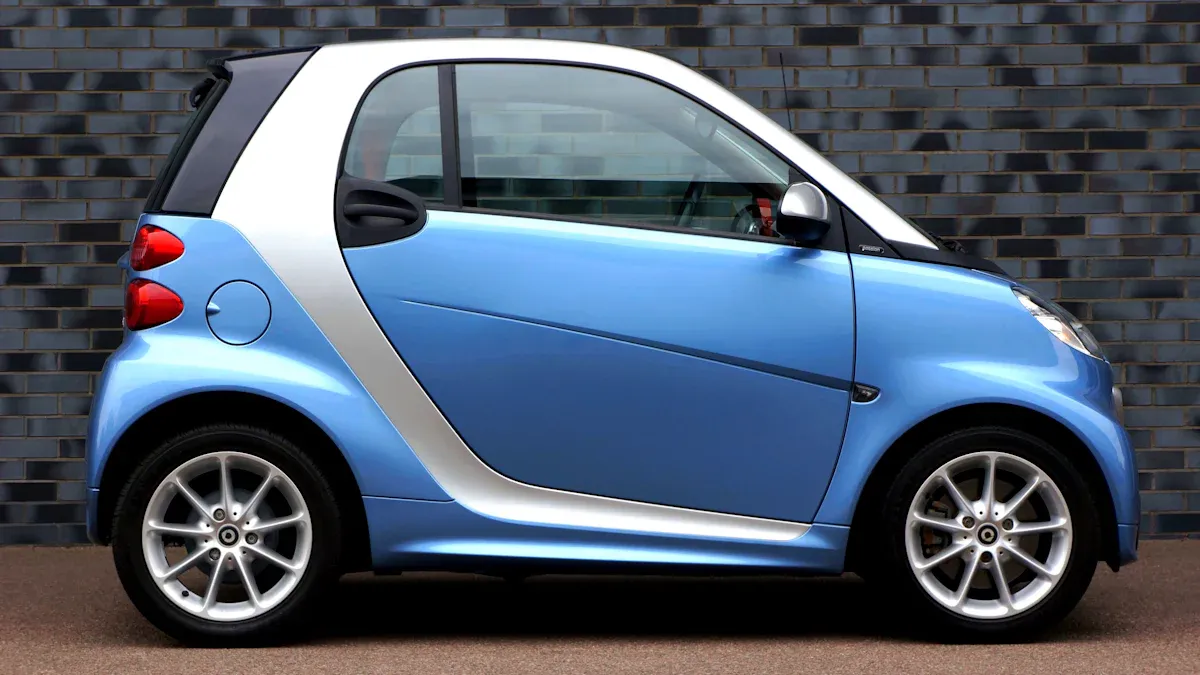
Lightweight structures are changing electric and hybrid vehicles. These vehicles need brackets to hold battery bases and protect the bottom. Thermoplastic material composites help store batteries and make them safer. They also make the car lighter. Underbody protection must stop damage and keep heat and sound out. You also see lightweight structures in bulkheads and rear bumper brackets. These parts show that lightweight brackets can be used in many ways.
Application | Description |
|---|---|
Battery bases | Shields batteries under the car using thermoplastic material composites. |
Underbody protection | Stops damage from the road and keeps heat and noise out. |
Other lightweight applications | Used in bulkheads and rear bumper brackets, showing many uses in cars. |
Using lightweight brackets made from thermoplastic composites lowers car weight. Hybrid parts can be up to 30% lighter than steel ones. This helps cars use less energy and supports green driving. These changes make electric and hybrid vehicles work better.
Motorsports and High-Performance Cars
Motorsports and fast cars need lightweight structures for speed and safety. Lightweight brackets help cut weight and make cars perform better. Carbon fiber composites can lower weight by 67%. Cars go faster and handle better with these parts. These changes also help racing be more eco-friendly.
Aspect | Details |
|---|---|
Weight Reduction | Carbon fiber composites lower weight by 67%. |
Performance Enhancement | Lightweight materials help cars go faster in races. |
Sustainability Goals | Using lightweight parts helps the car industry be greener. |
You use strong parts like suspension control arms made from lightweight materials. These parts help cars go fast and stay safe.
Mainstream Automotive Adoption
Lightweight structures are now used in regular cars. Car makers use lightweight brackets to make cars lighter and save energy. Selective Laser Melting technology helps make brackets with cooling channels inside. This new idea makes cars work better and keeps them light. You see lightweight structures in many new cars, not just sports cars.
Lightweight brackets help cars use less fuel.
More car models have lightweight structures every year.
Car makers use new technology to make lightweight structures stronger.
Tip: Picking lightweight structures for your car helps it work better and supports green goals.
Challenges and Future of Automotive Bracket Lightweighting
Cost and Scalability Barriers
It is hard to use lightweight brackets in every car. New materials cost much more than steel. Carbon-fiber composites can be at least 20 times pricier than steel. Magnesium and other advanced composites also have high prices. These high costs make it tough to use them in cars for everyone. You must think about the whole life of each bracket. High prices can slow down the move to a circular economy. You want to help the planet, but cars must stay affordable.
Magnesium and advanced composites cost more than steel, so they are not used in many cars.
Carbon-fiber composites are lighter and stronger than steel, but their high price keeps them out of most cars.
Compliance and Safety Standards
You have to follow strict rules when making lightweight brackets. These rules keep cars safe and help them last longer. Every bracket needs to pass important certifications. These standards check the whole life of each part, from making it to recycling. They help you lower harm to the planet and support the circular economy.
Certification Name | Year |
|---|---|
IATF 16949:2016 | 2016 |
DIN EN ISO 9001:2015 | 2015 |
ASI Certification 2024 | 2024 |
You must check that your brackets meet these rules at every step. This helps you make safe cars that are good for the planet and fit the circular economy.
Next-Generation Materials and Processes
Many new materials and ways to make lightweight brackets are coming. Composite materials like carbon and glass fiber are strong and light. Modern metals such as aluminum and titanium help too. Topology optimization puts material only where it is needed. Additive manufacturing, like 3D printing, makes tricky shapes that save weight and help the circular economy.
Composite materials: Carbon and glass fiber are strong and light.
Modern metals: Aluminum and titanium are light and strong.
Topology optimization: Material goes only where needed, like in nature.
Additive manufacturing: 3D printing makes light, complex parts.
Wire Arc Additive Manufacturing builds parts one layer at a time. This way uses less material and lowers harm to the planet. You can join many parts into one, making brackets 30 to 50 percent lighter. These changes help you think about the whole life of each bracket and support the circular economy. You make cars that are better for the planet from start to finish.
Tip: Always think about the whole life of your brackets. This helps you make choices that are good for the planet and support the circular economy.
You notice lightweight bracket ideas changing how cars are made. These new brackets help cars use less fuel. They also help electric cars go farther. New ways to make brackets, like 3D printing, are used more now. The table below shows how these changes help car design:
Impact Area | Description |
|---|---|
Fuel Efficiency | Lighter cars use less fuel |
EV Battery Range | Lightweight parts help batteries last longer |
Advanced Manufacturing | 3D printing creates complex, strong brackets |
Material Innovation | New composites make cars lighter and tougher |
Keep learning about new materials and rules. Try these ideas to stay ahead: Use 3D scanning to make better designs. Change parts for new ways to build cars. Make digital twins to help fix things. Use 3D printing to make special brackets.
FAQ
What is the main benefit of using lightweight brackets in vehicles?
When you use lightweight brackets, your car weighs less. This helps your car use less fuel and make less pollution. Lighter brackets also help cars work better and make electric car batteries last longer.
How do new materials help with sustainable transportation?
You use new materials like carbon composites and thermoplastics. These make cars lighter and stronger. They help lower pollution and support green transportation goals.
Are lightweight brackets safe for all types of vehicles?
Lightweight brackets are safe if they pass tough safety tests. Engineers check them for strength and how long they last. You can use them in both regular and electric cars and trust they will work well.
How do lightweight brackets support sustainable mobility solutions?
Brackets made from recyclable materials help cut down on waste. They also use less energy. Lightweight brackets are important for making cars greener and more efficient.
Can you recycle lightweight automotive brackets?
Many lightweight brackets can be recycled. Aluminum and some thermoplastics are easy to use again. Recycling these brackets helps protect the environment and supports a circular economy.
See Also
The Impact of Magnesium Alloys on Lightweight Production
Comparing Aluminium and Magnesium for Lightweight Die Casting
Understanding the 2025 Trends in Automotive Die Casting
Automobile Suppliers Boosting Capacity for Robotics Manufacturing
Die Casting's Role in Advancing the Robotics Sector
About Hunan Puka

Established in 2016 and based in Hunan, China, with a liaison point in Berlin, we are a Tier 2 supplier for the automobile industry. We specialize in the production of customized aluminum die-casting parts designed for machines with a closing force ranging from 280 to 1250 tons, with subsequent manufacturing process CNC machining and surface treatment. Our commitment to quality is reflected in our accredited quality management system, certified by ISO9001:2015 and IATF16949:2016 standards.