Top aluminium die casting industry challenges in 2026

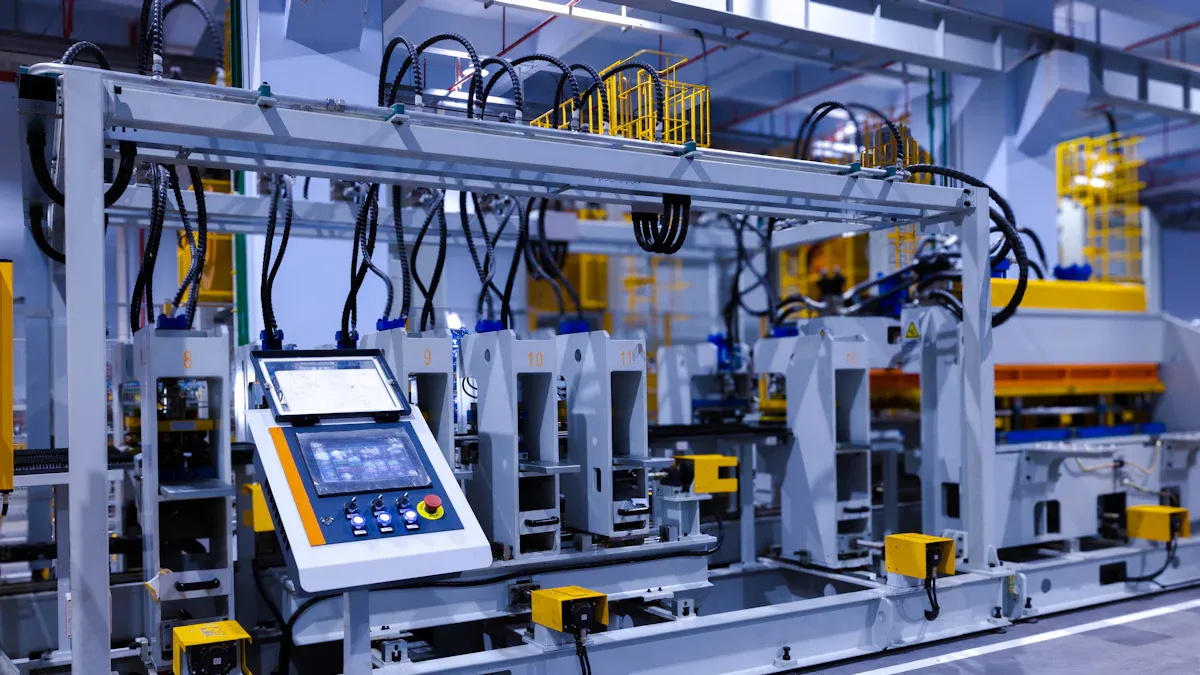
Industry experts think there will be big problems for Aluminum Die Casting in 2026. Companies may not have enough raw materials. Energy will cost more. There will be tougher environmental rules. The market will change a lot. Customers will want different things. This makes the future unclear. These problems can stop production. They can make costs go up. Product quality may get worse. Workers need to know about these problems. This helps them make good choices and keep their work safe.
Supply Chain Issues
Raw Material Shortages
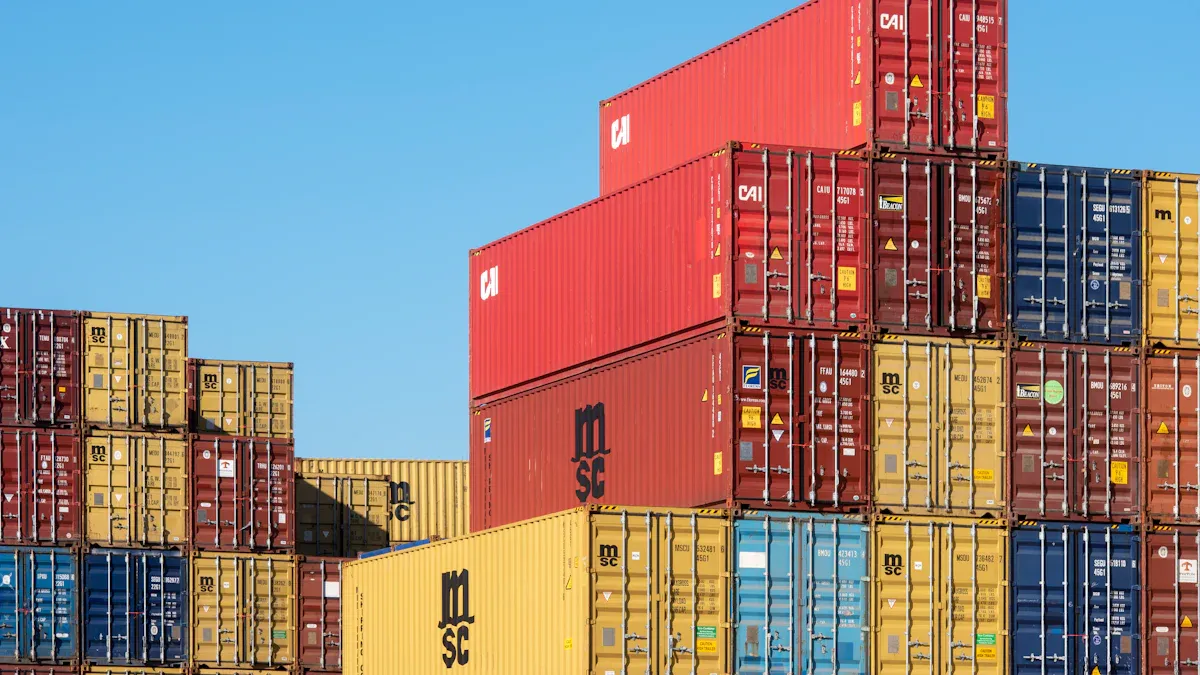
A lot of companies have trouble getting enough raw materials for Aluminum Die Casting. More people want aluminum each year. Some places cannot mine or refine enough metal. This makes it hard for factories to get the right amount and type of metal. When there is not enough, prices go up. Companies might have to wait longer for their orders. They need to plan early and find new suppliers.
Tip: Companies should work closely with their suppliers. This helps them get what they need faster and avoid waiting.
Logistics Disruptions
Problems with shipping can slow down Aluminum Die Casting work. Sometimes ports are too busy. Trucks and trains can be late. Bad weather can block roads or shut down factories. These problems make it hard to move materials and products. Companies need to watch their shipments all the time. They can use technology to find out where things are stuck.
Use tracking tools that show where things are
Keep extra supplies for emergencies
Pick shipping partners who are dependable
Market Volatility
The Aluminum Die Casting market changes fast. Aluminum prices can go up or down quickly. Politics or trade rules can change supply and demand. Companies have to check the market every day. They need to change their buying and selling plans when needed. Some companies use contracts to keep prices steady. Others buy from many suppliers to lower risk.
Note: Being able to change plans helps companies deal with sudden market changes.
Rising Costs in Aluminum Die Casting
Energy Price Impact
Energy prices keep rising in 2026. This affects every Aluminum Die Casting factory. Machines need a lot of electricity to melt and shape aluminum. When energy costs go up, factories pay more to make each part. Some factories use gas or oil. These fuels also cost more now. High energy bills can make products more expensive for customers. Companies must watch energy prices and look for ways to save power.
Tip: Switching to energy-saving machines or using solar panels can help lower energy bills.
Tooling and Production Expenses
Tooling costs are high in Aluminum Die Casting. Factories need special molds and tools to shape each part. These tools wear out over time. Replacing them costs a lot of money. Making new tools for custom parts can take weeks. This slows down production and increases expenses. Workers must check tools often to find problems early. Good maintenance can make tools last longer.
Check tools for damage every week
Train workers to use tools the right way
Store tools in a safe, dry place
Cost Control Strategies
Companies use many ways to control costs in Aluminum Die Casting. They buy materials in bulk to get better prices. They use smart software to track spending. Some factories recycle scrap metal to save money. Others work with local suppliers to cut shipping costs. Managers set budgets and check them each month. They look for waste and fix problems fast.
Cost Control Method | Benefit |
|---|---|
Bulk buying | Lower material prices |
Recycling scrap | Less waste, more savings |
Local suppliers | Lower shipping costs |
Monthly budget checks | Find and fix problems |
Note: Small changes in daily work can add up to big savings over time.
Defects in Aluminum Die Casting
Porosity and Shrinkage
Porosity is a common problem in Aluminum Die Casting. Many factories see tiny holes inside the metal. These holes are made by trapped gas or air. When molten metal is injected, jet breakup and atomization can make it worse. Porosity can make parts weak and cause leaks. Shrinkage happens when metal cools and gets smaller. This can leave cracks or gaps in the finished part. Workers use X-rays or pressure tests to check for porosity and shrinkage.
Tip: Testing often helps workers find porosity early. Fixing it quickly stops bigger problems later.
Cracks and Thermal Fatigue
Cracks can happen if metal cools too fast or gets stressed. Thermal fatigue happens when molds get hot and cold many times. This makes the metal and molds weaker. Small cracks can grow bigger over time. They might break parts or cause machines to fail. Workers look for cracks during checks. They change old molds to stop thermal fatigue.
Check molds after every production run
Use cooling systems to keep temperature steady
Cold Shut and Surface Defects
Cold shut happens when two streams of molten metal do not join well. This leaves a weak spot or line in the part. Surface defects are rough spots, blisters, or marks. These problems make parts look bad and weaker. Dirty molds or wrong temperatures often cause surface defects. Workers clean molds and watch the temperature closely.
Defect Type | Cause | Solution |
|---|---|---|
Cold Shut | Poor metal flow | Adjust injection |
Surface Defects | Dirty molds, heat | Clean, control heat |
Venting, Contaminants, and Impurities
Venting lets out trapped air and gas from molds. Bad venting causes bubbles or weak spots. Contaminants like oil, dust, or old metal mix with new metal. Impurities can change how strong or good the metal is. Workers use filters and clean molds to stop these problems. Good venting and clean materials make stronger parts.
Note: Keeping workspaces clean and venting right lowers defects and makes better products.
Quality and Accuracy Challenges
Material Quality Issues
Factories must use good metal to make strong parts. If there are too many bad things in the metal, parts can break fast. Workers check every batch of aluminum before they use it. They look for things like dirt, oil, or old metal mixed in. Clean metal helps parts last longer and work better. Some companies use filters and special tests to make sure the metal is good.
Good metal means fewer problems and safer products.
Dimensional Accuracy
Every part needs to fit with other pieces just right. Even small size mistakes can cause big trouble. Machines check the size of parts during and after making them. Workers use calipers and gauges to check length, width, and thickness. If a part is too big or too small, it might not work. Factories have strict rules for measuring. They teach workers to find mistakes early.
Measure parts at different times
Use digital tools to get better results
Fix mistakes before sending parts out
Accuracy Tool | Use |
|---|---|
Caliper | Measures thickness |
Gauge | Checks diameter |
Scanner | Scans full shape |
Surface Finishing
Surface finishing makes Aluminum Die Casting parts look nice and last longer. Anodizing adds color and keeps the metal safe. The TEFAF Maastricht 2025 trophy shows how anodizing gives a strong, pretty finish with smooth colors. Ematal coating makes products look classic and last longer. The Thermoplan building uses the Permalux process for a tough, green surface. Artists use anodizing to make cool designs, like a pink bike hub. These finishes help parts fight scratches, weather, and wear.
Surface finishing gives protection, style, and use for many industries.
Environmental Rules & Sustainability
Emissions Standards
New emissions standards change how factories work in 2026. Companies must make less pollution and use less energy. Many factories now use rheocasting. This process saves energy and helps meet tough rules. It also cuts CO₂ emissions to zero. Lighter parts from rheocasting use less material and work better. The table below shows how these changes help the planet and factories.
Benefit | Description |
|---|---|
Energy Consumption Reduction | Rheocasting saves a lot of energy. |
CO₂ Emissions Reduction | The process makes zero CO₂, meeting the rules. |
Weight Reduction | Parts can be up to 50% lighter and work better. |
Factories that follow emissions standards help the Earth and avoid getting fined.
Recycling Requirements
Recycling rules get tougher every year. Companies must use more recycled aluminum and show their parts are still strong. The RecAL project is a leader in recycling for circular aluminum. They test new alloys made from recycled stuff. They use special tools to check for bad things in the metal. These steps make sure recycled parts work as well as new ones.
The RecAL project works on recycling for circular aluminum.
New alloys use recycled materials but stay strong.
Special tools check for bad things in recycled aluminum.
Recycling saves resources and helps companies spend less money.
Eco-Friendly Practices
Many companies now use eco-friendly ways to lower their impact. Hazelett Corporation uses machines that save energy and new technology. Their twin-belt casters and CASTechnology™ make aluminum with less CO₂. AIC – Austria Iron Casting uses green ways to help the environment. They try to make less waste and use less energy.
Company | Eco-Friendly Practices |
|---|---|
Hazelett Corporation | Uses machines that save energy, makes less scrap, and helps the planet. |
Uses twin-belt casters and CASTechnology™ for less CO₂. | |
AIC – Austria Iron Casting | Uses green ways to make less harm to the environment. |
Eco-friendly ways make Aluminum Die Casting safer for people and the Earth.
Tech & Automation in Aluminum Die Casting
Digital Transformation
Factories use digital tools to work faster and better. Sensors watch machines and collect data all the time. Managers use this data to find problems early. Special software helps plan jobs and track parts. Digital dashboards show updates right away. These tools help teams make good choices and fix mistakes fast.
Digital transformation helps factories work smarter every day.
Workforce Upskilling
Workers need new skills for modern machines. Companies teach workers to use computers and robots. Training shows how to read data and fix easy problems. Some factories use online classes or hands-on lessons. When workers learn new things, they feel sure of themselves. They can fix problems quickly and keep machines working.
Teach workers about new machines
Give online and in-person classes
Give rewards for learning new things
Integrating New Technologies
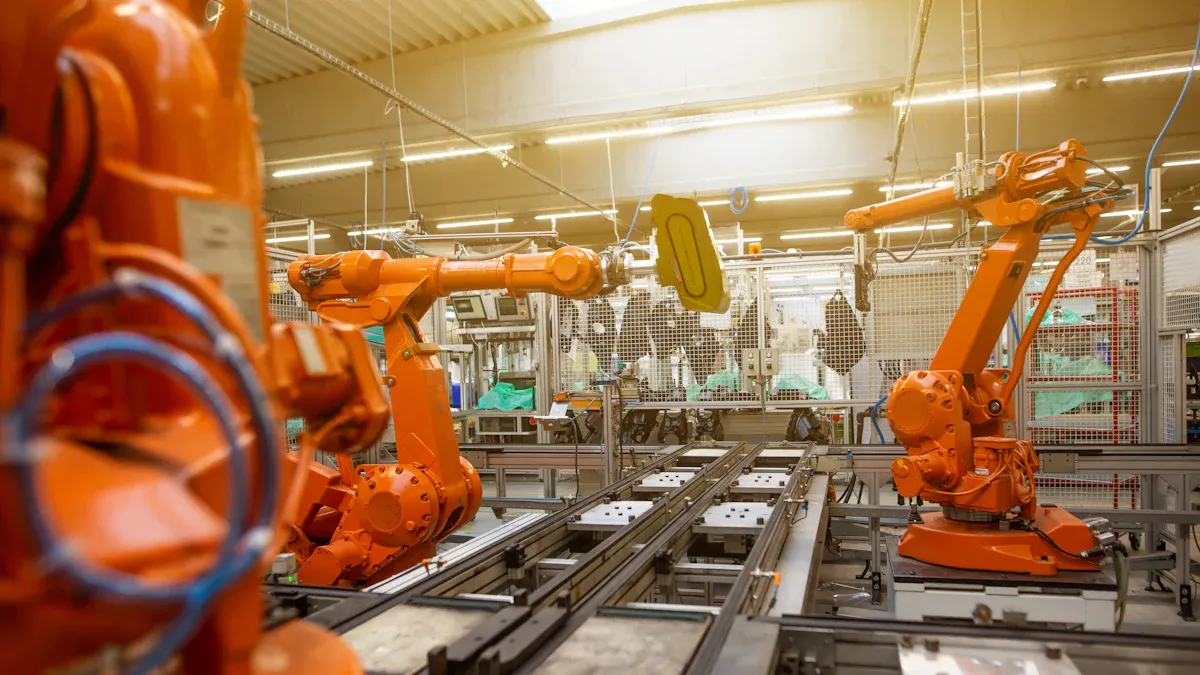
New technology changes how Aluminum Die Casting is done. Robots move heavy parts and pour metal safely. Automated arms help with jobs that need steady hands. 3D printers make custom molds very fast. Smart sensors check if each part is good. The table below lists new tools and what they do.
Technology | What It Does |
|---|---|
Robots | Move parts and pour metal |
3D Printers | Make custom molds fast |
Smart Sensors | Check part quality |
New technology helps factories make better parts and keeps workers safe.
Workforce Challenges
Skilled Labor Shortage
Many factories need more skilled workers for new technology. The Salzburg Aluminium Group (SAG) wants skilled workers to help with production. They also need them for advanced methods like rheocasting. If there are not enough skilled people, work slows down. Orders can stack up. Machines might not work right. Companies should train new workers and pay them well to get good people.
SAG looks for skilled workers for special jobs.
Work slows if there are not enough trained people.
Training and good pay help bring in new workers.
Companies that spend money on training have better results and fewer slowdowns.
Talent Retention
It is important to keep good workers, not just hire them. Many workers leave for better jobs or more money. When skilled workers go, factories lose their knowledge. This can make quality worse and slow down work. Managers should listen to workers and give them reasons to stay. They can give rewards, safe places to work, and chances to learn new things.
Give rewards for good work
Make the workplace safe and friendly
Let workers learn and grow
Workers who feel important stay longer and do better work.
Generational Shifts
The workforce is changing as older workers retire and younger people start. Each group has different skills and ways to work. Young workers like using new technology. Older workers know a lot from years of work. Factories should help both groups work together. They can use mentoring programs. Older workers can teach new skills. Young workers can show how to use new machines and software.
Group | Strengths | Needs |
|---|---|---|
Older Workers | Experience, knowledge | Training on new tech |
Younger Workers | Tech skills, new ideas | Guidance, mentoring |
Teams with both experience and new ideas can solve problems faster.
Aluminum Die Casting companies that care about their workers will do well in 2026.
Market Demands & Competition
Changing Customer Needs
Customers want more from manufacturers every year. They ask for lighter parts, better strength, and new shapes. Many buyers also want products that help the environment. Some customers need parts that fit special machines. Others want parts that last longer. Companies must listen to these needs. They must change their designs and test new ideas. Teams often meet with customers to learn what works best.
Tip: Companies that talk to customers often can make better products and keep buyers happy.
Global Competition
Many factories around the world make similar parts. Companies in Asia, Europe, and America all try to sell to the same buyers. Some factories can make parts for less money. Others use new machines to work faster. This competition makes it hard to win new orders. Companies must show why their parts are better. They can offer strong quality checks or faster delivery. They can also use new technology to stand out.
Region | Strengths |
|---|---|
Asia | Lower costs, big factories |
Europe | High quality, green methods |
America | Fast delivery, custom work |
Customization & Speed
Many buyers want custom parts made just for them. They do not want to wait a long time. Companies must work fast and make changes quickly. Teams use 3D printers to make new molds in days. Robots help finish parts faster. Managers plan jobs so each order gets done on time. Speed and custom work help companies win more business.
Use 3D printers for quick molds
Plan jobs for fast delivery
Train teams to handle custom orders
Aluminum Die Casting companies that meet these demands can grow in a busy market.
Aluminum Die Casting companies will have many problems in 2026. They need to deal with supply chain troubles and higher costs. There are also tough environmental rules to follow. Teams can use new technology to help with these problems. Training workers is important so they know what to do. Checking quality often helps catch mistakes early. Companies should talk and share ideas with each other. Being able to change plans quickly helps solve problems fast.
Working together and learning new things helps companies stay strong when the market changes.
FAQ
What is aluminum die casting?
Aluminum die casting means machines push hot aluminum into steel molds. The metal cools down and gets hard. This makes strong parts. Many industries use these parts. They are light and last a long time.
Why do factories need skilled workers for die casting?
Factories need skilled workers to use machines and check parts. Skilled workers find and fix problems fast. They help make better parts with fewer mistakes. Training teaches workers how to use new technology.
How do companies lower energy costs in die casting?
Companies use machines that save energy and solar panels. They look for leaks and turn off machines not being used. These steps help lower energy bills.
What makes recycled aluminum important in 2026?
Recycled aluminum saves money and natural resources. It helps factories follow strict environmental rules. Using recycled metal also cuts down on waste and pollution.
See Also
Exploring Trends in the 2025 Aluminum Die Casting Sector
Comparing Aluminum and Magnesium for Lightweight Die Casting
The Role of Die Casting in Advancing Robotics Technology
Understanding the Processes of Aluminum Extrusion and Die Casting
The Impact of Magnesium Alloys on Lightweight Production
About Hunan Puka

Established in 2016 and based in Hunan, China, with a liaison point in Berlin, we are a Tier 2 supplier for the automobile industry. We specialize in the production of customized aluminum die-casting parts designed for machines with a closing force ranging from 280 to 1250 tons, with subsequent manufacturing process CNC machining and surface treatment. Our commitment to quality is reflected in our accredited quality management system, certified by ISO9001:2015 and IATF16949:2016 standards.