Effective Ways to Enhance Corrosion Resistance in Aluminum Castings

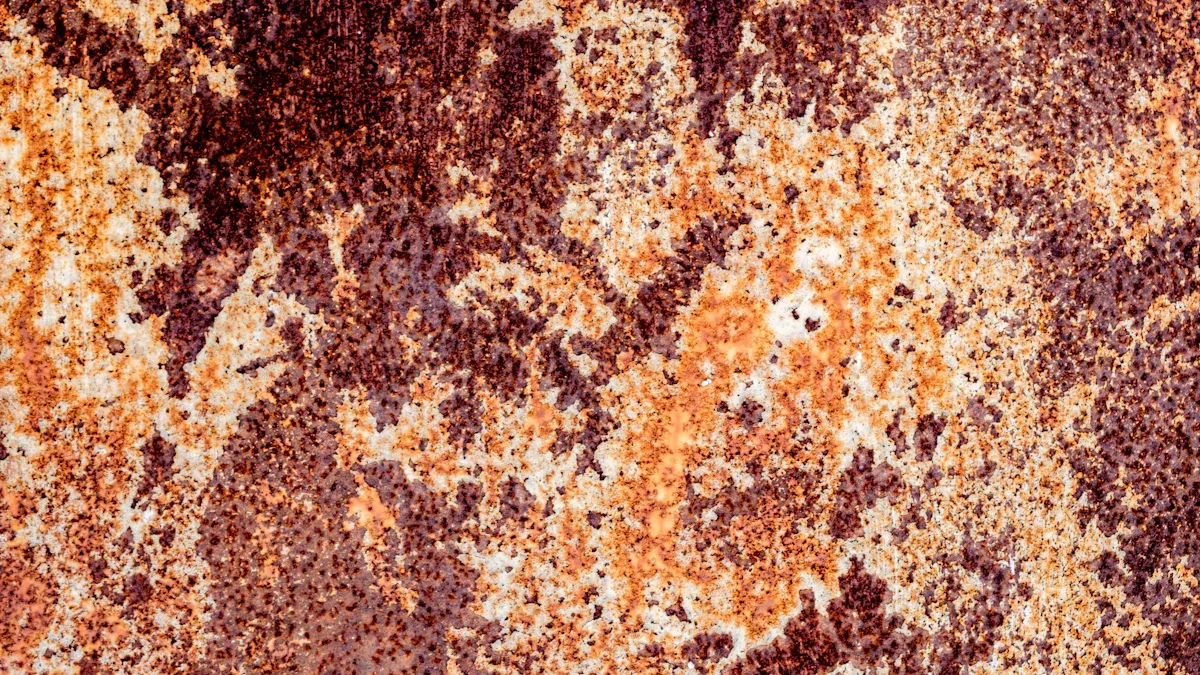
You can make aluminium casting corrosion-resistant by selecting high-quality materials and applying effective treatments. Enhancing corrosion resistance means your castings will last longer, which also helps you save money. Many industries require aluminium casting parts that are corrosion-resistant for applications in cars and planes. The aluminium industry is focused on recycling and developing new alloy technology to combat corrosion. It is essential to implement smart design and processes to ensure your castings remain protected.
Strong corrosion resistance allows your castings to perform well in challenging environments and maintain their reliability.
Why Corrosion Resistance Matters
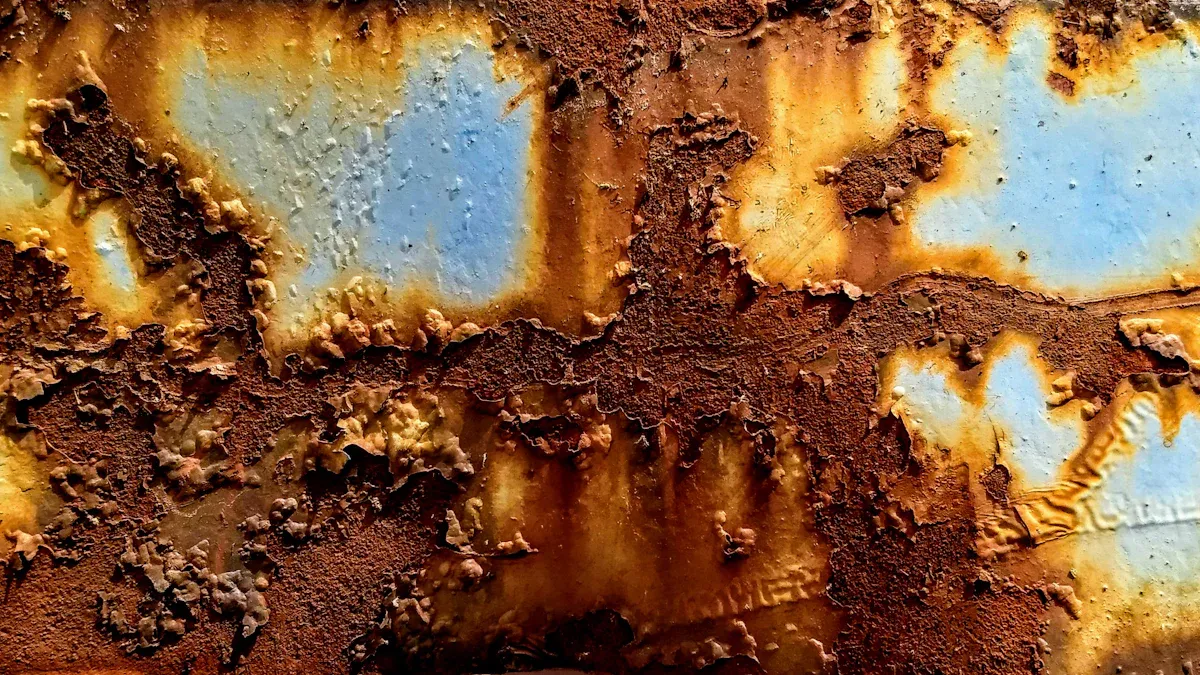
Impact on Aluminum Castings
People use aluminum castings in many industries. These parts have to deal with water, chemicals, and heat or cold. Corrosion can hurt the surface and make the part weak. Aluminum has a natural oxide layer. This layer keeps the metal safe from weather, even without extra coatings. The table below explains why corrosion resistance is important for aluminum castings:
Key Advantage | Description |
|---|---|
The natural oxide layer protects against weathering – even without coating. |
If you do not stop corrosion, your castings can break early. You might see small holes, color changes, or cracks. These problems can be dangerous and cost a lot to fix. If you focus on corrosion resistance, your castings last longer and work better.
Cost and Longevity Benefits
Corrosion resistance does more than just protect. It helps you save money and time. When aluminum castings fight off corrosion, you do not need to fix or change them often. The table below shows how corrosion resistance affects cost and how long products last:
Aspect | Effect on Maintenance Costs | Effect on Product Longevity |
|---|---|---|
Corrosion Resistance | Extends service life | |
Mechanical Properties | Prevents structural failure | Enhances durability |
Cost Efficiency | Saves money over time | Improves overall value |
Materials that resist corrosion can cost more at first.
You spend less money fixing or replacing parts.
Good materials help you save money in the long run.
Aluminum does not rust or get damaged by chemicals easily. This is important for making things last, especially in tough places. Picking the right alloy and surface treatment makes corrosion resistance stronger. This helps you spend less on repairs and makes your products last longer. You get good performance and better value for your money.
Key Factors in Aluminium Casting Corrosion-Resistant Design
Alloy Composition and Additives
You can make aluminum castings resist corrosion by picking the right alloy. Magnesium and zinc are important for this. Magnesium helps aluminum alloys stay strong and not corrode. Zinc makes the alloy stronger and lets you use heat treatment. This helps the casting last longer. If you choose alloys with these elements, your castings will do better in tough places. Always check the alloy mix before you start. This helps you avoid problems and keeps your castings safe from corrosion.
Casting Process Quality
You need to watch the casting process closely to get corrosion-resistant parts. How you control the process changes how well the casting resists corrosion. Here are some key things to remember:
Corrosion resistance is very important in harsh places.
Alloy mix, oxide layers, and surface treatments all help fight corrosion.
Good quality control during casting is important. The table below shows how each step helps your castings resist corrosion:
Quality Control Measure | Impact on Corrosion Resistance |
|---|---|
Raw Material Inspection | Makes sure the mix is right and stops bad materials. |
Process Control | Keeps production steady and lowers the chance of defects. |
In-Process Testing | Finds problems early and helps use only good materials. |
Final Inspection | Checks that the product is good and will not corrode easily. |
Always follow strict quality checks. This helps you stop defects and keeps your castings strong.
Environmental Exposure
You should think about where you keep and use your castings. Water, salt, and pollution can hurt your castings. You can protect them by keeping them dry and clean. Use dehumidifiers or desiccants in storage to stop oxidation. Do not put castings near chemicals or salty air. Good storage and handling keep your castings safe and make them last longer. Controlling the environment helps keep corrosion away.
You can make your castings resist corrosion by focusing on alloy mix, process quality, and the environment. These steps help your castings work well and last for years. Anodizing and other surface treatments give even more protection.
Surface Treatments to Enhance Corrosion Resistance
Surface treatments help aluminum castings last longer. These treatments make a strong shield against corrosion. They also make the surface look better and stay new. You should pick the treatment that fits your needs. Cleaning the surface before treatment is very important. This step helps the coating stick well. It also gives you the best corrosion resistant aluminium surface.
Anodizing Corrosion Resistant Aluminium
Anodizing puts a tough oxide layer on the surface. This layer forms with electricity in an acid bath. The process makes the surface harder and stops corrosion. The finish looks nice and lasts a long time. Anodizing helps paint and other coatings stick better. You can use anodizing for parts in wet or salty places.
Anodizing makes a thick oxide layer for great protection.
The process gives a better finish and makes cleaning easy.
You can add color for looks and more protection.
Tip: Always clean the surface before anodizing. Take off oils, greases, and release agents for the best results.
Chromate and Passivation Processes
Chromate and passivation treatments protect aluminum castings from corrosion. These treatments make a thin, clear layer on the surface. This layer slows down corrosion and helps other coatings stick. Chromate conversion coatings work well, but some use chemicals that can hurt the environment. Many companies now use safer choices that still protect well.
Conversion treatments like chromatization go on metal before painting. They make the metal resist corrosion better. These treatments work well for aluminum and its alloys. They slow down damage to the coating and the metal in tough places. Hexavalent chromium coatings protect aluminum alloys very well. But these coatings can be bad for health and the environment. Now, people look for other ways that work just as well.
Chromate treatments make the surface more corrosion resistant.
Passivation keeps the surface clean and stops corrosion.
These treatments are a good base for other coatings.
Painting and Powder Coating
Painting and powder coating are common ways to protect aluminum castings. Both give a strong layer that keeps out water and chemicals. You can pick the best one for your needs and the finish you want.
Finish | Key Strengths | Durability | Environmental Impact |
|---|---|---|---|
Powder Coating | Durable, chip-resistant, solvent-free | ★★★★★ | Low VOC, recyclable overspray |
Liquid Paint | Smooth cosmetic finish, ideal for heat-sensitive parts | ★★★☆☆ | Contains solvents and VOCs |
Powder coating makes a hard, tough layer for great protection. It does not use solvents, so it is better for the earth. Painting gives a smooth finish and works for parts that cannot take high heat. Both ways help you get a corrosion resistant aluminium surface and look good.
Powder coating gives a thick, even layer of protection.
Painting blocks corrosion if you put it on right.
Both ways make the surface look better and easier to clean.
Note: Always clean and prepare the surface before any coating. Use plasma treatment or inline cleaning to remove all oils, greases, and release agents. This step helps the coating stick and gives the best protection.
Cleaning and Preparation Steps
You must clean the surface before any treatment. This step is key for strong coating and a long-lasting finish. Here are some common cleaning methods:
Cleaning Method | Description |
|---|---|
Plasma Treatment | Uses air and electricity to remove organic dirt. It is a clean and fast way instead of chemicals. |
Inline Cleaning | This is a green way to clean metal surfaces very well. |
Take off all oils, greases, and release agents.
Use solvent-free degreasing, like acetone, for die-cast parts.
Make sure the surface is dry and clean before any coating.
You can make aluminum resist corrosion by using the right treatments and cleaning steps. These ways help you get a strong, corrosion resistant aluminium surface that lasts for years.
Process and Design Tips to Improve Corrosion Resistance
Cleaning and Preparation
You need to start with a clean surface before you use any corrosion resistant methods on die casting parts. Dirt, oil, and old coatings can stop a new protective barrier from sticking. Use a soft brush or cloth to wipe away dust. For die casting, you can use a mild cleaner or a special degreaser. Make sure you rinse and dry the part well. If you skip this step, corrosion can start under the coating. Always check for hidden spots where dirt can hide. Clean parts help you get the best protection.
Design for Drainage and Protection
Good design helps you stop corrosion before it starts. When you design die casting parts, add holes or slopes so water can drain away. Water that stays on the surface can cause corrosion. You can also use covers or shields to block rain or chemicals. Try to avoid sharp corners or deep pockets in your die casting. These places can trap water and dirt. If you use a smooth shape, you make it easier for coatings to cover the whole part. A smart design gives you better protection and makes your die casting last longer.
Tip: Work with your suppliers and specialists when you choose materials and coatings. They can help you pick advanced surface treatments like powder coating, wet painting, or anodizing. Some new products, like chromium(VI)-free conversion coatings, give strong protection and meet safety rules.
Aspect | Benefit |
|---|---|
Customized aluminum alloys | Enhance durability and corrosion resistance through tailored formulations. |
Advanced surface treatments | Improve functionality and longevity of aluminum castings. |
Maintenance Strategies
You need to check your die casting parts often. Look for signs of corrosion, like spots or color changes. Clean off dirt and salt as soon as you see them. If you find damage, fix it right away. Use touch-up paint or a new coating to keep the protective barrier strong. Keep records of your checks and repairs. This helps you spot problems early. When you use these steps, you keep your die casting safe and strong. Regular care gives you better protection and saves money over time.
You can make aluminum castings resist corrosion by picking a good alloy. Use strong surface treatments to help protect them. Design the castings so they stay safe from damage. These steps help stop corrosion and keep castings strong. Think about what you need before you start. Talk to experts if you want the best results. If you have big corrosion problems, find more information or ask for help. Good corrosion resistance saves money and helps products last longer.
FAQ
What makes aluminium castings corrosion resistant?
Aluminium castings resist corrosion when you use the right alloy. Adding a protective layer helps too. Treatments like anodizing or alodining make the surface stronger. These steps stop water, salt, and chemicals from causing damage.
How does alodining improve resistance in aluminium parts?
Alodining puts a thin layer on aluminium parts. This layer helps stop corrosion and makes paint stick better. Alodining is good for parts that need more protection in harsh places.
Is electroplating a good way to increase resistance?
Electroplating adds a metal layer to aluminium. This layer helps stop corrosion and wear. Electroplating is great for parts that need to be strong and smooth.
What is the difference between anodizing and alodining?
Anodizing makes a thick oxide layer on aluminium. Alodining makes a thin chemical layer. Both help stop corrosion, but anodizing makes the surface harder. Alodining is quicker and works well for parts that need paint.
How do you keep the resistance strong over time?
Check aluminium parts often to keep them safe. Clean off dirt and salt right away. Fix any damage to the layer as soon as you see it. Use touch-up alodining or electroplating if needed. Taking care of your parts helps them last longer.
See Also
Comparing Aluminium And Magnesium For Lightweight Die Casting
Enhancing Durability Of Diecast Products Through Electroplating
Understanding The Processes Of Aluminum Extrusion And Die Casting
Exploring Anodizing And Its Application In Die Casting
The Advantages Of Black Anodized Aluminum Explained
About Hunan Puka

Established in 2016 and based in Hunan, China, with a liaison point in Berlin, we are a Tier 2 supplier for the automobile industry. We specialize in the production of customized aluminum die-casting parts designed for machines with a closing force ranging from 280 to 1250 tons, with subsequent manufacturing process CNC machining and surface treatment. Our commitment to quality is reflected in our accredited quality management system, certified by ISO9001:2015 and IATF16949:2016 standards.