ADC12 vs A380: Composition, Properties, and Applications Compared

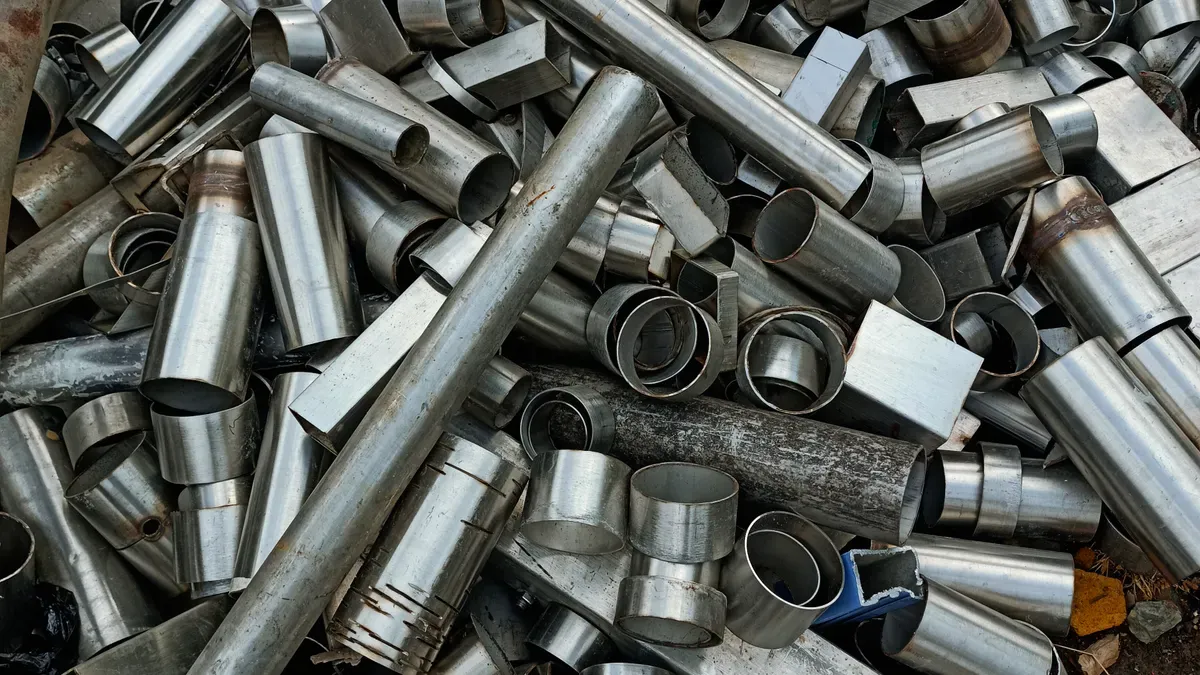
ADC12 vs A380: Key Differences Explained
Compare ADC12 and A380 to choose the right aluminum alloy for your project.
Features | ADC12 | A380 |
|---|---|---|
-- | -- | -- |
Silicon content | Higher silicon (9.6-12.0%) | Lower silicon (7.5-9.5%) |
Copper content | Lower copper (1.5-3.5%) | Higher copper (3.0-4.0%) |
Strength and hardness | Slightly higher strength | Better ductility |
Thermal conductivity | Adequate heat transfer | Better heat dissipation |
Fluidity and castability | Excellent for thin walls | Good for simpler shapes |
Machinability | Good but faster tool wear | Better surface finish, less wear |
Corrosion resistance | Better due to less copper | Lower, may need coating |
Regional availability | Common in Asia | Common in North America |
Applications | Complex electronic housings | General automotive parts |
You are faced with the dilemma of choosing between ADC12 and A380, a common predicament. Both are aluminum-silicon-copper alloys suitable for die casting. But their compositions have subtle differences. ADC12 is more popular in Asia, while A380 is more common in North America. This difference affects performance and cost. This article helps you make a choice. It provides a practical guide, explaining composition, mechanical properties, castability, and applications. This is not a theoretical comparison, but directly answers the question 'Which one is better for you?'
ADC12 vs A380: Chemical Composition
Before you pick an alloy, you must know what is in each one. The chemicals in the metal affect everything from how it flows in the mold to how the finished part deals with heat and pressure. Both ADC12 and A380 are aluminum-silicon-copper alloys. But their element amounts are different, and that matters for your project.
Key Element Breakdown and Roles
Silicon is the most important element in both alloys. It helps the metal flow better and shrink less when it cools. ADC12 has 9.6% to 12.0% silicon. A380 has 7.5% to 9.5%. The extra silicon in ADC12 makes it easier to cast. The metal flows into thin parts and complex shapes more easily. You will see fewer defects when you cast tricky shapes with ADC12.
Copper does a different job. It makes the alloy stronger by a process called precipitation hardening. A380 has more copper, from 3.0% to 4.0%. ADC12 has 1.5% to 3.5%. The extra copper makes A380 parts stronger. But copper has a downside. It lowers resistance to rust and chemical damage. If your part will be in wet or chemical areas, you must plan for this. A380 may need a protective coating in tough settings.
Magnesium is present in smaller amounts but still matters. ADC12 can have up to 0.3% magnesium. A380 can have up to 0.1%. The higher magnesium in ADC12 adds toughness. Some engineers think magnesium causes the corrosion difference, but that is wrong. The main reason for lower corrosion resistance is the copper level, not magnesium. Silicon and magnesium can actually help fight corrosion when mixed right. But the higher copper in A380 is still the main factor.
Element | ADC12 (%) | A380 (%) | Observation |
|---|---|---|---|
Silicon (Si) | 9.6 – 12.0 | 7.5 – 9.5 | ADC12 has more silicon, which makes casting easier. |
Copper (Cu) | 1.5 – 3.5 | 3.0 – 4.0 | A380 has more copper, which makes it stronger but less resistant to rust. |
Magnesium (Mg) | ≤ 0.3 | ≤ 0.1 | ADC12 can have more magnesium, which adds toughness. |
Regional Standards and Equivalents
The names of these alloys come from where they are used. ADC12 follows the Japanese Industrial Standard (JIS) system. You will find it in Asian supply chains, especially in China, Japan, and Southeast Asia. A380 uses the ASTM (American Society for Testing and Materials) system. It is common in North American manufacturing. When you buy parts from around the world, you will often see these two alloys listed as the same. The cross-reference tables put A380.0 (USA designation A03800) and ADC12 (Japan) in the same row.
This matching makes buying easier, but you should not treat it as a perfect match. There are small differences in allowed impurity levels between regional standards. Iron content is important. Iron stops the die from sticking during casting, but too much iron makes the metal less flexible. You must check the iron specification for your supplier.
When replacing these alloys, engineers must check the iron (Fe) levels. Iron stops the die from sticking but can reduce flexibility if it goes over the limit.
The ADC12 vs A380 choice often comes down to where you get your parts. If your die caster is in Asia, ADC12 is easier to find and has known process settings. If your manufacturer is in North America, A380 offers the same benefit. Your choice may depend on which standard your foundry runs every day. The practical differences between the alloys matter less than the consistency your supplier can deliver.
Mechanical and Physical Properties
You need to know how strong and hard each alloy is. You also need to know how well they conduct heat. These factors decide if your part will survive its job. ADC12 and A380 have similar mechanical properties, but small differences exist. The ADC12 vs A380 choice often comes down to these details.
Strength, Hardness, and Ductility
Both alloys offer good tensile strength. You can expect values around 300 to 380 MPa for each. That range covers many common applications. The tensile strength tells you how much pulling force the metal can handle before it breaks. For most projects, either alloy works well.
The difference comes from the magnesium content. ADC12 can have up to 0.3% magnesium. A380 has only up to 0.1%. This extra magnesium in ADC12 gives it a slight edge in strength. You might get a few more megapascals of tensile strength from ADC12. But this gain comes with a trade-off. The higher magnesium also makes the metal less ductile. Ductility means the ability to stretch before breaking. A380 is more ductile. You can bend or deform it a bit more without cracking. This matters for parts that need to absorb shock or vibration.
Hardness is another important factor. Hardness measures resistance to surface indentation. A380 has a specified Brinell hardness of 80 HB. This value is a standard reference for quality control. ADC12 does not have a listed Brinell hardness in the common documents. But you can expect it to be similar or slightly higher because of the extra magnesium. Harder metals resist wear better. But they also make tooling wear faster during machining. You need to balance these factors.
For your project, consider the ductility needs. If your part must flex or absorb impact, A380 is the safer choice. If you need maximum strength and hardness, ADC12 might give you an advantage. The difference is small, but it can matter in demanding applications.
Thermal and Electrical Conductivity
Heat management is critical for many parts. Electronic housings, engine components, and lighting fixtures need to move heat away from sensitive areas. The alloy’s thermal conductivity determines how fast heat travels through the metal.
A380 generally offers better thermal conductivity than ADC12. This makes A380 the preferred choice for heat sink applications. You can use it for parts that must dissipate heat quickly. The higher copper content in A380 helps with this property. Copper is a good conductor of heat. More copper means better heat flow.
ADC12 still has adequate thermal conductivity. It handles normal heat loads without problems. But if your part runs hot, A380 is a better fit. The difference is not huge, but it is measurable. For example, in a power supply housing or an LED lamp body, A380 keeps the device cooler. This extends the life of the electronics inside.
Electrical conductivity follows a similar pattern. A380 conducts electricity slightly better. But neither alloy is used for electrical wiring. You would choose pure copper or aluminum for that. In die-cast parts, electrical conductivity is rarely the main concern. Thermal conductivity matters more.
When you compare ADC12 vs A380 for heat management, the choice is clear. A380 wins for thermal applications. ADC12 works well for general use. You need to decide how important heat transfer is for your design.
Castability and Manufacturing

Fluidity and Die Wear
ADC12 gives you steady flow for making complex shapes. This property helps liquid metal fill detailed mold parts. You can make thin walls, ribs, and other fine features. This makes ADC12 a good pick for parts with tight designs. The alloy flows into every part of the die. You get fewer problems like cold shuts or incomplete fills. For complex thin-walled parts, the flow ability is a big plus. The metal moves easily through narrow spaces. You can cast parts with thin sections more reliably.
A380 also flows well, but it requires different settings. You may need to change gate or injection settings for detailed designs. A380 works best for simpler shapes. For complex parts, ADC12 saves time and cuts down waste. The flow benefit matters most when your part has thin sections or sharp corners. You get higher production yields with ADC12 for hard shapes.
Die wear is another thing to think about. Both alloys have iron to stop the die from sticking. But ADC12's higher hardness can speed up tool wear over time. You should think about this for long production runs. A380 is easier on your dies. It makes tools last longer. The trade-off is part complexity versus production number. Pick ADC12 for complex parts. Pick A380 for simpler, high-volume runs. Your die caster can help you find the right balance.
Machinability and Surface Finishing
Both alloys machine well. You can drill, tap, and mill them without big problems. A380 stands out for its surface finish quality. You get a smooth surface right from casting. This cuts down on extra finishing steps like polishing or coating. You save money on later steps. The great surface quality also makes the part look better.
ADC12 also gives good machining results. But the higher hardness leads to faster tool wear. You may need to change cutting tools more often. This raises your tool costs over time. The surface finish is good enough for most uses. For parts where looks matter, A380 gives you an edge. You get a clean, nice surface with less work.
Think about your finishing needs. If your part needs a perfect surface, A380 cuts your work. If you care more about strength and flow, ADC12 handles the trade-offs well. Both alloys work well, but they fit different needs. Your choice depends on what matters most for your project.
ADC12 vs A380: Applications and Cost
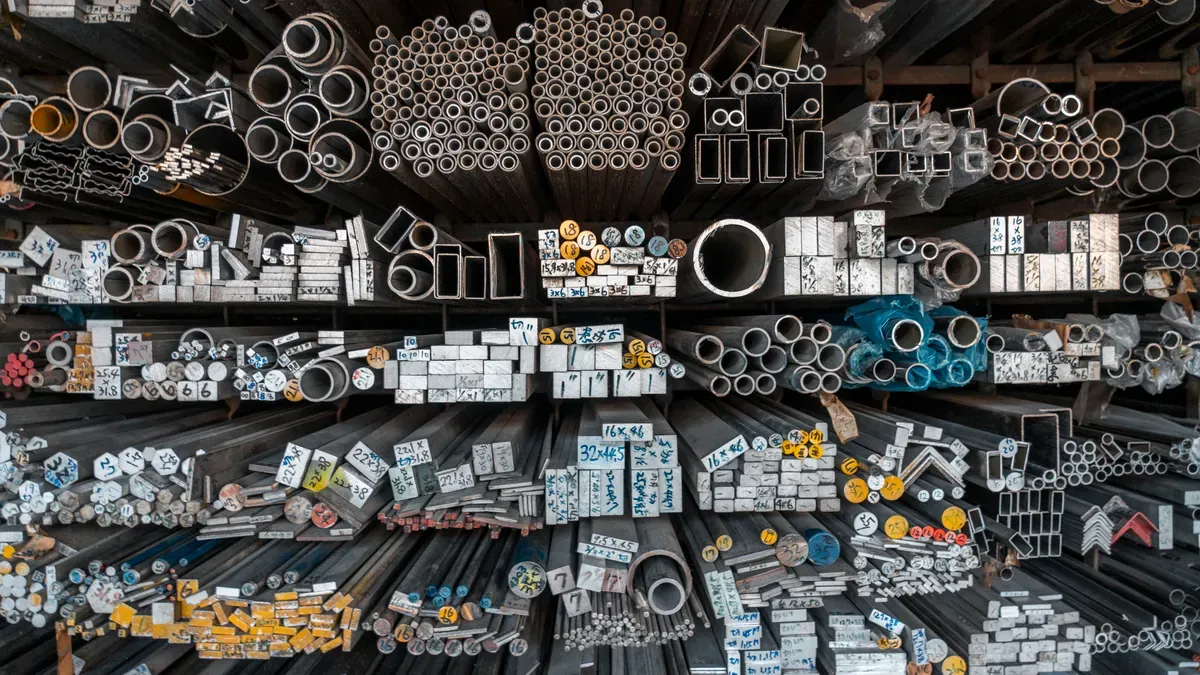
You need to know where each alloy works best. The table below shows the main uses for both materials. You will see they overlap in many areas. The real difference is about part complexity and performance needs.
Alloy | Primary Applications |
|---|---|
Automotive and transport parts like wheels, brake parts, and cylinder heads. Also works for electrical housings and decorative parts that need anodizing. | |
ADC12 | Same use areas as A380. You get better results with complex or detailed parts that need precise filling. |
Where ADC12 Excels
ADC12 works best when your part has thin walls, tight corners, or tricky inside features. Consumer electronics housings need this level of detail. Power tool casings also gain from the alloy's flow traits. You can cast complex shapes without flaws. The extra silicon helps the metal reach every part of the mold. This cuts waste and speeds up production cycles.
Automotive brackets often use ADC12 for the same reason. You get strength and precision in one product. The alloy's slightly higher magnesium content adds toughness. This matters for parts that face vibration and stress. When you need high-volume production of detailed parts, ADC12 gives steady results.
Where A380 is Preferred
A380 is the flexible workhorse for general industrial parts. You can use it for simpler shapes without losing quality. The alloy gives a better mix of mechanical traits and heat flow. This makes it good for automotive transmission housings and engine parts. These parts need to handle heat while staying strong.
You may pick aluminum alloy gearbox housings from A356, A360, A380 (ADC10), or A383 (ADC12). The choice depends on your specific performance needs.
A380 also gives you a better surface finish. This cuts down on post-casting work like polishing or coating. You save money on finishing steps. The alloy's lower hardness means less tool wear during machining. For long runs of simpler parts, A380 keeps costs low.
Cost Considerations
Raw material prices for both alloys are about the same. The total cost depends on other factors. ADC12's flow speeds up cycle times. You make more parts per hour. This lowers your cost per part. But the higher hardness wears tools faster. You replace dies and cutting tools more often.
A380 wears down tooling less. Your equipment lasts longer. The trade-off is slower cycle times for complex parts. Scrap value also matters. Both alloys keep good scrap value, but market prices change. The right choice depends on which factor matters most for your part. For tricky designs, ADC12 saves production time. For simple, high-volume parts, A380 cuts tooling costs. Your die caster can help you figure out the true cost difference.
How to Choose Between Them
Matching Alloy to Project Needs
Begin with your part's shape. Thin walls and tricky shapes suggest ADC12. The extra silicon helps the metal flow into tight spots. You get fewer mistakes and more good parts on complex designs. This works well for electronics cases and tool housings.
Heat needs change the choice. A380 moves heat better. If your part must take heat away from parts, pick A380. LED cases, engine parts, and gearbox cases gain from this. The metal keeps parts cooler and makes them last longer.
Look matters for parts people see. A380 gives a smooth surface right from the mold. You skip extra polishing and save on finishing. The lower hardness also means less wear on tools when cutting. Your cutting tools last longer on big runs.
For simple parts where cost matters most, A380 is the safer pick. The alloy works for many uses without problems. You get steady results with fewer changes to settings. This flexibility makes A380 the go-to for general industrial parts.
Consulting with Your Die Caster
Your foundry's skill guides the final choice. A shop that uses ADC12 every day will make better parts with it. Their settings are set just right. They know the material's tricks. The same is true for a foundry that works with A380.
Where you buy also matters. Asian die casters keep ADC12 in stock. North American shops have A380 ready. Where you get your parts often decides the alloy. Switching to the less common one may add time and cost.
Pro Tip: Ask your manufacturing partner to check draft angles and wall thickness before you finish the die cast design. Changes after making the tool cost a lot. Changes in the computer model cost nothing.
Include your die casting partner early in the design stage. The shape freedom of the process only works when the process guides the design. Tell them your needs and cost goals early. Let the foundry's engineers pick the best alloy for your case. Their tools and past work with similar parts matter a lot. The right choice balances material traits, production speed, and supply chain facts.
The choice between ADC12 and A380 depends on what your project needs, not on which alloy is better overall. Choose ADC12 when you need great flow for complex, thin-walled parts and your supplier is in Asia. Pick A380 when heat transfer, surface finish, or flexibility matter more, especially with North American makers.
Use the decision guide from this article, but always check your final pick with your die caster. Their tools, know-how, and local supply will affect how easy it is to make and what it costs. Both alloys give great results. The best choice depends fully on what your project needs.
FAQ
Can I substitute ADC12 for A380 in my existing design?
You can often swap them, but check your part's needs first. If your part needs better heat transfer or a smoother surface finish, A380 works better. If you need complex thin walls, ADC12 flows better. Always confirm with your die caster before switching.
Which alloy costs less per part?
Raw material prices are similar for both alloys. Your total cost depends on production factors. ADC12's better flow speeds up cycle times, lowering per-part cost. A380 causes less tool wear, reducing tooling expenses. Your specific part geometry determines which factor matters more.
Does the higher copper in A380 affect corrosion resistance?
Yes. A380 contains more copper, which lowers its resistance to rust and chemical damage. If your part operates in wet or chemical environments, you may need a protective coating. ADC12's lower copper content gives it slightly better corrosion performance.
Which alloy should I choose for thin-walled components?
Choose ADC12 for thin-walled parts. Its higher silicon content improves fluidity, letting the metal fill narrow sections completely. You get fewer defects like cold shuts or incomplete fills. This makes ADC12 the better option for complex, detailed geometries.
Are ADC12 and A380 truly equivalent for global sourcing?
They appear as equivalents in cross-reference tables, but small differences exist. Regional standards allow different impurity levels, especially iron content. Your supplier's experience with one alloy matters more than the theoretical match. Work with your die caster to confirm the best option for your supply chain.
See Also
Evaluating Steel, Titanium, And Aluminum For Robot Parts
Choosing Between Aluminum And Magnesium Die Casting For Lightweight Design
Leading Aluminum Label Standards In America, Europe, And China
Comparing Cost Efficiency Of Plastic And Aluminum Prototypes
Exploring Advantages Of Black Anodized Aluminum Coatings
About Hunan Puka

Established in 2016 and based in Hunan, China, with a liaison point in Berlin, we are a Tier 2 supplier for the automobile industry. We specialize in the production of customized aluminum die-casting parts designed for machines with a closing force ranging from 280 to 1250 tons, with subsequent manufacturing process CNC machining and surface treatment. Our commitment to quality is reflected in our accredited quality management system, certified by ISO9001:2015 and IATF16949:2016 standards.