What Is Acceptable Quality Limit in Quality Control and Why It Matters


You need to know what acceptable quality limit means in quality control. It tells you the most defects you can allow in a batch before you say no to it. The table below shows usual AQL values for different defect types:
Defect Type | AQL Value |
|---|---|
Critical defects | 0 (zero tolerance) |
Serious defects | 0.65% to 1.5% |
Minor defects | 2.5% to 4.0% |
When you use AQL during inspection, you make clear rules for quality. This helps you and your supplier agree on what is okay and keeps your business looking good.
AQL tells you how many items to check and how many defects you can accept.
It helps people trust your inspection by checking a lot of your products.
Acceptable Quality Limit (AQL) Explained
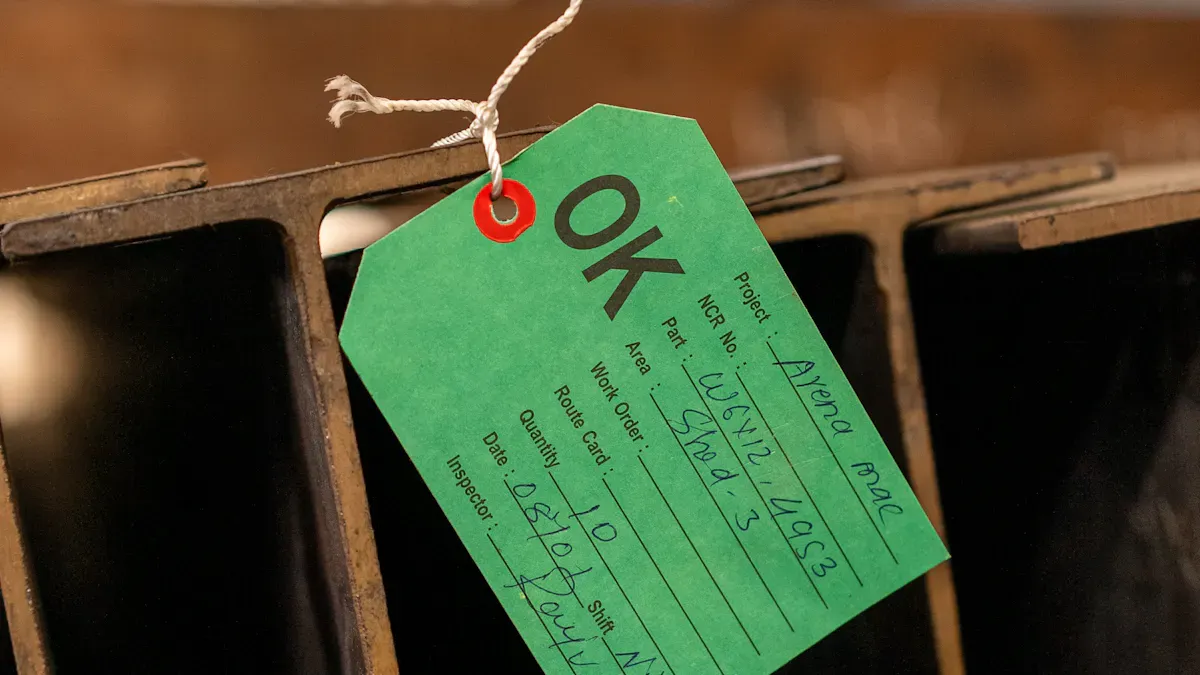
What Is Acceptable Quality Limit?
You need to know about the acceptable quality limit to control quality. This limit shows the most defects you can allow in a batch before you reject it. The acceptable quality limit helps you set clear rules for checking products. It lets you decide if a batch is good or not.
Here are steps to use the acceptable quality limit:
Find your batch size. Count all items in your batch. For example, you may have 1,000 items.
Pick your AQL level. Choose the defect limit that fits your industry. Medicines need stricter limits than clothes.
Use the AQL table. Look at the ANSI ASQ Z1.4 table to find your inspection level and sample size code.
Get your sample size. Match your batch size and AQL level to see how many items to check. For example, you might check 80 items from a batch of 960 units.
Do your inspection. Check your sample and count the defects.
Decide about the batch. Compare the defects to the acceptable quality limit. Reject the batch if defects are too high. Accept it if they are within the limit.
Tip: The acceptable quality limit helps you make fair choices when checking products. You do not need to check every item. You only check a sample, which saves time and money.
Here is a table showing how you use AQL values in your inspection:
Level | Sample | AQL Critical | AQL Major | AQL Minor |
|---|---|---|---|---|
G-II | 80 | 0.0 | 2.5 | 4.0 |
Max Allowed | 0 | 5 | 7 |
This table means you can accept up to 5 major defects or 7 minor defects in your sample. You cannot accept any critical defects.
Acceptance Quality Limit vs. AQL
You may see both "acceptance quality limit" and "AQL" in quality assurance. These words mean the same thing. Both show the most defects you can allow in a sample before you reject the batch. Some people say "acceptable quality limit" and others say "acceptance quality limit." You can use either word in quality control.
Different industries use different AQL values. For example, medical products need stricter limits than clothes or toys. Here is a table showing how AQL values change for surgical and examination gloves in different places:
Product Category | Region | Inspection Level | AQL |
|---|---|---|---|
Surgical Gloves | Australia/New Zealand | G1 | 1.0 |
Surgical Gloves | US & Canada | G1 | 1.5 |
Surgical Gloves | European Union | G1 | 0.65 |
Surgical Gloves | Rest of the World | G1 | 1.5 |
Surgical Gloves | Japan | G1 | 1.5 |
Examination Gloves | Australia/New Zealand | G1 | 1.5 |
Examination Gloves | US & Canada | G1 | 2.5 |
Examination Gloves | European Union | G1 | 1.5 |
Examination Gloves | Rest of the World | G1 | 2.5 |
Examination Gloves | Japan | G1 | 2.5 |
You can also see these differences in the chart below:
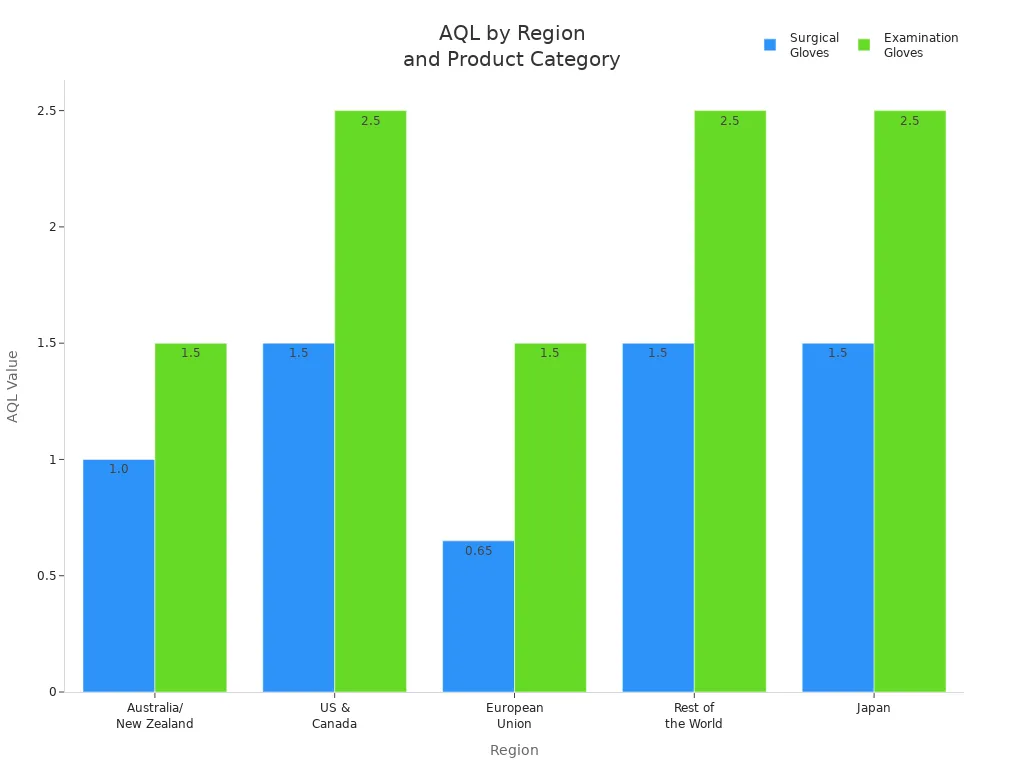
International standards help you pick the right acceptable quality limit for your products. You should always check the rules for your industry and region.
Key Terms in Quality Control
You will see many words in quality control and product inspection. Here are some important words you need to know:
Term | Definition |
|---|---|
Audit | Checking products to make sure they meet requirements. |
Lot / batch | Group of items for inspection. |
Defect | Something wrong with a product. |
Defective | A product that has one or more defects. |
Sampling plan | A plan that shows how many items to check and what is allowed. |
Accept Number | The most defects allowed in a group for it to be okay. |
Rejection number | The smallest number of defectives in a sample that will require the rejection of the lot. |
Classification of defects | The list of possible defects in a product, sorted by how serious they are (critical, major, minor). |
Acceptable Quality Level (AQL) | The limit of a good process average for checking samples. |
Random inspection plan | A way to decide if a shipment is okay based on quality. |
AQL procedure | A method using random samples for checking according to a set AQL. |
You use these words when you talk about checking products, quality assurance, and product quality. Knowing these words helps you follow international rules and talk clearly with others in your field.
Why AQL Matters in Quality Control
Impact on Product Quality
You help keep product quality high. The acceptable quality limit sets the most defects allowed in a batch. This makes it easy to find bad items early. You do not need to check every single item. You only check a sample and count the defects. Then you compare the number to your AQL values. This stops you from sending bad products to customers. People trust your products because you follow quality rules. Product checks are more reliable, and your brand stays strong.
Note: AQL helps you pay attention to the worst defects. You can say no to batches that do not meet your standards. This means only good products go to the market.
Business Benefits of AQL
AQL gives your business many good things. You save time and money by checking just a sample. You make sure suppliers follow your quality rules. The skip-lot method lets you check less if batches pass before. This saves resources and effort. You get data that shows trends and helps you make smart choices. It is easier to improve because you see where problems happen and fix them.
Benefit | Description |
|---|---|
Efficiency | You work faster by checking a sample, not the whole batch. |
You do not need to check everything, so you save time and money. | |
Product Quality Assurance | You make sure only good products go to the market. |
Supplier Accountability | You make suppliers follow your quality rules. |
Continuous Improvement | You help factories get better and keep high standards. |
Data-Driven Insights | You see trends and find problems early. |
Informed Decision Making | You make better choices about where to buy and who to buy from. |
Industry Standards
You need to follow world rules when you set your AQL values. These rules help you match your checks with what your industry wants. They also help buyers and sellers agree on what is okay. Following the rules keeps your business safe and your products good. You do not have to worry about recalls and you keep quality high. It is easier to check quality when you use clear rules for defects and checks.
Tip: Always look at the newest world rules for your industry. This keeps your quality checks strong and your products safe.
How AQL Works in Product Inspection
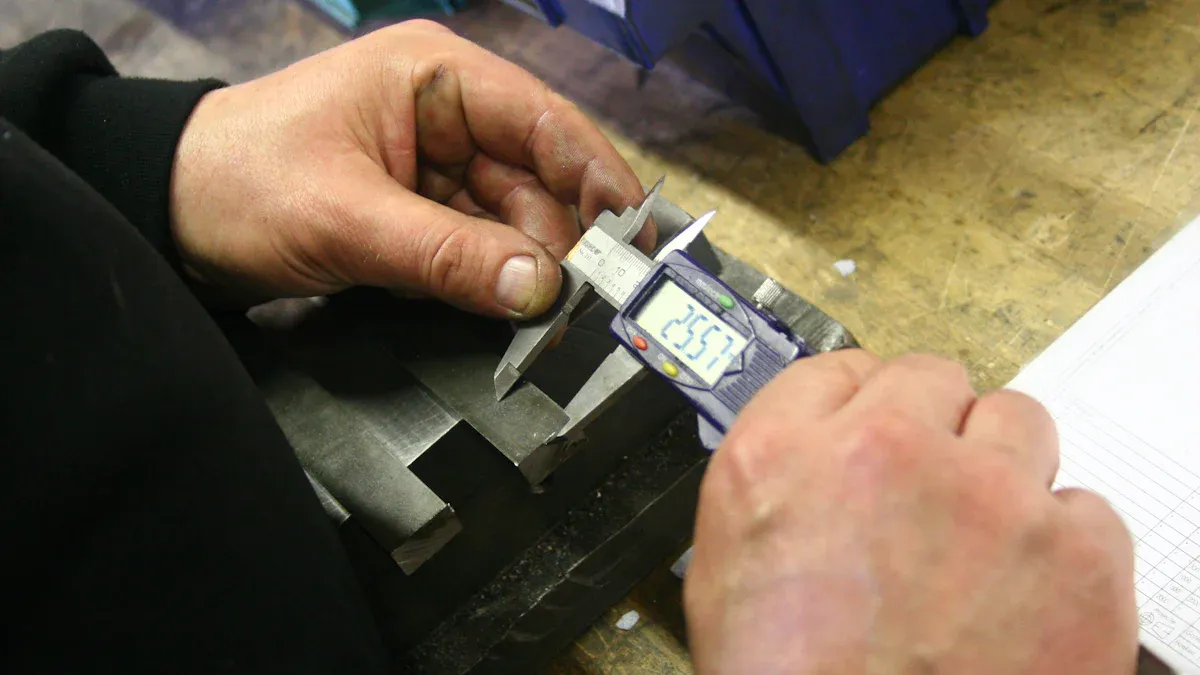
Defect Categories: Critical, Major, Minor
You should know how defects are sorted during product checks. In quality control, there are three main types of defects. This helps you choose if a batch is okay or not.
Critical defects are very dangerous or make the product useless. For example, a sharp needle in clothes or sending the wrong item. You must say no to any batch with a critical defect.
Major defects make the product hard to use or lower its quality. These are things like holes, broken zippers, or wrong size tags. You can accept a batch if the number of major defects is not too high.
Minor defects do not stop the product from working but look bad. Loose threads or small stains are minor defects. You can allow more minor defects than major or critical ones.
Defect Type | Description | Examples | Acceptable Limits |
|---|---|---|---|
Critical Defects | Safety hazards or completely wrong items | Sharp needle left in garment, wrong product shipped | 0 (instant fail) |
Major Defects | Unwearable or significantly flawed | Holes, broken zippers, wrong size label, color mismatch | |
Minor Defects | Cosmetic flaws that don't affect function | Loose thread, slight print imperfection, small stain | Max 10 in sample of 125 |
AQL Sampling Methods
Sampling lets you check quality without looking at every item. The most used way is General Inspection Level II. You pick a set number of items to check for your test. Special Inspection Levels are for when you need to check fewer items, like spot checks or quick tests.
Sampling Method | Description |
|---|---|
General Inspection Level II | Most common method for aql inspections, uses a standard sample size. |
Special Inspection Levels | Used for fewer samples, often for spot checks or loading supervision. |
Tip: Sampling saves time and helps you check quality. You can trust your results if you follow world rules.
Using AQL Tables
AQL tables help you know how many items to check. These tables also show what AQL values to use.
Count your batch size. Find out how many items you need to check.
Pick your inspection level. Use General Inspection Level II most of the time.
Look up the sample size. Use the table to find the right number based on your batch and level.
Set your AQL values. Choose the limit for each defect type.
Check the most defects allowed. Compare what you find to the table limits.
Note: AQL tables make your checks fair and easy to follow. They help you keep quality high and protect your products.
Applying Acceptance Quality Limit in Practice
Step-by-Step Product Inspection Guide
You can use a simple process to check products with AQL. First, pick your AQL level and make a sampling plan. Count all the items in your batch. Decide how many you will check. Use a fair way to pick your sample. Look at each item and write down every defect you find. Check your results against the most defects your AQL allows. If the defects are too many, the batch fails. If the defects are not too many, the batch passes.
Here is a table that lists tools and checklists to help you follow the rules during inspection:
Software | Best for | Key strengths | Considerations |
|---|---|---|---|
NC-Vision | Manufacturers needing integrated MES+QMS | Supplier-specific rules, quarantine management | Great if you need a full MES platform |
Omnex Inspection Control | Complex workflows | Custom forms, mobile app, real-time data, ERP integration | Needs setup, strong for accuracy |
ETQ Reliance | Enterprise-grade QMS | Cloud-based, flexible sampling, company-wide connectivity | Premium pricing; best for large organizations |
IQS CAQ – Goods Receipt Module | Broader IQS CAQ system users | Dynamic inspection levels, automated test plans, real-time defect logging | Part of a larger CAQ ecosystem |
GoAudits | Digital inspections on a phone | User-friendly app, real-time reporting, customizable templates, offline use | Best for simple field inspections |
Tip: Try using digital tools to watch your inspection steps and make quality checks better.
Real-World Examples
You can see how companies use AQL level setting and sampling plan in real life. MTG (Müllertechnologie Gruppe) made quality checks better by using CAQ.Net’s gauge management module. The module checked and fixed gauges by itself, so people did not have to do it by hand. MTG has not had any audit problems since they started using this system.
In textiles, a batch had 12 major and 22 minor defects. It did not pass the AQL values, so the factory fixed how they made things.
In electronics, a batch had 1.2% defects. This was more than the 1.0% limit, so the batch was not sent to customers.
Here is a table that shows what got better after using acceptance sampling:
Metric/Benefit | Description |
|---|---|
Cost Savings | Cuts costs by reducing defective items and wasted materials. |
Time Savings | Saves time by lowering rework and inspection efforts. |
Improved Quality | Ensures products meet standards, making them reliable. |
Consistency | Keeps quality the same across all products. |
Customer Satisfaction | Builds trust and improves brand image. |
Common Mistakes to Avoid
You can stop mistakes in quality control by following the AQL guideline and sampling plan. Some people pick the wrong sample size. If you check too few, you might miss defects. If you check too many, you waste time and money. Not knowing defect types can make product quality uneven. If you do not write down your results, you cannot see problems or make things better. Guessing instead of using data makes your checks weak.
Mistake | Explanation |
|---|---|
Sample Size Selection | Too few items miss defects; too many waste resources. |
Defect Categorization | Misunderstanding types causes inconsistent control. |
Documentation | Poor records hinder quality improvement. |
Reliance on Guesswork | Guessing instead of using data lowers reliability. |
Note: Always set clear rules for passing, check products carefully, and make sure inspectors know what to do. These steps help you get good quality checks for consumer products and final random inspection.
You get lots of good things when you use AQL in quality control. Many businesses use AQL to keep products good and stop returns. You help your suppliers follow your rules and keep your supply chain safe. The table below shows how AQL helps your business do better:
Metric | Impact of Using AQL |
|---|---|
Industry Adoption | |
Product Returns | 15% fewer returns |
Customer Satisfaction | 20% more happy customers |
Brand Trust | Builds trust and quality |
You make easy rules for checking products.
You can choose better when you look at quality.
You help customers and suppliers trust you.
If you want to learn more, read guides about quality control and check industry rules.
FAQ
What does AQL mean in quality control?
AQL stands for Acceptable Quality Limit. You use it to decide the highest number of defects allowed in a batch. This helps you know if you should accept or reject products.
How do you choose the right AQL level?
You should look at your product type and customer needs. For safety items, pick a lower AQL. For less risky items, a higher AQL works. Always follow the aql level specified in your industry.
Can you change your AQL during production?
Yes, you can adjust your AQL if you see quality changes or get new customer requests. You must update your inspection plan and tell your team about the new limits.
Why do you use sampling instead of checking every item?
Sampling saves you time and money. You check a small group to learn about the whole batch. This method gives you reliable results without slowing down your process.
See Also
Grasping The Concept Of Acceptable Quality Limits In QC
The Importance Of QRQC In Today’s Quality Control Practices
Tips For Choosing The Right Measuring Tools In QC
Essential Inspection And Testing Techniques For Surface Treatment QC
Understanding APQP: Its Significance In Automotive And Aviation
About Hunan Puka

Established in 2016 and based in Hunan, China, with a liaison point in Berlin, we are a Tier 2 supplier for the automobile industry. We specialize in the production of customized aluminum die-casting parts designed for machines with a closing force ranging from 280 to 1250 tons, with subsequent manufacturing process CNC machining and surface treatment. Our commitment to quality is reflected in our accredited quality management system, certified by ISO9001:2015 and IATF16949:2016 standards.